




Introduction
Domestic violence is a pervasive issue that affects countless families around the world.
However, it is crucial to recognize that children are often the silent victims of such abuse.
Their well-being and development can suffer severely from trauma experienced at home.
By understanding domestic violence’s impact on children, we can take significant steps toward protecting their welfare.
We can also provide the support they need to heal.
Definition and Types of Domestic Violence
Domestic violence involves a pattern of abusive behavior that one partner uses to gain power and control.
Abuse can take physical, emotional, psychological, financial, sexual, or verbal forms.
Physical abuse includes hitting, slapping, kicking, or causing any other physical harm.
Emotional abuse includes name-calling, belittling, intimidation, or constant criticism that damages self-esteem.
Psychological abuse manipulates a person’s thoughts, feelings, and behaviors to establish control.
Domestic Violence Within Different Relationships
Domestic violence can occur between romantic partners, spouses, or family members.
Intimate partner violence commonly involves one partner exerting power and control over the other.
Additionally, parental or caregiver abuse mistreats children or elderly family members.
Sibling abuse involves physical, emotional, or psychological mistreatment between siblings.
Furthermore, extended family members may abuse relatives within the same household.
Understanding domestic violence types and relationship dynamics helps address its impact on children.
Recognizing abuse signs helps people support and protect vulnerable individuals affected by domestic violence.
Effects of Domestic Violence on Children
- Witnessing domestic violence can create serious emotional effects for children.
- Consequently, children may experience fear, anxiety, depression, or helplessness.
- Some children may also develop symptoms of post-traumatic stress disorder.
Emotional Effects
- Children may believe they caused the violence in their homes.
- As a result, they may struggle with guilt, shame, and emotional distress.
- These feelings can reduce their self-esteem and confidence.
Mental Effects
- Exposure to domestic violence can disrupt a child’s cognitive development.
- Furthermore, children may struggle with concentration, learning, and problem-solving.
- Some children may respond through aggression, while others may withdraw.
Physical Effects
- Children who witness domestic violence may develop physical symptoms.
- For example, stress may cause headaches, stomach aches, and other ailments.
- They may also face an increased risk of chronic health conditions.
Long-Term Consequences
- Children exposed to domestic violence face a higher risk of mental health issues.
- Over time, they may struggle with depression, anxiety, and other psychological disorders.
- These challenges can affect their well-being and daily functioning for years.
Development of Mental Health Issues
- Children who witness domestic violence may become more likely to experience depression.
- They may also develop anxiety disorders or post-traumatic stress disorder.
- Without support, these mental health issues can continue into adulthood.
Difficulties in Forming Healthy Relationships
- Exposure to domestic violence can impair a child’s ability to form healthy relationships.
- Later, they may struggle with trust, intimacy, and communication.
- Consequently, they may repeat unhealthy relationship patterns during adulthood.
Gain More Insights: Role of Residential Counselors in Crisis Intervention
Signs of Distress in Children Exposed to Domestic Violence
- Children may withdraw and isolate themselves as a coping mechanism.
- Additionally, changes in eating and sleeping patterns may signal distress.
- Aggressive behavior toward peers or adults could also indicate distress.
- Decreased academic performance or reduced interest in school activities may raise concern.
- Furthermore, children may experience anxiety, fear, and hypervigilance.
- Some children report headaches or stomach aches without a medical cause.
- Bedwetting can also signal distress in children exposed to violence.
How Adults Can Recognize and Address These Signs of Distress
- Adults should notice sudden changes in a child’s behavior or mood.
- They can create a safe, open environment where children express their feelings.
- Consistent, nurturing support can help children feel secure.
- Adults can seek professional help, including therapy or counseling for the child.
- They should also learn about domestic violence’s effects on children.
- Encouraging art therapy or journaling can support healthy coping mechanisms.
- Finally, adults should remain patient when children struggle to communicate their feelings.
Explore Further: The History and Evolution of Adoption Counseling
Impact on Child Development
- Domestic violence can hinder a child’s cognitive, social, and emotional development.
- These experiences can affect academic performance and well-being as children grow.
Children may witness traumatic incidents when violence occurs at home.
These experiences can influence cognitive, social, and emotional growth.
Furthermore, they can affect school performance and long-term well-being.
Cognitive Development Challenges
Constant stress and fear may interfere with a child’s cognitive development.
Consequently, children may struggle to concentrate, learn, and process information effectively.
These difficulties can contribute to academic struggles and delayed cognitive milestones.
Social Development Difficulties
Exposure to domestic violence can disrupt a child’s social development.
Children may struggle with trust, empathy, and communication when forming relationships.
As a result, they may experience isolation, aggression, or difficulty building positive peer relationships.
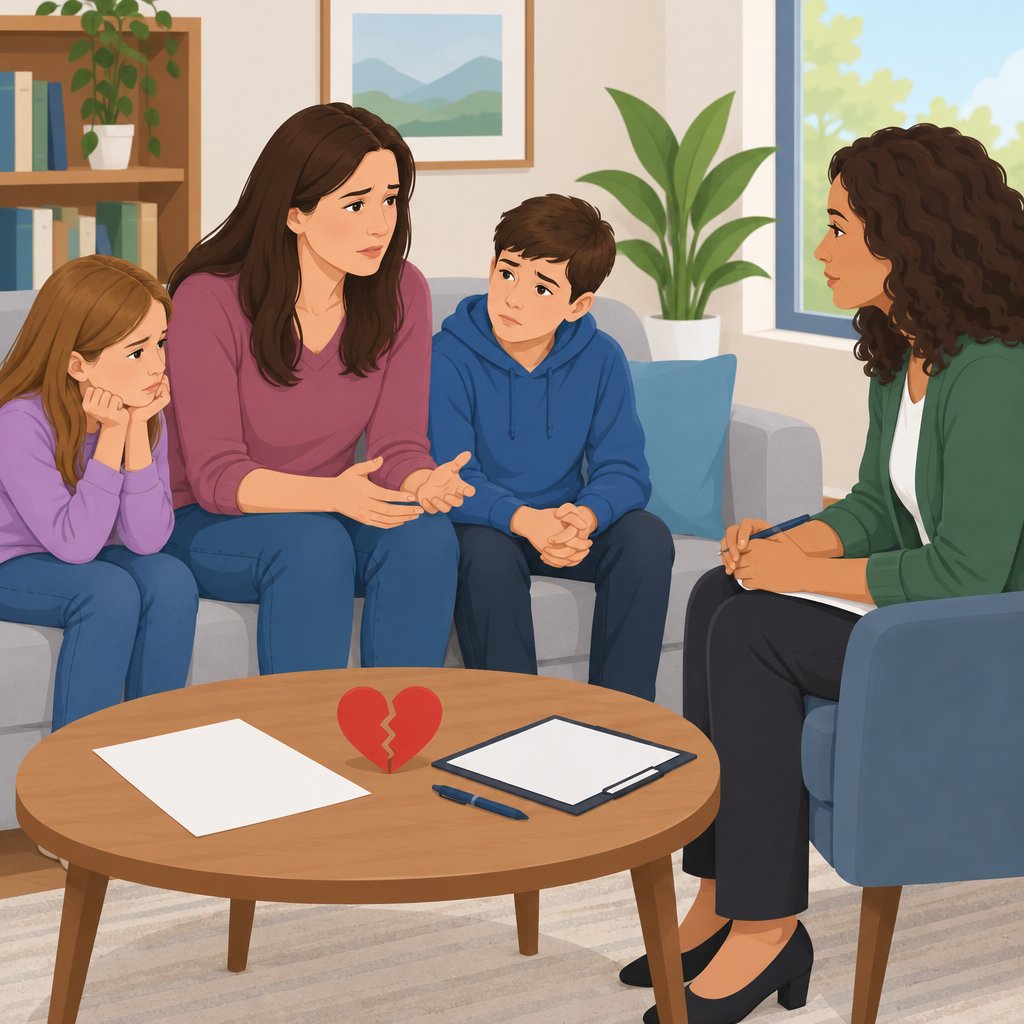
Emotional Development and Regulation
Witnessing violence can deeply affect a child’s emotional well-being.
Children may feel fear, anxiety, guilt, and helplessness after traumatic incidents.
These emotions may cause dysregulation, behavioral problems, and difficulty forming secure caregiver attachments.
Effects on Academic Performance
Emotional distress and cognitive difficulties may hinder a child’s academic progress.
Trauma can interfere with concentration, classroom participation, and engagement in school activities.
Therefore, children may experience poor performance, absenteeism, and learning difficulties.
Consequences for Well-Being
Repeated exposure to domestic violence can affect many areas of a child’s well-being.
Children may develop headaches, stomachaches, sleep disturbances, depression, anxiety, or post-traumatic stress disorder.
These challenges can affect quality of life, relationships, and future outcomes.
Support for Children After Trauma
Parents, caregivers, and professionals should recognize possible signs of domestic violence exposure.
They can provide support and resources that help children heal from traumatic experiences.
With appropriate support, children can pursue healthier development despite difficult experiences.
Transform Your Career Today
Unlock a personalized career strategy that drives real results. Get tailored advice and a roadmap designed just for you.
Start NowDelve into the Subject: Impact of Housing Coordinators on Local Communities
Breaking the Intergenerational Cycle of Violence
Children who witness domestic violence are more likely to perpetuate violence in their own relationships.
This cycle harms children and society as a whole.
It can perpetuate abuse and dysfunction within families.
- Educational programs can teach healthy relationship skills and help break this cycle.
- Therapy for children and caregivers can provide effective support.
- Shelters and hotlines can provide safety, support, and resources.
Consequently, the cycle can create a ripple effect across communities.
Early action and necessary support can help create safer environments for future generations.
Learn More: Challenges Faced by Child Welfare Specialists
Protective Factors and Resilience in Children
- Strong relationships with supportive adults
- Access to counseling services
Supportive adults help children cope with domestic violence.
They listen, validate feelings, and provide safe spaces for children to express themselves.
Consequently, children can better navigate difficulties associated with domestic violence.
Counseling services give children opportunities to process their experiences in therapeutic settings.
Through counseling, children can learn healthy coping mechanisms and understand their emotions better.
Additionally, they can work through challenges resulting from domestic violence.
Many children show remarkable resilience despite adversity and trauma.
They can bounce back, adapt, and thrive in difficult circumstances.
Furthermore, caring adults, innate strengths, and available resources can strengthen this resilience.
Ways to Support Children Affected by Domestic Violence
Children affected by domestic violence need empathy, consistency, and practical support.
Caregivers and educators can respond with patience while respecting each child’s unique experience.
These strategies can help create a safer and more nurturing environment for vulnerable children.
- Listen to children and validate their feelings without judgment.
- Encourage open communication and create a safe space for children to express themselves.
- Provide stability and routine to help children feel secure and grounded.
- Seek professional help, such as therapy or counseling, for the child and family.
- Teach children about healthy relationships and boundaries to help prevent future violence.
- Connect children with support groups or community resources for additional support.
- Model healthy behaviors and coping mechanisms to demonstrate positive ways to manage stress.
Parents, caregivers, and educators can support children by applying these approaches consistently.
However, each child may need different forms of support.
Empathetic and proactive care can help children feel safer and better supported.
Emotional and Social Consequences for Children
Children exposed to domestic violence often experience emotional and psychological trauma.
This exposure can cause behavioral issues, anxiety, and post-traumatic stress disorder.
Furthermore, witnessing violence can affect a child’s ability to form healthy relationships later.
Meanwhile, domestic violence can influence academic performance and overall well-being.
Consequently, children may blame themselves and experience guilt or shame.
However, constant fear can hinder development and weaken a child’s sense of security.
Therefore, children can suffer greatly even when violence does not involve them directly.
Adults must recognize signs of distress and provide children with appropriate support.
Finally, breaking the cycle of violence remains essential for protecting future generations.
Protecting Children’s Mental and Emotional Well-Being
Domestic violence profoundly affects children’s mental, emotional, and social development.
Education about this issue helps adults create safer environments for children.
Adults must act decisively to support and protect children affected by domestic violence.


