




Introduction
Heavy equipment operators play vital roles in construction, mining, and transportation.
Technology continues to advance.
Consequently, the job market constantly evolves.
Heavy Equipment Operator Job Market
The heavy equipment operator job market remains highly competitive.
The market shows growing demand for skilled professionals who operate various machines.
These machines include excavators and bulldozers.
Operators maneuver heavy equipment safely and efficiently.
Importance of Understanding Job Market Trends
Understanding job market trends helps operators remain competitive.
Operators can track technology developments, safety regulations, and industry demands.
This knowledge helps them prepare for opportunities that arise.
Current Demand for Heavy Equipment Operators
The current job market for heavy equipment operators continues to show strong demand.
Employers actively seek skilled operators to meet workforce needs.
Construction, mining, and transportation companies report especially high demand.
Job Growth Statistics for the Industry
Recent data indicates continued growth across the heavy equipment operator job market.
The Bureau of Labor Statistics predicts a 10% increase in job opportunities by 2028.
This projected growth exceeds the average for all occupations.
Factors Driving Operator Demand
Several industry trends continue to increase the need for qualified heavy equipment operators.
Infrastructure development and economic expansion support additional construction and development projects.
Meanwhile, workforce retirements and evolving equipment require new operators with specialized skills.
- Infrastructure projects have increased demand for heavy equipment operators nationwide.
- Many experienced operators are retiring, creating openings for new workers.
- Advanced equipment technology requires operators who can operate and maintain modern machinery.
- Economic growth has produced more construction and development projects.
- Cranes, bulldozers, and other specialized equipment require highly trained operators.
These conditions create abundant opportunities for people entering the heavy equipment field.
Skilled operators can pursue employment across several industries with continuing workforce demand.
Emerging Technologies in Heavy Equipment Operation
The heavy equipment industry constantly evolves as new technologies enter the workplace.
These advancements aim to improve efficiency across heavy equipment operations.
They also support safer working conditions for equipment operators.
Impact of Automation and Robotics
Automation and robotics have significantly influenced the heavy equipment operator job market.
Automated systems help operators complete tasks with greater precision and accuracy.
Meanwhile, robotics allow operators to control equipment remotely.
As a result, remote operation can reduce the risk of accidents and injuries.
Additionally, automation and robotics can reduce human error during heavy equipment operations.
These technologies streamline processes and minimize the chances of mistakes.
Consequently, operators can support greater productivity and efficiency.
Skills Needed to Adapt to New Technologies
As the industry adopts new technologies, operators must develop skills that support continued competitiveness.
Operators also need to understand how automated systems and robotics affect their work.
Several skills can help operators work effectively with these evolving technologies.
- Technical proficiency helps operators understand and use their equipment effectively.
- Problem-solving abilities help operators troubleshoot automated systems and maintain productivity.
- Adaptability helps operators learn new technologies as the industry evolves.
- Collaboration helps operators communicate effectively with technology and other team members.
- Safety consciousness helps operators prioritize protocols that prevent accidents and injuries.
By developing these skills, heavy equipment operators can pursue success in a technology-influenced job market.
Discover More: How to Choose a Reliable and Skilled Surveyor
Training and Certification Requirements
- Aspiring heavy equipment operators need proper education and training programs.
- These programs provide hands-on experience and practical skills for operating heavy machinery.
- Additionally, rigorous training helps operators work safely and efficiently.
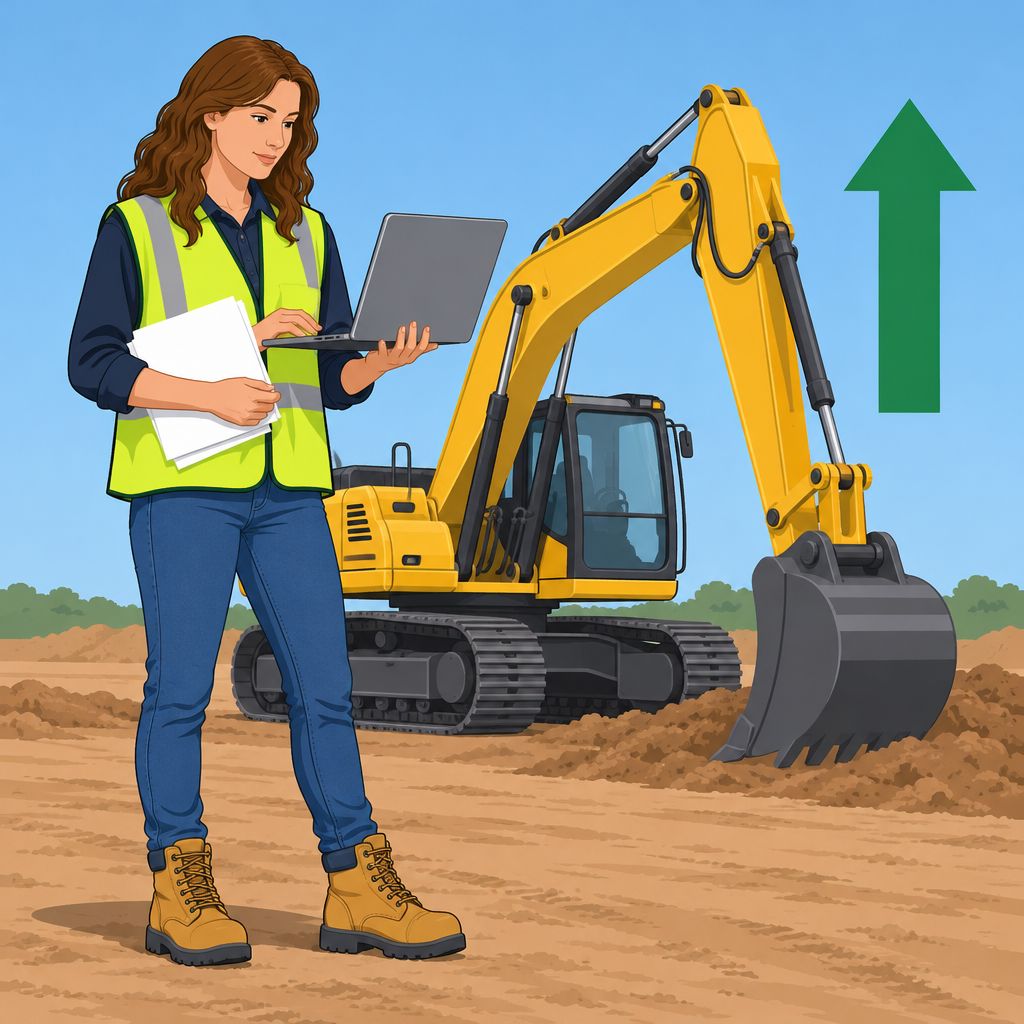
Benefits of Education and Training Programs
- Education and training programs help operators understand different equipment’s technical aspects.
- Moreover, hands-on instruction lets operators practice using machinery in controlled environments.
- Proper preparation reduces accident risks and supports strong job site performance.
Certifications That Strengthen Job Market Competitiveness
- Certifications for specific heavy equipment types can make operators more appealing to employers.
- Furthermore, certified operators demonstrate greater expertise and may secure more job opportunities.
- Standard credentials such as NCCCO and OSHA 10 can improve an operator’s industry marketability.
You Might Also Like: Exploring Historical Landscape Architecture Styles
Salary and benefits strongly influence job market trends for heavy equipment operators.
Current compensation varies according to experience, location, and equipment specialization.
Employers also use benefits packages to attract and retain skilled operators.
Transform Your Career Today
Unlock a personalized career strategy that drives real results. Get tailored advice and a roadmap designed just for you.
Start NowSalary Trends for Heavy Equipment Operators
Entry-level operators can earn approximately $30,000 to $40,000 annually.
More experienced operators may earn between $60,000 and $70,000 each year.
Specialized equipment skills can support higher salaries because they require additional expertise.
- Heavy equipment operator salaries differ based on experience, location, and equipment type.
- Operators with entry-level experience may earn approximately $30,000 to $40,000 annually.
- Experienced operators can earn approximately $60,000 to $70,000 per year.
- Crane and bulldozer operators may earn more because their work requires specialized skills.
- Unionized operators often receive higher salaries than non-unionized workers.
Benefits Offered by Employers in the Industry
Employers commonly provide benefits that help attract and retain qualified heavy equipment operators.
Health insurance, dental coverage, vision coverage, and retirement plans frequently appear in benefits packages.
Some employers add bonuses, profit-sharing opportunities, tuition reimbursement, or wellness programs.
- Health insurance can support operators and their families.
- Dental and vision coverage can supplement standard health benefits.
- Retirement savings plans can help operators prepare for long-term financial needs.
- Paid time off provides employees with scheduled personal and recovery time.
- Bonuses and profit-sharing opportunities may increase total compensation.
- Tuition reimbursement and wellness programs can provide additional workplace support.
- Unionized operators typically receive more comprehensive benefits through collective bargaining agreements.
Market demand, industry growth, and labor supply continue to influence compensation trends.
As construction and mining expand, employers may continue improving salaries and benefits for skilled operators.
Explore Further: Balancing Speed and Quality in Housekeeping
As demand for heavy equipment operators rises, the future job market appears promising.
Job Market Outlook for the Future
Construction growth will increase the need for skilled heavy equipment operators.
Infrastructure expansion will create additional opportunities for heavy equipment operation.
Mining and oil projects will continue supporting demand for experienced operators.
- Agricultural operations will require operators to manage advanced farming machinery.
- Construction companies will need operators for expanding projects and related activities.
- Infrastructure projects will create more positions for qualified equipment operators.
- Mining and oil operations will seek operators for ongoing industry projects.
Opportunities for Advancement and Specialization
Growing demand will provide operators with several paths for professional advancement.
Experienced operators can pursue supervisory or managerial responsibilities on worksites.
Specialized training can help operators qualify for focused positions and higher pay.
- Experienced operators can supervise teams or manage onsite operations.
- Operators can specialize in cranes, bulldozers, or other heavy equipment.
- Training programs and certifications can strengthen skills for specialized positions.
- Operators can learn to manage automated or remote-controlled machinery.
These trends create a favorable future for heavy equipment operators across several industries.
Learn More: Landscape Architect's Guide to Xeriscaping
Challenges Faced by Heavy Equipment Operators
Heavy equipment operators face demanding physical conditions during their daily work.
They must also follow strict safety requirements while protecting themselves and nearby workers.
Therefore, physical readiness and careful compliance support safe job performance.
Physical Demands of the Job
Operators perform repetitive movements that can strain their muscles and joints.
Additionally, prolonged sitting or standing can cause back and leg discomfort.
Extreme weather also creates risks that require operators to protect their health.
- Heavy lifting and repetitive movements can strain muscles and joints.
- Prolonged sitting or standing can lead to back and leg discomfort.
- Extreme weather can cause heat exhaustion or frostbite.
- Equipment vibrations can cause hand-arm vibration syndrome, also called HAVS.
- Constant loud noise exposure can cause hearing loss over time.
Safety Concerns and Industry Regulations
Operators must follow strict safety protocols to reduce accidents.
Furthermore, regular training helps operators understand updated safety regulations.
Effective communication and equipment inspections also help teams identify potential hazards.
- Operators must follow strict safety protocols to prevent accidents.
- Regular maintenance helps prevent equipment malfunctions during operation.
- Updated safety training keeps operators informed about current requirements.
- Clear communication helps prevent collisions and accidents on construction sites.
- Operators must comply with OSHA regulations and industry standards.
- Operators must understand traffic signals and site signage.
- Daily inspections help operators identify potential equipment hazards.
- Operators must wear helmets, goggles, and reflective vests.
These challenges require operators to balance physical endurance with consistent safety awareness.
By following regulations and maintaining their equipment, operators can reduce workplace risks.
They can also support their well-being by addressing physical strain and environmental hazards.
Staying Informed About Heavy Equipment Careers
Heavy equipment professionals benefit from tracking job market trends.
Current demand reveals which skills and certifications employers value.
That knowledge helps operators pursue opportunities and strengthen their careers.
Key Career Insights
Operators should monitor changing industry expectations.
Market information helps individuals plan their professional development.
It also helps professionals identify ways to remain competitive.
- Heavy equipment operators should stay current with industry trends.
- Understanding job market demands can support career advancement.
- Some opportunities require specific skills and certifications.
- Industry awareness can give professionals a competitive advantage.
Career Planning Through Industry Awareness
Professionals can use market information to make strategic career decisions.
They may pursue additional training when employers seek new qualifications.
They can also explore opportunities that match their skills and certifications.
Additional Resources
Google search results for Heavy Equipment Operator Job Market Trends Construction and Manual Labor
Transform Your Career Today
Unlock a personalized career strategy that drives real results. Get tailored advice and a roadmap designed just for you.
Start NowBing search results for Heavy Equipment Operator Job Market Trends Construction and Manual Labor


