




Extension Agents in Agriculture and Community Development
Extension agents support agriculture and community development.
They disseminate information and provide training.
They also facilitate technology transfer.
Strong skills help extension agents build relationships and foster trust.
These abilities help agents positively influence farmers and communities.
Communication Skills for Extension Agents
Effective communication helps agents convey information clearly.
It also helps them communicate concisely with diverse audiences.
Moreover, listening helps agents understand farmers’ needs and challenges.
Technical Knowledge in Agricultural Extension
Extension agents need solid knowledge of agricultural practices, techniques, and technologies.
This knowledge enables them to provide accurate information.
Continuous learning keeps agents informed about agricultural advancements.
Problem-Solving Skills for Agricultural Challenges
Extension agents face challenges involving crop diseases and market fluctuations.
They must analyze situations and recommend practical solutions.
Critical thinking and creativity help agents address complex problems effectively.
Interpersonal Skills for Building Trust
Extension agents build relationships with farmers, stakeholders, and community members.
Empathy helps agents understand the experiences of diverse groups.
Cultural sensitivity and adaptability help agents establish trust and rapport.
Time Management for Extension Work
Extension agents often manage field visits and workshops.
Effective time management helps them meet deadlines and commitments.
Prioritizing tasks and setting goals keeps agents productive and focused.
Maintaining balance between work and personal life supports sustainable productivity.
Communication Skills
- Ability to effectively communicate with farmers, stakeholders, and community members.
- Active listening skills to understand needs and concerns.
- Tailoring communication style to different audiences.
Communication skills help extension agents connect clearly with farmers, stakeholders, and community members.
These skills help agents explain information, understand concerns, and encourage meaningful participation.
Furthermore, effective communication supports trust and cooperation during agricultural programs.
Effective Communication
Extension agents must communicate clearly and concisely with the people they serve.
They should present important information in ways that farmers can understand and apply.
For example, agents may explain agricultural techniques or clarify government regulations.
Active Listening
Effective agents also practice active listening during conversations with farmers and community members.
They pay close attention to expressed needs, questions, and concerns.
As a result, agents can respond appropriately and develop stronger professional relationships.
Tailoring Communication
Extension agents communicate with audiences who have different experiences and responsibilities.
Therefore, they should adjust their language, tone, and examples for each audience.
This approach helps agents make their messages clearer, more relevant, and easier to use.
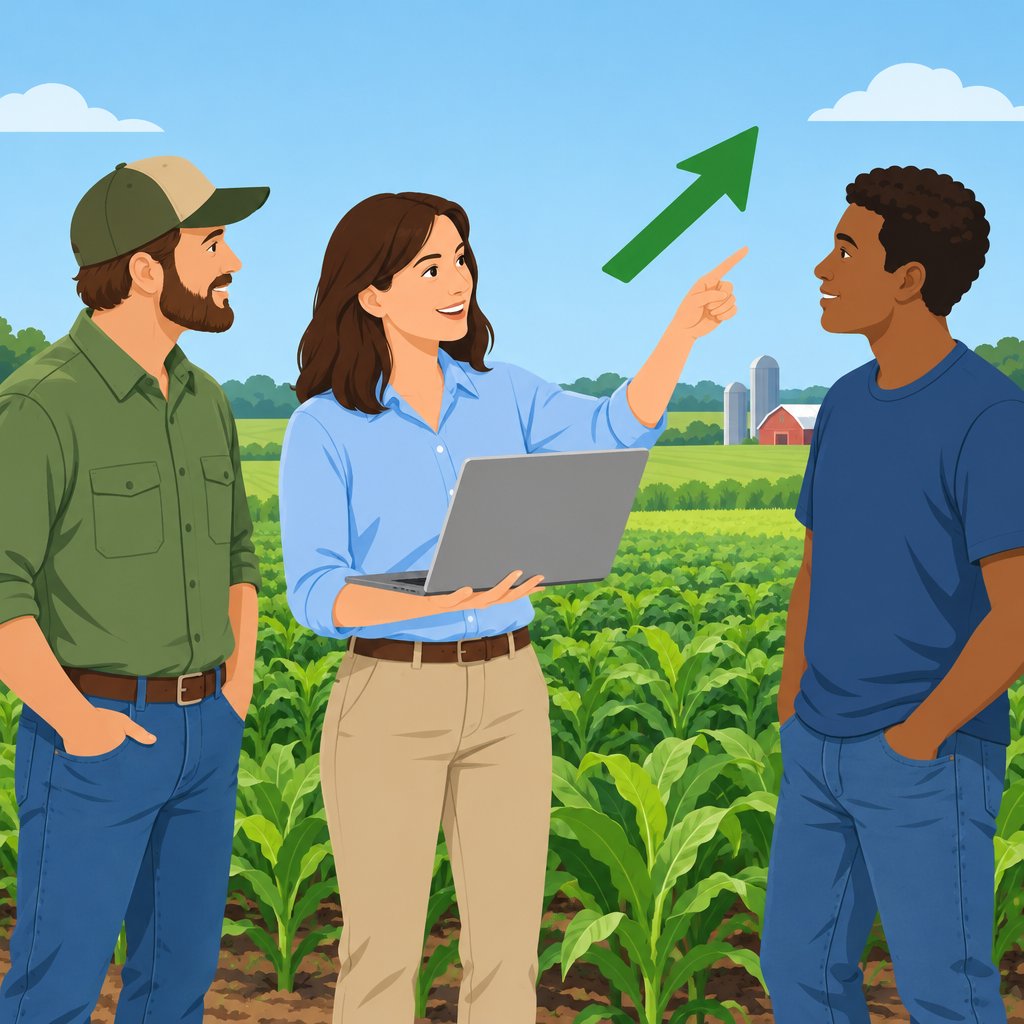
Building Relationships
Strong communication helps extension agents build relationships with farmers and stakeholders.
By remaining approachable, responsive, and empathetic, agents can strengthen trust within the community.
Consequently, community members may participate more actively in agricultural practices and programs.
Effective communication therefore gives extension agents a practical foundation for positive work in the agricultural sector.
Technical Knowledge
Technical knowledge helps extension agents support farmers and advance agriculture within their communities.
It combines practical methods, local awareness, and current information about agricultural developments.
Consequently, agents can offer relevant guidance while helping farmers improve productivity and sustainability.
Transform Your Career Today
Unlock a personalized career strategy that drives real results. Get tailored advice and a roadmap designed just for you.
Start Now- Understanding agricultural practices and techniques supports effective farm guidance.
- Knowledge of local and regional farming practices helps agents address specific challenges.
- Awareness of new technologies and advancements keeps agricultural recommendations current.
Understanding agricultural practices and techniques: Extension agents need strong knowledge of modern agricultural practices and techniques.
They should understand crop rotation, soil health, pest management, and irrigation methods.
This knowledge enables agents to explain practical approaches that support effective farm management.
Knowledge of local and regional farming practices: Agents must understand farming practices used throughout their local and regional areas.
Therefore, they can provide targeted advice that reflects farmers’ circumstances and challenges.
Local knowledge also helps agents connect agricultural guidance with established farming practices.
Keeping up-to-date with new technologies and advancements: Agriculture continues to develop through new technologies and advancements.
Extension agents must follow these developments to share current and effective agricultural strategies.
By expanding their technical knowledge, agents can better serve communities and support successful farm operations.
Find Out More: Challenges of Organic Grape Production
Problem-Solving Skills
Extension agents must identify the specific challenges that farmers face in their daily agricultural operations.
These challenges may involve pest infestations, soil fertility, climate conditions, or market access.
Agents also need practical strategies that help farmers improve their agricultural productivity.
- Identifying and Addressing Farmer Challenges
- Developing Creative Agricultural Solutions
- Implementing Effective Strategies
First, extension agents carefully assess the problems affecting farmers and their agricultural practices.
They then develop suitable responses for pest infestations, soil fertility issues, climate challenges, and market constraints.
Creative thinking helps agents introduce new farming techniques, recommend appropriate inputs, or suggest alternative crops.
However, effective problem-solving requires more than identifying issues and proposing possible solutions.
Agents must implement their strategies carefully and work closely with farmers throughout the process.
For example, they may demonstrate practices, provide training sessions, and conduct follow-ups.
These activities help agents support farmers as they address challenges and improve agricultural productivity.
Therefore, strong problem-solving skills enable extension agents to create meaningful results for farming communities.
Uncover the Details: How to Improve Irrigation Efficiency on a Budget
Organizational Skills
- Managing multiple projects and tasks efficiently
- Prioritizing responsibilities to meet deadlines
- Keeping accurate records and documentation
Effective extension agents use organizational skills to manage varied responsibilities successfully.
They coordinate tasks, manage resources, and respond efficiently to community needs.
Furthermore, strong organization improves productivity and supports timely project completion.
Managing Multiple Projects and Tasks Efficiently
Extension agents often handle several projects at the same time.
They prioritize tasks according to importance, required resources, and deadlines.
By coordinating their workload carefully, agents complete projects on schedule and achieve desired outcomes.
Prioritizing Responsibilities to Meet Deadlines
Meeting deadlines remains a critical responsibility for extension agents.
Agents assess urgency and importance before arranging their responsibilities.
Consequently, clear priorities help them complete tasks promptly without reducing work quality.
Keeping Accurate Records and Documentation
Accurate records help extension agents track activities, progress, and project outcomes.
They maintain current documentation about projects and community interactions.
These records support stakeholder reporting and help agents make informed decisions based on data.
Strong organizational practices help extension agents serve communities more productively and efficiently.
Moreover, consistent planning allows agents to balance competing responsibilities effectively.
Accurate documentation also demonstrates the impact of their work.
Gain More Insights: Extension Agent Resources for Small Farms
Flexibility and Adaptability
Extension agents bridge research and community needs.
They need flexibility and adaptability to perform their duties effectively.
Transform Your Career Today
Unlock a personalized career strategy that drives real results. Get tailored advice and a roadmap designed just for you.
Start NowThese skills help agents respond to changing circumstances and serve varied communities.
- Willingness to Adapt to Changing Situations
- Ability to Work in Diverse Environments and Communities
- Openness to New Ideas and Approaches
Work environments can change rapidly.
Therefore, agents must adjust quickly while continuing to provide valuable community services.
Extension agents also work with people from different backgrounds, cultures, and communities.
This diversity requires sensitivity and confidence when agents navigate different community environments.
Additionally, agents should welcome new ideas and approaches within their field.
Such openness helps them embrace innovation and remain relevant in their work.
By adapting effectively, extension agents can meet community needs and create positive impacts.
Gain More Insights: Environmental Impact of Pest Control Methods
Leadership and Teamwork
Effective extension agents need strong leadership and teamwork skills.
These skills help agents engage successfully with farmers and community members.
- Inspiring and motivating farmers and community members fosters growth and development.
- Additionally, collaboration helps agents and stakeholders share resources and knowledge.
- Leading by example creates a positive environment and builds community trust.
By demonstrating leadership and teamwork, extension agents create supportive, collaborative environments for everyone involved.
Data Analysis and Reporting
Extension agents collect and analyze data to make informed program decisions.
Data gathering helps agents identify trends, patterns, and areas for improvement.
Accurate, current information helps agents tailor their approach to audience needs.
- Agents use data to identify trends and patterns within their programs.
- They also use findings to locate areas that require improvement.
- Accurate information helps agents address their audiences’ needs more effectively.
Agents also report findings and progress to stakeholders.
- Stakeholders use these reports to understand program impact and effectiveness.
- Transparent reporting builds trust and accountability among stakeholders.
- Clear data insights help stakeholders make informed decisions and allocate resources effectively.
Agents use data to measure the impact and effectiveness of extension programs.
- Quantitative and qualitative data help agents evaluate program success.
- Data analysis helps agents track outcomes and assess performance.
- Evidence-based adjustments help agents improve their strategies.
Regular monitoring helps programs remain relevant, impactful, and sustainable.
Therefore, data analysis and reporting support evidence-based decisions, stakeholder engagement, and program evaluation.
Continuous Learning and Improvement
- Seeking professional development opportunities
- Reflecting on experiences and learning from mistakes
- Being proactive in improving skills and knowledge
Continuous learning and improvement help extension agents remain relevant and effective in their roles.
By seeking professional development opportunities, agents acquire skills and knowledge that strengthen community service.
Moreover, reflection helps agents learn from experiences and recognize mistakes.
This process enables them to identify areas for growth and address shortcomings.
Agents can also pursue additional training, attend workshops, or participate in mentoring programs.
These activities help agents proactively improve their skills and expand their knowledge.
As agents continue developing, they provide stronger support to clients and communities.
Their commitment to growth demonstrates professionalism and dedication to making a positive impact.
Professional Growth for Extension Agents
Successful extension agents combine communication, adaptability, problem-solving, networking, agricultural knowledge, and technology proficiency.
Ongoing training keeps agents updated and strengthens their existing skills.
It also introduces new techniques for their work.
Agents can embrace challenges and seek mentorship to support continued growth.
They can attend workshops and stay connected with industry experts.
Additional Resources
Google search results for Key Skills for Successful Extension Agents Agricultural
Bing search results for Key Skills for Successful Extension Agents Agricultural


