




Introduction
Dock workers experience significant changes today.
Technological advances have revolutionized the industry.
These advances change how workers perform tasks in ports and warehouses worldwide.
Technological Advances in Dockyards
Automation has transformed how workers perform tasks in dockyards.
Robotics has streamlined processes and increased productivity.
Artificial intelligence has also enhanced safety measures for workers.
Technology’s Importance in the Workplace
Technology helps dock workers handle larger cargo volumes.
It enables workers to improve speed and accuracy.
Additionally, technology reduces physical strain and minimizes injury risks.
Automation in Ports
Automation in ports uses technology to streamline operational processes.
This technology includes software, robotics, and advanced machinery.
These systems help ports manage cargo movement and inventory more efficiently.
Automated Systems in Port Operations
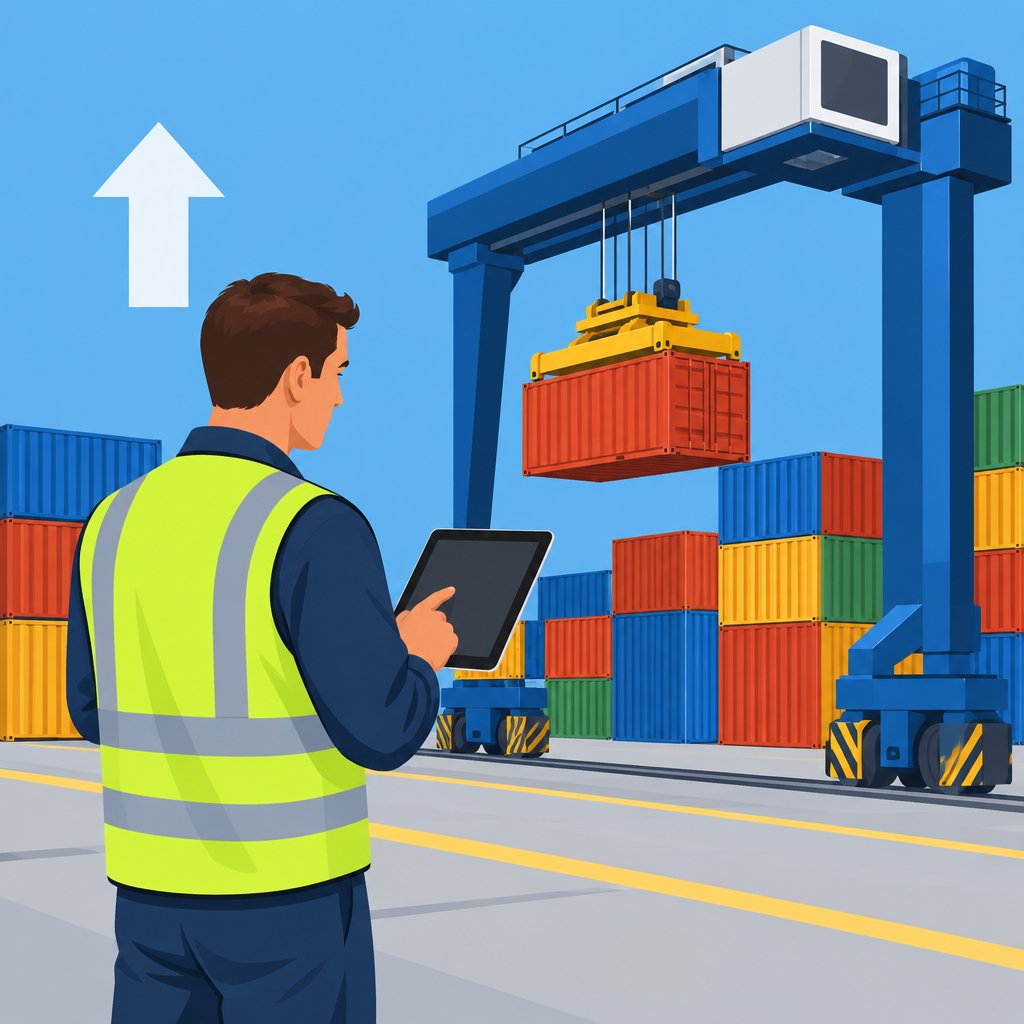
Automated cranes load and unload cargo from ships.
Automated guided vehicles transport containers within the port.
Automated inventory systems help manage cargo records.
Impact on Dock Workers
Automation has significantly changed the duties of dock workers.
Machines now perform some tasks that workers previously handled.
However, people still perform important roles throughout the industry.
Workers must adapt to operating alongside automated systems.
They also need skills for operating and maintaining port technology.
Advantages and Disadvantages of Port Automation
Automated systems can improve port performance in several ways.
They can also create challenges for workers and port operators.
The following benefits and drawbacks describe automation’s effects on port operations.
Advantages:
- Automated systems can work faster and more accurately than humans, shortening ship turnaround times.
- Automation removes people from hazardous tasks and can reduce workplace accidents.
- Automated processes can lower labor costs and increase profitability for port operators.
Disadvantages:
- Automation can displace dock workers whose tasks machines now perform.
- Workers may need training to operate and support automated systems.
- System malfunctions can cause delays and disrupt port operations.
Use of Drones in Cargo Inspection
Drones give inspectors a bird’s eye view of cargo.
They reach difficult areas and support more thorough inspections.
Moreover, onboard cameras provide detailed images for analysis.
- Drones provide a bird’s eye view of cargo, facilitating quick visual inspections.
- They can access hard-to-reach areas, enhancing the thoroughness of inspections.
- Drones equipped with cameras can capture high-resolution images for detailed analysis.
- Real-time monitoring allows immediate detection of irregularities or damages.
- Automating inspections minimizes the manual work required from dock workers.
Benefits of Using Drones
Drones help inspection teams complete cargo checks more quickly.
They perform repeated inspections without requiring additional manpower.
As a result, dock operations can reduce delays and improve productivity.
- Drones increase inspection efficiency through faster turnaround times.
- They provide a cost-effective option for completing multiple inspections.
- Improved accuracy helps identify damaged goods and faulty packaging.
- The inspection process becomes more streamlined, reducing operational downtime.
- Inspection data supports cargo tracking and monitoring within the dockyard.
How Drones Improve Efficiency
Drones reduce the time and labor needed for manual inspections.
They also collect consistent information, which can limit human error.
Furthermore, shared results help dock workers coordinate inspection activities.
- Drones reduce manual inspection work, saving time and labor costs.
- Precise and consistent data reduces the likelihood of human error.
- Teams can inspect multiple areas simultaneously, increasing throughput.
- Real-time results improve communication between dock workers.
- Existing systems can manage and report inspection data efficiently.
Safety Concerns for Dock Workers
Drones can create workplace risks if operators do not control them carefully.
Operators need training to handle drones safely around workers and cargo.
Regular testing and maintenance can help prevent equipment malfunctions.
- Collisions may occur if drones lack effective obstacle avoidance programming.
- Operators require training for safe drone handling and operation.
- Drones may create privacy concerns when they capture sensitive information.
- Operators must follow regulations and guidelines that protect worker safety.
- Regular maintenance and testing can reduce risks caused by malfunctions.
Discover More: How to Conduct Effective Logistics Audits
RFID Technology for Tracking Shipments
RFID stands for Radio Frequency Identification.
It uses radio waves to identify and track objects.
Transform Your Career Today
Unlock a personalized career strategy that drives real results. Get tailored advice and a roadmap designed just for you.
Start NowTags contain electronically stored information, while readers capture the data.
RFID technology provides real-time visibility into shipment locations and statuses.
As a result, dock workers can scan tags easily and receive accurate shipment data.
This visibility helps workers monitor inventory levels and speed shipment handling.
Additionally, RFID eliminates manual data entry during tracking.
Therefore, it reduces human errors in shipment and inventory records.
The improved accuracy saves dock workers time and reduces costs.
See Related Content: Freight Agent Career Paths and Specializations
Augmented Reality in Dock Worker Training
AR is becoming increasingly prevalent across industries, including shipping and logistics.
Dock workers can use AR to strengthen their preparation for demanding workplace tasks.
This technology offers immersive practice while supporting safer and more effective training.
Training Dock Workers with AR
Traditionally, dock worker training combined classroom instruction with on-the-job experience.
However, AR creates a more immersive and interactive learning experience for workers.
The technology superimposes digital information onto the physical environment.
Workers can therefore visualize complex tasks and scenarios in realistic settings.
AR-enabled programs also let workers practice tasks within safe, controlled environments.
This simulated practice helps workers recognize challenges they may encounter during work.
As a result, workers can improve their performance and efficiency.
Learning Improvements Through AR
AR training programs provide interactive modules that help workers acquire skills and knowledge effectively.
Moreover, personalized modules allow workers to learn at their own pace.
Workers can revisit difficult concepts whenever they need additional practice.
This tailored approach increases engagement and strengthens understanding of training material.
Furthermore, trainers can assess worker progress and performance more accurately.
AR simulations track worker interactions and reveal areas requiring additional support.
Consequently, trainers can provide more efficient and targeted instruction.
Practical Applications for Dock Worker Training
AR can teach workers to operate heavy machinery safely.
It can also guide workers through emergency response procedures.
For example, workers can practice hazardous scenarios without facing actual danger.
This preparation helps workers respond quickly and effectively during real-life situations.
Additionally, AR can supplement manuals and instructional videos.
Visual demonstrations can make key concepts and procedures easier to understand.
These interactive lessons also encourage continuous learning and improvement.
Supporting Safer and More Efficient Port Operations
Immersive AR practice can prepare dock workers for challenging responsibilities.
Workers gain practical experience without unnecessary exposure to hazardous conditions.
Therefore, AR has the potential to improve training quality, safety, and operational efficiency.
Delve into the Subject: Understanding the Role of Transportation Security Screeners
IoT Devices for Predictive Maintenance
IoT devices help dock workers streamline operations and improve efficiency.
They also support predictive maintenance through continuous equipment monitoring.
Moreover, real-time data helps workers identify maintenance needs before failures disrupt operations.
- Preventive maintenance using IoT
- Cost-saving benefits
- Ensuring equipment reliability
Predictive maintenance uses IoT data to reveal possible equipment failures early.
Transform Your Career Today
Unlock a personalized career strategy that drives real results. Get tailored advice and a roadmap designed just for you.
Start NowAs a result, dock workers can address maintenance needs before equipment stops operating.
Additionally, early maintenance planning helps dock operations avoid costly repairs and downtime.
IoT devices continuously track equipment health and performance.
This proactive monitoring helps workers keep machinery operating at optimal levels.
Therefore, continuous oversight reduces the risk of unexpected equipment breakdowns.
Delve into the Subject: Port Operations Manager: Role in Customs Clearance
Blockchain, a decentralized and secure digital ledger, has revolutionized supply chain operations.
It has also significantly impacted dock workers.
Moreover, the technology can improve transparency and efficiency throughout supply chain processes.
Blockchain Improvements in Supply Chain Visibility
- Blockchain transparency enables real-time product tracking throughout the supply chain.
- Additionally, blockchain-based smart contracts automate processes, reduce errors, and increase accountability.
- Immutable blockchain records make data manipulation nearly impossible, strengthening supply chain trust and integrity.
Blockchain’s Impact on Dock Workers
- With blockchain, dock workers access real-time shipment data and streamline daily operations.
- Furthermore, blockchain reduces manual paperwork, saves time, and lowers the risk of worker errors.
- Improved visibility also strengthens communication between dock workers and other supply chain stakeholders.
Blockchain Support for Shipment Integrity
- Blockchain’s transparent, tamper-proof structure protects shipment integrity and reduces fraud or theft risks.
- Additionally, secure data exchange improves the authenticity of shipment-related information.
- Blockchain traceability helps dock workers verify product origins, journeys, and regulatory compliance.
Therefore, blockchain technology delivers significant benefits for dock workers across supply chain operations.
It improves visibility, supports coordination, and reduces administrative burdens.
It also helps workers protect shipment integrity while interacting with industry stakeholders.
Wearable Technology for Safety
Wearable technology has strengthened safety practices throughout the logistics industry.
Dock workers can use these devices to monitor risks while completing demanding tasks.
Moreover, wearable technology supports communication, productivity, and faster responses during workplace emergencies.
Advantages of Wearable Devices
Wearable devices provide workers and supervisors with timely information about workplace conditions.
They also help workers remain aware of potential hazards while maintaining their focus.
Consequently, these devices can support safer work practices and more efficient task completion.
- Wearable devices provide real-time health and safety data, helping workers identify risks early.
- Workers can communicate with supervisors quickly when urgent situations arise.
- Improved safety confidence allows dock workers to concentrate on their assigned tasks.
Safety Support for Dock Workers
Logistics companies can use wearable technology to strengthen protections for dock workers.
These devices monitor physical activity and help identify conditions that may cause injuries.
In addition, wearable systems provide feedback that supports safer habits and workplace training.
- Movement and posture monitoring can alert workers when injury risks develop.
- Emergency alerts can notify supervisors immediately after accidents or medical emergencies.
- Performance feedback helps workers improve their safety practices during training.
Real-Time Monitoring Capabilities
Real-time monitoring gives supervisors timely information about worker locations and conditions.
Health tracking can identify abnormal vital signs before they create serious risks.
Furthermore, automated incident records help companies review accidents and near-misses.
- Location tracking shows supervisors where each worker is operating in real time.
- Health monitoring tracks vital signs and identifies potentially harmful abnormalities.
- Incident reporting records accidents and near-misses for later safety investigations.
By combining monitoring and communication, wearable technology supports safer and more productive dock operations.
Operational Gains from Connected Shipping Tools
Technological advances have drastically changed how dock workers operate each day.
Autonomous vehicles and connected devices improve efficiency and safety across workplace activities.
Consequently, digital tools support more consistent operations for dock workers.
Precision Through Automated Systems
Automated machinery, RFID technology, and AI-driven systems have reshaped shipping operations.
These tools help dock workers handle tasks with greater precision and accuracy.
Together, these systems provide clearer support during operational tasks.
Workplace Effects of Digital Operations
Digital tools increase productivity and streamline daily operations for dock workers.
They also reduce repetitive tasks during routine dock work.
Additionally, stronger safety measures reduce errors and support improved job satisfaction.
Emerging Technologies in Shipping
Shipping companies will continue adopting drones, blockchain, and machine learning.
These technologies will change how dock workers interact with their environment.
As a result, the industry can pursue more efficient and sustainable operations.


