




Workplace safety helps prevent accidents and injuries.
Importance of Safety in the Workplace
A safe environment promotes employee well-being.
It also increases productivity across the workplace.
Effective safety practices help workers avoid preventable accidents and injuries.
Why Dock Workers Need Safety Practices
Dock workers face hazards from heavy equipment and moving vehicles.
Slippery surfaces can also cause dangerous falls.
Therefore, workers must recognize hazards and follow established safety procedures.
Essential Safety Practices for Dock Workers
This guidance provides dock workers with practical ways to prevent accidents.
Workers can protect themselves by using proper equipment and procedures.
Staying alert also supports safer work around machinery, vehicles, and goods.
- Wear appropriate protective equipment, including hard hats, safety boots, and reflective vests.
- Use proper lifting techniques to help prevent strains and injuries.
- Watch your surroundings for moving vehicles and machinery.
- Never overload pallets or containers, because excessive weight can cause injuries and damage.
- Secure loads properly to prevent shifting during transport.
- Keep walkways clear of obstacles to prevent trips and falls.
- Use caution at heights and always wear appropriate fall protection equipment.
- Stay alert while operating machinery or handling goods on the dock.
- Attend regular safety training to maintain current knowledge of procedures.
- Report potential hazards or safety concerns to your supervisor immediately.
Following these practices helps dock workers create safer conditions.
Consistent attention to safety can reduce workplace accidents and injuries.
Proper Safety Gear for Dock Workers
Dock workers need helmets, gloves, and steel-toed boots for protection.
These items protect workers from head injuries, cuts, burns, chemicals, and foot damage.
Additionally, proper gear can reduce injury severity during workplace accidents.
- A helmet protects workers from falling objects.
- Gloves help prevent cuts, burns, and chemical exposure.
- Steel-toed boots guard against foot injuries caused by heavy items.
Safe Lifting Techniques
Dock workers should use correct lifting techniques to handle heavy objects safely.
Proper body mechanics and suitable equipment can support safer lifting practices.
Furthermore, workers should avoid twisting and use team lifting for heavy items.
- Bend at the knees instead of the waist when lifting.
- Keep each load close to your body to reduce back strain.
- Avoid lifting items above shoulder height to prevent strain.
Hazard Communication and Safety Signs
Dock workers must understand hazard communication and safety signs.
Workers should watch for signs that identify potential dangers throughout the workplace.
They should also learn the symbols and warnings associated with different hazards.
- Warning signs alert workers to potential dangers ahead.
- Mandatory signs identify actions workers must take to prevent accidents.
- Prohibition signs identify actions workers cannot take in specific areas.
Training and Supervision for Dock Workers
Every dock worker needs adequate training and supervision.
Training should cover equipment operation, safety protocols, and emergency procedures.
Meanwhile, supervisors should guide workers and monitor safety practices.
- Equipment operation training teaches workers to use machinery and tools safely.
- Emergency response training explains evacuation and first aid procedures.
- Safety protocol training covers protective equipment and workplace safety guidelines.
Proper Lifting Techniques
Improper lifting can seriously injure dock workers.
- Incorrect posture can strain muscles and cause back pain.
- Overexertion from improper lifting can lead to muscle sprains.
- Using the back instead of the legs can cause herniated discs.
Therefore, dock workers should learn and practice proper lifting techniques.
Correct Lifting Techniques for Heavy Objects
When handling heavy objects, workers should follow several steps to reduce strain.
- Bend your knees instead of your back when picking up an object.
- Keep the object close to your body to reduce back strain.
- Avoid twisting your body while carrying the object.
- Use your legs to lift instead of your back muscles.
- Take small steps while carrying the object to maintain balance.
By following these steps, dock workers can reduce injury risks while handling heavy objects.
Importance of Team Lifting for Heavier Loads
Workers should use team lifting when one person cannot safely handle a heavy load.
- Team lifting distributes weight among workers and reduces injury risks.
- It also improves coordination and communication during lifting.
- Working together helps workers move heavy objects carefully and efficiently.
- Furthermore, teamwork supports safer lifting practices in the workplace.
Dock workers should seek assistance whenever a load exceeds one person’s safe lifting capacity.
Gain More Insights: Challenges Faced by Freight Brokers and How to Overcome
Keeping Work Areas Clean and Organized
Cluttered dock workspaces create tripping hazards, falls, and accidents involving heavy equipment or machinery.
Additionally, clutter can obstruct pathways and emergency exits during emergency situations.
Workers may struggle to navigate these areas safely when an emergency occurs.
Regular organization helps workers identify and address potential hazards promptly.
Consequently, clean areas can reduce accident and injury risks.
Organized workspaces also improve efficiency because workers can access tools, equipment, and materials easily.
Workers should keep each item in its designated location.
The following practices support a clean and safe dock workspace.
- Implement a regular cleaning schedule.
- Assign designated areas for tools and equipment.
- Dispose of waste and debris properly.
- Keep walkways clear of obstructions.
- Store flammable materials away from ignition sources.
- Use proper storage containers for hazardous materials.
- Inspect work areas regularly for potential hazards.
- Provide training on proper waste disposal and recycling practices.
These practices help dock workers maintain cleaner and more organized work areas.
Transform Your Career Today
Unlock a personalized career strategy that drives real results. Get tailored advice and a roadmap designed just for you.
Start NowA clean and organized workspace supports safer work for everyone nearby.
See Related Content: The Impact of Technology on Bus Driving Jobs
Safe Use of Dock Equipment
- Importance of using equipment such as forklifts and pallet jacks safely.
- Training requirements for operating machinery on the dock.
- Common safety hazards associated with dock equipment.
Workers can cause accidents when they misuse forklifts and pallet jacks.
Dock workers must learn how to operate these machines correctly.
Improper equipment use can cause serious injuries.
Therefore, workers must follow safety guidelines whenever they use dock equipment.
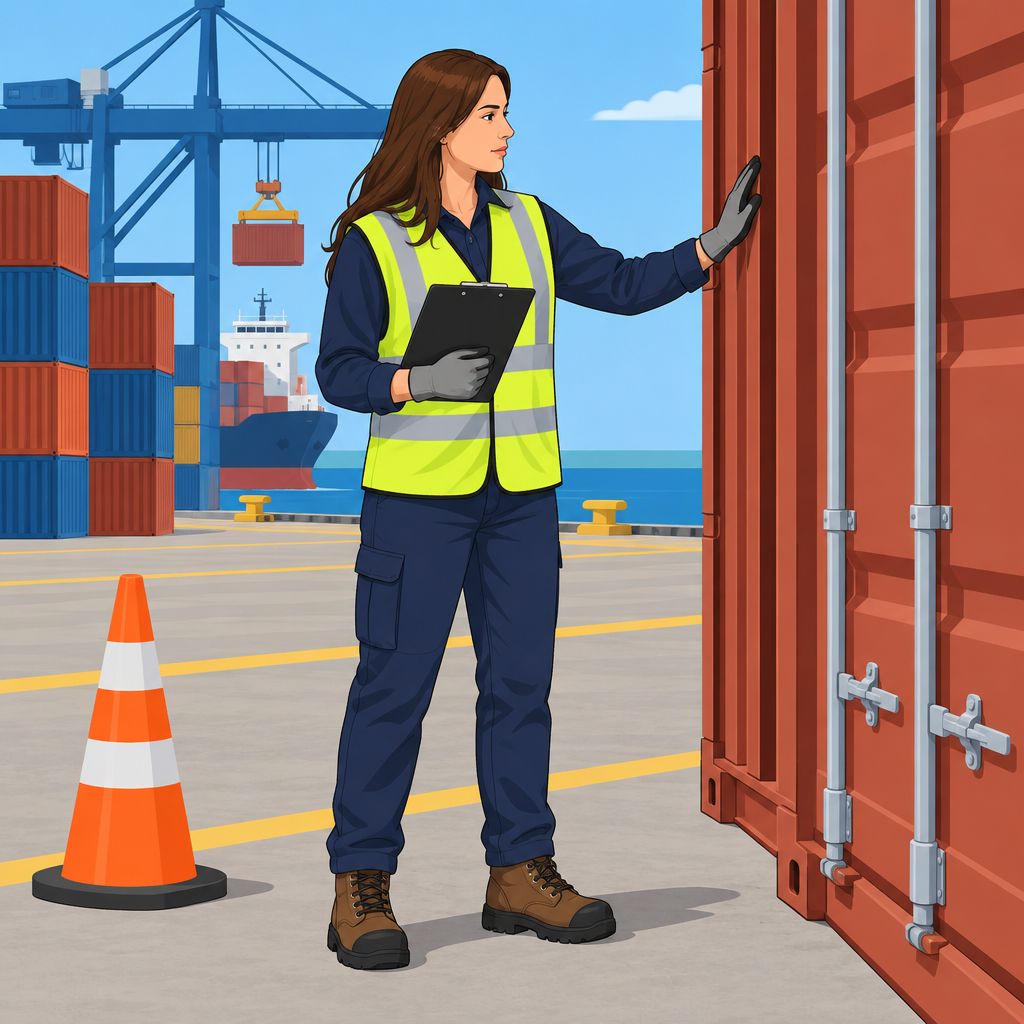
Training Requirements for Dock Machinery
Dock workers should complete thorough training before operating any machinery.
Training programs should explain proper operation, maintenance, and safety protocols.
Workers must earn certification before operating dock machinery.
Regular refresher sessions help workers maintain safe operating practices.
Consequently, training reduces accident risks and supports safer equipment use.
Common Hazards from Dock Equipment
Operators can create slip, trip, and fall hazards when they ignore safety procedures.
Overloaded equipment can become unstable and cause accidents.
Poor maintenance can cause equipment malfunctions and additional safety problems.
Finally, workers who neglect required protective equipment face increased injury risks.
Find Out More: Career Paths for Logistics Technicians in the USA
Proper Loading and Unloading Procedures
Dock workers must follow proper procedures when loading or unloading cargo from ships or trucks.
These procedures protect workers and others nearby from avoidable hazards.
Therefore, workers should prepare carefully before moving any cargo.
- Use appropriate equipment: Select the right tools and equipment for each task.
- Inspect the cargo: Check cargo for damage or defects before loading or unloading it.
- Secure the area: Remove obstacles and hazards before work begins.
- Follow loading and unloading guidelines: Apply the specific guidelines for each cargo type.
- Work as a team: Coordinate with coworkers throughout the loading and unloading process.
Communication Between Dock Workers
Communication plays an important role in busy dock environments.
Dock workers should communicate clearly to protect everyone during operations.
Clear communication also helps workers coordinate tasks safely.
- Use hand signals: Use hand signals when noise prevents verbal communication.
- Stay alert: Watch your surroundings and identify potential hazards.
- Listen to instructions: Follow directions from supervisors and coworkers.
- Report any issues: Report safety concerns immediately to appropriate personnel.
- Be proactive: Take action to help prevent accidents and support safe work.
Safe Practices for Heavy Machinery
Heavy machinery can create serious dangers when workers operate it improperly.
Dock workers must follow safety guidelines and precautions when using heavy equipment.
Workers must treat every machine as a serious hazard.
- Wear proper safety gear: Wear required helmets, gloves, and safety goggles.
- Receive proper training: Complete machinery training before operating equipment.
- Maintain equipment: Inspect and maintain machinery regularly.
- Follow safety protocols: Follow established protocols whenever you operate heavy machinery.
- Stay focused: Avoid distractions and concentrate on the task.
By following these practices, dock workers can reduce risks during loading, unloading, communication, and machinery operations.
Workers should always make safety a priority in dock environments.
Discover More: Job Outlook for Port Operations Managers in 2025
Avoiding Distractions on the Job
- Dangers of distractions while working on a dock
- Ways to minimize distractions in a busy work environment
- Importance of staying focused on the task at hand
Distractions can become deadly when workers perform duties on a dock.
A loud conversation or phone check can divert attention from important tasks.
Therefore, workers must prioritize safety by eliminating distractions and focusing on their duties.
Distractions can also prevent workers from noticing hazards around them.
Heavy machinery, moving vehicles, and nearby workers require constant awareness.
Staying alert helps workers respond appropriately and avoid accidents.
To reduce distractions, workers should establish clear boundaries for breaks and personal conversations.
They should avoid electronic devices unless work-related tasks require them.
Additionally, workers should remain mindful of their surroundings throughout each task.
A focused work environment supports safer behavior on the dock.
By concentrating on their duties, workers protect themselves and those nearby.
Moreover, consistent focus can improve productivity while reducing accident risks.
Transform Your Career Today
Unlock a personalized career strategy that drives real results. Get tailored advice and a roadmap designed just for you.
Start NowWorkers should keep safety as their top priority during every dock task.
Emergency Protocols on the Dock
Dock workers face daily hazards, so they must understand emergency procedures before incidents occur.
Clear protocols help workers respond quickly during fires, chemical spills, and other emergencies.
Therefore, workers should review assigned procedures and understand their responsibilities.
Familiarity can reduce confusion and limit further injury or damage.
Responding to Accidents and Injuries
When an accident occurs, workers should first protect the injured person from additional harm.
They should arrange immediate medical attention according to site procedures.
Next, workers must report the incident to a supervisor or designated safety personnel promptly.
This response supports effective handling and helps prevent further harm.
Safety Drills and Worker Training
Regular drills let dock workers practice emergency responses in a controlled setting.
Training also helps workers remember proper procedures when emergencies arise.
Additionally, sessions can introduce updated safety measures and regulations.
By participating consistently, workers strengthen their ability to protect colleagues and themselves.
Maintaining Emergency Readiness
Every dock worker should prioritize safety during routine duties and emergencies.
Workers who understand protocols can respond more effectively when hazards arise.
Regular practice reinforces coordinated action and supports a safer dock environment.
Reporting Hazards and Near Misses
Dock workers should promptly report safety hazards or near misses encountered during their work.
Management can investigate reported incidents and address risks before accidents occur.
This process helps workers protect themselves and colleagues while strengthening safety awareness.
Importance of Reporting
Reports give management timely information about hazards that require attention.
Management can then mitigate risks and improve conditions for every dock worker.
Furthermore, reporting incidents can help prevent more serious accidents.
- Reporting hazards allows management to address and mitigate risks promptly.
- Reports help management create a safer work environment for all dock workers.
- Reporting incidents can prevent more severe accidents from occurring.
Preventing Future Accidents Through Reporting
Workers can reveal unsafe conditions before those conditions cause injuries.
Near-miss reports also show management where preventive measures may provide stronger protection.
Additionally, shared reports help workers recognize recurring risks during daily operations.
- Identifying hazards promptly reduces the likelihood of accidents.
- Sharing near misses supports the implementation of preventive measures.
- Reporting incidents strengthens safety awareness among dock workers.
Building Safety and Accountability
Open communication encourages workers to share concerns without delay.
Clear expectations ensure that every dock worker understands reporting responsibilities.
Moreover, accountability encourages each team member to support safer work practices.
- Promote open communication and transparency when workers report incidents.
- Ensure that all dock workers understand the importance of reporting hazards.
- Encourage every team member to accept responsibility for safety.
By reporting hazards and near misses, dock workers help create safer conditions for themselves and their colleagues.
Core Dock Safety Responsibilities
Dock worker safety remains a critical responsibility.
Workers should never take safety for granted.
- Always wear proper protective gear.
- Remain mindful of your surroundings at all times.
- Follow proper lifting techniques to avoid strain.
- Stay alert and focused on each task.
- Communicate effectively with colleagues and supervisors.
Workers must follow safety guidelines to protect themselves and others.
Therefore, safety should remain the top priority during daily work routines.
These practices help maintain a secure working environment.
Shared Commitment to Dock Safety
Dock workers should prioritize safety in every task.
They should follow safety guidelines diligently and look out for one another.
By working together, workers can create a secure and productive environment.
Additional Resources
Google search results for Safety Tips Every Dock Worker Should Follow Transportation and Logistics
Bing search results for Safety Tips Every Dock Worker Should Follow Transportation and Logistics


