




A Career Serving and Protecting the Community
Law enforcement helps maintain order and safety throughout society.
Becoming a deputy sheriff offers a meaningful way to serve and protect local residents.
This career allows dedicated professionals to uphold justice while contributing to the greater good.
Benefits of Becoming a Deputy Sheriff
Deputy sheriffs handle varied responsibilities, creating an interesting and challenging professional environment.
Additionally, sheriff’s departments may provide competitive salaries, benefits, training, and advancement opportunities.
Deputies also build strong teamwork skills through camaraderie, community engagement, and shared public service.
- Deputies serve their communities and protect residents from harm.
- They make a positive difference by enforcing laws and supporting justice.
- They patrol neighborhoods, investigate crimes, and manage diverse responsibilities.
- Many departments offer competitive salaries, benefits, and career advancement opportunities.
- Professional training helps deputies develop skills and pursue specialized assignments.
- Law enforcement teams foster unity, cooperation, and strong professional camaraderie.
- Because communities need public safety services, law enforcement offers valuable job security.
- Deputies can pursue roles as detectives, SWAT members, or K-9 handlers.
- Community outreach programs help deputies strengthen relationships with the public.
- Serving others can provide lasting personal fulfillment and professional pride.
Professional Purpose and Community Impact
A deputy sheriff can create meaningful change through daily service, protection, and responsible law enforcement.
Moreover, community events and educational initiatives give deputies opportunities to connect with residents.
For people committed to justice and public service, this career can offer purpose, growth, and fulfillment.
- Deputy sheriffs patrol designated areas to promote public safety.
- They respond to emergency calls and investigate crimes.
- They enforce traffic laws throughout their assigned areas.
- They maintain law and order within the community.
- These officers uphold laws, protect citizens, and prevent criminal activities.
- They serve legal documents, including warrants and subpoenas.
- They assist other law enforcement agencies during joint operations.
- They conduct investigations, gather evidence, and interview witnesses.
- They communicate effectively with the public and provide assistance when needed.
- They prepare to handle potentially dangerous situations.
- In some jurisdictions, they oversee inmates in correctional facilities.
- They may assist with search and rescue missions.
- They may also support disaster response efforts.
- They contact medical personnel or social workers when circumstances require assistance.
Career Advancement Opportunities
Law enforcement agencies can offer deputy sheriffs multiple paths for advancement.
Dedicated deputies may progress from entry-level positions into supervisory and senior leadership roles.
Experience and strong performance can help deputies qualify for greater responsibilities within their departments.
Specialized Career Paths
Deputy sheriffs can pursue specialized assignments that match their interests and professional goals.
Possible paths include narcotics, SWAT, K-9 units, detective work, and other focused roles.
Specialized units and task forces may address gangs, human trafficking, cybercrime, and related law enforcement concerns.
Training and Professional Development
Agencies may provide specialized training in advanced tactics, investigative techniques, and crisis management.
These programs can strengthen job performance while preparing deputies for future responsibilities.
Deputies can also attend workshops, seminars, conferences, and further academic study.
Leadership and Departmental Responsibilities
As deputies gain experience, they may qualify for supervisory or managerial positions.
Supervisors can lead officer teams, oversee operations, and make important departmental decisions.
Task force participation can build experience through collaboration with other agencies and organizations.
These opportunities help deputies develop expertise and pursue fulfilling careers in law enforcement.
Find Out More: Emergency Management Director: Media Relations During Emergencies
Community Impact of Deputy Sheriffs
Deputy sheriffs can make a meaningful difference in the communities they serve.
Their work supports trust, safety, cooperation, and community well-being.
Several important responsibilities help deputies strengthen their relationships with local residents.
Trust and Community Relationships
Deputy sheriffs build trust by forming respectful relationships with community members.
These relationships help officers understand local concerns and recognize important community issues.
Strong trust also supports effective cooperation between residents and law enforcement.
Crime Prevention and Community Safety
Deputy sheriffs help communities address crime and maintain safer neighborhoods.
They respond to public safety needs and work to prevent criminal activity.
Furthermore, cooperation with residents can provide information that supports crime prevention efforts.
Community Engagement and Outreach
Deputy sheriffs connect with residents through outreach programs, workshops, and community events.
These activities encourage positive relationships between law enforcement and the public.
Active participation also demonstrates a commitment to protecting and serving community members.
Problem-Solving and Conflict Resolution
Deputy sheriffs often help residents address conflicts and resolve community concerns.
They can mediate disputes, provide resources, and offer guidance when people need support.
This approach can prevent problems from escalating and protect residents’ well-being.
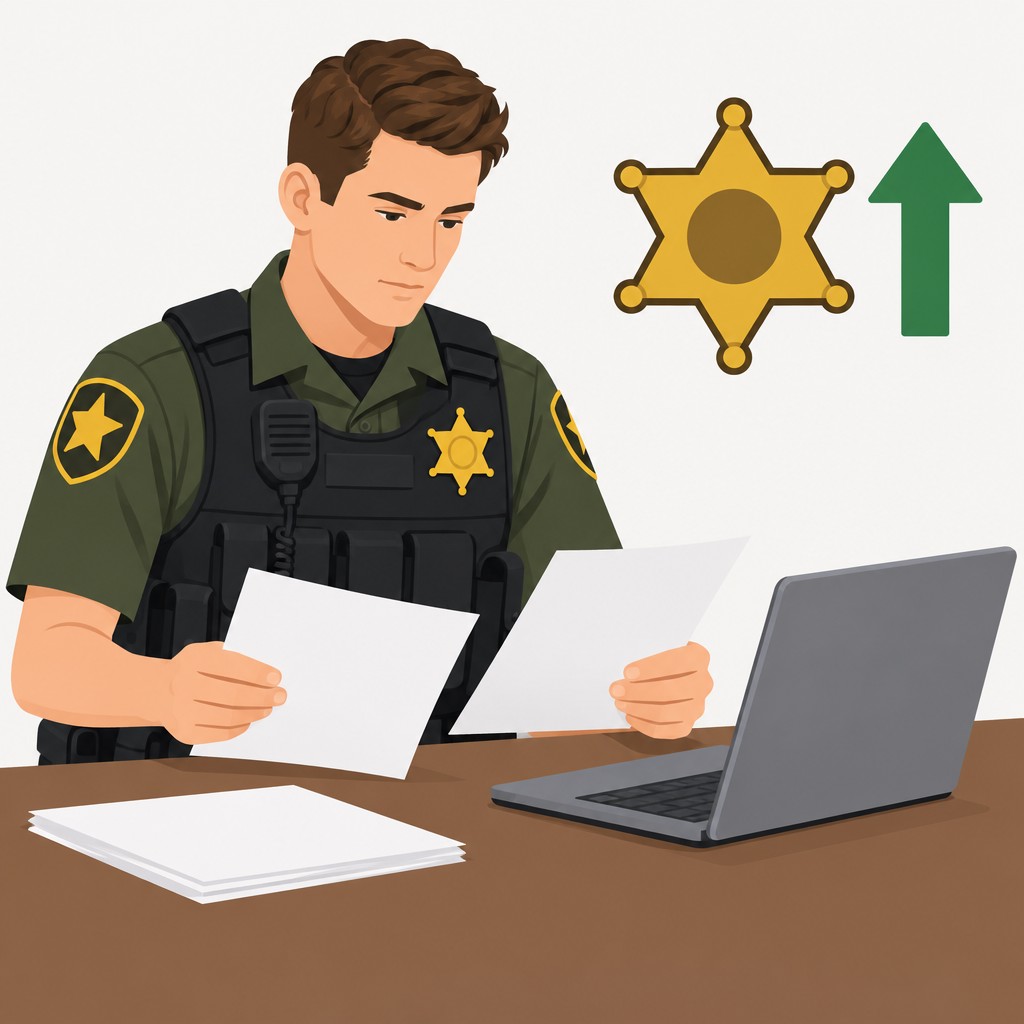
Positive Influence on Young People
Deputy sheriffs can serve as positive role models for young people.
They may participate in educational programs, mentoring initiatives, and youth outreach events.
Transform Your Career Today
Unlock a personalized career strategy that drives real results. Get tailored advice and a roadmap designed just for you.
Start NowBy demonstrating integrity, compassion, and professionalism, deputies can influence future choices positively.
Meaningful Service to the Community
Deputy sheriffs strengthen communities through trust, engagement, problem-solving, and positive leadership.
Their efforts promote safety while encouraging cooperation between residents and law enforcement.
A career as a deputy sheriff offers an opportunity to support others and serve the public.
Discover More: How to Prepare for CBP Officer Written Tests
Job Stability and Benefits
- A deputy sheriff career offers exceptional stability and security.
- Furthermore, rising demand for law enforcement professionals supports strong job stability.
- Deputy sheriffs also receive a wide range of benefits and workplace perks.
- Healthcare coverage often protects deputies and their families.
- Additionally, retirement plans help deputies prepare for the future.
- Competitive salaries recognize deputies’ hard work and dedication.
- Moreover, overtime opportunities can increase their earnings beyond base salaries.
- These benefits make deputy sheriff careers both rewarding and secure.
Discover More: Ethics and Accountability for ICE Agents
Training and Qualifications
Becoming a deputy sheriff requires education, specialized training, and personal qualification.
Candidates must complete required evaluations and demonstrate physical readiness.
They also need continuing education to maintain current knowledge of laws and procedures.
- Education: Candidates need a high school diploma or GED. Some agencies may require a related college degree.
- Law Enforcement Academy: Prospective deputies must complete training at a state or agency-specific academy.
- Physical Fitness: Applicants must meet physical fitness standards and pass a physical agility test.
- Background Check: Agencies conduct thorough investigations to identify criminal records or other disqualifying factors.
- Psychological Evaluation: Candidates must complete an assessment that evaluates their suitability for the position.
- Drug Testing: Applicants must pass drug testing to demonstrate that they are drug-free.
- Firearms Training: Deputies receive firearms training to perform their duties safely and effectively.
- Continuing Education: Deputies complete ongoing training about laws, procedures, and current best practices.
Find Out More: Investigative Duties of Deputy Sheriffs
Work Environment
Deputy sheriffs typically patrol local communities.
They respond to emergency calls, conduct investigations, and make arrests.
Moreover, deputies often work nights, weekends, holidays, and other irregular hours.
- Deputies handle potentially dangerous situations during their daily duties.
- They face physical harm while apprehending criminals or defusing volatile situations.
- Additionally, deputies must remain composed and make split-second decisions under pressure.
Despite these challenges, law enforcement agencies foster strong camaraderie and teamwork.
- Deputies rely on colleagues for support and backup during high-stress situations.
- Teamwork helps deputies prevent crime and conduct investigations successfully.
- Furthermore, deputies need trust and strong relationships for effective law enforcement.
Personal Fulfillment in Deputy Sheriff Service
Choosing a deputy sheriff career involves more than evaluating daily duties.
Many candidates value the personal fulfillment that accompanies this professional path.
This calling offers meaningful rewards beyond a paycheck or job title.
Sense of Pride
Wearing the badge can create a strong sense of personal pride.
The badge represents a commitment to upholding law, justice, and integrity.
Each day, deputies have opportunities to represent these important principles.
Accomplishment Through Positive Impact
Deputy sheriffs can make meaningful differences in people’s lives.
For example, they may respond to emergencies, solve crimes, or help people in need.
Knowing that their efforts helped someone can provide a deeply rewarding sense of accomplishment.
Contribution to the Greater Good
This career enables deputies to contribute directly to society’s greater good.
Through law enforcement and community engagement, deputies support a safer, more harmonious environment.
Their contributions can strengthen trust, relationships, and unity between law enforcement and residents.
Meaningful Purpose in Law Enforcement
Personal fulfillment in this career extends beyond financial compensation or professional titles.
Instead, deputies can find purpose through protecting vulnerable people and upholding justice.
Those seeking meaningful work may find deputy sheriff service especially rewarding.
A Career Grounded in Duty and Responsibility
A deputy sheriff career can offer opportunities for professional growth and advancement.
Moreover, the role gives individuals a structured way to support public safety.
Many candidates value the position’s sense of duty and responsibility.
That commitment encourages them to approach their work with dedication and courage.
Deputy sheriffs also uphold laws while protecting fellow citizens.
Through this service, they can contribute to safer and more orderly communities.
Therefore, interested individuals should consider whether law enforcement matches their values.
This path requires dedication, courage, and a commitment to justice.
Additional Resources
Google search results for Why Choose a Career as a Deputy Sheriff? Protective Services
Bing search results for Why Choose a Career as a Deputy Sheriff? Protective Services


