




Physical Fitness for Wildland Firefighters
Wildland firefighters need excellent physical fitness to meet the rigorous demands of their work.
Moreover, peak physical condition helps firefighters manage challenging tasks safely and effectively.
These tasks include carrying heavy equipment and hiking through rough terrain.
Physical Demands of Wildland Firefighting
- Wildland firefighters hike long distances, carry heavy equipment, and work across challenging terrain.
- Strength, endurance, and flexibility help firefighters manage these physically demanding tasks effectively.
- A balanced routine should include strength training, cardiovascular exercise, and flexibility training.
Wildland firefighters face unique physical challenges that require high fitness levels for effective and safe job performance.
Understanding these demands helps them develop routines that address the job’s challenges.
Firefighters often work remotely, with limited access to resources and support.
They must navigate rugged terrain and adverse weather while carrying packs, tools, and equipment.
These conditions require sustained effort during long shifts.
Strength supports digging fire lines, carrying equipment, and lifting or moving debris.
Weightlifting, bodyweight exercises, and functional training can build strength for these tasks.
These activities also help reduce injury risks.
Endurance enables firefighters to hike long distances across rough terrain while carrying heavy packs.
Running, hiking, and cycling can improve cardiovascular endurance and help maintain energy during long shifts.
Flexibility helps firefighters move efficiently and safely through challenging environments.
Stretching can improve range of motion and reduce strains, sprains, and other injuries.
Yoga or Pilates can also support flexibility and balance.
Therefore, combining strength, cardiovascular, and flexibility training prepares firefighters for demanding conditions.
A balanced routine helps them remain strong, agile, and resilient during difficult work.
Cardiovascular Fitness for Wildland Firefighters
Cardiovascular fitness supports sustained effort during demanding wildland firefighting shifts.
It helps firefighters maintain endurance and stamina while performing their duties.
Additionally, strong heart and lung function supports efficient and safe performance.
Benefits of Cardiovascular Fitness
Regular cardiovascular training helps firefighters sustain effort during extended work periods.
It also supports heart and lung health through consistent physical activity.
Furthermore, better conditioning can help reduce fatigue and exhaustion during long shifts.
- Cardiovascular fitness enhances endurance and stamina.
- It supports healthy heart and lung function.
- It helps prevent fatigue and exhaustion during long shifts.
Cardiovascular Exercises for Wildland Firefighters
Several exercises can develop the cardiovascular capacity required for demanding firefighting work.
Each activity offers a practical way to challenge endurance and stamina.
Additionally, varied training can maintain interest while targeting different physical demands.
- Running can improve cardiovascular fitness when distance and pace increase gradually.
- Hiking across rugged terrain develops endurance and leg strength.
- Cycling provides low-impact cardiovascular training for the legs and heart.
Building Cardiovascular Fitness Gradually
Firefighters should increase cardiovascular training gradually to encourage steady improvement.
Starting with manageable efforts helps reduce the risk of overexertion.
Meanwhile, regular progress tracking can guide achievable training goals.
- Start with low-intensity cardio exercises to avoid overexertion.
- Maintain consistent workouts to improve endurance over time.
- Increase exercise intensity or duration gradually.
- Monitor performance to track improvements and establish achievable goals.
- Mix different cardio exercises to maintain interest and challenge varied muscle groups.
By training consistently and progressing carefully, firefighters can strengthen cardiovascular fitness for their demanding work.
Delve into the Subject: Legal and Ethical Issues in Probation Officer Work
Strength Training for Wildland Firefighters
Strength training helps wildland firefighters prevent injuries and improve overall performance.
- Weightlifting builds muscle mass and improves strength.
- Bodyweight exercises, including push-ups, squats, and planks, improve functional movement.
- Functional movements mimic firefighting tasks and prepare firefighters for job demands.
Full-body strength training prepares every muscle group for diverse physical challenges in the field.
Furthermore, stronger muscles can help firefighters increase fitness, reduce injury risk, and perform effectively during emergencies.
Discover More: Work-Life Balance for Bomb Squad Technicians
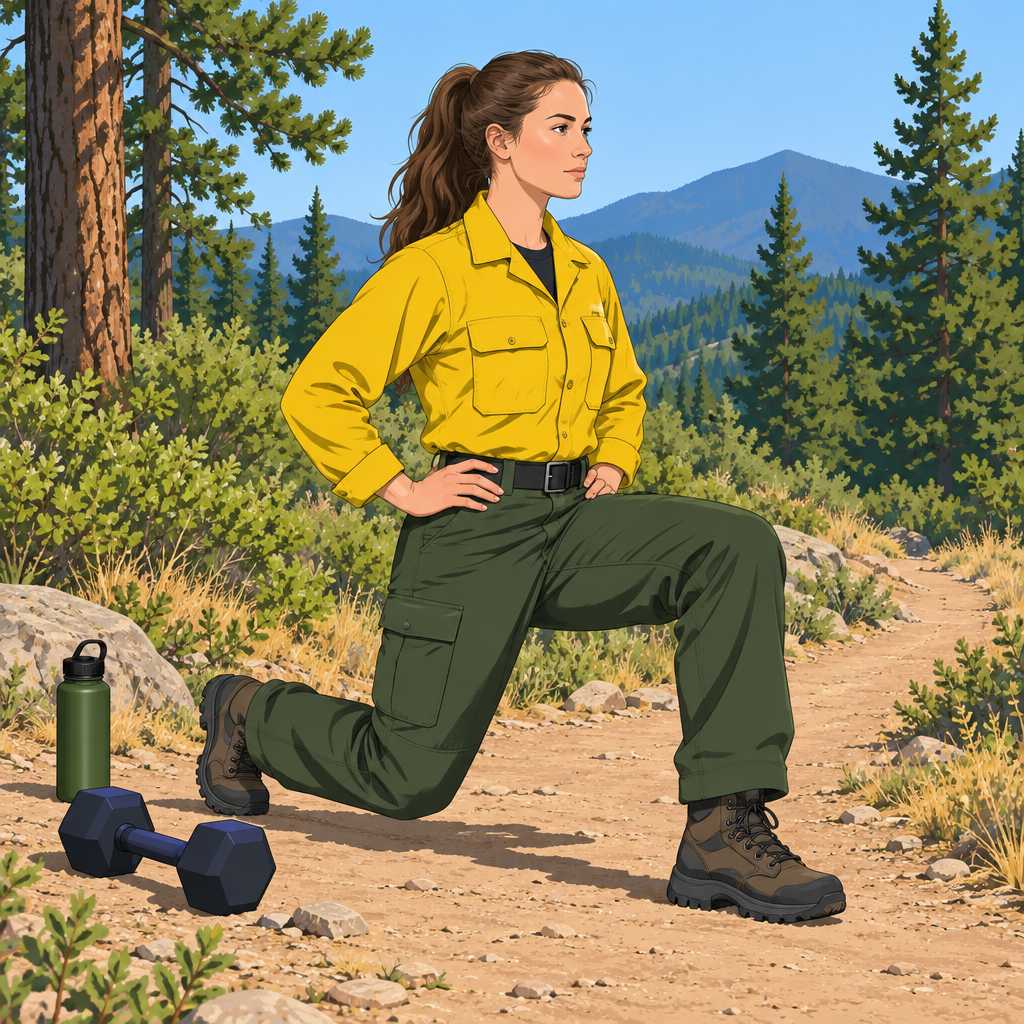
Flexibility and Mobility for Wildland Firefighters
Flexibility and mobility support safe, efficient movement during strenuous firefighting operations.
Improving both qualities helps firefighters prevent injuries and perform demanding tasks effectively.
Flexibility allows free movement, while mobility helps joints move through their complete range.
Benefits of Flexibility and Mobility
These qualities enhance range of motion and support healthy joint function.
Transform Your Career Today
Unlock a personalized career strategy that drives real results. Get tailored advice and a roadmap designed just for you.
Start NowThey also reduce the risk of muscle strains and sprains.
Additionally, better mobility improves posture, alignment, movement efficiency, and physical recovery.
- Enhances range of motion and joint function
- Reduces the risk of muscle strains and sprains
- Improves posture and alignment
- Enhances movement efficiency
- Supports recovery and muscle relaxation
Methods for Improving Flexibility and Mobility
Firefighters can add stretching, yoga, and foam rolling to their regular fitness routines.
Dynamic stretches prepare the body before workouts, while static stretches support recovery afterward.
Firefighters should focus these practices on major muscle groups, including the hamstrings, quadriceps, calves, and shoulders.
- Stretching Exercises: Perform dynamic stretches before workouts and static stretches afterward.
- Yoga: Use yoga to improve flexibility, balance, core strength, stress relief, and mental focus.
- Foam Rolling: Use a foam roller to release tightness, improve blood flow, reduce soreness, and support movement.
Practical Mobility Training Strategies
Firefighters should schedule mobility exercises before and after workouts.
They should target areas that become tight during firefighting tasks.
Movement drills that mimic firefighting actions can make mobility training more practical.
- Schedule mobility exercises before and after workouts.
- Target areas that become tight during firefighting tasks.
- Include drills that mimic firefighting movements.
- Practice mobility work consistently as part of your fitness routine.
- Adjust exercise intensity according to your body’s response.
By prioritizing mobility, wildland firefighters can improve performance, reduce injury risks, and remain agile during challenging missions.
You Might Also Like: Key Certifications for Bomb Squad Technicians
Recovery and Rest
Rest and recovery help wildland firefighters maintain peak physical condition.
They support the body’s repair after strenuous physical activity.
Moreover, recovery depends on rest, nutrition, hydration, and stress management.
- Rest allows the body to repair and rebuild muscle tissue after strenuous physical activity.
- Proper nutrition supplies nutrients for muscle repair and replenishes energy stores.
- Hydration supports recovery by helping prevent dehydration and flush out toxins.
Importance of Rest and Recovery
Sufficient rest helps the body repair and rebuild muscle tissue.
Without enough rest, the body faces greater risks of injury and overtraining.
Therefore, regular recovery periods help muscles recover and grow stronger.
This process can support improved performance.
Nutrition for Physical Recovery
Proper nutrition replenishes glycogen stores and supports muscle tissue repair.
Carbohydrates, proteins, and fats provide balanced support during recovery.
Furthermore, nutrition helps restore energy after intense physical activity.
Hydration During Recovery
Hydration supports recovery because dehydration can impair performance and prolong recovery.
Water helps the body manage recovery after demanding work.
Therefore, firefighters should drink water throughout the day, especially during intense fire seasons.
Stress Management and Adequate Rest
- Practice relaxation techniques such as deep breathing, meditation, or yoga to manage stress.
- Establish a regular sleep routine and aim for 7-9 hours of quality sleep each night.
- Avoid caffeine and electronics before bedtime, and create a calming routine.
By prioritizing rest, nutrition, hydration, and stress management, wildland firefighters support recovery from intense physical demands.
They can also maintain peak performance throughout fire season.
Find Out More: How to Build a Strong Cybersecurity Specialist Portfolio
Mental Fitness for Wildland Firefighters
Wildland firefighters face mental strain during emergencies, long hours, dangerous situations, and constant pressure.
They may witness destruction and work under extreme conditions.
Recognizing these challenges helps firefighters address emotional stress and protect their mental well-being.
Mental Fitness and Emergency Decisions
Mental fitness helps firefighters stay focused during rapidly changing emergencies.
A sharp mind supports quick decisions that protect firefighters and other people.
Therefore, clear thinking improves responses when pressure remains high.
Stress Management and Peer Support
Meditation can calm the mind and reduce anxiety during demanding periods.
Mindfulness can improve concentration by helping firefighters focus on the present moment.
Additionally, peers, family members, and mental health professionals can provide support and an outlet for feelings.
These practices help firefighters manage job demands and perform effectively during high-pressure situations.
Health and Readiness for Wildland Firefighters
Wildland firefighters rely on balanced health practices to perform effectively during demanding situations.
Strength and cardiovascular exercises together support a well-rounded fitness routine.
Additionally, proper nutrition and hydration help firefighters sustain energy during long shifts.
Meanwhile, mental resilience helps firefighters manage the emotional and mental challenges of their work.
Transform Your Career Today
Unlock a personalized career strategy that drives real results. Get tailored advice and a roadmap designed just for you.
Start NowRegular conditioning can reduce injury risks and improve performance in the field.
Therefore, firefighters should prioritize health and fitness throughout their careers.
By maintaining fitness, they can better protect themselves and others during emergencies.
A strong body and mind give firefighters essential tools for success in this high-stress profession.
Consequently, firefighters should make fitness a priority before their next call.
Consistent preparation supports physical readiness and continued excellence in firefighting careers.
Additional Resources
Google search results for Physical Fitness Tips for Wildland Firefighters Protective Services
Bing search results for Physical Fitness Tips for Wildland Firefighters Protective Services


