




Correctional Officer Peer Support Programs
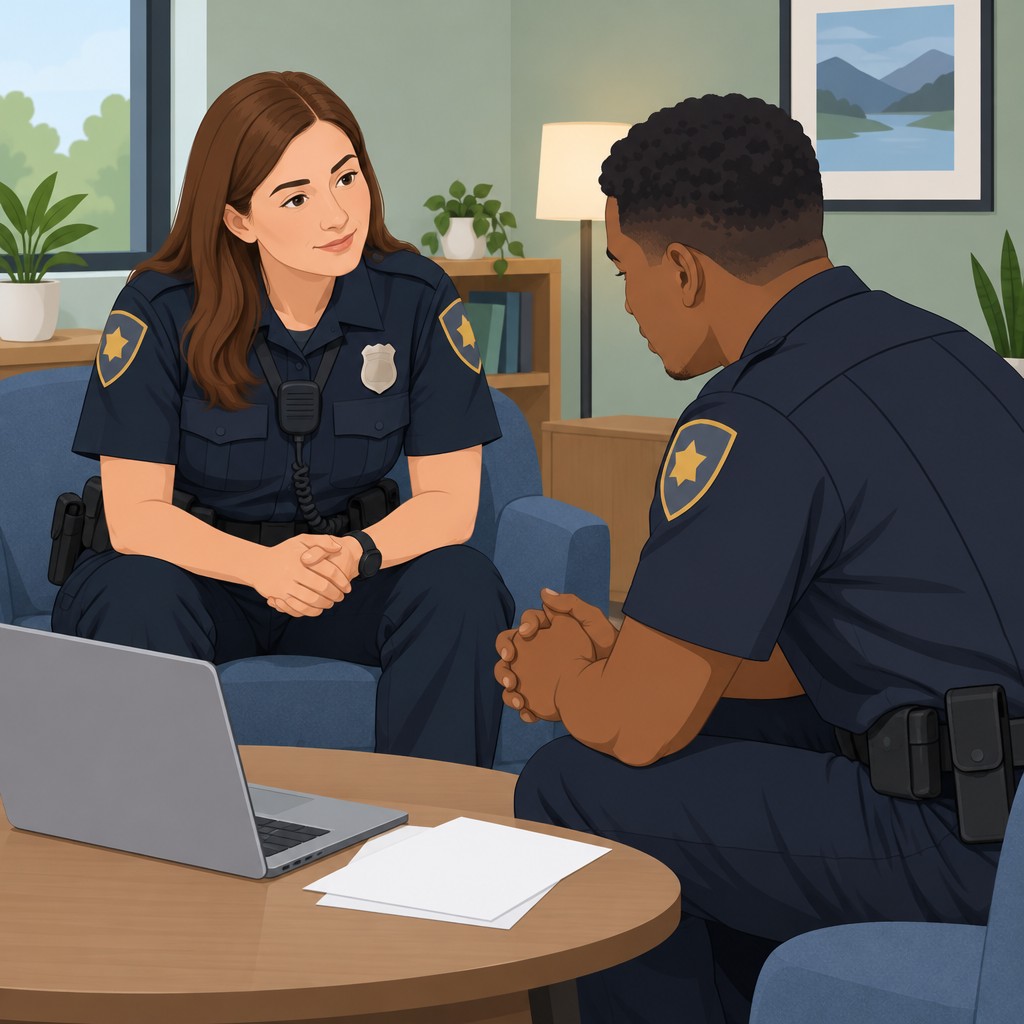
Correctional officer peer support programs provide emotional and mental health assistance to correctional officers.
These programs create safe spaces where officers can share their experiences and challenges.
Mental health support remains crucial because correctional officers face significant stress, trauma, and burnout.
Without adequate support, these professionals may experience anxiety, depression, and other mental health issues.
Furthermore, peer support programs promote the well-being of these frontline workers.
They also offer practical support for officers managing difficult workplace experiences.
Additionally, these programs can strengthen awareness of mental health needs among correctional officers.
This discussion examines the importance, benefits, challenges, and mental health impact of peer support programs.
Operational Value of Peer Support Programs
Peer support programs connect correctional officers with colleagues who understand their professional responsibilities.
These structured networks encourage practical cooperation and strengthen relationships throughout correctional facilities.
Additionally, officers can exchange strategies that help them manage demanding workplace situations.
- Peer networks encourage teamwork among correctional officers.
- Officers can exchange job-related knowledge and practical strategies.
- Supportive relationships can improve workplace cooperation and morale.
- Effective support may help facilities retain experienced officers.
Trust and Confidentiality in Peer Support
Confidentiality gives officers greater confidence when they discuss difficult professional experiences.
Clear privacy expectations support honest communication between participants.
Therefore, facilities should explain confidentiality procedures before officers join the program.
Training and Resources for Peer Supporters
Correctional facilities can prepare peer supporters through focused training and practical resources.
Training may cover conflict resolution, stress management, and effective communication skills.
These tools help participating officers respond constructively to workplace challenges.
- Conflict resolution training supports constructive problem-solving.
- Stress management techniques help officers address workplace pressure.
- Communication practice improves the quality of peer guidance.
Regular Meetings and Ongoing Collaboration
Regular meetings give officers consistent opportunities to discuss relevant workplace concerns.
Organizers can structure sessions around topics that affect correctional staff.
Consequently, ongoing collaboration can strengthen participation and maintain program effectiveness.
- Meetings can focus on specific professional concerns.
- Officers can share experiences during organized discussions.
- Regular participation supports continued collaboration among peers.
Correctional officers play a vital role in maintaining safety and security within correctional facilities.
However, their work can significantly affect their mental health and well-being.
The Impact of Correctional Work on Officer Well-Being
- Correctional facilities expose officers to violence, aggression, and high-pressure situations each day.
- Consequently, this exposure can harm officers’ mental health.
- Many officers experience PTSD, anxiety, or depression because of their work.
- Furthermore, demanding duties, long hours, and limited resources can cause burnout.
- Burnout can leave officers feeling exhausted and frustrated.
- Officers often suppress their emotions and maintain a tough exterior while working.
- This behavior can create isolation and discourage officers from seeking support.
- These mental health challenges demonstrate the need for meaningful support within correctional facilities.
Therefore, correctional facilities should provide officers with resources that help them manage workplace challenges.
Delve into the Subject: School Resource Officer Programs Across the USA
How Peer Support Strengthens Officer Well-Being
Peer support programs provide emotional and mental health support to correctional officers.
They give officers a safe setting to discuss struggles and request advice.
- Officers can share challenges with colleagues who understand their experiences.
- These conversations reduce isolation and strengthen camaraderie among colleagues.
- Peer support builds resilience and improves coping skills.
- Shared experiences provide officers with useful insights and perspective.
Additionally, peer support helps reduce the stigma surrounding mental health assistance.
- When colleagues discuss mental health openly, other officers may seek help more readily.
- Such openness makes reaching out for assistance feel more acceptable.
- A supportive environment helps officers feel understood and valued.
- By removing barriers, peer support encourages a healthier workforce.
Ultimately, peer support programs strengthen emotional well-being among correctional officers.
See Related Content: Common Misconceptions About ICE Agents
Successful Correctional Officer Peer Support Programs
Several peer support programs help correctional officers manage demanding workplace experiences.
These programs connect officers with trained peers, emotional support, and mental health resources.
Successful programs emphasize confidentiality, trust, active listening, and meaningful peer connections.
First Responders First
- First Responders First supports correctional officers and other first responders through a confidential helpline.
- Trained volunteers provide active listening, emotional support, and referrals to mental health resources.
- The program emphasizes confidentiality, helping officers seek assistance without fear of judgment.
Behind the Badge
- Behind the Badge offers group counseling, individual support, and mental health education.
- Participants share experiences and struggles within a supportive community.
- The program reduces isolation while strengthening camaraderie, trust, and open communication.
Peer Support Alliance
- Peer Support Alliance pairs correctional officers with specially trained peer supporters.
- Peer supporters receive training in mental health first aid and crisis intervention.
- The program includes regular check-ins, debriefings, and peer-led wellness activities.
- Peer connections encourage empathy because officers understand one another’s experiences.
Shared Features of Effective Peer Support
Confidentiality gives officers a safer way to request assistance.
Trust and active listening help participants communicate openly with trained peers.
Supportive communities strengthen connections while addressing officers’ mental health needs.
Find Out More: Emergency Preparedness Tips from Disaster Coordinators
Challenges Facing Correctional Officer Peer Support Programs
Correctional officer peer support programs assist officers who work in demanding and stressful environments.
However, several obstacles can limit these programs’ reach and effectiveness.
Addressing these challenges helps programs continue serving officers who need support.
Funding for Peer Support Programs
Limited funding remains a major challenge for correctional officer peer support programs.
Transform Your Career Today
Unlock a personalized career strategy that drives real results. Get tailored advice and a roadmap designed just for you.
Start NowFinancial restrictions can reduce available services and limit outreach to officers who need assistance.
Programs can pursue grants, donations, and dedicated institutional budgets to strengthen financial stability.
- Programs can seek grants from relevant organizations.
- Donations can provide additional financial support for peer support activities.
- Government agencies can help allocate dedicated budgets for these initiatives.
- Advocacy groups can support sustainable funding efforts.
Resources for Effective Program Delivery
Peer support programs also depend on trained facilitators, useful materials, and confidential meeting spaces.
When resources remain scarce, programs may struggle to provide consistent and effective assistance.
Strategic partnerships can expand access to expertise and strengthen available support.
- Programs can recruit additional volunteer facilitators.
- Training can prepare volunteers to support more officers.
- Mental health organizations can provide valuable resources and expertise.
- Academic institutions can contribute knowledge and program support.
Institutional Support and Program Credibility
Institutional resistance can prevent peer support programs from becoming fully integrated within correctional organizations.
Without leadership support, officers may question the programs’ credibility and reliability.
Program advocates can build support by communicating the benefits of officer well-being initiatives.
- Program leaders can explain peer support benefits to senior management.
- Human resources departments can promote these programs throughout the organization.
- Union representatives can help communicate program value to officers.
- Leadership collaboration can improve program credibility and acceptance.
Building Sustainable Peer Support Services
Strong funding, sufficient resources, and institutional backing can improve program continuity.
These conditions allow peer support programs to reach more officers and maintain dependable services.
Addressing each challenge helps programs provide meaningful assistance to correctional officers in need.
You Might Also Like: Counterterrorism Specialist: Case Study on 9/11 Attacks
Ongoing Training and Support for Peer Programs
Peer support programs in correctional facilities help correctional officers manage daily stress and workplace challenges.
However, these programs need continuing training and support to remain effective.
Consistent preparation also helps programs respond to officers’ changing needs.
- Volunteers need ongoing training to support colleagues effectively.
- Training should cover best practices, communication techniques, and crisis assistance strategies.
- Regular sessions can strengthen active listening, empathy, and problem-solving skills.
Continuous Learning for Peer Support Volunteers
Continuous learning helps volunteers understand correctional officers’ unique challenges.
It also helps them offer meaningful and appropriate assistance.
Updated guidance can improve their responses when colleagues experience distress.
Guidance from Mental Health Professionals
Mental health professionals provide guidance, supervision, and clinical oversight for peer support programs.
They can help volunteers handle complex situations and recognize signs of mental distress.
Professionals can also recommend appropriate interventions when volunteers need additional direction.
Regular supervision protects volunteers’ well-being while they assist their peers.
Together, training and professional support can strengthen these programs and promote a healthier work environment.
Peer support participation can improve several dimensions of correctional officer well-being.
Research findings connect these programs with lower stress, stronger job satisfaction, and improved workforce stability.
These outcomes indicate that peer networks can support resilience within demanding correctional workplaces.
Evidence of Improved Officer Well-Being
Researchers have examined stress, satisfaction, attendance, and retention when assessing these programs.
The findings suggest that peer participation can influence both individual wellness and workforce continuity.
Several organizations and publications have reported beneficial outcomes for participating correctional officers.
- National Institute of Justice research found lower stress and burnout among participating correctional officers.
- Journal of Correctional Health Care research associated peer activities with higher job satisfaction and less absenteeism.
- American Correctional Association information linked established programs with reduced staff turnover.
Contributions to Workforce Resilience
Peer programs can strengthen workplace resilience through trusted colleague relationships.
They also give officers practical ways to manage difficult experiences and workplace pressure.
Furthermore, shared support may reduce isolation and encourage healthier responses to demanding duties.
- Peer programs can foster camaraderie and solidarity among correctional officers.
- Officers can share experiences and seek guidance within a supportive professional environment.
- Participation can strengthen coping skills and improve stress management.
- These programs may help prevent burnout and reduce anxiety or depression risks.
- Peer support can assist officers after traumatic events or critical incidents.
Supportive peer relationships can help officers approach demanding situations with greater confidence.
They can also encourage officers to seek appropriate guidance when workplace experiences become difficult.
Through these benefits, peer programs can contribute to a healthier and more resilient correctional workforce.
Workforce Resilience Through Peer Support
Correctional officer peer support programs promote mental health and well-being among prison staff.
They offer a safe space where officers seek help, share experiences, and access useful resources.
Furthermore, these programs can reduce burnout, improve job satisfaction, and foster supportive correctional workplaces.
Readers can advocate for implementing and expanding programs that address correctional officers’ mental health needs.
Recognizing peer support’s value can help create a more resilient and healthy corrections workforce.
Transform Your Career Today
Unlock a personalized career strategy that drives real results. Get tailored advice and a roadmap designed just for you.
Start NowAdditional Resources
Google search results for Correctional Officer Peer Support Programs Protective Services
Bing search results for Correctional Officer Peer Support Programs Protective Services


