




Introduction
Emergency preparedness helps people respond to unexpected natural disasters and accidents.
Preparation gives individuals and communities practical steps for protecting themselves during emergencies.
Disaster coordinators provide valuable guidance for planning, responding, and recovering safely.
Why Listen to Disaster Coordinators?
Disaster coordinators receive training in emergency preparation and response.
Their expertise helps people understand hazards and choose appropriate safety measures.
Therefore, their advice can help communities reduce the effects of disasters.
Importance of Emergency Preparedness
Proactive planning can save lives when emergencies occur.
Prepared households can respond more effectively and minimize potential damage.
A clear emergency plan gives everyone specific actions to follow during a crisis.
Emergency Preparedness Actions
Disaster coordinators recommend several practical steps for emergency readiness.
These actions support communication, personal safety, and organized responses.
Regular preparation also helps households adapt their plans when circumstances change.
- Create an emergency kit containing water, food, medications, and important documents.
- Develop a communication plan for contacting family members and friends during emergencies.
- Stay informed about local hazards and follow evacuation orders when necessary.
- Practice fire or earthquake drills so everyone understands the required response.
- Update emergency supplies and review the plan regularly for necessary adjustments.
Strengthening Community Resilience
Following professional guidance helps individuals prepare for unforeseen emergencies.
Staying informed allows people to respond promptly when hazards develop.
Consistent preparation strengthens safety and resilience across families and communities.
Emergency Preparedness Guidance from Disaster Coordinators
Disaster coordinators help communities prepare for emergencies.
They apply specialized training to organize planning, response, and recovery activities.
Their work helps communities address hazards and support people during difficult events.
Responsibilities in Emergency Preparedness
Disaster coordinators create practical plans that guide communities before emergencies occur.
They also train response teams and coordinate activities with local agencies and authorities.
Furthermore, they review emergency procedures and identify ways to improve community readiness.
- They develop and implement emergency preparedness plans.
- They conduct training sessions and drills for response teams.
- They coordinate with local agencies and authorities.
- They identify vulnerable populations and plan ways to assist them.
- They monitor and evaluate emergency response procedures.
Expertise in Emergency Planning and Response
Disaster coordinators assess risks and identify hazards that could affect their communities.
They tailor comprehensive emergency plans to address specific community needs.
During disasters, they coordinate response efforts with emergency responders and other stakeholders.
- They use risk assessment and hazard identification expertise.
- They develop comprehensive plans for specific communities.
- They coordinate response efforts during disasters.
- They work closely with emergency responders and other stakeholders.
- They assist with post-disaster recovery and rebuilding efforts.
Coordinated Action Supports Community Resilience
These coordinated efforts equip communities to handle emergencies more effectively.
Disaster coordinators help reduce disaster impacts through preparation, organized response, and recovery support.
Their expertise and dedication support life-saving actions during emergencies.
A clear plan helps families respond safely when an emergency occurs.
Practical preparations can support household safety and well-being during a crisis.
Families can improve their readiness by organizing plans, supplies, routes, and shelter options.
Creating a Family Emergency Plan
- Designate a meeting spot in case family members separate during an emergency.
- Assign roles and responsibilities to each family member.
- Include contact information for emergency services and out-of-town contacts.
- Practice evacuation drills regularly so everyone understands what to do.
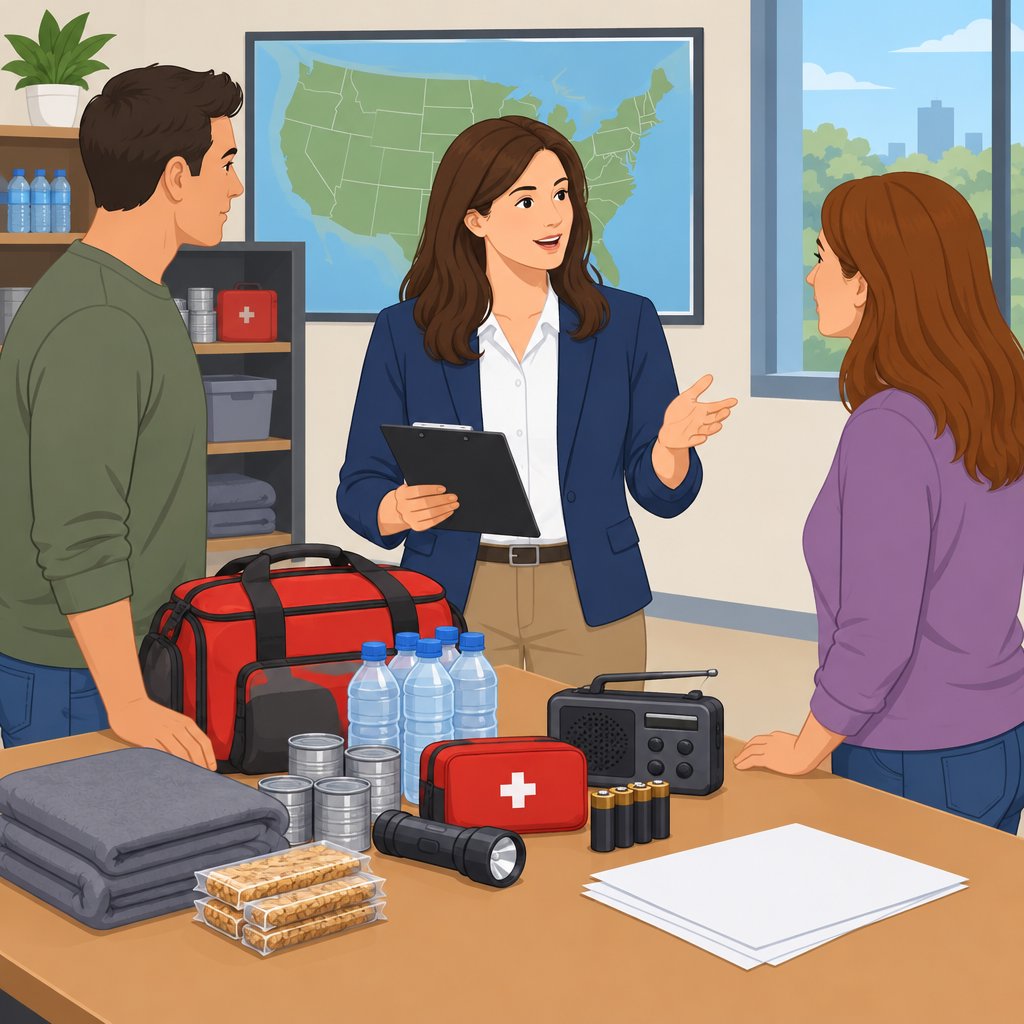
Assembling an Emergency Supply Kit
- Store enough food and water to last at least 72 hours.
- Include first aid supplies, medications, and hygiene products.
- Pack a flashlight, batteries, and a portable radio for communication.
- Keep important documents and cash in the kit.
Knowing Evacuation Routes and Shelters
- Familiarize yourself with evacuation routes in your area.
- Identify nearby shelters and safe locations where you can seek refuge.
- Stay informed about potential hazards and evacuation orders from local authorities.
- Plan transportation in case you need to evacuate quickly.
These preparations can help you protect yourself and your loved ones during disasters.
Preparedness gives your family practical steps for responding during an emergency.
Learn More: Counterterrorism Specialist: Case Study on 9/11 Attacks
Importance of Staying Informed
During a disaster, reliable information helps people make timely decisions.
Well-informed individuals can take necessary actions during critical situations.
Therefore, disaster coordinators emphasize regular attention to news and alerts.
- Following local news and weather alerts
- Signing up for emergency notifications
- Using social media for updates
Following Local News and Weather Alerts
Local news and weather alerts provide real-time information during developing emergencies.
These updates may identify evacuation orders, shelter locations, and road closures.
By monitoring them, individuals can assess local risks and plan appropriate responses.
Signing Up for Emergency Notifications
Many local governments offer emergency notification systems for residents.
Transform Your Career Today
Unlock a personalized career strategy that drives real results. Get tailored advice and a roadmap designed just for you.
Start NowThese systems can deliver alerts through phone calls, text messages, or email.
Such messages can provide guidance during severe weather and other critical events.
Using Social Media for Updates
Social media platforms help distribute information during emergencies.
Following official emergency management, fire department, and law enforcement accounts can provide accurate updates.
People can also use social media to connect with family and share important information.
Emergency Information Supports Personal Safety
Staying informed strengthens emergency preparedness and supports safer decision-making.
Reliable updates help individuals respond promptly as conditions change.
Consequently, consistent attention to trusted information can support safety and well-being during emergencies.
You Might Also Like: The Role of Intelligence in Diplomatic Security
Communication Strategies
Families can strengthen emergency communication by planning contacts, messages, and technology use before a crisis.
These steps help relatives share updates and coordinate actions when normal communication becomes difficult.
Therefore, a clear communication approach supports informed decisions and family safety during emergencies.
Designating a Point of Contact Outside the Affected Area
First, choose a point of contact outside the affected area for emergency family communication.
This person can serve as a central hub for messages and updates among family members.
Select someone who remains available, stays calm, and relays information efficiently.
Additionally, ensure every family member knows this person’s identity and contact information beforehand.
A designated contact streamlines communication, reduces confusion, and supports coordinated family updates.
Establishing a Communication Plan with Family Members
Before an emergency occurs, create a communication plan with your family.
Discuss contact methods, meeting locations, and appropriate actions for different emergency situations.
Use several communication methods, including phone calls, text messages, social media, and email.
Make sure everyone understands how to access each communication channel.
Furthermore, establish check-in times or routines to confirm everyone’s safety.
Practice the plan regularly so each family member understands their responsibilities.
Include emergency contacts, medical information, and meeting points within the plan.
Keep a copy in a location that family members can access easily.
Utilizing Technology for Communication During Emergencies
Technology can support communication when emergencies disrupt normal routines.
Keep devices operational by using portable chargers or power banks.
Consider emergency communication applications that quickly send updates to family members.
Some applications may continue working when cellular networks experience heavy demand.
Meanwhile, use social media to share safety updates and location information with loved ones.
Check local news sources and emergency alert systems for important updates.
Finally, establish group messaging or video calls for sharing real-time information.
Staying connected and informed helps families make timely decisions during emergencies.
Learn More: Impact of DEA Agents on Public Health and Safety
Special Considerations for Vulnerable Populations
Emergency preparedness requires attention to vulnerable populations.
These individuals may face specific challenges during emergencies.
Therefore, advance planning can help address their needs and support their safety.
Support for Individuals with Disabilities or Medical Needs
Individuals with disabilities or medical needs should develop personalized emergency plans.
These plans should address medical supplies, communication needs, and evacuation requirements.
Additionally, individuals should share their needs with trusted people and emergency responders.
Transform Your Career Today
Unlock a personalized career strategy that drives real results. Get tailored advice and a roadmap designed just for you.
Start Now- Develop a personalized emergency plan that addresses specific needs.
- Keep medication, medical supply, and emergency contact lists readily available.
- Include essential medical equipment and devices in the emergency kit.
- Communicate individual needs to family members, neighbors, and emergency responders.
- Learn about accessible evacuation routes and shelters within the community.
Emergency Planning for Pets and Livestock
Pet owners should prepare supplies and transportation plans before an emergency occurs.
They should also arrange shelter options and identification for each pet.
Meanwhile, livestock owners should plan for animal care and transportation during emergencies.
- Create a pet emergency kit with food, water, medications, and toys.
- Plan transportation and shelter arrangements for pets during evacuations.
- Microchip pets and update their identification tags with current contact information.
- Designate a caregiver who can assist pets during separation.
- Plan for livestock care and transportation during emergencies.
Support for Elderly Family Members and Neighbors
Families and neighbors can support elderly individuals through regular check-ins.
They can also coordinate assistance, supplies, transportation, and evacuation procedures.
Furthermore, planners should account for mobility concerns and potential health needs.
- Check regularly with elderly family members or neighbors about their needs.
- Create a support network of family, friends, and neighbors.
- Help elderly individuals develop plans and gather necessary supplies.
- Discuss evacuation procedures and transportation options in advance.
- Consider mobility concerns and potential health needs during planning.
Find Out More: Counterterrorism Specialist: Salary and Job Outlook
Post-Disaster Recovery Tips
After a disaster, focus on recovery and rebuilding efforts.
Several practical steps can help you restore stability.
These actions support safer decisions and more organized recovery work.
- Assess the Damage: Assess the disaster’s damage before taking action to prioritize tasks and allocate resources efficiently.
- Contact Your Insurance Company: Notify your insurance provider promptly and begin the claims process.
- Clean Up and Secure Your Property: Clear debris, secure damaged areas, and protect your property from further harm.
- Seek Professional Help: Hire professionals when necessary for repairs, cleanup, and restoration.
- Document Everything: Keep detailed records of communications, transactions, and recovery expenses.
- Stay Informed: Monitor recovery efforts, available resources, and community support services.
Emotional and Mental Health After Disasters
Disasters can affect your emotional and mental well-being.
Prioritize mental health throughout the recovery process.
Supportive habits can help you cope with difficult experiences.
- Seek Support: Reach out to friends, family, or mental health professionals for emotional guidance.
- Practice Self-Care: Get enough rest, eat well, and enjoy activities that promote relaxation.
- Stay Connected: Maintain relationships, join community activities, and seek social support.
- Seek Counseling: Consider professional counseling or therapy when emotional challenges become difficult to manage.
- Practice Mindfulness: Use meditation, deep breathing, or yoga to reduce stress and anxiety.
Resources for Rebuilding and Recovery
Rebuilding after a disaster can feel overwhelming.
Several resources can help you navigate recovery and rebuilding efforts.
Explore available assistance according to your needs.
- Government Assistance Programs: Explore programs offering financial assistance, loans, grants, and other recovery resources.
- Community Organizations: Connect with nonprofits, charities, and local organizations providing relief services and supplies.
- Disaster Relief Funds: Look for funds and foundations offering financial aid, housing assistance, and recovery resources.
- Online Resources: Use websites and toolkits offering information about recovery, rebuilding, and preparedness.
- Disaster Recovery Centers: Visit centers providing information, assistance, and support for disaster survivors.
Emergency Preparedness Actions for Households
Natural disasters can strike at any moment with devastating consequences.
Disaster coordinators stress the importance of creating an emergency plan.
Therefore, ensure everyone in your household understands the plan.
Identify safe locations where household members can seek shelter during an emergency.
Prepare an emergency kit containing essential supplies, including food, water, and medicine.
Additionally, monitor local news and weather reports for information about potential threats.
Practice evacuation drills regularly so everyone knows what to do.
Choose a designated meeting point in case family members become separated.
Store important documents, such as insurance papers and identification, in a waterproof container.
Follow evacuation orders promptly to protect yourself and your loved ones.
These preparedness steps can help households respond more effectively during emergencies.
Prioritize emergency preparedness to support the safety of everyone in your household.
Take action now by creating a plan and gathering supplies for potential disasters.
Additional Resources
Google search results for Emergency Preparedness Tips from Disaster Coordinators Protective Services
Bing search results for Emergency Preparedness Tips from Disaster Coordinators Protective Services


