




Correctional Officers and Community Safety
Correctional officers play a crucial role in the community by maintaining safety and order.
Their work ensures that individuals in correctional facilities remain supervised and secured.
Additionally, correctional officers uphold laws, prevent crime, and promote rehabilitation.
Through these responsibilities, they support society’s well-being and promote a safer environment.
The Role of Correctional Officers in Maintaining Law and Order
- Enforcing rules and regulations within correctional facilities
- Preventing violence and ensuring safety for inmates and staff
- Contributing to public safety by keeping dangerous individuals off the streets
Correctional officers maintain order inside correctional facilities and support safety in the broader community.
They enforce rules, prevent violence, and protect inmates and staff.
They also help keep dangerous individuals away from public spaces.
Enforcing Rules and Regulations Within Correctional Facilities
One primary responsibility involves enforcing rules and regulations inside correctional facilities.
Officers monitor inmate behavior and ensure compliance with facility policies.
When violations occur, they address them to preserve order and security.
Preventing Violence and Protecting Inmates and Staff
Correctional officers also help prevent violence and protect inmates and staff.
They identify potentially dangerous situations and work to defuse conflicts.
They respond to emergencies and maintain a presence that discourages violent behavior.
Supporting Public Safety Through Secure Inmate Housing
Correctional officers support public safety by securely housing people convicted of serious crimes.
This work keeps those individuals from posing immediate threats in the community.
It also helps deter others who might consider criminal behavior.
Their combined efforts strengthen safety, order, and the well-being of society.
Correctional Officers’ Support for Inmate Rehabilitation
Correctional officers support inmates as they work toward rehabilitation.
They also influence the broader community through daily interactions inside correctional facilities.
- Mentoring and counseling inmates during rehabilitation
- Assisting with education and vocational training programs
- Serving as positive role models for incarcerated individuals
Correctional officers mentor and counsel inmates as they navigate rehabilitation challenges.
They provide guidance, listen to concerns, and encourage constructive personal changes.
Additionally, officers assist inmates with education and vocational training opportunities.
These programs help inmates develop skills and knowledge for their eventual return to society.
Officers also model professionalism, integrity, and respect during their interactions.
Consequently, their example can encourage inmates to make positive changes in their lives.
Through support and guidance, correctional officers help inmates prepare for reintegration into society.
Gain More Insights: Public Safety Officer Stress Management Techniques
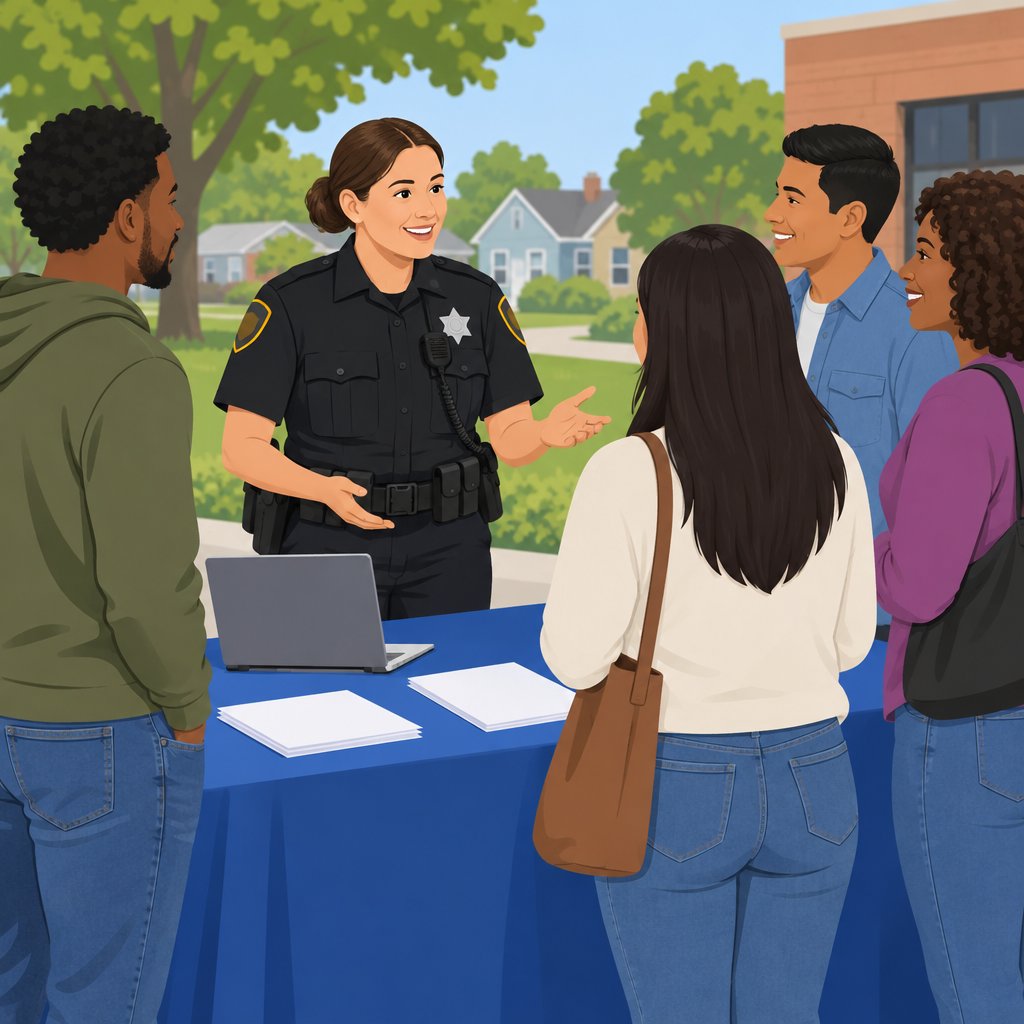
Impact on Families and Communities
Correctional officers affect inmates, families, and communities through their daily responsibilities.
They also help maintain connections and prepare individuals for life after release.
These efforts can influence family relationships and community participation.
Helping Inmates Reintegrate into Society Upon Release
Officers often connect inmates with resources that support reentry after release.
These resources can include job skills, education, and opportunities to develop social skills.
Consequently, preparation for release can help inmates build a foundation for their future.
- Correctional officers provide resources and support that assist inmates during the reentry process.
- They help inmates develop job skills, educational knowledge, and social skills for community life.
- By supporting preparation for release, officers can help reduce repeated involvement with the correctional system.
Facilitating Family Visits and Communication
Correctional officers help inmates maintain contact with their families during incarceration.
Regular communication can strengthen family bonds and provide emotional support for everyone involved.
Meanwhile, officers manage visits in ways that support safe and positive interactions.
- Officers facilitate family visits that allow inmates to remain connected with loved ones.
- They help families communicate regularly throughout an inmate’s time in prison.
- Their presence during visits supports safety and security for all participants.
Building Relationships and Trust with Community Members
Correctional officers engage community members to encourage cooperation around public safety concerns.
Through outreach, they address concerns, provide education, and encourage stronger community relationships.
Furthermore, accessible officers can promote mutual respect and understanding between institutions and residents.
- Officers build relationships with community members through outreach programs and initiatives.
- They listen to residents, share information, and encourage collaboration on community concerns.
- By remaining visible and accessible, officers can strengthen trust between correctional institutions and civilians.
Delve into the Subject: Career Pathways in Diplomatic Security Services
Transform Your Career Today
Unlock a personalized career strategy that drives real results. Get tailored advice and a roadmap designed just for you.
Start NowChallenges Faced by Correctional Officers
Correctional officers play a crucial role in maintaining order and safety within prisons.
Their work requires constant attention to physical, mental, and emotional demands.
However, several challenges can affect their well-being over time.
High-Stress Environments and Dangerous Situations
- Correctional officers often work in high-stress environments where tensions can rise among inmates.
- They must remain vigilant and respond to dangerous situations, including fights or riots.
- As a result, intense working conditions can contribute to burnout and other health effects.
Emotional Strain from Difficult Inmate Interactions
- Many inmates have histories of violence or experience mental health challenges.
- Therefore, correctional officers must combine empathy and professionalism during difficult interactions.
- They also need clear boundaries because repeated exposure to trauma can affect their mental health.
Balancing Personal Safety with Professional Duties
- Correctional officers must protect and serve while prioritizing their own safety.
- In dangerous situations, they may need to make immediate decisions with serious consequences.
- Meanwhile, enforcing rules and maintaining order can challenge their ability to stay safe.
Despite these challenges, correctional officers help maintain safety and security within prisons.
They also help ensure that inmates receive respectful and dignified treatment.
Adequate support, training, and resources can help officers manage their demanding responsibilities.
You Might Also Like: Career Opportunities for Retired Crime Scene Investigators
Training and Professional Development for Correctional Officers
Correctional officers need ongoing training and professional development to perform their responsibilities effectively.
These efforts strengthen readiness for difficult situations and support consistent workplace practices.
They also create pathways for growth while addressing the pressures of correctional work.
- Ongoing training covers crisis intervention and conflict resolution.
- Career advancement and specialization provide opportunities for professional growth.
- Mental health and wellness support can help prevent burnout and compassion fatigue.
Importance of Ongoing Training
Crisis intervention training helps officers respond to volatile situations with greater control.
Conflict resolution skills can reduce tension and protect staff and inmates during difficult encounters.
Additionally, continuous instruction keeps officers familiar with current protocols and emergency techniques.
Opportunities for Career Advancement
Career advancement opportunities encourage officers to develop within the profession.
Specialized training can prepare them for gang management, intelligence gathering, or mental health support.
These pathways let officers focus on their interests and apply their expertise more effectively.
Support for Mental Health and Wellness
Correctional work can expose officers to stress, burnout, and compassion fatigue.
Counseling services and stress management programs can help officers manage these demands.
Wellness initiatives can also support work-life balance and encourage a more supportive workplace.
Investing in training, professional development, and mental health support strengthens the correctional workforce.
These measures can help institutions maintain prepared, resilient, and well-supported officers.
Find Out More: Importance of Detail Orientation in Crime Scene Investigation
Collaboration with Community Stakeholders
Correctional officers influence communities through partnerships beyond correctional facilities.
These partnerships support public safety, crime prevention, rehabilitation, and community well-being.
Moreover, officers coordinate with several stakeholders to address challenges connected to incarceration and reentry.
- Working with law enforcement agencies, social services, and non-profit organizations
- Participating in community outreach programs and crime prevention initiatives
- Building partnerships that address social issues and promote rehabilitation
Officers work with law enforcement agencies to exchange information and coordinate responses to criminal activities.
This cooperation creates a more comprehensive approach to community concerns.
Additionally, officers connect people leaving incarceration with social services and non-profit organizations.
These organizations can provide housing, employment assistance, and counseling services.
Such connections can support successful reentry and help reduce recidivism rates.
Officers also participate in outreach programs that raise awareness about public safety issues.
Through crime prevention initiatives, they encourage proactive strategies for addressing community concerns.
Furthermore, officers partner with schools, businesses, and community groups.
These partnerships can strengthen community resilience and support safer neighborhoods.
Finally, officers collaborate with organizations focused on mental health, substance abuse, education, and employment.
Those partnerships address social issues that can contribute to crime and incarceration.
By coordinating these efforts, stakeholders can support productive lives and long-term community well-being.
Continued Support for Correctional Officers
Correctional officers strengthen communities by maintaining safety and security within correctional facilities.
They provide structure, guidance, and rehabilitation opportunities that can support individuals in custody.
They also connect incarcerated individuals with resources that can help families prepare for release and reintegration.
Transform Your Career Today
Unlock a personalized career strategy that drives real results. Get tailored advice and a roadmap designed just for you.
Start NowThese efforts can reduce recidivism and promote public safety across society.
Therefore, communities should recognize correctional officers’ demanding work and continued sacrifices.
Public support can include appreciation, professional resources, and training opportunities.
By investing in correctional officers, communities can strengthen individual, family, and societal well-being.
Additional Resources
Google search results for Correctional Officer Community Impact Protective Services
Bing search results for Correctional Officer Community Impact Protective Services


