




Stress Management for Public Safety Officers
Public safety officers protect community safety and security.
Stress management techniques help these officers maintain mental and emotional well-being.
Because their work involves high pressure, officers must prioritize mental health.
By managing stress effectively, they can improve their overall job performance.
These techniques help officers handle daily challenges and traumas encountered on duty.
To fulfill their responsibilities effectively, officers must learn practical ways to manage stress.
Addressing stress levels can prevent burnout and support a healthy work-life balance.
The well-being of these officers directly influences the safety of their communities.
Recognizing Stress Among Public Safety Officers
Public safety officers often experience stress because their work involves high pressure situations and exposure to trauma.
Recognizing stress signs helps officers address and manage their mental health effectively.
Common signs include irritability, fatigue, insomnia, anxiety, and difficulty concentrating.
Physical symptoms may include headaches, muscle tension, and digestive issues.
Officers should acknowledge these signs and seek help when necessary.
Effects of Unmanaged Stress
Unmanaged stress can reduce an officer’s focus, motivation, and decision making abilities.
Consequently, these effects can weaken job performance during demanding situations.
Chronic stress can also harm personal wellbeing and quality of life.
Depression and anxiety may develop when stress remains unmanaged, creating challenges at work and within personal relationships.
Seeking professional support can help officers protect their mental health and address ongoing challenges.
Physical Stress Management Techniques
Physical activity helps manage stress by releasing endorphins, which can naturally lift your mood.
Choose enjoyable activities, such as running, yoga, or dancing, and practice them consistently.
Additionally, strength training builds muscle, supports metabolism, and improves overall strength and endurance.
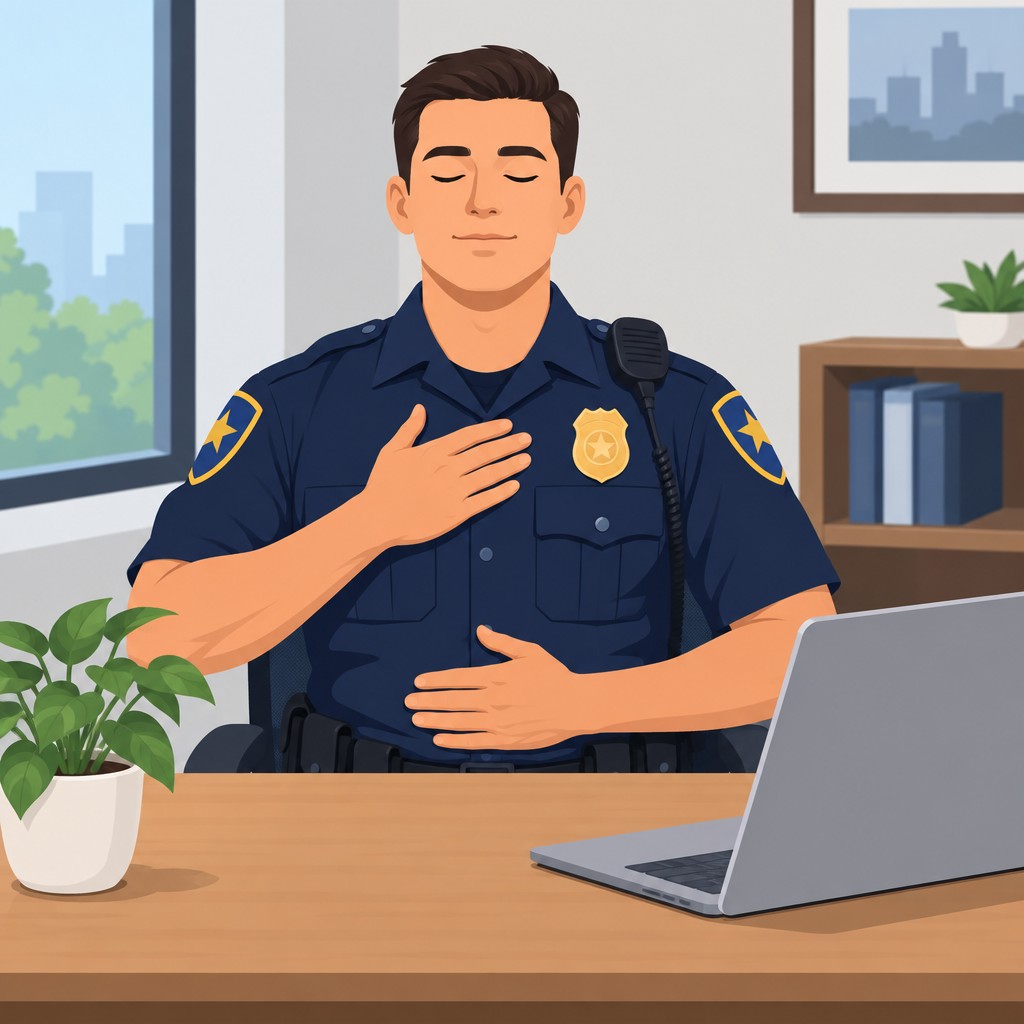
Deep breathing exercises can calm your mind and reduce physical stress.
Meanwhile, nutritious foods can support your health and help you manage stress.
Drink enough water throughout the day because dehydration can intensify stress.
Prioritize sleep by establishing a bedtime routine and creating a restful bedroom environment.
When you feel overwhelmed, take short breaks throughout the day to recharge.
Mindfulness practices, including meditation and mindful breathing, can reduce stress and improve mental clarity.
If stress remains difficult to manage, seek support from a therapist or counselor.
Prioritizing physical health can help public safety officers cope with demanding work.
These techniques can also support overall well-being during challenging periods.
Find Out More: Career Pathways in Diplomatic Security Services
Mental Stress Management Techniques
Public safety officers face high stress during their daily work.
These pressures can affect their mental well-being over time.
Therefore, officers need practical ways to manage stress and protect their psychological well-being.
Benefits of Mindfulness, Meditation, and Therapy
Mindfulness helps officers focus on the present moment.
This practice can reduce feelings of overwhelm and anxiety.
Similarly, meditation supports relaxation, mental clarity, and sound decision-making.
- Mindfulness can help officers remain focused during demanding situations.
- Meditation can help officers relax and improve their mental clarity.
- Therapy provides a safe space to process emotions and develop coping strategies.
Resources and Tools for Mental Stress Management
Several resources can help officers practice stress management consistently.
Organizations may offer confidential support through employee assistance programs.
Peer connections and licensed therapy can also support long-term coping.
Transform Your Career Today
Unlock a personalized career strategy that drives real results. Get tailored advice and a roadmap designed just for you.
Start Now- Mindfulness and meditation apps allow officers to practice relaxation techniques on the go.
- Employee assistance programs may provide confidential counseling and mental health support.
- Peer support groups connect officers who understand the challenges of public safety work.
- Licensed therapists can provide long-term strategies for managing stress.
Find Out More: Career Opportunities for Retired Crime Scene Investigators
Addressing the Challenges of Traumatic Incidents
- Traumatic events can affect mental health.
- Emotional stress may appear through various signs and symptoms.
- Seeking help can provide needed support.
Emotional Stress Management Techniques
- Mindfulness and deep breathing exercises can support emotional balance.
- Physical activity can help release pent-up emotions.
- Regular breaks and self-care activities can support personal well-being.
Journaling as a Coping Mechanism
- Writing thoughts and feelings down can help process emotions.
- Reflection can reveal experiences and identify stress triggers.
- Journaling can support self-reflection and personal growth.
Talking to Peers for Support
- Sharing experiences with trusted colleagues can provide support.
- Peers in similar roles can offer validation and understanding.
- A support network can provide assistance during difficult times.
Seeking Professional Help
- A mental health professional can provide guidance.
- Cognitive behavioral therapy offers one possible treatment option.
- Professional support can address underlying issues and develop coping strategies.
Delve into the Subject: Importance of Detail Orientation in Crime Scene Investigation
Work-Life Balance for Public Safety Officers
Public safety officers can protect personal well-being by balancing professional responsibilities with meaningful time away from work.
A clear balance supports recovery, relationships, and sustained effectiveness in demanding roles.
Therefore, officers can use practical routines to separate work demands from personal priorities.
Practical Work-Life Balance Strategies
First, set clear boundaries so work responsibilities do not consume personal time.
Next, use time management and daily routines to organize duties alongside personal activities.
Also, delegate responsibilities when possible and avoid overcommitment outside work.
- Establish boundaries between work and personal life to support mental well-being.
- Prioritize relaxing activities such as exercise, meditation, or hobbies.
- Delegate tasks when possible to prevent overwhelming workloads.
- Manage time effectively to protect both work duties and personal activities.
- Create a daily routine that provides structure and stability.
- Use support from colleagues, friends, or family during challenging periods.
- Avoid taking on excessive responsibilities outside work.
- Choose enjoyable hobbies or activities that provide relaxation away from work.
- Maintain social connections that provide emotional support and belonging.
- Take regular breaks during workdays to recharge and maintain productivity.
- Practice mindfulness to remain present and support overall mental health.
Discover More: Public Safety Officer: Safety Protocols and Procedures
Peer Support and Camaraderie
Peer support helps public safety officers manage job-related stress.
Colleagues who understand this work can offer camaraderie and solidarity.
Together, officers can share challenges and strengthen their sense of connection.
Importance of Peer Support
Peer support gives officers opportunities to share experiences with colleagues who understand their struggles.
It also creates a safe setting for discussing concerns without judgment or stigma.
Moreover, supportive relationships can validate experiences and buffer stress effects on mental health.
- Peer support lets officers share experiences and emotions with colleagues who understand their struggles.
- It creates a safe space for discussing concerns without fear of judgment or stigma.
- Knowing they are not alone can help officers feel supported and validated.
- Peer support can buffer the negative effects of stress on mental health.
- Strong colleague relationships can foster teamwork and unity within the public safety community.
Ways to Build Camaraderie
Officers can build camaraderie through shared activities and regular communication.
Peer groups and buddy systems encourage colleagues to check in with one another.
Additionally, group training and supportive workplaces can make help-seeking more comfortable.
- Teams can organize retreats, outdoor adventures, or sports competitions.
- Members can encourage open communication and active listening.
- Organizations can establish peer support groups or buddy systems for regular check-ins.
- Officers can attend group training sessions focused on stress management techniques.
- Leaders can create workplaces where officers feel comfortable seeking peer support.
Promoting peer support helps officers manage stress and strengthen colleague relationships.
As a result, public safety teams can become more resilient and cohesive.
Training and Education on Stress Management
Public safety officers need ongoing education to strengthen their ability to manage stress during demanding professional situations.
Continual learning keeps their stress management knowledge current and supports practical decision making.
Agencies can combine specialized instruction, accessible resources, expert guidance, and regular review.
- Agencies should provide continual education that introduces current stress management information and practical tools.
- Specialized programs should address the unique pressures that public safety officers encounter.
- Workshops, seminars, and online courses should give officers convenient access to helpful resources.
- Mental health professionals can help agencies develop effective and relevant training modules.
- Peer support training can help officers exchange experiences and practical coping strategies.
- Culturally sensitive instruction should respect the diverse backgrounds of participating officers.
- Regular refresher courses can reinforce techniques and encourage continued use.
Therefore, agencies should make stress management education a continuing part of professional development.
This commitment can help officers apply reliable techniques throughout their demanding roles.
Supporting Officer Well-Being
Public safety officers should prioritize their mental and emotional well-being.
Effective stress management can help them protect that well-being.
Therefore, officers should regularly practice deep breathing, mindfulness, and physical exercise.
They can also seek support from colleagues or professional counselors when needed.
These strategies help officers cope with demanding work.
Additionally, they support a healthier balance between professional duties and personal life.
By caring for themselves, officers can better serve and protect their community.
Every officer’s well-being matters.
Additional Resources
Google search results for Public Safety Officer Stress Management Techniques Protective Services
Bing search results for Public Safety Officer Stress Management Techniques Protective Services


