




Green Building and Construction Management
Green building focuses on sustainable practices.
These practices reduce environmental impact.
Construction managers play a vital role in implementing these strategies.
Understanding Green Building
Green building uses construction methods that create environmentally responsible and resource-efficient buildings.
Key principles include sustainability, energy efficiency, water conservation, and indoor air quality.
- These principles guide decisions about resource use and occupant support.
Benefits of Green Building
Green buildings deliver environmental, financial, and health-related benefits.
Furthermore, efficient designs can reduce operating costs over time.
- Green building design reduces energy consumption and lowers utility costs.
- Eco-friendly materials and waste reduction practices minimize environmental impact.
- Proper ventilation and non-toxic materials improve indoor air quality.
- Healthier indoor environments support occupant health and well-being.
- Although construction costs may initially increase, efficient buildings provide long-term savings through lower operating costs.
- Sustainable and energy-efficient buildings can attract demand and command higher resale values.
Responsibilities of a Construction Manager in Green Building
Construction managers oversee green building projects from planning through completion.
They coordinate sustainable practices throughout each construction phase.
Their decisions support efficient resource use and environmentally responsible construction.
Project Planning
Construction managers establish a comprehensive plan for each green building project.
They evaluate sustainable materials and technologies against applicable green building standards.
They also coordinate design and construction teams during project development.
- Develop and implement a comprehensive plan for the green building project.
- Identify sustainable materials and technologies that align with green building standards.
- Collaborate with architects, engineers, and subcontractors to integrate green building practices.
Permitting and Compliance
Managers secure required permits and certifications before construction activities begin.
They track environmental regulations and green building codes throughout construction.
They also maintain communication with regulatory agencies about sustainability requirements.
- Ensure all necessary permits and certifications for green building are obtained.
- Comply with environmental regulations and green building codes throughout the construction process.
- Coordinate with regulatory agencies to ensure adherence to sustainability requirements.
Resource Management
Resource management helps construction teams reduce waste and improve site efficiency.
Managers also guide energy-efficient approaches for building systems.
They monitor water use and apply sustainable management practices.
- Optimize resource efficiency by minimizing waste and promoting recycling on site.
- Implement energy-efficient strategies for heating, cooling, and lighting systems.
- Monitor water usage and implement sustainable water management practices.
Construction Oversight
Construction managers supervise work against approved green building specifications.
They inspect workmanship and materials regularly during the project.
When deviations occur, they direct corrective actions promptly.
- Supervise construction activities to ensure compliance with green building specifications.
- Regularly inspect and assess the quality of workmanship and materials used.
- Address any deviations from green building standards and implement corrective actions.
Communication and Collaboration
Clear communication keeps stakeholders informed about sustainability progress.
Managers work with project teams to resolve construction challenges.
They also explain green building benefits to community members and stakeholders.
- Regularly communicate with project stakeholders to provide updates on green building progress.
- Collaborate with the project team to address any challenges or issues that may arise.
- Engage with community members and stakeholders to promote the benefits of green building.
Commissioning and Monitoring
Commissioning confirms that green building systems perform as intended.
Managers monitor energy use and sustainability metrics after construction.
They use monitoring results to guide adjustments and sustainability improvements.
- Coordinate the commissioning of green building systems to ensure optimal performance.
- Monitor energy usage and sustainability metrics post-construction to track building performance.
- Implement adjustments and improvements based on monitoring data to enhance sustainability.
These responsibilities help construction managers coordinate sustainable work across the entire project.
Their efforts support environmentally responsible construction and healthier buildings.
Effective management also helps create more sustainable buildings for the future.
Delve into the Subject: Balancing Multiple Maintenance Projects Effectively
Construction managers can advance sustainable projects by selecting suitable materials, efficient systems, and responsible waste practices.
These strategies help reduce environmental impacts and support structures that benefit communities and the environment.
Environmentally Friendly Materials
First, managers should select materials with sustainable sources and low environmental impacts.
They can also choose recycled or reclaimed materials to reduce demand for new resources.
Additionally, durable materials can limit replacements throughout a building’s use.
- Choose materials that come from sustainable sources and have low environmental impacts.
- Consider recycled or reclaimed materials to reduce the need for new resources.
- Select durable materials that can minimize replacement needs.
- Look for products with third-party certifications, including Energy Star or Forest Stewardship Council certification.
Energy-Efficient Systems
Next, efficient systems can reduce the energy a building consumes.
Managers can combine efficient HVAC, lighting, and appliances with renewable energy sources.
Moreover, insulation, sealing, smart technologies, and automation can improve energy use and reduce waste.
Transform Your Career Today
Unlock a personalized career strategy that drives real results. Get tailored advice and a roadmap designed just for you.
Start Now- Install energy-efficient HVAC systems, lighting, and appliances to reduce energy consumption.
- Consider solar panels or wind turbines as renewable energy sources.
- Use smart technologies and automation to optimize energy usage and reduce waste.
- Ensure proper insulation and sealing to minimize heat loss and improve efficiency.
Construction Waste Management
Finally, a waste management plan can organize construction waste segregation and recycling on site.
Workers and subcontractors need guidance about reducing waste and following recycling practices.
Reuse and recycling can reduce debris requiring disposal.
- Establish a waste management plan for segregating and recycling construction waste on site.
- Reuse materials whenever possible to reduce generated waste.
- Partner with recycling facilities to handle construction debris properly.
- Educate workers and subcontractors about waste reduction and recycling practices.
Together, these measures help construction managers reduce project impacts.
They also support sustainable structures that benefit communities and the environment.
You Might Also Like: Role of Surveyors in Urban Planning and Development
Collaboration with Architects and Engineers
Collaboration involves construction managers, architects, and engineers.
Furthermore, teamwork among these professionals supports successful project execution.
Each professional contributes complementary expertise to sustainable construction solutions.
Professional Contributions to Green Building
- Construction managers bring practical knowledge of construction processes.
- Architects provide design expertise and aesthetic considerations for green buildings.
- Engineers contribute technical proficiency in structural and mechanical aspects of sustainable construction.
By combining their expertise, these professionals create innovative solutions that meet environmental goals.
Benefits of Interdisciplinary Teamwork
- Collaborative efforts improve project outcomes through efficient and sustainable building designs.
- Different perspectives enhance problem-solving during complex construction challenges.
- Combined expertise optimizes resource use, minimizes waste, and maximizes energy efficiency.
- Integrated approaches increase occupant comfort and well-being in green buildings.
This synergy helps teams achieve sustainable construction goals in green building projects.
See Related Content: The Importance of Geology in Mining Operations
Importance of Adhering to Green Building Standards
Green building standards, such as LEED, focus on reducing the environmental impact of buildings.
- Adhering to these standards can lead to energy efficiency, resource conservation, and improved indoor air quality.
- Green buildings also have lower operating costs and higher property values, appealing to both owners and tenants.
- Following green building standards helps construction managers support a more sustainable future for the built environment.
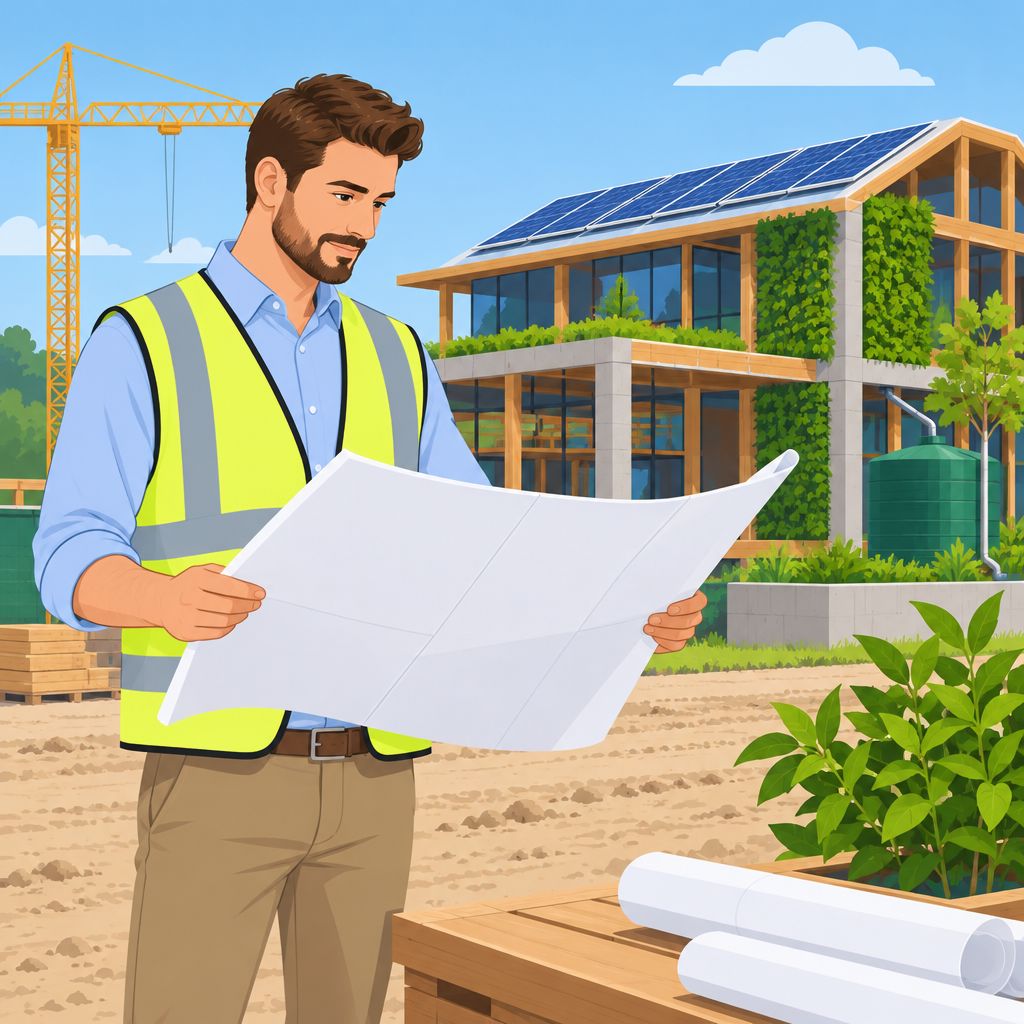
Role of a Construction Manager
- Construction managers play a critical role in ensuring compliance with local regulations and industry standards.
- They oversee the implementation of green building practices throughout the construction process.
- Construction managers work closely with architects, engineers, and subcontractors to meet green building requirements.
- They coordinate projects to integrate green building standards into design and construction.
- Construction managers monitor and document construction progress to support compliance with green building certifications.
Compliance with green building standards remains essential for creating sustainable and environmentally-friendly buildings.
Construction managers help achieve this goal by ensuring that projects meet necessary requirements and certifications.
Discover More: Day in the Life of a Heavy Equipment Operator
Common Misconceptions About Green Building Costs
Many people perceive green building as expensive at the beginning of a project.
However, people often overlook its long-term savings and benefits.
Some clients question material costs, project scale, and potential returns on investment.
- Many people perceive green building as expensive upfront.
- People often overlook the long-term savings and benefits.
- Some clients believe green materials and technologies cost too much.
- Some people believe green building suits only large projects.
- Clients may question the return on investment in green building.
Cost Management Strategies for Construction Managers
Construction managers can manage green building costs through careful planning and informed decisions.
They can evaluate financial benefits while controlling resources, waste, and project expenses.
They can also help clients understand financing options, incentives, and cost-effective solutions.
- Conduct a thorough cost-benefit analysis for green building projects.
- Consider the long-term financial benefits and savings of green building.
- Collaborate with suppliers to negotiate lower prices for green materials.
- Implement efficient project management techniques to control costs.
- Optimize resource use to minimize waste and reduce expenses.
- Educate clients about the financial advantages of green building practices.
- Use software tools for budget tracking and cost management.
- Stay updated on green building trends and cost-effective solutions.
- Explore financing options and incentives for green building projects.
- Engage in continuous learning to improve cost management skills.
Monitoring and evaluating green building performance helps ensure that sustainability goals remain on track.
Construction managers track energy consumption, water usage, and other important performance metrics.
These measurements help assess the project’s environmental impact and support informed improvements.
Benefits of Performance Monitoring
- First, regular monitoring helps construction managers confirm that projects meet established sustainability goals.
- Additionally, performance tracking reveals areas where managers can improve sustainability and operational efficiency.
- Furthermore, evaluations demonstrate the project’s commitment to sustainable practices and environmental responsibility.
- Finally, monitoring supports compliance with green building standards and regulatory requirements.
Energy Consumption Tracking
- Energy monitoring systems track building consumption in real time.
- Meanwhile, regular energy audits identify high-use areas and support energy-saving measures.
- Managers can compare actual consumption with predicted values to evaluate energy efficiency.
- Energy management practices optimize usage and reduce unnecessary waste.
Water Usage Monitoring
- Water meters measure building consumption and help identify excessive use.
- Moreover, low-flow fixtures and smart irrigation systems help conserve water.
- Regular leak inspections prevent water loss and improve management efficiency.
- Tracking water recycling helps reduce dependence on freshwater sources.
Environmental Impact Assessment
- Managers calculate greenhouse gas emissions to assess the building’s carbon footprint.
- They also monitor waste generation and disposal to support recycling practices.
- Indoor air quality tests help maintain a healthy and safe working environment.
- Finally, managers evaluate sustainable material use to reduce environmental impacts.
These monitoring practices keep green building projects aligned with sustainability goals.
They also help managers identify improvements and demonstrate environmental responsibility.
Construction Managers Driving Sustainable Building
Construction managers can strengthen green building outcomes by directing sustainable strategies throughout project delivery.
They also need to keep learning about emerging technologies and construction methods.
By applying updated knowledge, managers can support more consistent environmental performance across their projects.
Furthermore, their decisions can encourage the construction industry to adopt more eco-friendly practices.
This commitment can help create healthier and more efficient buildings for future generations.
Therefore, continued leadership can connect project decisions with broader sustainability goals.
Additional Resources
Bing search results for Construction Manager's Guide to Green Building Construction and Manual Labor


