




Effective Communication in Child Welfare Services
Effective communication plays a crucial role in child welfare services.
It supports collaboration among social workers, caregivers, and support networks.
Therefore, communication can significantly influence outcomes for children in the system.
The Importance of Clear Communication
Clear communication keeps all involved parties aligned.
It also builds trust and rapport among social workers, children, and families.
Additionally, open communication supports information sharing and informed decisions about care and placement.
Communication and Children’s Well-being
Communication directly influences children’s well-being in the child welfare system.
Clear exchanges can provide children with security, stability, and support.
Furthermore, social workers can understand children’s needs and preferences and tailor services accordingly.
Good communication helps establish a safe and nurturing environment for children to thrive.
Understanding the Different Communication Styles
Communication styles shape how people convey and interpret messages.
Direct, indirect, and assertive approaches can influence interactions differently.
Recognizing these differences helps people adjust their communication.
Communication Styles and Their Effects
Direct communication presents information clearly and straightforwardly.
This approach can sound authoritative during interactions.
Indirect communication relies on subtle cues and hints.
- Direct communication uses clear, straightforward messages.
- Its authoritative tone may influence how others respond.
- Indirect communication conveys messages through subtle cues and hints.
- Those subtle messages may create misunderstandings.
- Assertive communication expresses thoughts and feelings respectfully.
- It also acknowledges other people’s perspectives.
Recognizing and Adapting Communication Styles in Child Welfare Services
Recognizing diverse communication styles improves understanding.
Adapting communication to individual preferences helps build trust with children and families.
Flexible communication also supports cooperation among people involved in child welfare.
- Recognizing different styles improves communication effectiveness.
- Adapting communication preferences fosters trust and rapport.
- Addressing mismatched styles can help prevent conflicts.
- Preventing misunderstandings supports consistent service delivery.
- Flexible communication encourages collaboration among stakeholders.
- Effective communication supports positive outcomes for children in need.
Building Trust through Communication
Trust forms the foundation of strong relationships in child welfare services.
Children and families need to feel secure during interactions with professionals.
When professionals build trust, children and families can communicate more openly about their experiences and concerns.
The Role of Trust in Communication with Children and Families
Professionals create safer interactions by treating children and families with care and respect.
As trust grows, families become more willing to share important information.
Consequently, honest communication can support better outcomes for everyone involved.
Strategies for Building Trust through Open Communication
Professionals can use several strategies to strengthen trust during communication.
These approaches encourage participation, clarity, and respect throughout each interaction.
Furthermore, consistent communication helps children and families feel valued and heard.
- First, show genuine interest by listening carefully to what children and families share.
- Next, demonstrate empathy by acknowledging their feelings and experiences.
- Also, explain communication purposes and decisions clearly and honestly.
- Moreover, follow through on promises and commitments to build credibility.
- Always treat children and families with dignity, regardless of their circumstances.
- Additionally, involve children and families in decisions that affect them.
- Invite feedback so children and families know their voices matter.
- Finally, respect diverse cultural backgrounds when communicating with children and families.
See Related Content: Creating a Safe Space for Domestic Violence Victims
Active Listening Skills
Active listening strengthens communication in child welfare services.
It helps professionals understand children and families with greater accuracy.
Furthermore, attentive listening supports respectful and compassionate interactions.
Importance of Active Listening in Child Welfare Services
Active listening helps professionals understand children’s needs and concerns accurately.
It also demonstrates empathy and compassion toward children and families.
Consequently, careful listening can strengthen relationships and reduce communication conflicts.
- Helps professionals understand children’s needs and concerns accurately.
- Shows empathy and compassion toward children and families.
- Builds stronger relationships with children and families.
- Reduces misunderstandings and conflicts during communication.
- Increases the effectiveness of interventions and support.
Techniques for Improving Active Listening Skills
Professionals can improve active listening by applying consistent communication techniques.
These techniques encourage speakers to share their experiences without unnecessary interruption.
Additionally, they help professionals confirm understanding and respond with genuine concern.
- Give the speaker your full attention without distractions.
- Use nonverbal cues, such as nodding and appropriate eye contact.
- Reflect on what you heard to confirm understanding.
- Avoid interrupting while the speaker explains their thoughts.
- Show empathy and validate the speaker’s feelings.
- Ask clarifying questions to gather additional information.
- Paraphrase the message to demonstrate active engagement.
- Summarize key points to support clarity and alignment.
- Show genuine interest in the speaker’s well-being.
- Practice mindfulness and remain present while listening.
Using these techniques can improve understanding and connection with children and families.
As a result, professionals can provide more effective interventions and support.
Transform Your Career Today
Unlock a personalized career strategy that drives real results. Get tailored advice and a roadmap designed just for you.
Start NowUncover the Details: Community Resources for Disability Services Coordinators
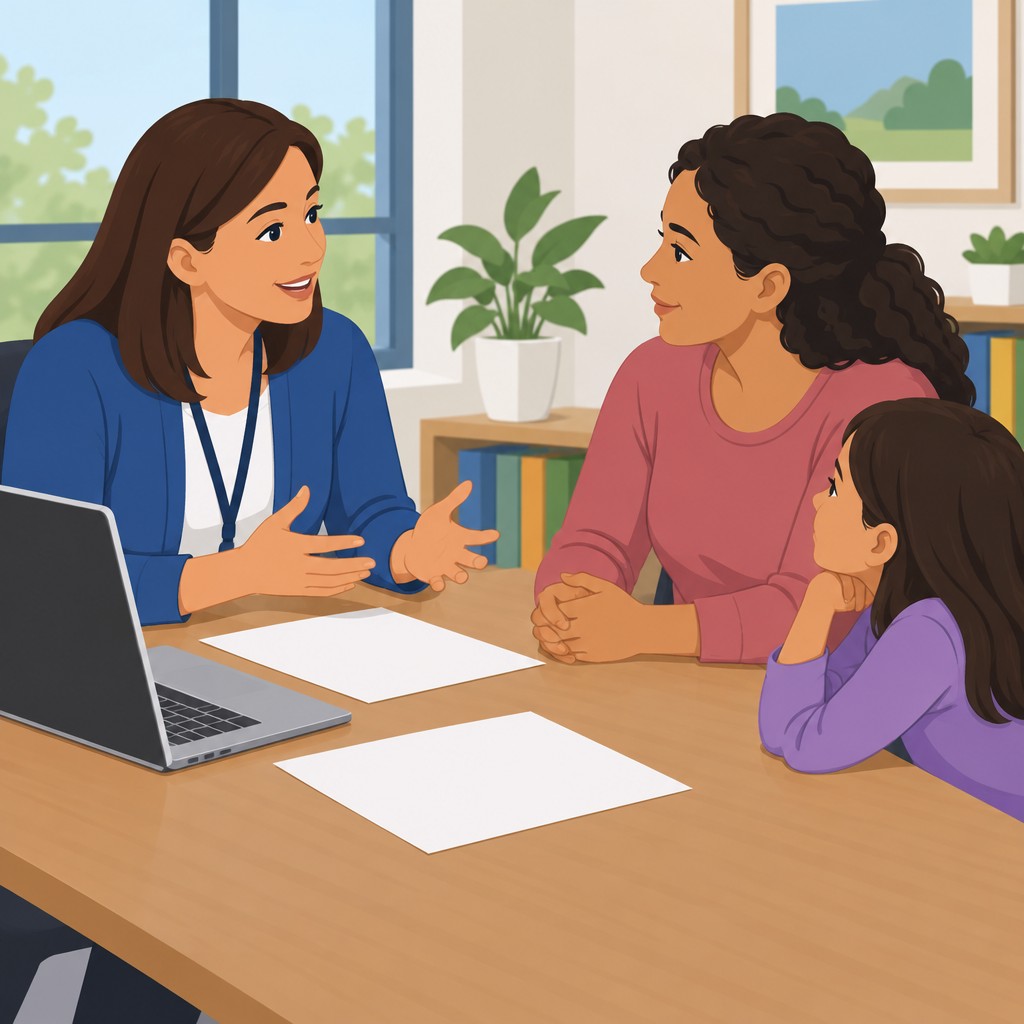
Nonverbal Communication in Child Welfare Services
Nonverbal communication helps caregivers understand children who may struggle to express their needs verbally.
Facial expressions, body language, and vocal tone can communicate emotions and feelings.
These signals help caregivers adjust their approach and respond with greater sensitivity.
The Importance of Nonverbal Cues
Nonverbal cues can reveal a child’s emotional state during child welfare interactions.
They also help caregivers recognize discomfort, uncertainty, or openness during conversations.
When caregivers respond thoughtfully, nonverbal communication can strengthen trust and rapport.
Interpreting and Using Nonverbal Communication
Caregivers should observe several signals together rather than relying on one isolated behavior.
They should remain patient, attentive, and respectful while children communicate in different ways.
Caregivers can also align their own nonverbal signals with their spoken messages.
- Observe the child’s gestures, posture, and eye contact to understand possible emotions.
- Notice smiles, frowns, and furrowed brows because facial expressions may reveal feelings.
- Listen to vocal tone and pitch because they may indicate mood or comfort.
- Consider cultural differences to reduce the risk of misinterpreting nonverbal behavior.
- Use calm expressions and respectful posture to communicate empathy and understanding.
- Create a safe environment where children feel comfortable expressing themselves.
- Use nonverbal signals that support spoken words and communicate sincerity.
- Allow children enough time to communicate through gestures, expressions, or silence.
- Invite children to share feedback about how caregivers communicate nonverbally.
Supportive Nonverbal Communication Practices
Thoughtful nonverbal communication can help caregivers understand children’s needs more clearly.
It can also create a supportive setting where children feel respected and understood.
By observing carefully, caregivers can build stronger connections with children in their care.
Gain More Insights: Mental Health Technician: Roles and Responsibilities
Setting Clear Expectations
Clear expectations help children and families understand their shared responsibilities, goals, and boundaries.
Consequently, everyone can work from the same understanding during child welfare services.
Predictable and consistent expectations can support children involved in the child welfare system.
- Both parties should understand what each person expects.
- All parties should agree on goals and boundaries.
- Children can experience greater predictability and consistency.
Strategies for Communicating Expectations
Professionals should communicate boundaries, rules, and goals using simple, straightforward language.
Additionally, open and honest conversations can address misunderstandings or confusion.
Examples and visual aids can make expectations and rules easier to understand.
- Use clear language that all parties can understand.
- Encourage honest communication about questions or confusion.
- Review and reinforce expectations regularly.
Clear expectations can foster positive relationships and outcomes for children and families.
Therefore, child welfare professionals can create supportive environments by communicating consistently.
These environments promote the well-being of everyone involved.
Learn More: What Does a Housing Coordinator Do?
Conflict Resolution in Child Welfare Services
Child welfare services often encounter conflict among professionals, families, caregivers, and support networks.
These conflicts can affect collaboration and service delivery when teams leave concerns unresolved.
Recognizing conflict sources helps teams choose constructive responses that support children and families.
Common Sources of Conflict in Child Welfare Services
Different stakeholders may interpret responsibilities, priorities, and available resources in different ways.
As a result, unclear communication and competing interests can create tension during service decisions.
Teams can address these challenges more effectively when they identify the underlying source of disagreement.
- Communication breakdown: Misunderstandings and unclear messages can create conflict.
- Differences in goals and priorities: Stakeholders may pursue competing interests and objectives.
- Power struggles: Hierarchy and authority issues can create tension among team members.
- Resource allocation: Disputes over limited resources can affect service delivery.
- Professional boundaries: Unclear roles and responsibilities can create disagreements between professionals.
Techniques for Resolving Conflicts Through Collaboration
Teams can reduce tension by creating opportunities for respectful discussion and shared problem-solving.
Clear roles, defined boundaries, and transparent expectations can prevent disagreements from escalating.
When direct discussions stall, mediation can help participants explore solutions with neutral support.
- Active listening: Professionals can acknowledge perspectives and demonstrate empathy during discussions.
- Clarifying expectations: Teams can define roles and responsibilities before disagreements develop.
- Open communication: Safe dialogue can encourage participants to share concerns directly.
- Mediation: A neutral third party can guide participants toward resolution.
- Collaboration: Stakeholders can work toward shared goals and stronger cooperation.
- Conflict resolution training: Staff can develop skills that improve workplace communication.
- Setting boundaries: Clear boundaries can prevent conflicts from becoming more serious.
- Seeking feedback: Welcoming feedback can reveal concerns and improve communication practices.
By identifying conflict sources, child welfare teams can respond before disagreements disrupt services.
Effective collaboration can strengthen relationships and support better outcomes for children and families.
Culture shapes communication in child welfare services.
Cultural competency supports clearer and more respectful interactions.
Professionals must recognize and respect cultural differences.
People from different backgrounds may communicate in different ways.
Awareness of cultural nuances can help professionals build trust and rapport.
Transform Your Career Today
Unlock a personalized career strategy that drives real results. Get tailored advice and a roadmap designed just for you.
Start NowHowever, cultural misunderstandings can hinder communication.
A culturally competent approach can improve outcomes for children and families.
Strategies for Promoting Cultural Competency and Sensitivity
Organizations can strengthen cultural competency through deliberate training and support.
Staff can apply these practices during interactions with diverse populations.
Ongoing evaluation can improve service delivery and cultural sensitivity.
- Educate staff about various cultural beliefs, values, and practices.
- Provide training on effective communication with diverse populations.
- Encourage open-mindedness and respect for different cultural perspectives.
- Offer interpreter or translator resources and support when needed.
- Use active listening and ask clarifying questions to confirm understanding.
- Consider nonverbal cues and body language that may vary across cultures.
- Adapt communication styles to align with individuals’ cultural norms.
- Seek feedback and learn from mistakes in cross-cultural communication.
- Promote organizational inclusivity and respect for diversity.
- Continuously evaluate and improve cultural competency efforts.
Strengthening Communication in Child Welfare Services
Effective communication builds trust and rapport with children and families in child welfare services.
Therefore, professionals must prioritize communication skills and address children’s and families’ needs and concerns.
Moreover, open and honest communication creates a safe, supportive environment where children and families can thrive.
Professionals should listen actively, validate emotions, and provide clear information to strengthen relationships.
Through effective communication, professionals empower children and families to participate in decisions and advocate for their rights.
Recognizing communication’s importance helps professionals improve the care and support they provide to children and families.
Let us improve our communication skills and approach this work with empathy, understanding, and respect.
Additional Resources
Bing search results for Effective Communication in Child Welfare Services Social and Human Services


