




Understanding Domestic Violence and Safe Spaces
Domestic violence is a pattern of abusive behavior in an intimate relationship.
It can cause severe physical and emotional consequences for victims.
Safe spaces for domestic violence victims support their well-being and recovery from trauma.
Understanding Domestic Violence
- Physical abuse involves hitting, slapping, punching, or causing any form of physical harm.
- Emotional abuse includes manipulation, verbal insults, threats, and controlling behavior.
- Financial abuse involves controlling finances, restricting money access, or sabotaging employment.
- Sexual abuse refers to unwanted sexual activity or coercion by a partner.
Statistics on Domestic Violence Cases in the United States
- Every minute, 20 people experience intimate partner violence in the United States.
- One in four women and one in nine men experience severe intimate partner physical violence.
- On average, nearly 20 people per minute experience physical abuse from an intimate partner.
- Only 34 percent of people injured by intimate partners receive medical care.
The Cycle of Violence and Its Effects on Victims
The cycle of violence consists of three phases: tension-building, explosion, and honeymoon.
- During the tension-building phase, arguments and conflicts increase pressure within the relationship.
- The explosion phase involves the actual incident of abuse and violence.
- Afterward, the honeymoon phase may involve apologies, promises to change, or displays of affection.
Victims may feel trapped in the cycle, making it difficult to leave the abusive relationship.
Emotional effects include low self-esteem, depression, anxiety, and post-traumatic stress disorder.
Physical effects can include bruises, broken bones, injuries, and death in severe cases.
Breaking the cycle requires support, resources, and a safe space to seek help.
The Role of Safe Spaces
Safe spaces help individuals feel secure, supported, and free from harm.
For victims, these environments create opportunities to regain stability and consider their next steps.
Additionally, safe spaces connect victims with practical resources and emotional support.
What Safe Spaces Provide
A safe space can exist as a physical location or a virtual environment.
It allows individuals to communicate without fear of harm or immediate danger.
Furthermore, supportive surroundings can help individuals begin addressing their experiences.
Why Safe Spaces Matter for Domestic Violence Victims
Domestic violence victims may need protection away from their abusers.
Safe spaces provide refuge while victims access support and recovery resources.
As a result, victims can focus on personal safety and rebuilding their lives.
Benefits of Accessing a Safe Space
Access to a safe space can offer several forms of meaningful support.
These benefits can help victims move toward healing, empowerment, and greater stability.
Moreover, shared support can reduce isolation during the recovery process.
- Victims can escape immediate danger and find refuge in a secure environment.
- They can receive emotional support, counseling, and resources for rebuilding their lives.
- Safe spaces can empower victims to take control of their situations and seek justice.
- A secure environment allows victims to begin healing and pursue recovery.
- Survivors can find community and solidarity, which may reduce feelings of isolation.
Learn More: Community Resources for Disability Services Coordinators
Creating a Safe Space for Domestic Violence Victims
Staff can create safety by offering empathy, privacy, flexibility, and respectful communication.
A calm environment helps victims feel welcome while they consider available support.
Trauma-informed training enables staff to respond with care and respect each victim’s choices.
- Offer a non-judgmental and empathetic environment.
- Protect confidentiality and privacy during every interaction.
- Provide a welcoming and calm physical space.
- Offer flexible scheduling for appointments and support.
- Communicate openly and honestly with each victim.
- Respect each victim’s autonomy and decision-making process.
- Provide resources and referrals for additional support.
- Train staff in trauma-informed care practices.
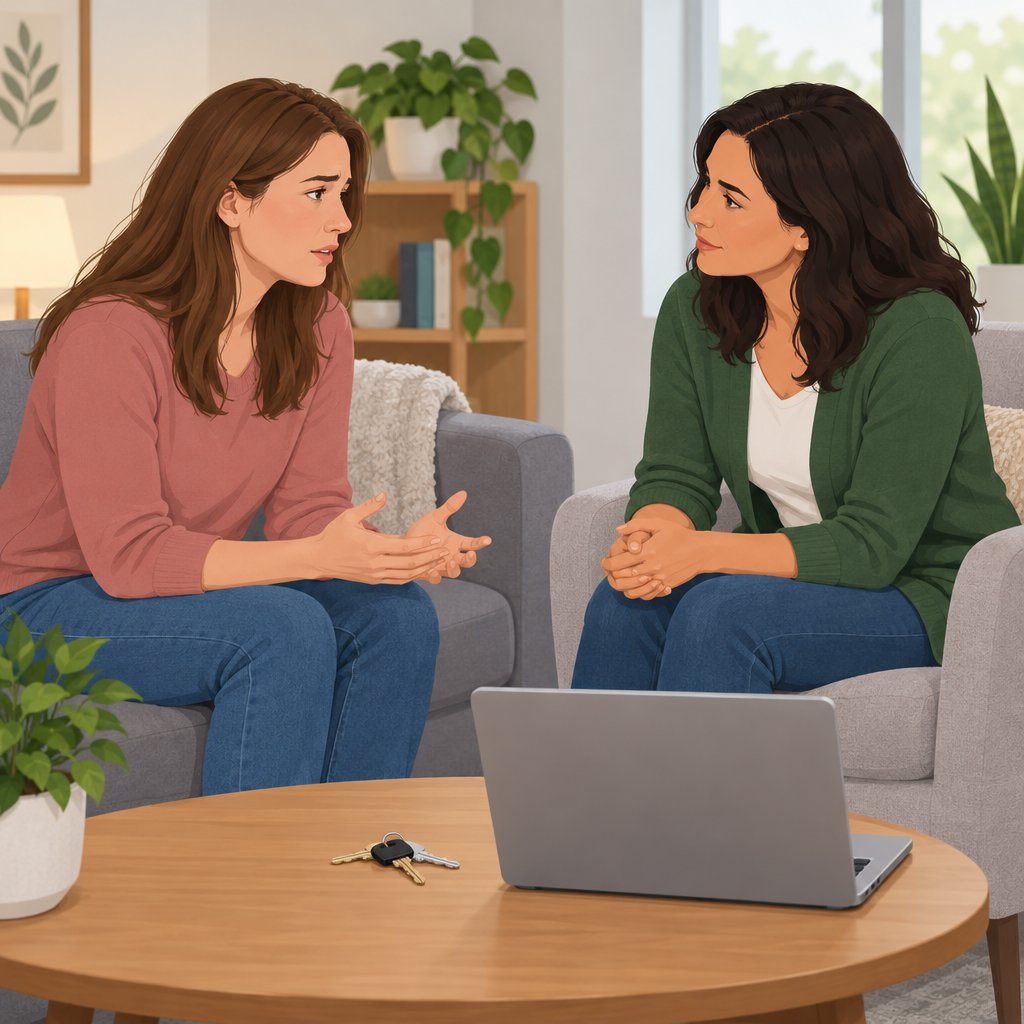
Building Confidentiality and Trust
Confidentiality establishes a foundation of trust between victims and support providers.
When victims feel secure, they can share their experiences and emotions more openly.
Trust supports communication, healing, empowerment, and personal decision-making.
- Confidentiality builds a foundation of trust with the victim.
- Victims need safety when sharing experiences and emotions.
- Trust supports effective communication and healing.
- Confidentiality helps protect victims from further harm or retaliation.
- Trust promotes empowerment and personal autonomy.
- Confidentiality strengthens a safe and supportive environment.
Resources That Support Safe Spaces
Victims can access different services that address housing, emotional support, legal needs, and community connection.
These resources provide immediate assistance while supporting longer-term stability and healing.
Support providers can connect victims with services that match their needs and choices.
- Domestic violence shelters provide temporary housing and support services.
- Hotlines offer confidential and immediate crisis assistance.
- Support groups provide community and understanding.
- Counseling services provide mental health support and healing.
- Legal aid organizations offer guidance and advocacy.
- Educational programs provide knowledge and safety skills.
- Local community resources create networks of support.
- Faith-based organizations can provide spiritual and emotional support.
Discover More: Mental Health Technician: Roles and Responsibilities
Supporting Domestic Violence Victims
Domestic violence victims may experience fear, shame, and guilt.
Emotional support helps them process these feelings and consider available choices.
Supporters can provide care while respecting each victim’s independence and decisions.
Emotional Support for Victims
First, listen carefully when victims describe their experiences.
Next, respond with empathy instead of judgment or pressure.
Also, reassure victims that abuse is not their fault.
- Listen without judgment, encourage sharing, and validate the victim’s emotions.
- Show empathy and explain that the abuse is not the victim’s fault.
- Reassure victims that support exists and encourage them to seek help.
- Respect each victim’s choices and support personal decision-making.
Accessing Essential Resources
Practical resources can help victims rebuild their lives.
Service information can connect victims with support that matches their needs.
Safety planning and financial assistance can support greater independence.
Transform Your Career Today
Unlock a personalized career strategy that drives real results. Get tailored advice and a roadmap designed just for you.
Start Now- Share information about shelters, legal aid, counseling, and support groups.
- Help create a safety plan that identifies safe places and code words.
- Connect victims with legal aid for protective orders and custody concerns.
- Help victims explore emergency funds, housing assistance, and job training.
Community Support and Safe Spaces
Communities can help victims find support and safer environments.
Neighbors, friends, and relatives can respond with empathy and practical assistance.
Local partnerships can coordinate services and strengthen protection for victims.
- Raise awareness about domestic violence and available support services.
- Encourage bystanders to recognize concerns and take appropriate action.
- Build partnerships among shelters, nonprofits, and government agencies.
- Advocate for policies that protect victims and hold abusers accountable.
See Related Content: What Does a Housing Coordinator Do?
Legal Protection for Victims
Domestic violence victims have legal options that may help protect them from abusers.
Therefore, victims should learn about available protections and support services.
This knowledge can help victims consider choices related to safety and well-being.
Available Legal Protections
A restraining order is a court order that can prohibit an abuser from contacting or approaching a victim.
Additionally, victims may seek a protective order with potentially broader requirements.
These orders may require an abuser to leave a shared residence or attend counseling.
Victims can also seek legal assistance from a domestic violence lawyer or legal aid organization.
Knowing Legal Rights
Understanding legal rights helps victims advocate for themselves and make informed decisions.
Moreover, this knowledge can support clearer communication with law enforcement and legal professionals.
It can also help victims navigate legal procedures and communicate their needs to support services.
By knowing their rights, victims can seek legal remedies that support safety and well-being.
Victims are not alone, and help is available during this challenging time.
Gain More Insights: Working with Families as a Substance Abuse Counselor
Building Networks of Safety and Support
Safe spaces protect domestic violence victims’ physical and emotional well-being.
They also provide support, understanding, and encouragement as victims seek help.
Furthermore, communities can help victims reclaim their lives and move toward safety.
- Safe spaces offer victims refuge from harm and opportunities to feel supported.
- Additionally, these environments can empower victims to seek appropriate assistance.
- Communities can help break the cycle of abuse by supporting victims.
- Individuals should advocate for victims and promote a culture of healing.
- Supporters can listen, share resources, and help victims access legal services.
- They can also help victims connect with mental health services.
- Together, we can stand with victims and work toward a future free from domestic violence.


