




Work-Life Balance for CBP Officers
Work-life balance is crucial for CBP Officers to maintain mental and physical well-being while on duty.
It allows officers to recharge, reduce stress, and perform their duties more effectively.
Consequently, better balance can enhance overall job performance.
Challenges and Demands of CBP Officer Work
CBP Officers face high-stress situations, long hours, and constant demands for alertness and focus.
Additionally, irregular shifts can reduce time with family, friends, and personal hobbies.
Over time, these demands can affect officers’ mental health and overall quality of life.
Therefore, officers need healthy work-life balance to thrive in their profession.
A Day in the Life of a CBP Officer
- Description of a typical day for a CBP Officer
- Long hours and high-stress situations
- The importance of finding balance amid workplace challenges
Working as a CBP Officer demands physical strength, mental strength, and readiness for unpredictable challenges.
Each day presents situations that test both forms of strength.
Typically, officers begin work early, often before sunrise, and prepare for whatever may arise.
Moreover, shifts may last up to 12 hours or more, depending on agency needs.
Consequently, officers may have little time to rest and recharge between shifts.
These demands can gradually affect their well-being.
During duty, officers may face high-stress situations requiring split-second decisions.
Those decisions can have far-reaching consequences.
Therefore, officers must remain vigilant and prepared for threats or emergencies.
Constant alertness can become mentally exhausting.
Despite these demands, officers recognize the importance of maintaining personal well-being.
They understand that self-care supports effective performance.
Many officers exercise, spend time with loved ones, or pursue hobbies outside work.
Additionally, officers can use healthy outlets to manage stress.
They may also seek guidance from mental health professionals or peer support groups.
Taking time off can help officers recharge when necessary.
Strategies for Maintaining Work-Life Balance
CBP Officers can protect their well-being through practical routines and consistent personal priorities.
These strategies support healthier habits during demanding work periods.
Furthermore, clear boundaries can help officers separate professional responsibilities from personal time.
- CBP Officers can use practical tips to prioritize their well-being.
- They can manage stress while working to avoid burnout.
- They can practice self-care to support their mental and physical health.
Prioritizing Well-Being
CBP Officers should schedule exercise, hobbies, and time with loved ones.
These activities can help officers maintain personal fulfillment alongside their professional responsibilities.
Additionally, setting boundaries between work and home can support a healthier balance.
Managing Stress and Avoiding Burnout
CBP Officers can practice mindfulness techniques to manage stress more effectively.
Recognizing burnout signs allows officers to take needed time off.
Moreover, colleagues, friends, and mental health professionals can provide valuable support.
Self-Care Practices for Mental and Physical Health
Regular physical activity can improve mood and reduce stress levels.
A balanced diet and sufficient sleep also support overall health.
Finally, relaxation and mental health activities can improve focus and productivity.
By applying these strategies, CBP Officers can support their well-being and maintain a healthier work-life balance.
Explore Further: Conflict Resolution for Campus Security Officers
Support Systems for CBP Officers
CBP officers face demanding duties that can create significant pressure and stress.
Access to reliable resources helps officers manage these challenges more effectively.
Support systems can also strengthen officers’ well-being during difficult periods.
Transform Your Career Today
Unlock a personalized career strategy that drives real results. Get tailored advice and a roadmap designed just for you.
Start NowResources and Support Available for CBP Officers
Several programs connect officers with practical assistance and professional guidance.
These services address workplace demands, personal challenges, and ongoing professional development.
Family-focused programs also recognize how relatives contribute to an officer’s well-being.
- Peer support programs connect CBP officers with colleagues who understand the job’s unique challenges.
- Employee assistance programs provide counseling, mental health resources, and referrals for personal challenges.
- Training and development opportunities help officers strengthen their skills and knowledge.
- Family support services assist officers’ families and acknowledge their role in officer well-being.
Counseling Services and Mental Health Programs
Confidential services give officers a private setting for addressing emotional and psychological concerns.
Mental health programs promote wellness while helping officers manage stress and prevent burnout.
Psychological and crisis services provide additional assistance when officers experience serious difficulties.
- Confidential counseling helps officers address stress, anxiety, and post-traumatic stress disorder.
- Mental health programs promote wellness and help prevent burnout among officers.
- Psychologists provide assessments and interventions for officers facing mental health concerns.
- Crisis intervention services assist officers during emergencies or mental health crises.
Encouragement to Seek Help When Needed
Officers should seek assistance whenever job demands become overwhelming or difficult to manage.
Requesting help demonstrates strength and supports better mental health and overall well-being.
Supervisors and colleagues can encourage open discussions about mental health without stigma.
A supportive workplace helps officers access resources and maintain healthy, balanced lives.
Delve into the Subject: Building Rapport as a Parole Officer
Flexibility and Work Hours for CBP Officers
CBP Officers may work weekends, holidays, nights, and other irregular hours.
However, some officers may select shifts or swap assignments with colleagues.
Therefore, scheduling flexibility can support personal commitments and daily planning.
Scheduling Flexibility for CBP Officers
Border protection duties require officers to remain available during various times.
Nevertheless, officers may sometimes influence their schedules through shift selections or workplace swaps.
This flexibility can help officers coordinate personal responsibilities more effectively.
Shift Assignments and Personal Time
Shift assignments can strongly influence how officers manage personal time.
For example, rotating shifts and extended hours can make routines difficult to maintain.
Consequently, officers should monitor how assignments affect their well-being and relationships.
Managing Irregular Hours and Daily Routines
Officers can use practical habits to manage changing schedules more effectively.
Additionally, consistent planning can create structure when work hours vary.
Officers should also request assistance when scheduling demands become difficult to manage.
- Prioritize self-care through exercise, hobbies, relaxation, or time with loved ones.
- Communicate with colleagues about scheduling needs and challenges.
- Create a personal routine that supports organization despite changing work hours.
- Set boundaries when additional duties or overtime threaten personal well-being.
- Seek guidance from a mentor, counselor, or support group when necessary.
- Use vacation days and personal time to rest and recharge.
See Related Content: Nuclear Security Officer: Emergency Response
Impact of Work-Life Balance on Job Performance
- A balanced work and personal life can improve job satisfaction.
- Well-being directly influences job performance.
- A healthy balance benefits both officers and their organizations.
A balanced schedule can enhance job satisfaction by helping employees manage professional responsibilities and personal commitments.
Consequently, employees may feel more fulfilled and content in their roles.
This satisfaction can support stronger productivity and performance.
Research shows a direct relationship between employee well-being and job performance.
However, stress, excessive workloads, and competing demands can reduce workplace productivity and efficiency.
By contrast, balanced employees often remain motivated, engaged, and focused.
These qualities can strengthen job performance.
Furthermore, work-life balance can benefit officers and their organizations.
Satisfied employees may demonstrate greater loyalty, which can reduce turnover and improve retention.
Better physical and mental health may also reduce sick days and organizational healthcare costs.
Therefore, organizations that support balance can foster productivity, engagement, and employee well-being.
You Might Also Like: Day-to-Day Duties of Campus Security Officers
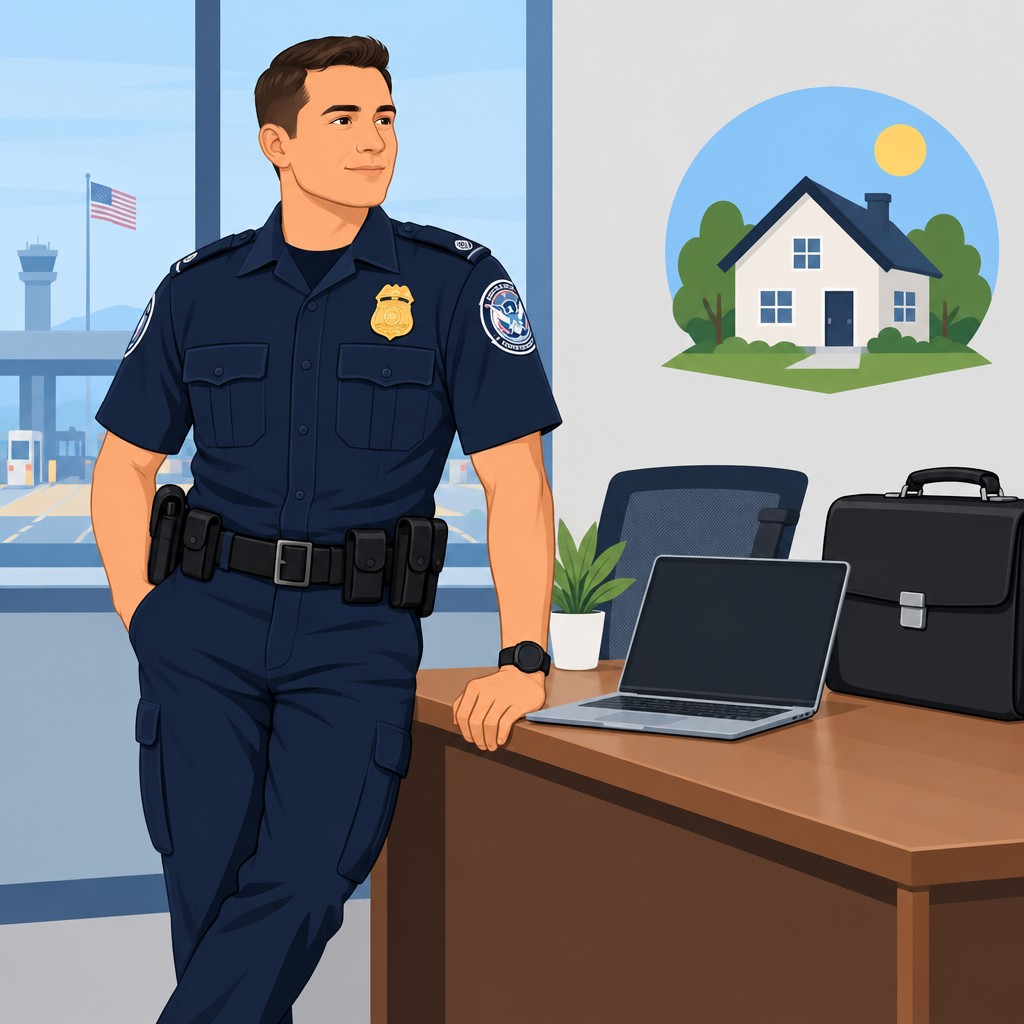
Work-Life Balance Challenges for CBP Officers
Law enforcement officers, including CBP officers, face unique challenges when maintaining work-life balance.
Their duties often involve high-pressure situations and demanding work environments.
These conditions can affect personal time, emotional well-being, and daily routines.
Effects of High-Pressure Situations
- CBP officers regularly address potential security threats.
- They also enforce complex laws and regulations.
- Consequently, the demanding environment can create significant stress.
- Long working hours may contribute to emotional exhaustion.
- Furthermore, officers may struggle to switch off after work.
- Their responsibilities can make relaxation difficult.
Effects of Demanding Work Environments
- CBP officers often work nights, weekends, and holidays.
- Irregular hours can disrupt their personal lives.
- Shift work and overtime may cause fatigue.
- Fatigue can limit quality time with family and loved ones.
- Additionally, unpredictable duties can complicate personal planning.
- Officers may find leisure activities difficult to schedule.
Strategies for Maintaining Balance
- Clear boundaries can separate work responsibilities from personal life.
- Exercise can support stress management and personal well-being.
- Mindfulness and relaxation techniques may also reduce stress.
- Effective time management can help officers handle competing demands.
- Prioritization can protect time for important personal responsibilities.
- Delegation may reduce pressure during demanding work periods.
- Open communication can clarify workload and scheduling concerns.
- Supervisors and colleagues may provide flexibility and workplace support.
- Family and friends can offer valuable emotional support.
- Mental health professionals can provide guidance during difficult periods.
Recognizing these challenges helps CBP officers address work-life balance more deliberately.
Transform Your Career Today
Unlock a personalized career strategy that drives real results. Get tailored advice and a roadmap designed just for you.
Start NowWith effective strategies, officers can support fulfillment in both professional and personal life.
Personal Stories and Testimonials
Many CBP Officers have shared personal anecdotes and testimonials about their work-life balance experiences.
These stories reveal the challenges they face and the strategies they use to maintain equilibrium.
Together, these accounts offer insight into their personal and professional lives.
Real-life Examples
These stories provide insight into the challenges CBP Officers face.
They also describe strategies for maintaining a sense of equilibrium.
Furthermore, their experiences show how officers approach balance in different ways.
- One officer shared how setting boundaries around work hours allowed more quality family time.
- Another officer discussed how daily exercise helped manage the stress of the job.
- A third officer explained how meditation and hobbies improved overall well-being.
These examples highlight the diverse ways CBP Officers manage their personal and professional lives.
By learning from these experiences, others can gain inspiration and insights for prioritizing their well-being.
Prioritizing Well-Being and Resilience
CBP Officers need work-life balance to maintain well-being and perform their duties effectively.
Therefore, officers should prioritize self-care and mental health.
These priorities help officers carry out their responsibilities more effectively.
Officers should consciously seek support when needed and reserve personal time outside work.
By protecting their well-being, officers can strengthen job satisfaction and effectiveness.
Furthermore, available resources can support officers’ mental and emotional well-being.
Prioritizing self-care helps officers serve their community with fulfillment and resilience.
Additional Resources
Google search results for CBP Officer Work-Life Balance Insights Protective Services
Bing search results for CBP Officer Work-Life Balance Insights Protective Services


