




The Role of Broadcast Technicians
Broadcast technicians play a crucial role in the media industry.
They manage and maintain equipment for television and radio broadcasting.
These professionals help audio and visual content reach audiences clearly.
Without skilled technicians, media operations would face significant challenges.
They support the smooth delivery of live programs, recorded shows, and breaking news.
Technicians troubleshoot technical issues in real time.
They operate complex broadcasting systems, including cameras, microphones, and transmission lines.
Their work helps viewers and listeners receive high-quality content without interruptions.
Furthermore, they monitor rapidly changing broadcasting technology.
They stay current with new equipment and software.
This continuous learning helps them adapt to new tools and methods.
During live broadcasts, technicians often work under pressure.
When glitches or equipment failures occur, they respond quickly.
That readiness helps audiences enjoy smooth viewing and listening experiences.
Beyond technical duties, broadcast technicians collaborate with producers, directors, and other team members.
These teams coordinate their efforts to meet professional quality standards.
Together, they help broadcasting operations remain efficient and effective.
As the industry evolves, their expertise will remain essential.
Lack of Proper Training
Insufficient training creates significant obstacles for broadcast technicians.
Many technicians enter the field without adequate preparation.
Consequently, they may lack essential knowledge and skills for effective broadcasting.
Rapid technological changes further increase the need for continuous training.
Inadequate preparation can reduce broadcast quality and harm a station’s reputation.
Viewers expect reliable production values from their media outlets.
Moreover, poorly trained technicians may struggle to troubleshoot problems efficiently.
Impact of Inadequate Training
Insufficient training affects broadcast quality, operating costs, viewer trust, downtime, and career development.
Technical mistakes can disrupt schedules and weaken audience engagement.
These consequences can also limit technicians’ professional advancement.
- Decreased Broadcast Quality: Poorly trained technicians may miss details affecting sound and video quality.
- Increased Operational Costs: Frequent errors may require expensive equipment fixes or replacements.
- Decline in Viewer Trust: Repeated technical problems may cause viewers to change channels.
- Extended Downtimes: Technicians may take longer to resolve problems and maintain broadcast schedules.
- Limited Career Growth: Technicians without proper training may struggle to advance professionally.
Solutions to Address the Training Gap
Media organizations can reduce training gaps through structured learning and practical support.
Continuous education helps technicians strengthen their skills as broadcasting requirements change.
Practical guidance can also improve confidence during complex technical situations.
- Ongoing Professional Development Programs: Stations should invest in continuous education for their technicians.
- Partnerships with Educational Institutions: Colleges can create programs tailored to industry needs.
- Hands-On Workshops: Regular practical workshops can strengthen technicians’ skills and confidence.
- Mentorship Opportunities: Experienced professionals can guide less experienced technicians.
- Online Training Resources: Online platforms can provide flexible and accessible learning opportunities.
These measures can improve technicians’ abilities and support higher-quality broadcasts.
They can also increase viewer satisfaction by reducing avoidable technical problems.
Technological Challenges
The broadcast industry continues to introduce new technologies rapidly.
Technicians must learn new tools, equipment, and methods within short periods.
This adjustment can overwhelm technicians who lack experience with similar systems.
As a result, organizations must support learning while maintaining reliable operations.
Technological changes create several specific demands for broadcast technicians.
- Equipment Upgrades: Regular upgrades require technicians to learn new systems frequently.
- Complexity of Systems: Evolving technology can make systems increasingly difficult to understand.
- Integration Issues: New technologies must work smoothly with existing setups.
- Cybersecurity Concerns: Technicians must understand cybersecurity to protect data and broadcast integrity.
Keeping Up with Technological Advancements
Technicians can manage technological change by pursuing regular learning opportunities.
Industry events and vendor instruction can introduce current tools and methods.
Transform Your Career Today
Unlock a personalized career strategy that drives real results. Get tailored advice and a roadmap designed just for you.
Start NowProfessional connections can also encourage knowledge sharing among technicians.
- Regular Media Conferences: Industry conferences can expose technicians to recent broadcasting technology.
- Vendor Training Sessions: Manufacturers often provide instruction for new equipment.
- Subscription to Industry Publications: Journals can help technicians follow trends and innovations.
- Networking Opportunities: Professional connections can support knowledge sharing and learning.
- Online Learning Platforms: Online courses can provide cost-effective technology training.
These strategies can help technicians approach new technologies with greater confidence.
Better preparation supports smooth operations and consistently high-quality broadcasts.
Workplace Environment Challenges
Broadcast technicians often work in demanding environments.
Live broadcasts create pressure because technicians must meet strict deadlines.
Persistent stress can affect performance, morale, and job satisfaction.
Physical working conditions can create additional obstacles for technicians.
- Long Hours: Irregular schedules can contribute to technician fatigue.
- High-Stress Levels: Tight schedules can increase anxiety and contribute to burnout.
- Insufficient Resources: Limited resources can hinder equipment maintenance and upgrades.
- Limited Support: Insufficient management support can reduce job satisfaction.
Enhancing the Workplace Environment
Organizations can improve working conditions through practical policies and stronger management support.
Clear expectations can help technicians manage pressure and understand their responsibilities.
Access to suitable tools can also improve performance during demanding broadcasts.
- Flexible Scheduling: Flexible schedules can help technicians manage their workloads more effectively.
- Supportive Management: Managers should encourage open communication and support their teams.
- Well-Defined Roles: Clear roles can reduce stress by clarifying workplace expectations.
- Team Building Activities: Planned activities can encourage teamwork and professional camaraderie.
- Access to Resources: Organizations should provide the tools and support technicians need.
These improvements can create a more supportive and productive workplace.
They can also help organizations maintain strong broadcasting standards and improve job satisfaction.
Broadcast technology changes rapidly, creating new demands for professionals who manage daily technical operations.
Technicians must maintain reliable performance while adapting their skills to evolving broadcast systems.
They also need resilience, flexibility, and practical knowledge to deliver consistent results.
Technological Changes Reshaping Broadcast Operations
Modern broadcasting relies on increasingly advanced tools, platforms, and connected production environments.
As a result, even experienced technicians must regularly adjust their methods and technical knowledge.
These demands require professionals to solve problems quickly without compromising broadcast quality.
- Complex systems: New technologies create complicated systems with many interconnections.
- Media integration: Digital platforms must work smoothly with traditional broadcasting formats.
- Quality expectations: Advanced technology increases audience expectations for reliable, high-quality content.
- Legacy equipment: Older tools may require retrofitting or replacement before supporting newer technologies.
Continuous Learning for Broadcast Technicians
Technicians must continue learning because technical knowledge can become outdated quickly.
They use several learning methods to understand new equipment, processes, and industry practices.
Furthermore, ongoing education strengthens their ability to troubleshoot unfamiliar problems creatively.
- Online courses: Technicians study new technologies and professional practices through online classes.
- Workshops and seminars: Industry events provide practical learning and opportunities to meet peers.
- Manufacturer training: Equipment makers explain current products and their practical applications.
- Peer mentorship: Experienced technicians share knowledge with newer professionals.
Experience remains valuable, but technicians cannot depend on familiar solutions alone.
Instead, they must assess unfamiliar situations and select effective responses under pressure.
This approach helps them maintain dependable performance as broadcast environments continue changing.
Technical Demands of IP-Based Broadcasting
IP-based workflows offer flexible and efficient ways to manage broadcast production.
However, these workflows require technicians to understand networking, digital formats, and security.
They must also monitor network performance carefully to protect broadcast quality.
- Networking knowledge: Technicians work with IP addresses, networking protocols, digital formats, and security.
- Quality control: Careful monitoring helps prevent latency, packet loss, and related disruptions.
- System compatibility: Hardware and software may not integrate smoothly across different platforms.
- Remote production: IP broadcasting requires reliable connectivity across different production locations.
Technicians must identify network weaknesses before they affect the broadcast.
They also need to resolve compatibility problems between connected hardware and software.
Consequently, strong technical judgment supports reliable remote and studio-based production.
Managing Automation and Emerging Production Tools
Broadcast automation introduces additional responsibilities for technicians.
They must verify that automated processes operate correctly throughout production.
Meanwhile, emerging formats require new approaches to content creation and technical management.
- Automation systems: Technicians monitor automated processes and correct failures when necessary.
- Virtual and augmented reality: New formats require specialized skills for creating and managing content.
- Cloud solutions: Technicians manage secure and efficient access to cloud storage and editing tools.
- Advanced production tools: New editing software requires continuous practice and technical exploration.
These technologies expand production possibilities while increasing operational complexity.
Technicians therefore need disciplined workflows to manage unfamiliar tools effectively.
Professional growth enables them to support quality broadcasting across changing media environments.
Professional Adaptation in a Changing Broadcast Environment
Technological progress will continue shaping the daily responsibilities of broadcast technicians.
Technicians who embrace learning can respond more effectively to new systems and production requirements.
By combining technical knowledge with adaptable problem-solving, they can maintain dependable broadcast quality.
Find Out More: How to Find Clients as a Freelance Podcast Producer
Transform Your Career Today
Unlock a personalized career strategy that drives real results. Get tailored advice and a roadmap designed just for you.
Start Now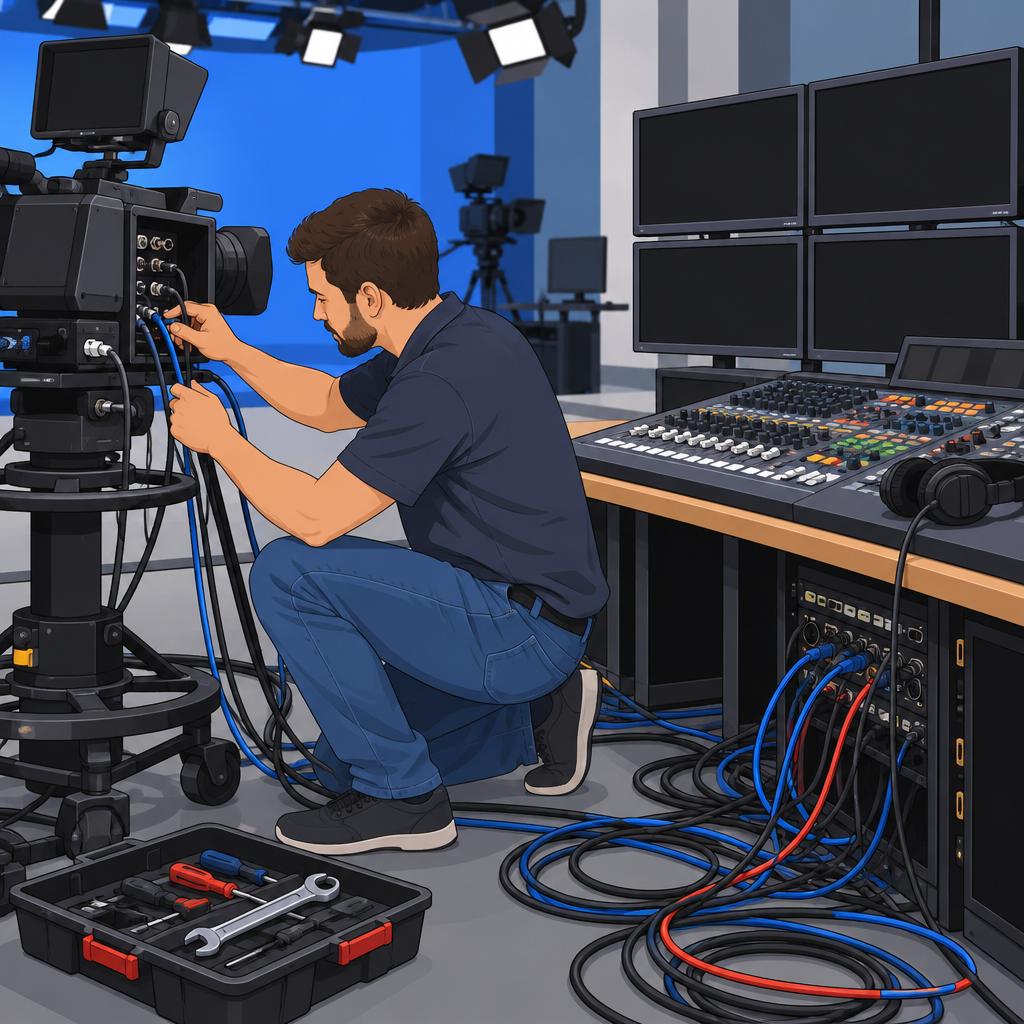
Equipment Malfunctions in Broadcasting
Broadcast technicians encounter numerous challenges during their daily work.
Equipment breakdowns can occur at inconvenient times and threaten broadcast quality.
These failures can also disrupt schedules and increase pressure during live broadcasts.
Understanding Equipment Breakdowns
Several factors can cause equipment malfunctions during broadcasts.
Hardware failures and software glitches can interrupt normal operations.
Physical wear, unexpected power surges, and damaged components may also create problems.
Understanding these causes helps technicians resolve issues more quickly.
Importance of Regular Maintenance
Regular maintenance helps technicians prevent equipment breakdowns.
Scheduled inspections can reveal minor issues before they become serious failures.
Technicians should inspect hardware and software components through an established routine.
They should also follow suitable practices for each type of broadcasting equipment.
Key Maintenance Activities
Consistent maintenance keeps equipment functional and supports dependable broadcast performance.
Technicians can combine cleaning, testing, calibration, and inspection within regular routines.
These activities address common sources of equipment failure before broadcasts begin.
- Clean equipment routinely to prevent dust accumulation.
- Install software updates to maintain functionality and security.
- Calibrate equipment to support optimal performance.
- Inspect cables and connectors for wear or damage.
- Test backup power systems periodically to confirm reliability.
Importance of Troubleshooting Skills
Strong troubleshooting skills help technicians identify problems efficiently.
Technicians must process information quickly and analyze situations carefully.
Familiarity with common issues allows them to select effective solutions sooner.
Essential Troubleshooting Steps
A structured process helps technicians investigate failures without overlooking basic causes.
They should begin with simple checks before examining individual components.
Clear observations and careful testing support faster problem isolation.
- Determine the malfunction symptoms clearly.
- Check power sources and connections first.
- Use diagnostic tools to assess the problem.
- Consult equipment manuals to understand error codes.
- Isolate components to identify faulty hardware.
Preventing Equipment Failures
Preventative measures can reduce the likelihood of equipment failures.
Awareness of potential problems gives technicians more time to respond effectively.
Proactive strategies help technicians support uninterrupted broadcast quality.
Effective Prevention Tips
Prevention requires consistent checks, careful handling, and reliable preparation.
Technicians can strengthen readiness by documenting procedures and maintaining replacement resources.
These practices also help teams respond when equipment develops a fault.
- Establish regular equipment checks within daily operations.
- Educate staff about proper equipment handling.
- Implement a fail-safe system for power management.
- Keep an inventory of spare parts for quick replacements.
- Document maintenance procedures and previous malfunctions for future reference.
Handling Equipment Failures During Broadcasts
Technicians must prepare for equipment failures during live broadcasts.
A prompt response can limit disruptions and protect broadcast continuity.
Calm decision-making helps technicians manage pressure during urgent situations.
Strategies for Effective Response
Effective response strategies give technicians a clear direction during failures.
Communication keeps production personnel informed while technicians investigate the issue.
Backup options can preserve broadcasts while technicians address faulty equipment.
- Maintain an emergency plan that every team member understands.
- Communicate constantly with production personnel.
- Use alternate feeds or backup systems to maintain broadcasts.
- Evacuate non-essential personnel from the studio to streamline workflows.
- Conduct post-mortem analyses after failures to improve future responses.
Building Reliable Broadcast Operations
Equipment malfunctions remain a significant challenge for broadcast technicians.
Regular maintenance and strong troubleshooting skills support reliable technical performance.
Preventative planning and emergency preparation can strengthen broadcast integrity and reliability.
See Related Content: Importance of Networking for Broadcast Technicians
High Pressure and Stressful Broadcast Environments
Broadcast technicians work under high stakes and tight deadlines.
They often face intense pressure during live broadcasts.
Each performance demands accurate and dependable execution.
Mistakes can create significant consequences for the broadcast.
Transform Your Career Today
Unlock a personalized career strategy that drives real results. Get tailored advice and a roadmap designed just for you.
Start NowConsequently, these challenges create daily stress for technicians.
The Nature of Stress During Live Broadcasts
Live broadcasts place technicians against strict timelines.
Every second matters when a malfunction threatens programming.
Technicians must make quick decisions during unexpected situations.
Moreover, live broadcasting increases the intensity of these decisions.
- Technical Failures: Equipment malfunctions can occur unexpectedly.
- Timing Issues: Technicians need precise timing for seamless transitions.
- Unexpected Changes: Producers may introduce last-minute scripts or cues.
- Pressure from Superiors: Managers and directors may communicate urgent demands.
This environment leaves little room for mistakes or adjustments.
Technicians feel pressure as they pursue consistent performance.
Furthermore, public failure can create intense performance anxiety.
Effects on Performance and Mental Health
Prolonged broadcast stress can affect technicians’ mental health.
They may experience burnout after enduring chronic fatigue.
Constant concern about mishaps can also produce anxiety.
Additionally, excessive pressure may reduce their ability to focus.
- Burnout: Chronic stress can make fatigue feel routine.
- Anxiety: Technicians may constantly worry about potential mishaps.
- Reduced Focus: Pressure can make concentration more difficult.
- Job Dissatisfaction: Stress can reduce enjoyment of the work.
These problems can diminish technicians’ overall performance.
Stress may impair their ability to troubleshoot during broadcasts.
Fear of mistakes can create a cycle of stress and lower confidence.
As a result, technical work may suffer and affect broadcast quality.
Coping Strategies for Broadcast Technicians
Technicians can adopt practical methods to manage workplace stress.
Effective preparation can reduce anxiety before a broadcast begins.
Mindfulness practices can help technicians focus on present tasks.
Regular breaks can also restore mental energy during production cycles.
- Preparation: Adequate preparation can significantly reduce anxiety.
- Mindfulness Techniques: Mindfulness can support focus on the present moment.
- Regular Breaks: Short breaks can restore energy and concentration.
- Clear Communication: Team communication can prevent misunderstandings and errors.
- Physical Well-Being: Physical fitness can support mental health.
Training sessions and drills help technicians become familiar with procedures.
This preparation builds confidence and improves responses to unexpected challenges.
Deep breathing and meditation can ease anxiety during demanding periods.
Visualization may also help technicians imagine successful broadcast performance.
Open communication provides real-time updates and reduces confusion.
Regular exercise can improve mood and reduce stress levels.
A balanced diet can support energy and mental health.
Building a Supportive Work Environment
Organizations can promote technician well-being through supportive workplace practices.
Employers can reduce stress by encouraging cooperation among team members.
They can also provide mental health resources, including counseling access.
Flexible scheduling may help technicians manage personal responsibilities.
- Encouraging Teamwork: Collaboration can strengthen technicians’ sense of belonging.
- Providing Mental Health Resources: Counseling access can give workers valuable support.
- Implementing Flexible Scheduling: Flexible hours can help technicians manage personal obligations.
- Organizing Team-Building Activities: Shared activities can strengthen workplace relationships.
Supportive teams can help technicians avoid feeling isolated.
Strong collaboration allows colleagues to address challenges together.
Mental health resources can equip workers with necessary support.
Team-building opportunities can create stronger bonds among colleagues.
Ultimately, these practices can promote a healthier work culture.
Sustaining Technician Well-Being Under Pressure
Live broadcasts create demanding conditions for broadcast technicians.
However, technicians can manage pressure through preparation and healthy routines.
Mindfulness, communication, and workplace support can strengthen their resilience.
Both technicians and employers should prioritize mental health and well-being.
Transform Your Career Today
Unlock a personalized career strategy that drives real results. Get tailored advice and a roadmap designed just for you.
Start NowWith appropriate support, technicians can continue performing effectively under pressure.
Discover More: How to Become a Successful Radio Host: A Step-by-Step Guide
Tight Production Schedules
Production schedules often require technicians to complete several tasks within limited time frames.
These deadlines can affect work quality and efficiency.
For example, a last-minute news story may require rapid coordination and execution.
Therefore, technicians must adjust their plans quickly when circumstances change.
They also need calm judgment and resourcefulness when unexpected problems affect progress.
Time Management for Broadcast Work
Effective time management helps technicians meet demanding deadlines consistently.
They should prioritize tasks according to urgency and importance.
Additionally, technicians can assess which responsibilities require immediate attention and which can wait.
Planning ahead helps teams anticipate challenges and reserve time for adjustments.
Regular communication also prevents misunderstandings about progress, responsibilities, and changing priorities.
Team members can share workloads and provide assistance when necessary.
Practical Time and Resource Strategies
Several practical strategies can help technicians organize their workloads more effectively.
These methods support clearer priorities, steadier progress, and better use of available resources.
Technicians can adapt each method to their daily responsibilities and production demands.
- Create a Detailed Schedule: Outline daily and weekly tasks, then divide larger projects into manageable steps.
- Prioritize Tasks: Assign priority levels according to deadlines and address urgent responsibilities first.
- Use Technology: Apply project management tools to track deadlines, set reminders, and organize assignments.
- Set Realistic Goals: Match objectives with available capabilities to reduce unnecessary stress and disappointment.
- Use Checklists: Record daily responsibilities and mark completed items to monitor progress clearly.
- Communicate Clearly: Share timelines and updates so team members understand expectations and changes.
- Limit Distractions: Identify interruptions and reduce them to improve concentration and productivity.
- Take Breaks: Use short pauses to recharge while maintaining awareness of important deadlines.
- Know Your Limits: Decline additional assignments when existing responsibilities already require full attention.
- Review Performance: Evaluate completed projects to identify effective practices and opportunities for improvement.
Although deadlines create challenges, organized planning can help technicians manage demanding production schedules.
By combining prioritization, communication, and preparation, they can deliver dependable results more consistently.
These habits also help technicians maintain focus while responding to changing broadcast requirements.
Explore Further: The Importance of Attention to Detail in Events
Communication Issues in Broadcasting
Broadcast technicians face many communication challenges during their daily work.
Miscommunication can create serious problems during live broadcasts.
Therefore, teams must address communication issues to support seamless broadcasts.
Every broadcasting detail requires accurate coordination and clear information.
Miscommunication and Its Impact
Miscommunication often develops when broadcasting teams work under pressure.
Stress can cause team members to misunderstand instructions or intentions.
Consequently, confusion can affect equipment operation, timing, and coordination.
For example, a camera operator might misunderstand a cue and miss an important shot.
Such mistakes can harm live broadcasts because production depends on precise timing.
Additionally, vague instructions can confuse equipment technicians during critical moments.
Communication problems can also frustrate team members.
As frustration grows, teamwork and collaboration may decline.
Ultimately, poor communication can damage relationships and reduce broadcast success.
The Importance of Clear Communication
Clear communication helps teams produce successful broadcasts.
When everyone understands assigned roles, teams can operate more smoothly.
Furthermore, effective communication strengthens collaboration among team members.
Broadcasting requires technicians to share information quickly and accurately.
Any communication delay or error can create unexpected consequences.
Therefore, clarity represents a necessary part of reliable broadcasting.
Effective communication also builds trust among technicians.
Transform Your Career Today
Unlock a personalized career strategy that drives real results. Get tailored advice and a roadmap designed just for you.
Start NowWhen team members communicate well, they can depend on one another.
This shared reliance helps teams address challenges collaboratively.
Strategies for Improving Communication Skills
Broadcast technicians can use several strategies to strengthen communication.
These practices encourage clarity, coordination, and shared understanding.
Regular practice also helps teams communicate during demanding situations.
- Regular Meetings: Schedule team meetings to discuss projects and share updates.
- Clear Documentation: Document processes and procedures for quick reference during broadcasts.
- Feedback Mechanisms: Create feedback systems that encourage constructive criticism and open participation.
- Use of Technology: Use messaging apps and collaboration platforms to exchange information quickly.
- Active Listening: Encourage careful listening to reduce misunderstandings.
- Role Assignments: Define responsibilities clearly so each technician understands assigned tasks.
- Simulation Training: Conduct drills that recreate live broadcast situations and strengthen coordination.
Fostering Collaboration Among Technicians
Effective communication encourages collaboration among technicians and other team members.
Collaboration helps teams address challenges within broadcasting environments.
When technicians cooperate effectively, they strengthen overall team dynamics.
Several approaches can encourage stronger collaboration.
These approaches create opportunities for trust, creativity, and shared learning.
They also help technicians understand different responsibilities within the team.
- Team-building Activities: Organize activities outside work to strengthen relationships and camaraderie.
- Encourage Innovation: Invite team members to share ideas and creative solutions.
- Cross-Training: Train technicians in different roles to improve mutual understanding.
- Celebrate Wins: Recognize team successes to improve morale and encourage collaboration.
- Mentorship Programs: Pair experienced technicians with junior members to develop skills and communication.
Overcoming Communication Barriers
Communication barriers can still appear despite consistent improvement efforts.
Teams must recognize these barriers before they can address them effectively.
Open discussion helps technicians identify problems and develop practical responses.
- Reluctance to Speak: Create an open environment where every team member can share thoughts.
- Different Communication Styles: Encourage tolerance and understanding when communication styles differ.
- Technical Jargon: Use simple language when technical terms might confuse others.
- Time Constraints: Prioritize urgent messages and discuss details after immediate pressure decreases.
Building Stronger Broadcast Teams
Broadcast technicians need clear communication to manage live production demands.
Strong communication reduces misunderstandings and supports dependable teamwork.
By applying these strategies, technicians can improve collaboration and broadcast performance.
Working Irregular Hours
Broadcast technicians often work unpredictable and irregular hours.
This schedule creates challenges that affect their personal and professional lives.
Understanding these demands helps technicians manage their work environment more effectively.
Understanding Irregular Work Hours
The broadcasting industry operates around the clock.
Live news reports, sporting events, and emergency broadcasts require technicians at different hours.
Therefore, technicians may work evenings, weekends, and overnight shifts.
Sudden events can demand immediate technical responses.
Consequently, technicians must adapt quickly to last-minute schedule changes.
This constant demand can create stress and exhaustion.
The Impact of Irregular Work Schedules
Irregular hours can significantly affect broadcast technicians’ personal lives.
These effects can influence social connections, health, relationships, and daily routines.
The following challenges commonly affect technicians.
- Social Isolation: Irregular hours can cause technicians to miss family gatherings and social events.
- Health Issues: Chronic schedule changes can contribute to sleep disorders, fatigue, and stress.
- Relationship Strain: Unpredictable schedules can strain relationships with partners and family members.
- Poor Work-Life Balance: Technicians may struggle to separate professional responsibilities from personal life.
Maintaining Work-Life Balance
Technicians can use practical strategies to protect their work-life balance.
These strategies help them manage unpredictable demands more effectively.
They can also communicate expectations with people close to them.
- Set Boundaries: Define work hours when possible and communicate them clearly to family and friends.
- Schedule Downtime: Protect personal time, whether it involves a full day or several hours.
- Prioritize Self-Care: Use exercise, meditation, or hobbies to support physical and mental well-being.
- Utilize Support Networks: Connect with peers who understand irregular work demands.
- Stay Flexible: Treat adaptability as a strength when schedules change unexpectedly.
Tips for Staying Healthy
Technicians should also protect their physical and mental health.
Healthy routines can improve energy, focus, and general well-being.
Even small daily choices can support health during irregular shifts.
- Monitor Sleep Patterns: Establish consistent sleep times and seek sufficient rest whenever possible.
- Eat Healthy: Choose nutritious meals and prepare food ahead of demanding shifts.
- Stay Hydrated: Drink plenty of water to support energy and general health.
- Limit Caffeine Intake: Excessive caffeine can cause energy crashes and disrupt sleep.
- Practice Mindfulness: Use simple mindfulness techniques to reduce stress and improve focus.
Addressing Scheduling Challenges
Managing irregular hours requires proactive decisions from technicians.
Flexibility in work and personal life can make changing schedules easier.
Technicians should communicate regularly with employers about scheduling concerns.
Honest discussions may lead to more manageable work hours.
Technicians should assess how irregular schedules affect their well-being.
Transform Your Career Today
Unlock a personalized career strategy that drives real results. Get tailored advice and a roadmap designed just for you.
Start NowWhen workloads become too demanding, they should seek guidance from supervisors.
Constructive discussions may support better scheduling practices or additional assistance.
Building Resilience Through Healthy Routines
Irregular hours create significant challenges for broadcast technicians.
Demanding schedules can affect health, relationships, and personal routines.
However, proactive strategies can help technicians protect their well-being.
Flexible planning and regular communication can strengthen their ability to manage changing demands.
These habits can help technicians remain resilient in their critical broadcasting roles.
Challenges Affecting Broadcast Technicians
Broadcast technicians manage several workplace challenges while maintaining dependable broadcasting operations.
Additionally, evolving tools require technicians to update their practical knowledge regularly.
Meanwhile, unexpected failures demand immediate decisions and careful problem-solving.
Consequently, technicians must remain focused when live work leaves little room for error.
Evening, weekend, and holiday assignments can make personal planning difficult.
Over time, demanding schedules may contribute to burnout.
Furthermore, technicians coordinate with producers, directors, and other crew members.
Clear exchanges help teams align responsibilities and respond to changing production needs.
Safety also requires constant attention when technicians handle heavy equipment or high-voltage systems.
Strict procedures reduce risks, while careless practices can cause accidents or injuries.
Organizations can support technicians through practical training and accessible guidance.
Such support helps employees manage changing tools and demanding responsibilities.
Moreover, employers should protect work-life balance through a supportive workplace culture.
Regular attention to staff well-being can help limit burnout.
Clear coordination can strengthen teamwork across production roles.
By recognizing these obstacles, organizations can develop programs that address daily workplace needs.
Industry stakeholders can also discuss improvements that support broadcasting professionals.
These efforts can encourage a more sustainable future for the broadcasting field.
Additional Resources
Google search results for Common Challenges Faced by Broadcast Technicians Media and Communication
Bing search results for Common Challenges Faced by Broadcast Technicians Media and Communication


