




The Masonry Career Path
A career in the masonry industry moves through apprenticeship, journeyman work, and master-level responsibility.
Each stage builds the skills and knowledge that support long-term success.
Therefore, apprenticeship provides an essential foundation for future growth.
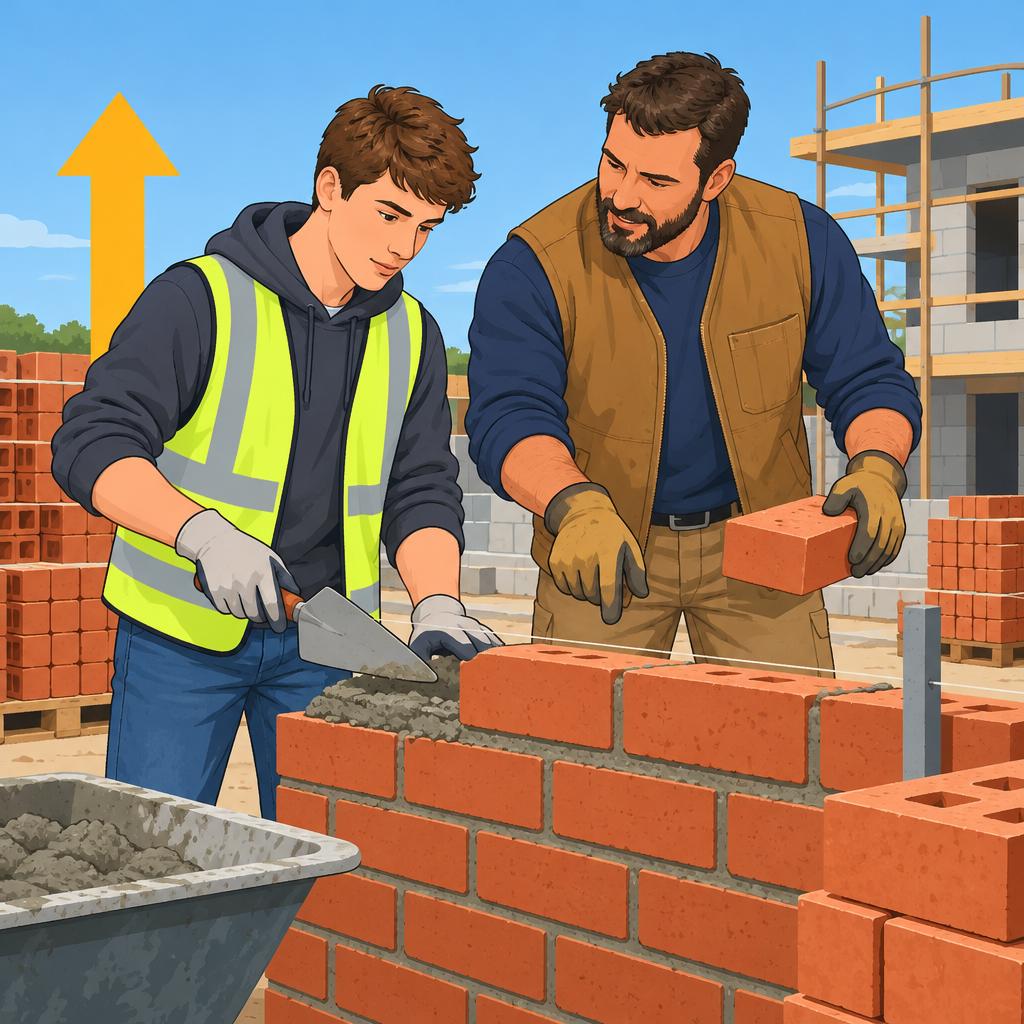
Apprentices learn foundational masonry techniques and practices from experienced professionals.
They develop their abilities through hands-on learning and consistent mentorship.
Meanwhile, practical training helps them understand the craft more deeply.
As apprentices gain proficiency and experience, they advance to journeyman Mason roles.
At this stage, they manage more complex projects and accept greater responsibilities.
They also refine their techniques and expand their knowledge base.
After years of dedication and hard work, they can earn the title of master Mason.
Masters demonstrate exceptional skill, creativity, and leadership within the field.
Ultimately, this progression reflects the commitment, determination, and passion that masonry demands.
Each stage develops well-rounded professionals who honor traditional practices.
At the same time, these professionals embrace innovation and creativity within the craft.
The Role of an Apprentice Mason
- Duties and responsibilities include assisting in preparing materials.
- Hands-on training helps apprentices learn the required skills.
- Learning from experienced professionals provides valuable insights.
The Importance of Hands-On Training
- Hands-on training allows apprentices to practice and hone their skills.
- It provides a practical understanding of the construction process.
- Working directly with materials enhances knowledge and proficiency.
The Value of Patience and Dedication
- Patience remains essential as apprentices learn and grow in their craft.
- Dedication to the craft ensures continuous improvement and skill development.
- Developing patience and dedication establishes a foundation for a successful career.
Progression to Journeyman Mason
After completing training and demonstrating competency, an apprentice Mason may advance to journeyman status.
This milestone reflects increased skill and expertise in masonry.
- Transition from apprentice to journeyman: This advancement marks a significant career milestone.
- Increased responsibilities: Journeyman Masons handle complex tasks, work independently, and support their team’s success.
- Skills required: Journeyman Masons need advanced knowledge of masonry techniques, materials, and tools.
- Practical experience: Real-world experience helps journeyman Masons apply knowledge, build confidence, and solve problems effectively.
- Mastering masonry basics: Journeyman Masons continue refining foundational skills, learning techniques, and pursuing excellence on every project.
This progression reflects professional growth and creates opportunities for further advancement in masonry.
Gain More Insights: Common Challenges Faced by Heavy Equipment Operators
Certification and Further Education for Masons
Masons can pursue certification and further education to strengthen their professional capabilities.
These opportunities help workers understand current standards, techniques, and construction practices.
Additionally, advanced learning can support career growth and improve masonry work quality.
Certification and Training Programs
Several certification and training programs support masonry professionals throughout their careers.
These programs address safety, building codes, and effective masonry construction practices.
After completing an apprenticeship, workers can pursue Journeyman Mason certification.
- Masonry Certification Programs: These programs cover safety, building codes, and best practices in masonry construction.
- Apprenticeship Completion: Apprentices can earn Journeyman Mason certification after completing their training.
- Advanced Training Courses: Masons can study restoration, preservation, or sustainable masonry practices.
Benefits of Continuing Education and Advanced Certifications
Continuing education helps Masons remain familiar with changing industry standards and techniques.
Advanced certifications can also create opportunities for higher-paying positions and leadership responsibilities.
Furthermore, ongoing learning can make Masons more versatile and competitive in the market.
- Professional Development: Continuing education helps Masons stay current with industry standards and techniques.
- Career Advancement: Advanced certifications can support higher-paying jobs and leadership positions.
- Improved Skills: Ongoing education can strengthen knowledge, abilities, versatility, and market competitiveness.
Staying Current with Masonry Trends and Technologies
Masonry techniques and tools continue to evolve, so professionals must monitor current developments.
By learning about new approaches, Masons can maintain work quality and meet current standards.
Moreover, current knowledge can help Masons distinguish themselves from peers and attract clients.
- Technological Advancements: Evolving techniques and tools require Masons to follow current industry trends.
- Quality of Work: Current knowledge helps Masons deliver quality work that meets modern standards.
- Competitive Edge: Industry awareness helps Masons differentiate themselves and attract more clients.
See Related Content: The Economic Importance of the Mining Industry
Becoming a Master Mason
After years of experience and dedication, a Mason can advance to the prestigious rank of Master Mason.
This achievement marks a significant stage in a Mason’s development and commitment to the craft.
Furthermore, Master Masons carry important responsibilities within their Masonic community.
The Process of Becoming a Master Mason
A Mason must first complete the Entered Apprentice and Fellow Craft degrees.
Each degree requires the Mason to develop knowledge and demonstrate understanding of Masonic teachings.
After meeting the necessary requirements, the lodge can raise the Mason to Master Mason status.
- Master Masons demonstrate advanced skill and commitment to their craft.
- The degree process recognizes progress through the required stages of Masonic development.
- Achieving Master Mason status represents an important personal milestone.
Leadership Roles and Responsibilities
Master Masons help guide fellow Masons and uphold the values of the craft.
They also mentor newer members and encourage them to pursue excellence.
Additionally, Master Masons support ritual work and degree ceremonies with care and integrity.
Transform Your Career Today
Unlock a personalized career strategy that drives real results. Get tailored advice and a roadmap designed just for you.
Start Now- Master Masons help lead activities within the Masonic community.
- They preserve traditions during ritual work and degree ceremonies.
- They model brotherly love, relief, and truth through their conduct.
Mentorship and Passing on Masonic Knowledge
Mentorship allows Master Masons to guide newer members through their continuing Masonic journey.
Through instruction and example, experienced Masons pass traditions and values to future members.
This shared knowledge helps preserve the heritage and teachings of Freemasonry.
- Master Masons share wisdom and experience with newer members.
- Mentors help younger Masons appreciate the craft and its principles.
- Guidance encourages future members to serve the fraternity with dedication and honor.
Learn More: Understanding OSHA Regulations for Equipment Operators
Building a Successful Career as a Master Mason
Master Masons can pursue diverse career opportunities within the masonry industry.
They can advance by applying technical expertise, leadership abilities, and business knowledge.
Additionally, continuous learning helps Master Masons strengthen their professional capabilities.
Career Opportunities and Advancement Prospects
Experienced Master Masons can choose roles that match their skills and professional interests.
Leadership positions allow them to guide teams, manage projects, or teach developing masons.
Meanwhile, technical positions let them apply specialized knowledge to planning, estimating, and consultation.
- Master masonry instructors share practical knowledge with apprentices and journeymen.
- Project managers oversee large masonry projects from beginning to completion.
- Estimators calculate project costs and determine required materials.
- Supervisors lead masonry teams on active job sites.
- Consultants provide expert advice about masonry techniques and industry practices.
Starting a Masonry Business and Developing Specialties
Many Master Masons start businesses that let them manage projects and work directly with clients.
Entrepreneurship gives experienced masons greater control over their project choices and professional direction.
Others specialize in historic restoration, decorative masonry, or sustainable building practices.
Specialized expertise helps Master Masons distinguish their services from competing masonry providers.
As a result, focused skills can attract clients seeking particular masonry solutions.
Networking and Industry Connections
Networking helps Master Masons advance their careers and develop stronger businesses.
Industry events and professional organizations provide opportunities to connect with other masons.
These connections can reveal industry trends, job opportunities, and effective practices.
Furthermore, professional relationships can create collaborations, referrals, and business partnerships.
Strong contacts support long-term growth when Master Masons combine networking with skill development.
Dedicated Master Masons can build successful careers through expertise, business awareness, and continued improvement.
Learn More: Mining Equipment Maintenance and Care Tips
Sustaining Growth in Masonry
The journey from apprentice to master mason is challenging but rewarding.
It demands dedication, hard work, and a commitment to continuous learning.
Apprenticeships provide aspiring masons with foundational knowledge and practical skills.
These experiences help workers develop confidence and competence within their craft.
Continuous learning remains essential for lasting success as a mason.
Masons should stay updated on new techniques, materials, and technologies.
That ongoing effort supports career growth and advancement in the industry.
Therefore, aspiring masons should remain committed to their career goals.
They can pursue mastery through determination, perseverance, and passion for the trade.
These qualities can help them achieve success as master masons.
Additional Resources
Google search results for Career Path: From Apprentice to Master Mason Construction and Manual Labor
Bing search results for Career Path: From Apprentice to Master Mason Construction and Manual Labor


