




Enterprise architecture provides organizations with a blueprint.
It aligns information technology infrastructure with business goals.
Cybersecurity safeguards sensitive data against digital threats.
Both disciplines remain crucial in today’s digital environment.
Importance of Best Practices
Implementing enterprise architecture best practices enhances organizational efficiency.
These practices streamline processes and optimize resource use.
A well-structured architecture supports clear communication among stakeholders.
It also helps organizations identify potential risks early.
Cybersecurity best practices protect organizations from data breaches.
They establish multiple layers of defense against cyber threats.
Regular updates and employee training reduce organizational vulnerabilities.
A focused cybersecurity approach strengthens client trust.
Integrating Architecture and Cybersecurity
Integrating enterprise architecture with cybersecurity creates a cohesive organizational strategy.
This combination addresses risks while supporting business objectives.
Secure designs become part of the architectural framework.
Consequently, the organization improves its overall resilience.
Organizations should embed security principles within their architecture processes.
First, teams should assess risks across current infrastructure.
Next, they should identify critical assets and prioritize protection.
Teams can then use this information to guide architectural decisions.
Continuous Improvement and Security Awareness
Best practices require ongoing evaluation and adaptation.
Organizations should regularly review architecture and cybersecurity measures.
They must also monitor emerging threats and technologies.
Periodic audits help teams measure effectiveness.
Organizations should encourage security awareness throughout their workforce.
Employee training prepares staff to recognize and respond to threats.
Furthermore, collaboration between technology and business teams supports shared goals.
Organizational Resilience Through Strategic Alignment
Enterprise architecture and cybersecurity together enhance organizational resilience.
Organizations need best practices in both areas.
These practices improve operational efficiency and strengthen protection against cyber threats.
By prioritizing both disciplines, organizations can secure a competitive market advantage.
Enterprise Architecture and Cybersecurity Integration
Enterprise architecture and cybersecurity support each other within modern organizations.
Enterprise architecture organizes technology environments and clarifies how their components interact.
Cybersecurity protects those environments from changing digital threats.
Shared Priorities Between Enterprise Architecture and Cybersecurity
These disciplines connect through several important organizational priorities.
They also help teams coordinate technology decisions with security responsibilities.
Consequently, organizations can manage technology risks more consistently.
- Business Alignment: Enterprise architecture connects technology planning with business objectives.
- Infrastructure Visibility: Architecture maps help security teams recognize technology components and potential weaknesses.
- Risk Management: Enterprise architecture supports risk assessment and helps teams prioritize protective measures.
- Governance: Architecture frameworks support regulatory compliance and reduce legal exposure after security incidents.
- Communication: Enterprise architecture encourages cooperation between information technology and security teams.
Enterprise Architecture Contributions to IT Security
Enterprise architecture influences security through planning, documentation, and system design.
It gives security teams a structured view of the environment they must protect.
Furthermore, it supports consistent practices across interconnected technology systems.
Transform Your Career Today
Unlock a personalized career strategy that drives real results. Get tailored advice and a roadmap designed just for you.
Start Now- Security Policies: Architecture frameworks help organizations establish and enforce security policies.
- System Identification: Architecture work identifies system components for detailed vulnerability assessment.
- Recommended Practices: Enterprise architecture incorporates practices that guide security procedures and risk reduction.
- System Integration: Coordinated system integration can reduce security gaps during information exchange.
- Documentation: Architecture records help teams track threats and understand security incidents.
Benefits of Coordinated Architecture and Security Strategies
Organizations gain greater visibility when they coordinate architecture and cybersecurity planning.
This coordination also helps teams identify concerns before they become larger problems.
Moreover, shared planning improves responses while limiting duplicated security work.
- Greater Visibility: Integrated planning gives organizations a clearer view of their technology assets.
- Earlier Detection: A coordinated approach helps teams recognize possible threats sooner.
- Faster Response: Shared information supports more efficient responses to security incidents.
- Resource Efficiency: Collaboration reduces duplicated effort and improves resource use.
- Ongoing Improvement: Organizations can refine protections as their technology environments change.
Practices for Combining Architecture and Cybersecurity
Organizations can strengthen this relationship by applying consistent management practices.
Regular review keeps architecture and security plans aligned with changing environments.
At the same time, collaboration and training help teams apply those plans effectively.
- Regular Assessments: Teams should review architecture and cybersecurity frameworks for weaknesses.
- Team Collaboration: Architecture specialists and cybersecurity professionals should share knowledge and expertise.
- Strategic Alignment: Security strategies should support enterprise architecture objectives.
- Employee Training: Organizations should provide continuing education about architecture and cybersecurity principles.
- Automation: Automation tools can streamline security processes and improve threat detection.
- Continuous Monitoring: Monitoring provides current visibility and supports faster responses to threats.
Building a Resilient IT Landscape
Organizations need coordinated architecture and cybersecurity practices to manage evolving threats.
Integrated planning strengthens security while supporting broader technology objectives.
Therefore, collaboration, assessment, training, and monitoring can support a more resilient IT environment.
Organizations face diverse security threats as their digital operations expand.
Strategic alignment helps organizations respond to those threats with greater consistency.
It also connects security priorities with operational planning and technology decisions.
Benefits of Aligning Enterprise Architecture with Cybersecurity Goals
An integrated approach strengthens how organizations identify, manage, and address security concerns.
It also helps leaders connect security investments with broader organizational priorities.
Furthermore, alignment encourages consistent responsibilities, processes, and controls across departments.
- Enhanced Risk Management: Organizations can identify vulnerabilities and assess risks more systematically.
- Improved Compliance: Integrated architecture supports regulatory requirements and established security practices.
- Integrated Security Architecture: Shared planning creates a cohesive framework for protecting organizational resources.
- Optimized Resource Allocation: Companies can direct technology resources and security investments toward common goals.
- Informed Decision Making: Leaders gain clearer insight into risks, priorities, and available opportunities.
- Agility and Scalability: Aligned frameworks can adapt as organizations grow and security needs change.
- Cultural Shift: Shared priorities help employees understand their roles in maintaining security.
Examples of Stronger Security Through Strategic Alignment
Practical applications show how aligned planning can improve security operations.
These applications connect architecture decisions with incident handling, intelligence, spending, compliance, and improvement.
Each example demonstrates a different way to strengthen organizational resilience.
Streamlined Incident Response
Integrated architecture can make incident response more effective.
Clear roles and responsibilities reduce confusion during security incidents.
For example, a financial institution can identify compromised systems more quickly.
Departments can then coordinate mitigation efforts with greater speed and clarity.
Comprehensive Threat Intelligence
Architecture teams and cybersecurity teams can collaborate on threat intelligence.
This collaboration helps them identify threats related to specific organizational structures.
For instance, teams can monitor cloud threats when cloud services support important operations.
That layered approach can reduce exposure across the attack surface.
Cost Efficiency
Alignment can prevent departments from purchasing overlapping security tools.
A multinational corporation may discover that several departments use similar solutions.
Centralized planning can consolidate those efforts and improve budgeting.
Organizations can then direct available resources toward shared security priorities.
Compliance Management
Aligned frameworks can simplify responses to changing regulatory requirements.
Organizations can embed compliance checkpoints within their enterprise processes.
This approach supports more consistent preparation for audits.
It can also reduce the risk of missed obligations.
Continuous Improvement
Alignment encourages organizations to review their security capabilities regularly.
Teams can evaluate threats, technologies, and policies through recurring assessments.
For example, a healthcare provider might routinely examine data protection protocols.
Regular evaluation can improve the security posture over time.
Practical Steps for Aligning Architecture and Security
Organizations can follow structured steps to connect architecture planning with cybersecurity goals.
These steps create shared accountability between technology and cybersecurity teams.
Transform Your Career Today
Unlock a personalized career strategy that drives real results. Get tailored advice and a roadmap designed just for you.
Start NowRegular evaluation keeps the alignment relevant as organizational needs change.
- Assess Current State: Review the existing architecture and cybersecurity posture.
- Identify Gaps: Locate weaknesses in policies, processes, and security integration.
- Engage Stakeholders: Involve technology, cybersecurity, and other relevant teams during planning.
- Set Clear Goals: Define measurable objectives for connecting architecture and cybersecurity priorities.
- Develop a Unified Framework: Combine architecture practices with appropriate security protocols.
- Implement Regular Training: Teach employees the processes and responsibilities created through alignment.
- Establish Continuous Monitoring: Track progress and evaluate the alignment regularly.
Future Directions for Enterprise Architecture and Cybersecurity
Future architecture practices will treat cybersecurity as part of design and development.
Organizations must adapt because technologies and security threats continue to evolve.
Closer alignment can influence how businesses manage risk and operate digitally.
It can also strengthen defenses while helping organizations use resources more effectively.
Organizations that maintain this alignment can respond more confidently to changing security demands.
You Might Also Like: Interview Tips for Aspiring Telecommunications Specialists
Security Considerations in Enterprise Architecture Design
Organizations must address security before implementing enterprise architecture.
This proactive approach helps reduce vulnerabilities and support resilient operations.
Therefore, architects should connect security decisions with organizational needs and technology planning.
Key Security Considerations for Enterprise Architecture
Enterprise architecture should protect information, systems, applications, and users throughout their lifecycles.
Additionally, architects should address security controls across data, networks, applications, and identities.
These controls create a stronger foundation for managing cyber threats and operational requirements.
- Data Protection: Encrypt and safeguard sensitive data at every stage.
- Access Controls: Apply strict controls to protect sensitive systems and information.
- Compliance: Address relevant regulations and maintain legal compliance.
- Network Security: Include firewalls and intrusion detection systems within the architecture.
- Application Security: Build security measures into application design and deployment.
- Identity Management: Use robust identity management to authenticate users.
- Threat Modeling: Analyze potential threats before they affect architecture components.
- Incident Response: Prepare response strategies and recovery processes before incidents occur.
Identifying Vulnerabilities in Architecture Design
Design teams should identify weaknesses before deploying new architecture components.
Regular evaluation reveals exposure across systems, applications, processes, and legacy technologies.
Furthermore, cross-disciplinary collaboration improves the accuracy of vulnerability assessments and mitigation plans.
- Security Assessments: Perform regular assessments to evaluate architectural vulnerabilities.
- Threat Intelligence: Use intelligence tools to track emerging threats.
- Risk Assessment Frameworks: Apply frameworks such as NIST or FAIR systematically.
- Cross-Disciplinary Teams: Involve security professionals during the design stage.
- Security Best Practices: Apply established practices when selecting architectural controls.
- Legacy Systems: Review older systems and reduce their associated risks.
- Penetration Testing: Simulate attacks to discover and address vulnerabilities proactively.
Integrating Security Into the Design Process
Teams should define security expectations before selecting or implementing architecture components.
Next, they should translate those expectations into requirements, policies, and governance practices.
Automation and documentation can then support consistent enforcement and accountability.
- Define Security Goals: Set clear goals that align with business objectives.
- Map Security Requirements: Identify requirements for compliance, data protection, and operations.
- Secure Business Processes: Include security within processes and operational policies.
- Establish Governance: Create governance practices for security decisions and oversight.
- Use Automated Tools: Monitor environments and enforce security policies automatically.
- Document Security Policies: Keep policies current for transparency and accountability.
Continuous Monitoring and Security Improvement
Security requires continuous attention after teams implement architectural controls.
Organizations should measure control effectiveness and adjust protections as threats change.
Meanwhile, training and feedback help employees strengthen security practices over time.
- Regular Audits: Conduct periodic audits to evaluate security effectiveness.
- Updated Risk Assessments: Reassess risks when threats or conditions change.
- Employee Training: Provide ongoing training that increases security awareness.
- Feedback Loops: Use lessons learned to improve security practices.
- Security-First Culture: Encourage everyone to protect organizational resources.
Security as an Ongoing Architecture Priority
Organizations that address security early can better protect their resources.
A proactive architecture approach reduces vulnerabilities and supports operational resilience.
As threats evolve, organizations must continue prioritizing security throughout architecture planning and management.
See Related Content: Effective Communication Skills for IT Strategy Consultants
Understanding Access Controls and Identity Management
Access controls and identity management play critical roles in cybersecurity.
Organizations use these measures to protect sensitive information.
Proper access management ensures that authorized individuals reach specific data and systems.
This approach minimizes risks involving data breaches and unauthorized access.
Access controls determine who can view or use resources in an information technology environment.
Identity management includes policies and technologies that maintain digital identities.
Together, these practices create a strong framework for protecting organizational assets.
Neglecting either practice can create significant security vulnerabilities.
The Importance of Access Controls
Access controls provide a frontline defense against cyber threats.
They help organizations manage and monitor user access effectively.
They also support accountability, compliance, and consistent security practices.
- Protection of Sensitive Information: Access controls shield sensitive data from unauthorized users.
- Regulatory Compliance: Many industries require strict access controls to satisfy regulatory requirements.
- Incident Prevention: Effective access controls can help prevent security incidents.
- Accountability: Access logs provide traceability for user actions within systems.
- Enhanced Security Posture: Layered access controls improve overall security effectiveness.
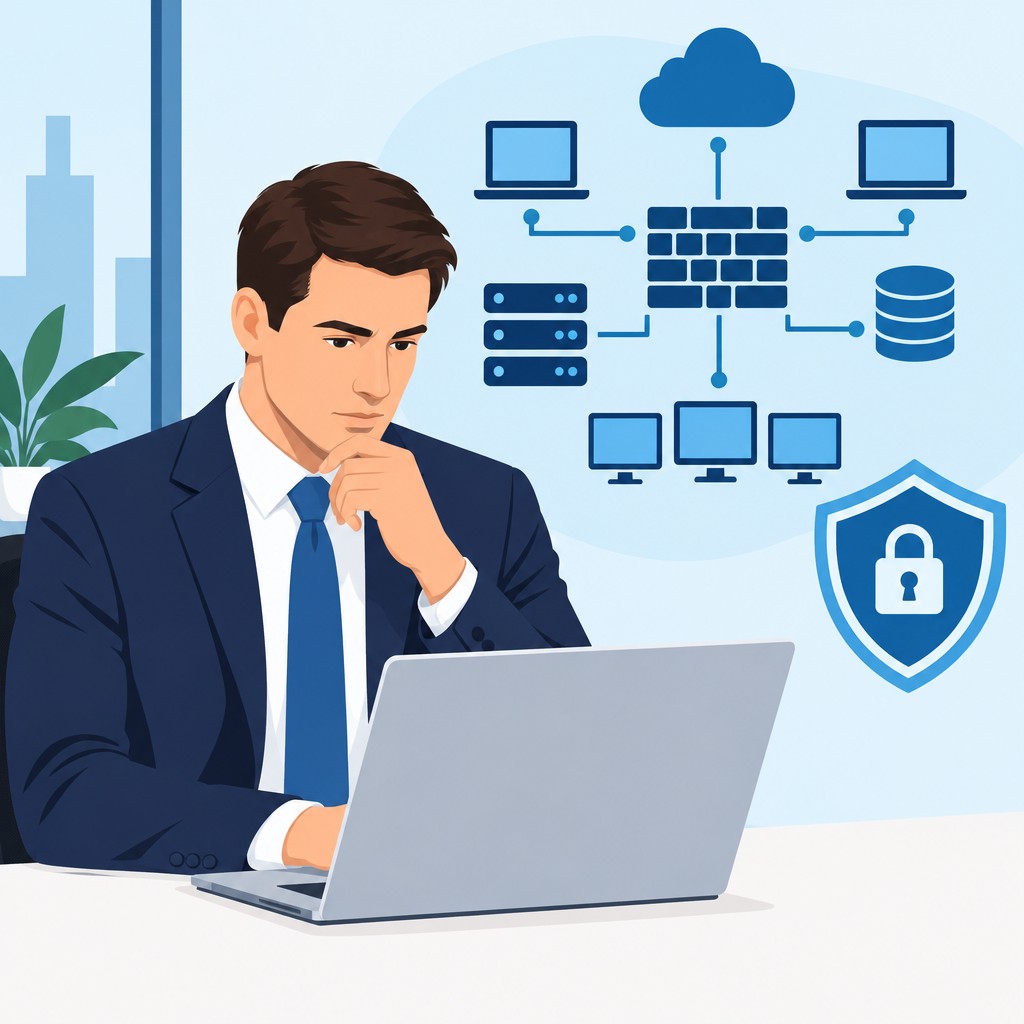
Best Practices for Implementing Access Controls
Organizations need a strategic approach to implement effective access controls.
These practices can strengthen cybersecurity and improve permission management.
- Conduct Regular Risk Assessments: Regular assessments identify vulnerabilities and guide access control adjustments.
- Define User Roles: Clear roles and responsibilities streamline permission management.
- Use the Principle of Least Privilege: Grant users only the access their roles require.
- Implement Role-Based Access Control: RBAC organizes permissions according to job functions.
- Review Access Permissions Regularly: Periodic reviews help maintain appropriate access levels.
- Use Multi-Factor Authentication: MFA adds another security layer and makes unauthorized access more difficult.
- Enforce Strong Password Policies: Require complex passwords and regular password updates.
- Monitor and Log Access Attempts: Monitoring reveals potential security threats and suspicious activity.
- Implement Session Timeouts: Automatic logouts help protect unattended sessions.
- Educate Users: Regular training helps users understand access control responsibilities.
The Role of Identity Management
Identity management focuses on creating, maintaining, and deleting user identities.
Transform Your Career Today
Unlock a personalized career strategy that drives real results. Get tailored advice and a roadmap designed just for you.
Start NowIt establishes how users authenticate before they access systems.
Proper identity management strengthens organizational security defenses.
Poor identity management can cause unauthorized access and data loss.
Identity management includes user provisioning and de-provisioning.
Provisioning grants employees access when organizations hire them.
De-provisioning removes access when employees leave or change roles.
These processes ensure that current, authorized personnel retain access.
Best Practices for Identity Management
Organizations can establish robust identity management protocols through consistent practices.
These measures improve security, accountability, and access coordination.
- Automate User Provisioning: Automation reduces human error and streamlines onboarding.
- Use Single Sign-On: SSO improves user experience while supporting security.
- Implement Self-Service Password Reset: Secure resets reduce help desk requests.
- Review Identity Policies Regularly: Policy reviews help address changing security conditions.
- Enable Audit Trails: Identity logs support accountability and compliance.
- Use Strong Authentication Mechanisms: Biometrics and token-based authentication strengthen identity verification.
- Integrate Identity Management with Access Controls: Integration aligns identities with permissions.
- Implement Regular Identity Verification: Regular checks confirm that identity records remain current.
- Educate Users about Identity Security: Training helps users recognize phishing and social engineering attempts.
Building Resilient Access and Identity Practices
Access controls and identity management form essential parts of a cybersecurity strategy.
Organizations can strengthen their security posture by applying these practices consistently.
A robust framework reduces risks from unauthorized access and data breaches.
As digital operations expand, organizations must prioritize user access and identity management.
These priorities help organizations foster security awareness and resilience.
Learn More: Role of IT Auditors in Data Privacy Compliance
Organizations face relentless cyberattacks in today’s digital landscape.
Security breaches can create devastating consequences for affected organizations.
Therefore, organizations need robust incident response plans to reduce damage quickly.
Why Incident Response Planning Matters
A structured plan helps organizations respond quickly when incidents occur.
Furthermore, effective preparation protects organizational reputation and supports regulatory compliance.
Regular reviews also strengthen resilience against changing security threats.
- Minimized Downtime: A structured plan helps teams address incidents swiftly and reduce service interruptions.
- Enhanced Recovery: An effective process helps restore operations and recover critical business functions quickly.
- Informed Decisions: Clear procedures help teams make informed decisions during stressful incidents.
- Regulatory Compliance: Formal response plans help organizations meet industry requirements and reduce legal risks.
- Improved Security: Regular testing and updates help organizations adapt to evolving threats.
- Stakeholder Confidence: Demonstrated preparedness reassures stakeholders that the organization can manage incidents.
- Lessons Learned: Post-incident insights help teams refine procedures and strengthen future resilience.
Preparation for Incident Response
Preparation establishes the foundation for an effective incident response.
Organizations should define responsibilities, develop skills, and provide suitable resources.
These measures help teams coordinate their actions when incidents demand immediate attention.
- Team Formation: Build a response team with IT, human resources, legal, and communications representatives.
- Skill Development: Conduct regular training sessions and tabletop exercises that simulate realistic incidents.
- Resource Allocation: Provide necessary tools and allocate funding for response technologies.
Identifying Security Incidents
Accurate identification allows teams to select suitable response measures.
Monitoring systems can reveal unusual activity before incidents expand.
Additionally, clear reporting procedures encourage prompt communication across the organization.
- Monitoring: Use continuous monitoring and intrusion detection tools to identify anomalies.
- Classification: Categorize incidents by severity and type to establish response priorities.
- Reporting Procedures: Create clear reporting protocols and encourage employees to report suspicious activity.
Containing Incident Damage
Containment limits damage and prevents threats from spreading.
Teams should apply immediate safeguards while they investigate the incident further.
Meanwhile, longer-term containment supports safer operations during deeper analysis.
- Short-Term Containment: Disconnect affected systems when necessary to limit immediate damage.
- Long-Term Containment: Analyze the threat and maintain operations while strengthening defenses.
Eradicating the Incident Cause
Eradication removes the conditions that caused or enabled the incident.
Teams should investigate evidence carefully before restoring affected systems.
They must also verify system and data integrity throughout the process.
- Root Cause Analysis: Examine logs and data to trace the incident back to its source.
- System Restoration: Remove malware, patch vulnerabilities, and restore verified systems and data from backups.
Recovering Systems and Services
Recovery returns systems and services to safe, reliable operation.
Teams should verify every component before returning systems to production.
After restoration, continued monitoring can reveal residual threats or weaknesses.
- System Restoration: Reinstate systems and applications only after confirming that they function properly.
- Post-Recovery Monitoring: Monitor activity continuously to detect residual threats and vulnerabilities.
Improving Response Through Review
Post-incident reviews help organizations improve their response capabilities.
Teams should examine successful actions, unsuccessful actions, and their underlying causes.
They can then update documentation and training with practical lessons.
- Incident Debrief: Review the response with team members and discuss what worked and what failed.
- Documentation: Record relevant details and update response procedures for future incidents.
- Training Updates: Incorporate lessons into future training and preparedness activities.
Building Organizational Resilience
A robust incident response plan strengthens organizational resilience against cyber threats.
Transform Your Career Today
Unlock a personalized career strategy that drives real results. Get tailored advice and a roadmap designed just for you.
Start NowBy applying these practices, organizations can reduce damage during security incidents.
Prepared teams also build stronger capabilities for future challenges.
Explore Further: Benefits of Integrating IT Governance with Business Goals
Technology’s Role in Enterprise Cybersecurity
Modern businesses face complex cybersecurity challenges across networks, applications, devices, and data.
Technology strengthens security by improving detection, response, protection, compliance, and monitoring.
These capabilities help security teams identify suspicious activity and manage threats more effectively.
- Advanced tools identify unusual network traffic and user behavior.
- Automated systems respond quickly to cyber threats and limit potential damage.
- Encryption technologies protect sensitive information from unauthorized access.
- Security platforms support compliance with regulations and established standards.
- Continuous monitoring provides timely insight into organizational security conditions.
Automation for Faster Security Operations
Automation reduces manual effort and helps teams manage repetitive security activities consistently.
It also shortens response times when security teams address active incidents.
By handling routine work, automation allows specialists to focus on complex security decisions.
- SIEM solutions analyze logs and alerts in real time.
- Automated patch management deploys software updates across applications.
- EDR tools monitor endpoints and respond to detected threats.
- Predefined workflows guide teams through incident response activities.
Artificial Intelligence for Threat Analysis
Artificial intelligence examines large data volumes and detects patterns linked to potential threats.
Machine learning can help security teams recognize activity that traditional methods might miss.
However, organizations should apply AI within broader security processes and human oversight.
- Predictive analytics identifies potential threats before they develop.
- Behavioral analytics highlights unusual activity and possible insider threats.
- Automated threat hunting scans traffic for suspicious behavior.
- Machine learning improves the identification of phishing attempts.
Emerging Technologies in Security Environments
Emerging technologies give organizations additional ways to strengthen security operations.
These technologies can support proactive monitoring, stronger verification, and broader visibility.
Organizations should assess each option against their security needs and operating environments.
- Blockchain supports data integrity and authenticity through decentralized records.
- Cloud security solutions scale protection as organizational needs change.
- Zero trust architecture verifies every user and device before access.
- XDR platforms combine security products within a unified detection environment.
Security Technology Across Enterprise Architecture
Security technology works best when organizations connect it with architecture, processes, and business requirements.
Development teams can address security requirements throughout the system development lifecycle.
Regular collaboration helps technology and security teams coordinate decisions and respond to changing risks.
- Security by design embeds protections throughout development activities.
- Regular risk assessments reveal weaknesses within technical environments.
- Team collaboration improves coordination between technology and security specialists.
- Employee training encourages responsible security behavior.
Practices for Sustained Technology Effectiveness
Organizations need consistent practices to gain lasting value from cybersecurity technology.
Continuous review helps teams identify gaps, update controls, and improve security performance.
Technology investments also strengthen confidence among clients and other stakeholders.
- Continuous monitoring supports timely threat detection and response.
- Incident response plans help teams act quickly during security events.
- Regular audits reveal improvement opportunities and compliance concerns.
- Encryption protects sensitive data during transmission and storage.
- Employee education reduces security risks linked to human error.
Importance of Continuous Monitoring and Evaluation
Cybersecurity requires ongoing vigilance to protect enterprises from evolving threats.
Continuous monitoring and evaluation help organizations maintain a robust cybersecurity posture.
Because threats change constantly, security strategies must adapt through regular assessment.
- Rapid Threat Landscape Changes: New vulnerabilities and advanced attack techniques require organizations to remain proactive.
- Regulatory Compliance: Continuous monitoring helps businesses follow standards such as GDPR, HIPAA, and PCI-DSS.
- Incident Response Improvement: Continuous evaluation helps organizations refine response plans and improve efficiency.
- Resource Optimization: Ongoing evaluation helps organizations direct resources toward areas requiring greater attention.
- Enhanced Security Posture: Consistent evaluation strengthens effective measures and removes ineffective tactics.
Strategies for Continuous Monitoring
Enterprises should use structured strategies to monitor and evaluate their security measures.
These strategies improve visibility, reveal weaknesses, and support faster security decisions.
Organizations can combine monitoring tools, assessments, testing, and planning to strengthen their defenses.
- Deploy Security Information and Event Management Tools: SIEM tools aggregate security data and support real-time anomaly detection.
- Conduct Regular Security Audits: Comprehensive audits evaluate policies, procedures, technologies, and security gaps.
- Perform Vulnerability Scanning: Automated scans identify known vulnerabilities and help prioritize remediation by risk level.
- Use Penetration Testing: Ethical hackers simulate attacks to uncover weaknesses and reveal realistic threat scenarios.
- Monitor User Behavior: Activity monitoring detects unusual actions that may indicate insider threats or compromised accounts.
- Integrate Threat Intelligence: Threat intelligence services provide updates that help organizations adjust defenses proactively.
- Refine Incident Response Plans: Tabletop exercises test breach scenarios and help teams improve responsiveness.
- Audit Third-Party Vendors: Regular vendor evaluations extend security oversight across the broader ecosystem.
Making Necessary Security Adjustments
Ongoing monitoring often reveals areas that require security adjustments.
Adaptation helps organizations remain resilient as new challenges emerge.
Teams can use evidence, feedback, standards, culture, and automation to guide improvements.
- Data-Driven Decision-Making: Review monitoring data regularly to determine which measures require strengthening or alteration.
- Solicit Feedback: Engage cybersecurity teams to gather insights about existing security measures.
- Benchmark Against Industry Standards: Compare security measures with standards to identify improvement opportunities.
- Adopt a Responsive Culture: Encourage employees to understand and support adaptability in cybersecurity.
- Utilize Automation: Automated responses can accelerate adjustments to selected threats and intelligence updates.
Technology for Continuous Security Monitoring
Technology can significantly improve continuous monitoring efforts.
Organizations can use suitable tools to streamline evaluations and maintain stronger security standards.
These solutions support centralized oversight, faster analysis, and more consistent security management.
- Behavioral Analytics: Behavioral tools identify patterns and deviations that may suggest malicious activity.
- Advanced Threat Detection Solutions: Machine learning solutions identify anomalies and help predict potential security incidents.
- Automated Reporting: Reporting tools quickly present security assessment results and measure control effectiveness.
- Cloud-Based Security Solutions: Cloud tools provide flexible, scalable monitoring for distributed systems.
Sustaining Cybersecurity Resilience
Continuous monitoring and evaluation support a successful cybersecurity strategy.
Organizations must remain proactive as threats continue evolving.
Effective strategies and suitable technology help businesses respond to threats more capably.
Regular assessment and adaptation help enterprises protect assets, reputation, and customer trust.
Governance and Resilience Through Cybersecurity Practices
Organizations need clear governance practices that connect enterprise architecture decisions with cybersecurity responsibilities.
Consequently, IT and security teams should communicate regularly and coordinate their priorities.
Teams should assess risks and vulnerabilities regularly to identify changing exposure.
Transform Your Career Today
Unlock a personalized career strategy that drives real results. Get tailored advice and a roadmap designed just for you.
Start NowFurthermore, updated security protocols help organizations respond to emerging threats.
Organizations must address security across every architectural layer.
Regulatory knowledge helps organizations protect sensitive data and manage legal responsibilities.
GDPR and HIPAA provide important compliance considerations for relevant information systems.
Therefore, teams should incorporate compliance requirements into architectural decisions.
Training programs help employees recognize suspicious activity and prevent avoidable breaches.
Moreover, security awareness reduces human error, which contributes to cybersecurity incidents.
AI and machine learning can strengthen threat detection and response.
However, organizations should evaluate these technologies carefully before adoption.
That evaluation can reveal vulnerabilities that new capabilities may introduce.
These practices help organizations protect assets and maintain operational continuity.
Additionally, proactive security planning supports resilience across changing cyber threat conditions.
Strong architectural foundations therefore support sustained organizational success.


