




The Role of State Troopers
State troopers play a crucial role in maintaining law and order within communities.
They enforce traffic laws and assist during emergency situations.
They also investigate crimes as part of their law enforcement responsibilities.
Community Engagement Responsibilities
Community engagement helps state troopers build trust with residents.
It also helps them gather information about local issues, concerns, and criminal activities.
Through regular interaction, troopers gain valuable insights into community concerns.
They educate the public about crime prevention and safety measures.
Additionally, they explain the role of law enforcement.
Strong community ties encourage cooperation during law enforcement operations.
This collaboration supports a safer environment for residents and troopers.
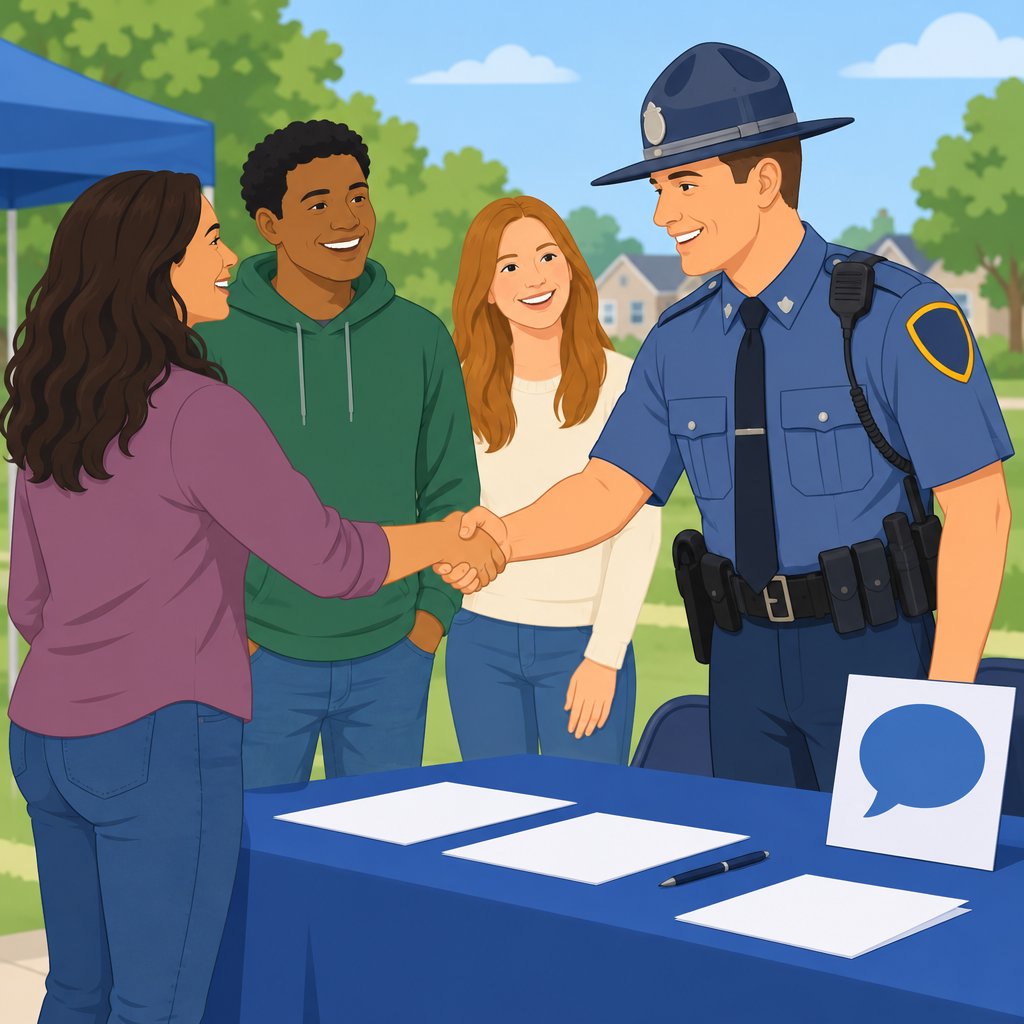
Town hall meetings, neighborhood patrols, and outreach programs strengthen community-police relations.
By joining community events, troopers demonstrate their commitment to serving and protecting the public.
Community engagement promotes mutual respect, understanding, and collaboration for safer communities.
Benefits of Community Engagement
Community engagement by state troopers strengthens relationships between law enforcement agencies and the public.
It also encourages positive interactions that support safer, more connected communities.
These benefits emerge when officers engage residents in meaningful ways.
Building Trust and Relationships with Community Members
- Trust supports effective policing and helps protect every community member.
- Regular interactions help state troopers build rapport and credibility with residents.
- Such engagement humanizes officers and reduces barriers between law enforcement and the public.
- When residents trust officers, they cooperate more readily with law enforcement.
Improving Communication and Cooperation between Law Enforcement and the Public
- Clear communication prevents misunderstandings and reduces conflicts.
- Through community engagement, state troopers learn about residents’ needs and concerns.
- Regular conversations promote transparency and accountability within law enforcement agencies.
- Moreover, cooperation helps police and residents address crime and maintain public safety.
Enhancing Public Safety and Crime Prevention Efforts
- Engagement gives state troopers valuable information from residents.
- Collaborative relationships help law enforcement identify and address crime trends.
- As relationships grow, residents may report suspicious activities more readily.
- Shared responsibility for safety can help communities prevent crime.
These combined benefits help state troopers and residents create safer, more cohesive communities.
Community Engagement Methods for State Troopers
State troopers engage residents through events, service projects, and educational programs.
These activities create opportunities for direct communication outside enforcement encounters.
They also help troopers understand community concerns and respond more effectively.
Hosting Community Events
Troopers host neighborhood watch meetings and similar community events.
Residents can ask questions and share concerns during these gatherings.
Furthermore, relaxed conversations help troopers build rapport with community members.
Participating in Community Service Projects
Troopers participate in community service projects to support local residents.
They volunteer time and resources while addressing community needs.
This involvement demonstrates their commitment to the places they serve.
Conducting Educational Programs
Troopers conduct educational programs for schools and local organizations.
These programs cover safety and crime prevention topics.
They also encourage informed decisions and proactive steps that support community safety.
You Might Also Like: Counterterrorism Specialist: Developing Analytical Skills
Examples of Successful Community Engagement Initiatives
Successful community engagement initiatives connect state troopers with residents through education, collaboration, and outreach.
These efforts create opportunities for constructive interaction beyond enforcement encounters.
Moreover, they support shared attention to safety and specific community concerns.
- State troopers partner with local schools to teach students about safety and law enforcement.
- Troopers collaborate with community organizations to address drug prevention and domestic violence.
- Troopers organize outreach programs that build positive relationships with residents.
Partnership with Local Schools
State troopers partner with local schools to teach students about safety and law enforcement.
This approach gives students valuable knowledge and encourages positive relationships with troopers.
Consequently, students may feel safer and more comfortable around law enforcement officers.
Collaboration with Community Organizations
State troopers collaborate with community organizations to address specific concerns, including drug prevention and domestic violence.
Both groups can create comprehensive programs that target these pressing community issues.
Through joint efforts, they raise awareness, provide support, and implement helpful solutions.
Community Outreach Programs
State troopers organize outreach programs that encourage positive relationships with residents.
Transform Your Career Today
Unlock a personalized career strategy that drives real results. Get tailored advice and a roadmap designed just for you.
Start NowThese programs include neighborhood watch activities, safety seminars, and community events.
By meeting residents in friendly settings, troopers encourage mutual understanding and cooperation.
Delve into the Subject: Interviews with Veteran Border Patrol Agents
Challenges and Solutions
State troopers face challenges when they engage with diverse communities.
Language and cultural differences can complicate communication.
Therefore, troopers need strategies that support understanding, trust, and continued cooperation.
Overcoming Language and Cultural Barriers
Clear communication helps troopers build relationships with community members.
However, language differences can prevent residents from sharing concerns or understanding important information.
Cultural differences may also shape expectations about law enforcement interactions.
Troopers can hire officers who speak multiple languages.
They can also provide cultural sensitivity training for all troopers.
Additionally, partnerships with community organizations can help bridge communication gaps.
Addressing Mistrust of Law Enforcement
Many communities may distrust law enforcement because of past experiences or systemic issues.
This mistrust can affect how residents interpret trooper actions.
Troopers can respond by meeting regularly with community members.
Regular outreach and transparent actions can gradually strengthen public confidence.
Moreover, empathy and understanding can help troopers address community concerns.
Strategies for Ongoing Community Engagement
Troopers need ongoing strategies that encourage positive relationships with residents.
Town halls, neighborhood walks, and outreach programs create opportunities for continued communication.
Troopers can also collaborate with schools, businesses, and community leaders.
These partnerships can strengthen local connections and encourage mutual trust.
By listening to feedback, troopers can address concerns and support shared goals.
Such collaboration can improve public safety for everyone.
Find Out More: Real-Life Stories from the U.S.-Mexico Border
Evaluating Community Engagement Impact
Community engagement evaluation shows whether outreach supports public safety and community relationships.
State troopers can compare safety indicators with residents’ views of law enforcement.
This process helps agencies adjust engagement strategies according to community needs.
Monitoring Crime Rates and Community Feedback
Agencies can analyze crime rates in areas where state troopers conduct engagement activities.
A decrease in crime rates may indicate that outreach supports public safety and prevention.
However, crime trends alone cannot fully measure the value of community engagement.
Community feedback reveals how residents perceive state troopers’ presence and actions.
Measuring Outreach Program Effectiveness
State troopers can evaluate outreach programs by tracking participation and participant experiences.
Surveys can show whether participants considered each activity useful and welcoming.
Meanwhile, community sentiment can indicate whether outreach achieved its intended goals.
Agencies can use these findings to refine future programs.
Assessing Community Perceptions of Law Enforcement
Community perceptions provide important evidence about engagement effectiveness and public safety.
Surveys, focus groups, and community forums can capture residents’ views.
These methods help agencies examine the current state of community-police relations.
Furthermore, the results can identify areas requiring stronger trust and collaboration.
Using Evaluation Findings to Improve Engagement
Agencies can combine crime data, feedback, participation records, and perception findings.
Transform Your Career Today
Unlock a personalized career strategy that drives real results. Get tailored advice and a roadmap designed just for you.
Start NowTogether, these measures provide a clearer view of outreach results.
State troopers can then improve engagement strategies and better serve local communities.
You Might Also Like: Continuing Education for Parole Officers
Community Engagement Supports Safer Communities
Community engagement helps state troopers build trust and foster positive relationships with residents.
By engaging communities, troopers can enhance public safety and promote a sense of security.
Troopers must continue investing time and effort in community outreach initiatives.
These efforts help them gain insights, address concerns, and collaborate with community stakeholders.
Furthermore, troopers should maintain open communication and participate in community events.
They should also listen actively to residents’ needs and feedback.
Building positive relationships requires persistence and dedication.
As a result, engagement strengthens bonds and contributes to safer, more cohesive communities.
Troopers should continue working with residents and stakeholders to create a safer environment for everyone.
Additional Resources
Google search results for Community Engagement by State Troopers Protective Services
Bing search results for Community Engagement by State Troopers Protective Services


