




Introduction
The U.S.-Mexico border is a unique and complex region.
Its challenges have attracted significant attention in recent years.
Sharing real-life stories from this area helps explain local human experiences.
These stories reveal the challenges faced by border-region residents.
This post explores personal narratives from individuals living in the U.S.-Mexico border region.
The narratives highlight immigration policies, economic disparities, and cultural dynamics.
Historical Context of the U.S.-Mexico Border
Border history reaches back to Spanish colonization of the Americas during the 16th century.
The two countries developed a complex relationship shaped by territorial changes and later border issues.
Their interactions include cooperation, conflict, trafficking, and immigration concerns.
Brief History of Border Relations
The Treaty of Guadalupe Hidalgo established the current border after the Mexican-American War.
That treaty defined a lasting boundary between the United States and Mexico.
Since then, border relations have included both cooperation and conflict.
- Drug trafficking has contributed to tensions between the two countries.
- Illegal immigration has also influenced border relations and policy debates.
Effects of Border Security and Immigration Policies
The Secure Fence Act authorized physical barriers along the U.S.-Mexico border.
These barriers aimed to deter illegal immigration through increased physical security.
Additionally, the Trump administration adopted restrictive policies affecting people seeking asylum.
- The Secure Fence Act passed in 2006 and authorized border barrier construction.
- Family separations affected individuals seeking asylum in the United States.
- The Migrant Protection Protocols also affected asylum seekers awaiting proceedings.
Experiences of Border Communities and Asylum Seekers
Security measures have changed daily routines for communities on both sides.
As a result, asylum seekers have encountered serious challenges and risks.
Family separation and border waiting conditions have created lasting hardships.
- Increased security has disrupted daily life and created tensions within border communities.
- Family separations have caused lasting emotional and psychological scars.
- The Migrant Protection Protocols required asylum seekers to remain in border towns.
- Those waiting for hearings faced threats and violence in dangerous border towns.
Personal Narratives from Immigrants
Immigrants from Mexico and other Latin American countries have crossed the U.S.-Mexico border for decades.
They seek better opportunities and a brighter future for themselves and their families.
Their personal narratives reveal hardships involving family separation, detention, and deportation.
- Stories of individuals who crossed the border seeking better lives
- Challenges involving family separation, detention, and deportation
- Effects of these experiences on individuals and their families
Marisol’s Journey Toward a Better Life
Marisol, a young woman from Guatemala, crossed the border to escape poverty and violence in her homeland.
She carried only a backpack and a few belongings during her uncertain and frightening journey.
After crossing, she confronted the harsh reality of separation from her family.
At a detention center, officials separated her from her younger sister.
Marisol did not know when they would reunite.
That separation caused anguish and heartbreak.
After weeks in detention, authorities released her, but fear of deportation remained.
Meanwhile, support from other immigrants gave Marisol solace.
She also drew strength from her own resilience.
Juan’s Struggle With Deportation
Juan, a father of two from Mexico, lived in the United States for over a decade.
Immigration authorities detained him and forced him to face deportation.
His sudden separation from his family left him feeling helpless and lost.
As Juan navigated the immigration system, he faced constant challenges and uncertainty.
Fear of removal from his longtime home weighed heavily on Juan and his family.
Nevertheless, Juan remained hopeful and determined to fight for his family.
His story demonstrates the courage and resilience of immigrants facing deportation.
It also reflects their unwavering love for their families.
Effects on Immigrants and Their Families
Crossing the border and facing immigration challenges can profoundly affect immigrants and their families.
Family separation, detention, and deportation create emotional strain, psychological trauma, and lasting uncertainty.
Transform Your Career Today
Unlock a personalized career strategy that drives real results. Get tailored advice and a roadmap designed just for you.
Start NowThese experiences can leave lasting scars on individuals and their loved ones.
Afterward, immigrants often struggle to rebuild their lives.
Even so, their resilience and determination support their efforts to create better futures.
These stories highlight the human cost of immigration policies.
They also call for compassion and understanding when people address complex border issues.
Gain More Insights: Continuing Education for Parole Officers
Border Patrol Agents’ Perspectives
Border patrol agents enforce immigration laws and help maintain security along the U.S.-Mexico border.
They also work to protect citizens and migrants.
Furthermore, agents spend long hours monitoring the border for signs of illegal activity.
- Insights from those tasked with enforcing immigration laws
- Challenges and ethical dilemmas faced by border patrol agents
- Balancing their duty to uphold laws with compassion for those seeking a better life
Insights from Those Enforcing Immigration Laws
Border patrol agents play a crucial role in maintaining security along the U.S.-Mexico border.
They enforce immigration laws while monitoring border areas for illegal activity.
Additionally, their work includes protecting both citizens and migrants.
Challenges and Ethical Dilemmas
Agents navigate vast and rugged terrain during their patrols.
Deserts and mountains require them to prepare for many situations.
They also face ethical dilemmas when desperate people seek better lives.
Balancing Enforcement with Compassion
Agents must enforce immigration laws while responding compassionately to people seeking better lives.
Some migrants flee violence or extreme poverty in their home countries.
Consequently, agents may find this duty challenging and emotionally draining.
Learn More: Real Stories from ICE Agents: Experiences and Advice
Community Perspectives
Residents living in border towns have unique experiences.
Their proximity to the U.S.-Mexico border shapes those experiences.
These individuals witness the daily challenges and opportunities of this dynamic region.
Voices from Residents Living in Border Towns
- Residents share stories of resilience and unity when they face adversity.
- Many residents highlight the rich cultural exchange within border communities.
- Some residents express concerns about how border policies affect daily life.
- Others emphasize cross-border relationships as important sources of community.
Impact of Border Policies on Local Economies, Social Dynamics, and Culture
- Border policies directly affect the livelihoods of people living in border towns.
- Changes in immigration enforcement can create economic instability for small businesses.
- Increased surveillance and security measures can strain community social dynamics.
- Restrictions on cross-border movement may affect cultural traditions and practices.
Cross-Border Support and Interaction
- Local organizations work to bridge divides between border communities.
- These organizations also foster understanding across the border.
- Trade relationships strengthen ties between neighboring towns.
- Cross-border events and festivals celebrate the shared heritage of border regions.
- Volunteer groups provide essential services to vulnerable people on both sides.
Gain More Insights: Benefits of Being a TSA Officer: Job Perks and More
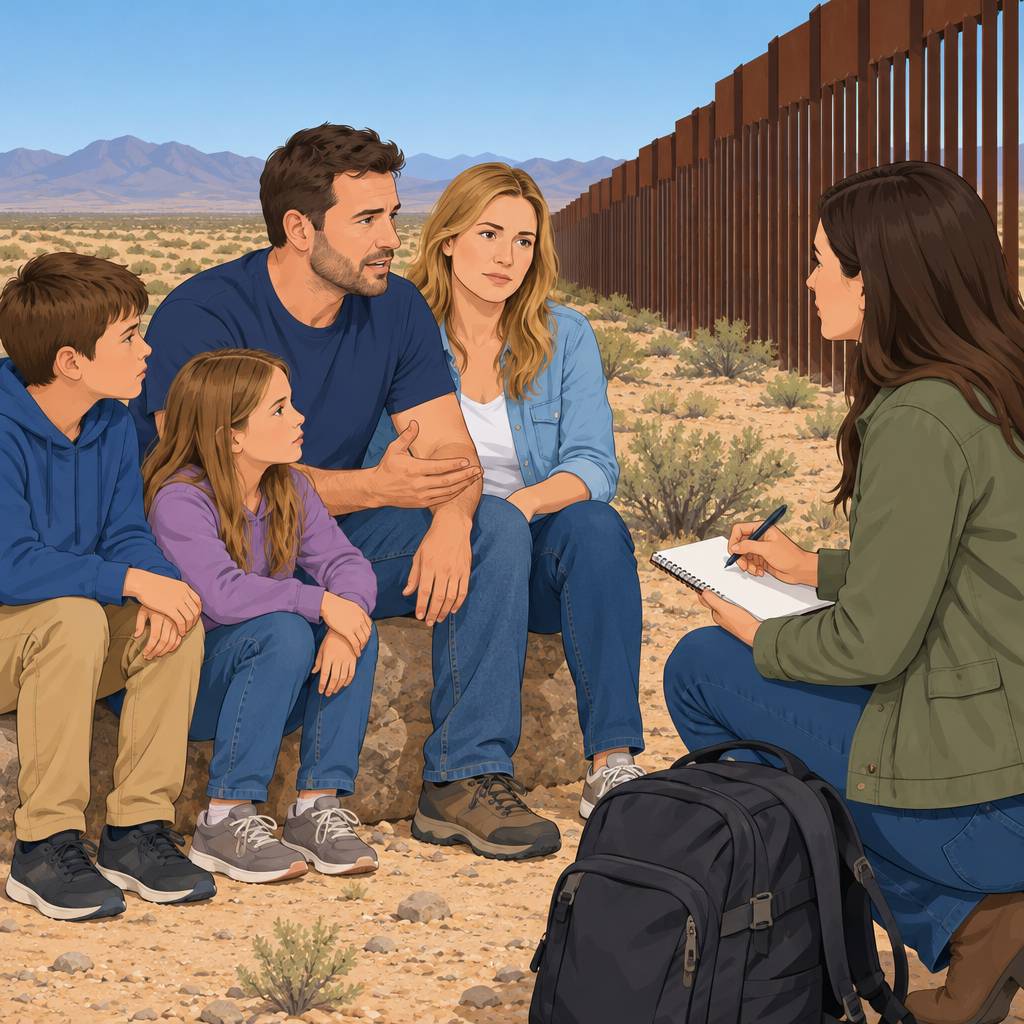
Humanitarian Efforts Along the Border
Humanitarian groups provide essential support to migrants along the U.S.-Mexico border.
They offer food, water, shelter, and medical care during difficult journeys.
These efforts demonstrate compassion, resilience, and solidarity within border communities.
Organizations and Individuals Providing Aid
Border Angels, No More Deaths, and the South Texas Human Rights Center support migrants.
These organizations depend on volunteers and donations to continue their humanitarian work.
Many volunteers demonstrate compassion by assisting people facing difficult circumstances.
Residents of border communities also provide important assistance to migrants.
Some residents open their homes and offer migrants safe places to rest.
Such kindness reflects the solidarity that exists within many border communities.
Furthermore, humanitarian workers continue serving migrants despite serious risks.
They often work in remote areas where conditions can become dangerous.
Their commitment to humanitarian values encourages them to continue protecting migrants’ rights.
Challenges Facing Humanitarian Workers
Humanitarian workers face limited resources and insufficient funding for their programs.
Many organizations rely heavily on donations and volunteer support.
Consequently, maintaining long-term aid programs can become difficult.
Workers also operate in environments where harassment and threats may occur.
Law enforcement and anti-immigrant groups may create additional risks for humanitarian teams.
Transform Your Career Today
Unlock a personalized career strategy that drives real results. Get tailored advice and a roadmap designed just for you.
Start NowThe physical and emotional demands of this work can become severe.
Workers regularly confront human suffering and violence during their duties.
In addition, policy changes can disrupt humanitarian organizations’ plans.
Political backlash creates further uncertainty for groups providing assistance.
Despite these pressures, humanitarian workers remain resilient and dedicated.
Humanitarian Aid and Border Community Needs
Humanitarian aid addresses urgent needs among vulnerable migrants and border communities.
Food, water, shelter, and medical care can reduce suffering during border crossings.
These services also help migrants maintain dignity during difficult experiences.
Humanitarian workers promote compassionate treatment for people regardless of immigration status.
Their assistance supports more inclusive communities along the border.
Moreover, aid can strengthen relationships between migrants and border residents.
Shared efforts encourage solidarity and mutual support among diverse groups.
These relationships can promote equity and social justice within border communities.
Humanitarian organizations therefore make valuable contributions to a more compassionate border region.
Explore Further: Wildland Firefighter Collaboration with Other Agencies
Border Security and Public Safety Concerns
Border security remains a widely debated issue in the United States.
The U.S.-Mexico border ranks among the world’s most heavily trafficked borders.
Therefore, public safety and security concerns continue to shape policy debates.
Effectiveness of Border Security Measures
Officials have tried several methods to increase security along the border.
These methods include physical barriers and increased funding for border patrol agents.
However, critics question whether these measures provide sufficient results.
They cite continuing illegal crossings and drug smuggling despite stronger security measures.
Consequently, policymakers need comprehensive analyses to identify effective practices and necessary improvements.
Impact of Heightened Security on Border Communities
Border security supports national security, but it also affects nearby communities.
Increased security measures can disrupt residents’ daily routines and create economic consequences.
Many residents express concerns about militarization and increased border patrol presence.
They believe authorities target their communities unfairly and violate their civil liberties.
Therefore, policymakers should assess these effects and reduce harmful consequences.
Alternative Approaches to Border Security
Current challenges create a need to examine alternative border security approaches.
Some experts recommend technology, including drones and sensors, for more effective monitoring.
Others propose expanding legal immigration pathways to reduce demand for illegal crossings.
These approaches could support security while addressing concerns about human rights.
Thoughtful discussion can help identify solutions that protect communities and respect human dignity.
Real-Life Stories from the U.S.-Mexico Border
As people approach the border, tension fills the air.
Countless individuals risk their lives while seeking better futures.
Immigrant families endure hardship while holding onto hope for new beginnings.
Meanwhile, children play near the fence, unaware of its political complexities.
Stories of separation and resilience echo throughout border communities.
Despite these challenges, people show kindness and solidarity.
Shared Humanity and Hope Along the Border
The U.S.-Mexico border reveals stark contrasts between hardship and hope.
Transform Your Career Today
Unlock a personalized career strategy that drives real results. Get tailored advice and a roadmap designed just for you.
Start NowTherefore, we must support border communities through meaningful engagement.
Listening to border stories helps people understand local experiences.
We must remember the humanity behind headlines and statistics.
Together, we can build a more compassionate and understanding future.
Additional Resources
Google search results for Real-Life Stories from the U.S.-Mexico Border Protective Services
Bing search results for Real-Life Stories from the U.S.-Mexico Border Protective Services


