




Highway patrol and local police have distinct roles in law enforcement.
Highway patrol officers focus on enforcing traffic laws.
Local police handle a wider range of issues.
This blog post explores key differences between highway patrol and local police.
It discusses their jurisdiction, duties, training, and other distinctions.
Key Responsibilities of Highway Patrol
- Enforcing traffic laws on highways and interstates
- Providing assistance to motorists in need
- Reducing accidents and maintaining road safety
Highway patrol officers enforce traffic laws on highways and interstates to protect motorists.
They monitor traffic, investigate crashes, and respond to emergencies.
By applying speed limits and seat belt laws, they help reduce roadway accidents and fatalities.
Additionally, officers assist motorists who need help.
They respond when drivers face roadside breakdowns, crashes, or medical emergencies.
They may also inspect vehicles and help manage congestion.
These actions help keep roads safe and clear.
Regular patrols help officers identify hazards and take corrective action.
Moreover, officers coordinate with emergency responders and transportation departments.
Those partnerships support broader road safety initiatives.
Local police departments address community needs through broader responsibilities than specialized highway patrol units.
Key Responsibilities of Local Police
- Maintain law and order within specific communities.
- Respond to emergency calls and incidents.
- Investigate crimes and make arrests.
Local police officers maintain law and order within their designated communities.
They work with residents and businesses to address safety concerns and prevent criminal activity.
When emergencies arise, local police officers respond first at the scene.
These officers handle car accidents, domestic disputes, and medical crises with urgency and professionalism.
Furthermore, local police investigate crimes and apprehend suspects.
Detectives and patrol officers gather evidence, interview witnesses, and bring offenders to justice.
Local police departments also support community outreach and engagement.
Officers participate in neighborhood events, school programs, and community meetings.
These activities help officers build trust and strengthen relationships with residents.
Local police officers therefore serve as the backbone of community law enforcement.
They work consistently to keep residents safe and secure.
Explore Further: Parole Officer: Real Stories and Experiences
Jurisdiction of Highway Patrol
Understanding jurisdiction helps explain how Highway Patrol and local police divide law enforcement responsibilities.
These agencies serve different areas and coordinate when their responsibilities overlap.
Their jurisdiction shapes how they enforce laws, respond to incidents, and assist the public.
Responsibility for State Highways and Interstates
Highway Patrol officers primarily patrol state highways and interstates.
These roadways support interstate commerce and travel.
Therefore, officers help maintain safety and security across these major routes.
They enforce traffic laws on those roadways.
They respond to accidents and assist motorists in distress.
Their training prepares them for varied situations on busy highways.
Limited Authority Within City Limits
Within city limits and urban areas, local police departments usually hold primary jurisdiction.
Highway Patrol authority becomes more limited in those locations.
However, officers may still patrol there for traffic enforcement or emergencies.
Transform Your Career Today
Unlock a personalized career strategy that drives real results. Get tailored advice and a roadmap designed just for you.
Start NowThey generally defer criminal matters and boundary incidents to local police.
This division clarifies which agency normally handles incidents inside city boundaries.
Collaboration Between Law Enforcement Agencies
Highway Patrol and local police collaborate when jurisdictional issues arise.
They may conduct joint patrols and share information.
Additionally, cooperative efforts can address issues affecting both jurisdictions.
Working together supports seamless law enforcement operations.
Both agencies can then protect and serve the public across their areas.
Recognizing these differences helps clarify the important roles of both agencies.
Their coordinated efforts support public safety across highways, cities, and surrounding areas.
Explore Further: Famous Cases Solved by Private Investigators
Local Police Jurisdiction and Responsibilities
Local police have authority within city limits and specific communities.
They enforce local ordinances and laws within their specific jurisdictions.
Additionally, local officers work with county sheriffs to maintain public safety.
Collaboration with County Sheriff’s Departments
- Local police departments often collaborate with county sheriff’s departments to share resources and information.
- This cooperation supports more effective law enforcement and better coordination.
- County sheriffs typically serve larger areas, while local police focus on specific communities.
- Therefore, collaboration helps agencies protect the public more effectively.
Enforcing Local Ordinances and Laws
- Local police enforce ordinances that apply to particular cities or communities.
- These ordinances address issues such as noise violations, parking regulations, and building codes.
- Local officers also enforce state laws within their jurisdictions.
- As a result, enforcement helps maintain order and safety within local communities.
Through these responsibilities, local police support public safety and order within their jurisdictions.
Learn More: Secret Service Agent Code of Conduct and Ethics
Training and Qualifications for Highway Patrol Officers
Highway patrol officers need training and qualifications tailored to highway safety.
Unlike local police officers, they develop specialized skills for traffic enforcement and highway operations.
This preparation helps them manage risks that arise during highway patrol duties.
Specialized Training for Highway Operations
Highway patrol officers study issues that directly affect highway safety.
They learn to enforce traffic laws while addressing challenges unique to highway environments.
This focused instruction strengthens their ability to protect motorists during patrol activities.
Defensive Driving Skills
Defensive driving forms an important part of highway patrol training.
Officers practice techniques for managing high-speed pursuits safely and effectively.
These techniques help officers reduce risks to themselves and other people on the road.
Accident Investigation Training
Highway patrol officers also learn how to investigate traffic accidents.
They assess accident scenes, gather evidence, and examine factors surrounding each collision.
This training supports accurate and thorough investigations into traffic accidents.
Emergency Response Preparation
Highway patrol officers often respond to emergencies that affect motorists.
These emergencies may involve accidents, hazardous materials spills, or severe weather conditions.
Officers learn emergency response protocols that help them manage these situations effectively.
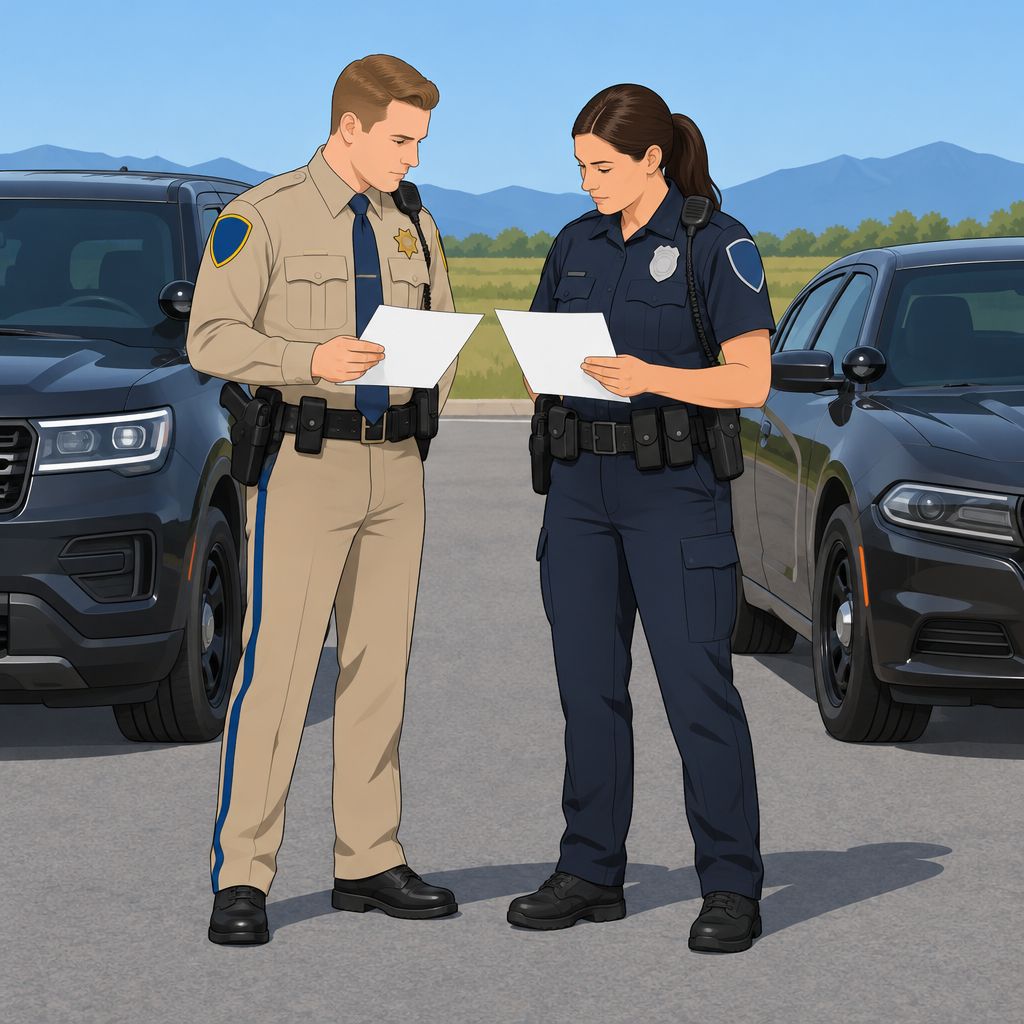
Readiness for Highway Safety Duties
These training areas equip highway patrol officers for the demands of highway service.
Their preparation combines traffic enforcement, defensive driving, accident investigation, and emergency response skills.
As a result, officers can address highway challenges while supporting safer travel for motorists.
Uncover the Details: Salary Expectations for Disaster Response Coordinators
Local Police Training and Qualifications
Local police officers complete broad law enforcement training for community service.
Their preparation differs from highway patrol training because local work addresses community needs.
Community policing, investigations, weapons handling, and force protocols shape this preparation.
General Law Enforcement Training
Officers study criminal law, traffic enforcement, and crisis intervention.
They learn to interact respectfully and effectively with community members.
These skills help officers build relationships, prevent crime, and solve problems proactively.
Transform Your Career Today
Unlock a personalized career strategy that drives real results. Get tailored advice and a roadmap designed just for you.
Start NowCommunity Policing Practices
Community policing forms a central part of local police training.
Officers engage residents, establish trust, and work with local organizations.
This approach emphasizes problem-solving and crime prevention through partnerships.
Investigation Techniques
Local officers receive training in interviewing witnesses and gathering evidence.
They also learn to process crime scenes and conduct thorough investigations.
This training helps officers solve crimes and bring perpetrators to justice.
Evidence Collection Procedures
Officers follow procedures that protect crime scenes and materials.
They document and preserve evidence to support convictions and uphold the rule of law.
Proper collection helps cases withstand scrutiny in court.
Weapons Handling Certification
Officers must complete certification in weapons handling and use-of-force protocols.
Training covers firearm safety, marksmanship, and tactical deployment.
These skills help officers respond to threats and protect themselves and others.
Use-of-Force Protocols
Officers learn to respond proportionally to threats and risks.
They practice de-escalation and non-lethal force when appropriate.
They also learn to justify actions under department policies and legal standards.
Interaction with the Public
Highway patrol officers mostly interact with motorists and travelers.
Local police officers regularly speak with residents and business owners.
Consequently, each agency adapts its public interactions to its primary responsibilities.
Differences in Communication Styles
Highway patrol officers usually keep conversations brief and focused.
Their communication typically centers on traffic violations and road safety.
By contrast, local police officers engage in more personal conversations.
They use community-oriented communication because they work closely with the people they serve.
Approaches to Building Community Relationships
Highway patrol officers build public relationships through educational programs and outreach efforts.
These efforts promote safe driving habits among motorists and travelers.
Meanwhile, local police officers prioritize community policing initiatives.
They use neighborhood watch programs, community events, and school outreach programs.
These activities foster trust and cooperation between officers and community members.
Together, these approaches reflect the different public responsibilities of highway patrol and local police officers.
Shared Public Safety Goals
Each agency contributes distinct capabilities to public safety.
Highway patrol officers focus on highway traffic enforcement and safety.
Local police officers address broader law enforcement needs within their jurisdictions.
Therefore, knowing which agency to contact helps direct resources effectively.
Both agencies help maintain order and protect communities.
Moreover, communication between them supports coordinated responses to emergencies and criminal activities.
Although their duties differ, both agencies share the goal of protecting and serving the public.
Recognizing these differences can help individuals support a safer society.
Additional Resources
Google search results for Highway Patrol vs. Local Police: Key Differences Protective Services
Bing search results for Highway Patrol vs. Local Police: Key Differences Protective Services


