




Wildland Firefighting Preparedness
As wildland firefighting season begins, preparation remains essential for meeting its physical and mental challenges.
Wildland firefighters face extreme conditions and dangerous situations.
Therefore, readiness can improve their effectiveness while containing and extinguishing wildfires.
The work demands long hours of strenuous labor across hot, rugged terrain.
Consequently, firefighters need excellent physical condition for intense firefighting tasks.
Mental preparation also plays an equally important role during wildland firefighting.
Firefighters must remain focused and alert while making quick decisions under stress.
Finally, mental fortitude helps them manage the pressure of fighting wildfires.
Assessing Physical Fitness for Wildland Firefighting
Wildland firefighting demands strength and endurance.
Therefore, weight lifting, squats, and push-ups can improve strength.
Meanwhile, running, hiking, and cycling can build endurance and stamina.
Firefighters should maintain physical fitness throughout the season to perform effectively.
Regular workouts and training routines should become part of a firefighter’s lifestyle.
Additionally, combining cardio and strength training prepares firefighters for demanding work.
Staying hydrated and eating a balanced diet support peak physical condition.
Likewise, proper rest and recovery help prevent burnout and injuries.
Monitoring progress, setting goals, and tracking improvements can maintain motivation.
Finally, a fitness trainer or healthcare professional can tailor a plan to individual needs.
Required Wildland Firefighter Certifications
Wildland firefighters need specific certifications to prepare for wildfire response.
These credentials support safe decisions during demanding firefighting operations.
Together, they address fire behavior, emergency care, and hazardous materials awareness.
- Wildland Firefighter Type 1, or FFT1, covers fire behavior, safety, and firefighting techniques.
- Emergency Medical Responder certification prepares firefighters to provide medical assistance during emergencies.
- Hazmat Awareness training teaches firefighters to handle hazardous materials safely.
Ways to Obtain Required Certifications
Several training routes can help firefighters earn these required certifications.
Depending on the certification, instruction may combine classroom lessons with practical exercises.
Additionally, some firefighters learn through online courses or supervised workplace experience.
- Training programs often combine classroom instruction with hands-on practice.
- Online courses let firefighters study at their own pace and convenience.
- On-the-job training allows firefighters to learn from experienced colleagues while gaining field experience.
Why Current Certifications Matter
Firefighters should keep their certifications and training current throughout their service.
Regular recertification helps them maintain important firefighting skills.
Furthermore, current credentials support compliance and reinforce safety practices.
- Regular training and recertification help firefighters sharpen their firefighting skills.
- Current certifications help firefighters meet regulatory requirements.
- Updated training keeps firefighters informed about safety protocols and best practices.
You Might Also Like: Training Requirements for Fish and Game Wardens
Familiarizing with Wildland Firefighting Equipment
Wildland firefighting uses specialized tools and equipment to combat fires.
These resources support efficient and safe operations in remote areas.
Firefighters must understand each item before using it during firefighting operations.
Tools for Wildland Firefighting
- Shovels help firefighters dig fire lines that contain spreading flames.
- A Pulaski combines an axe blade for chopping with an adze for digging.
- A McLeod combines a rake and hoe for breaking soil and removing brush.
Equipment for Wildland Firefighting
- Fire shelters protect firefighters during extreme fire conditions.
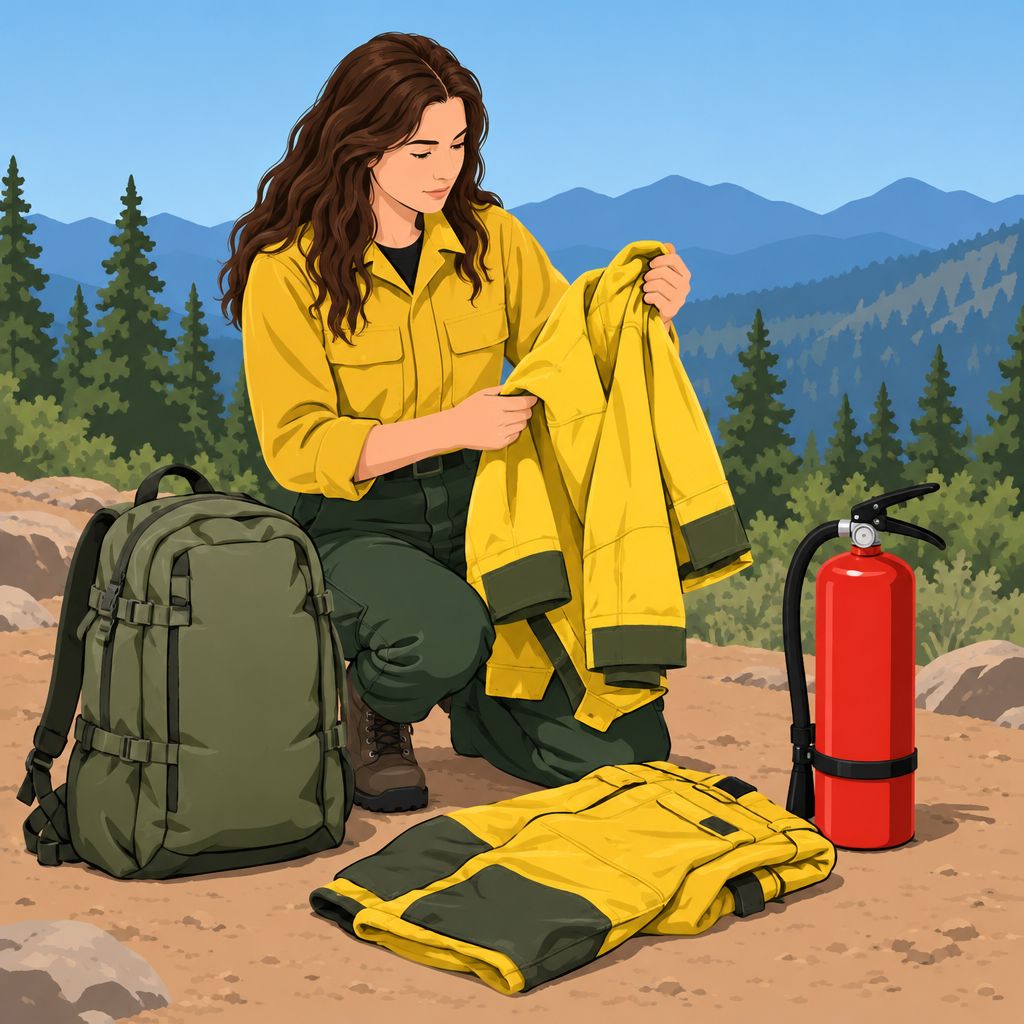
- Fire-resistant clothing includes Nomex suits, gloves, helmets, and boots.
- Firefighting packs carry water, first aid kits, radios, and other essential gear.
Proper Use and Maintenance
- Firefighters should inspect every tool and piece of equipment before use.
- Regular maintenance keeps equipment ready for use when needed.
- Cleaning and sharpening tools regularly can extend their effectiveness and lifespan.
Firefighters should store gear in a clean, dry environment.
Proper storage helps prevent rust and equipment damage.
Regular checks confirm that each item remains functional and suitable for use.
Importance of Equipment Proficiency
- Proficiency with firefighting tools can improve performance during emergencies.
- Quick equipment use can help contain fires and limit their spread.
- Proper tool knowledge improves firefighter safety and reduces injury risks.
During intense fire incidents, effective equipment use can save lives and protect property.
Firefighters should practice with their gear regularly to maintain their skills.
Regular practice supports readiness for wildland firefighting situations.
You Might Also Like: Fish and Game Wardens: Community Involvement
Developing a Communication Plan
Effective communication keeps firefighting teams aligned during demanding operations.
Clear protocols help team members respond quickly when conditions change.
Transform Your Career Today
Unlock a personalized career strategy that drives real results. Get tailored advice and a roadmap designed just for you.
Start NowTherefore, crews should establish communication responsibilities, channels, and check-in procedures.
- Assign a communication officer to coordinate the team’s communication efforts.
- Use clear, concise language and avoid jargon or ambiguous terms.
- Prepare backup channels, including radios, hand signals, and personal cell phones.
- Establish check-in points for location, status, and obstacle updates.
- Encourage active listening so every team member’s input receives consideration.
Maintaining Contact with Incident Command
Crews must maintain communication with the incident command center throughout operations.
This connection provides current information about fire behavior, weather, and operational developments.
Additionally, teams should adapt communication procedures when circumstances or instructions change.
- Designate a liaison as the contact between your crew and the incident command center.
- Establish procedures for checking in and receiving instructions.
- Use radios, satellite phones, or other devices provided by incident command.
- Attend pre-shift briefings and debriefings to understand operational objectives.
- Adjust the communication plan when new information affects operations.
A comprehensive communication plan strengthens coordination and safety during wildland firefighting operations.
Learn More: Highway Patrol Contribution to Homeland Security
Wildfire Action Plan Essentials
Creating a wildfire action plan helps protect you and your loved ones during fire season.
Start by identifying hazards near your home, including dry vegetation and flammable materials.
Then, organize evacuation details and emergency supplies before wildfire conditions develop.
- Assess your risk by identifying dry vegetation and flammable materials near your home.
- Ensure family members know how to contact one another during an emergency.
- Determine multiple evacuation routes and practice driving them with your family.
- Assemble water, food, medications, and important documents in a disaster supply kit.
- Choose a meeting point where family members can reunite if separated.
Review and update your wildfire action plan regularly so it remains relevant and effective.
Meanwhile, practice evacuation procedures so everyone understands what to do during a wildfire.
Keep emergency contact information accessible for local authorities, fire departments, and evacuation shelters.
Share this information with family members and neighbors so they know whom to contact.
Staying vigilant, informed, and prepared can help protect you and your loved ones.
Uncover the Details: Technological Tools Used by TSA Officers for Security
Fire Behavior Awareness for Wildland Firefighters
Understanding fire behavior supports effective firefighting strategies.
Weather, topography, and fuel conditions influence how fires spread and intensify.
By studying these factors, firefighters can anticipate changes in fire spread and intensity.
Training programs, online courses, and research papers provide resources for continued learning.
The National Wildfire Coordinating Group offers fire behavior courses for firefighters.
Meanwhile, vigilance helps firefighters identify behavioral changes and adjust strategies quickly.
Monitoring weather patterns and wind shifts can help crews predict changing fire behavior.
Also, firefighters must communicate effectively with the incident commander and fellow firefighters.
When conditions shift, crews may reposition, adjust containment lines, or request additional resources.
An incident action plan should address responses to various fire behavior scenarios.
Regular training exercises help firefighters recognize different fire behavior patterns.
Because fire behavior awareness develops continuously, firefighters need ongoing education and experience.
Mental Readiness for Wildland Firefighting
Wildland firefighting can challenge firefighters mentally because they face high-pressure situations.
These strategies can help you prepare for the mental demands of the upcoming season.
- Understand the mental challenges: Wildland firefighting involves long hours, unpredictable conditions, and possible danger.
- Practice stress management: Deep breathing, meditation, and exercise can help you manage stress.
- Stay focused during intense situations: Focus on the task at hand and avoid distractions.
- Prioritize safety: Keep a clear mind and prioritize safety during firefighting situations.
- Seek support from peers: Fellow firefighters can provide valuable emotional support during difficult moments.
- Build team connections: A strong team dynamic helps firefighters manage seasonal mental challenges.
- Practice self-care: Hobbies, exercise, and time with loved ones can promote relaxation and stress relief.
- Stay positive: Focusing on your impact can help you remain motivated throughout the season.
Mental preparation can strengthen your resilience and help you handle challenging firefighting situations.
Prioritize your mental health and seek support when necessary to stay strong and focused.
Maintaining Operational Readiness
Operational readiness requires a clear plan, regular equipment checks, and current weather information.
These practices help crews identify changing conditions before they affect firefighting operations.
Meanwhile, ongoing training keeps essential skills ready for demanding emergencies.
Proactive preparation strengthens responses and supports efforts to protect lives and property.
Therefore, firefighters should review procedures and continue refining their skills throughout the season.
Consistent readiness helps crews respond effectively when emergencies develop.
Every firefighter can support preparedness by staying vigilant and training diligently.
Additional Resources
Google search results for Preparing for Wildland Firefighting Season Protective Services
Bing search results for Preparing for Wildland Firefighting Season Protective Services
Transform Your Career Today
Unlock a personalized career strategy that drives real results. Get tailored advice and a roadmap designed just for you.
Start Now


