




The Role of TSA Officers in Airport Security
TSA officers play a crucial role in ensuring airport security by screening passengers and luggage.
Their vigilance helps prevent potential threats and keeps travelers safe.
Airport security protects against terrorism and maintains public confidence in air travel.
These officers stand on the front lines of defense against potential risks.
Their training and expertise help them detect prohibited items and suspicious behavior.
Without their dedication and diligence, airports could face security breaches and potential harm.
TSA officers uphold the safety and security of airport facilities.
Responsibilities of TSA Officers
Passenger screening: TSA officers examine passengers and belongings to identify prohibited items.
They use X-ray machines and metal detectors during the screening process.
These tools help officers locate threats hidden in luggage or carried by individuals.
Checkpoint monitoring: Officers monitor security checkpoints throughout the screening process.
They check scanning equipment and watch for abnormalities that could weaken security procedures.
Threat response: Officers respond to suspicious behavior or possible threats.
They may conduct additional screening, request assistance, or notify law enforcement agencies.
Training and Preparation for Security Duties
TSA officers complete extensive training before handling airport security responsibilities.
The program teaches officers to operate screening equipment and identify potential threats.
It also prepares them to respond appropriately during security breaches.
Regular drills and simulations test officers’ abilities in challenging security situations.
These exercises strengthen their responses and improve performance under pressure.
Additionally, officers pursue continuous professional development throughout their careers.
Ongoing instruction helps them follow updated protocols and use evolving security technologies.
Contribution to Airport Safety
TSA officers support airport security through vigilant screening and attentive checkpoint monitoring.
Their quick responses help address potential threats within airport facilities.
These responsibilities help maintain a secure environment for passengers and airport personnel.
Moreover, officers’ preparation strengthens the aviation industry’s ability to manage security challenges.
Their dedication contributes to safer travel conditions for passengers and personnel.
Training and Qualifications of TSA Officers
- TSA officers must meet specific requirements before beginning their duties.
- Their preparation combines eligibility checks with comprehensive security training.
- Ongoing instruction helps officers maintain current knowledge and skills.
Requirements for Becoming a TSA Officer
- Applicants must be U.S. citizens or U.S. nationals.
- They must pass a background check and drug screening.
- They must complete a comprehensive training program.
Ongoing Training in Security Procedures
- TSA officers undergo regular training sessions.
- Training includes hands-on practice with security equipment.
- Officers learn to recognize potential threats and respond effectively.
Experience and Knowledge in Airport Safety
- Experienced officers handle security challenges more effectively.
- Knowledge of evolving security threats remains crucial.
- Expertise enhances overall effectiveness and efficiency.
Uncover the Details: Correctional Officer Work Environment
Impact of TSA Officers on Preventing Security Breaches
TSA officers help prevent security breaches at airports.
Through diligence and expertise, they identify potential threats before passengers board flights.
Their work supports safer travel for passengers and airport staff.
Examples of Prevented Security Threats
TSA officers have detected concealed weapons during airport screening.
- In 2017, a TSA officer at JFK Airport detected a concealed weapon in a passenger’s carry-on bag.
- At LAX, another TSA officer discovered explosive materials hidden in passenger luggage.
These discoveries helped prevent potential threats from moving beyond airport security checkpoints.
Effectiveness of TSA Security Measures
Officers use X-ray scanners, metal detectors, and pat-down searches during airport screening.
They also conduct random bag checks and additional screenings to strengthen airport security.
These measures help deter security breaches and maintain a safe travel environment.
Changes in Airport Security After TSA Established
Before TSA existed, airport security used less stringent procedures.
Consequently, those procedures allowed greater potential vulnerabilities within airport security.
After TSA assumed airport security operations, airports implemented stronger protocols and procedures.
Today, TSA officers screen passengers and baggage before travelers board flights.
Their presence has strengthened travelers’ sense of safety and security.
Transform Your Career Today
Unlock a personalized career strategy that drives real results. Get tailored advice and a roadmap designed just for you.
Start NowGain More Insights: Future of TSA Officer Roles in Aviation Security
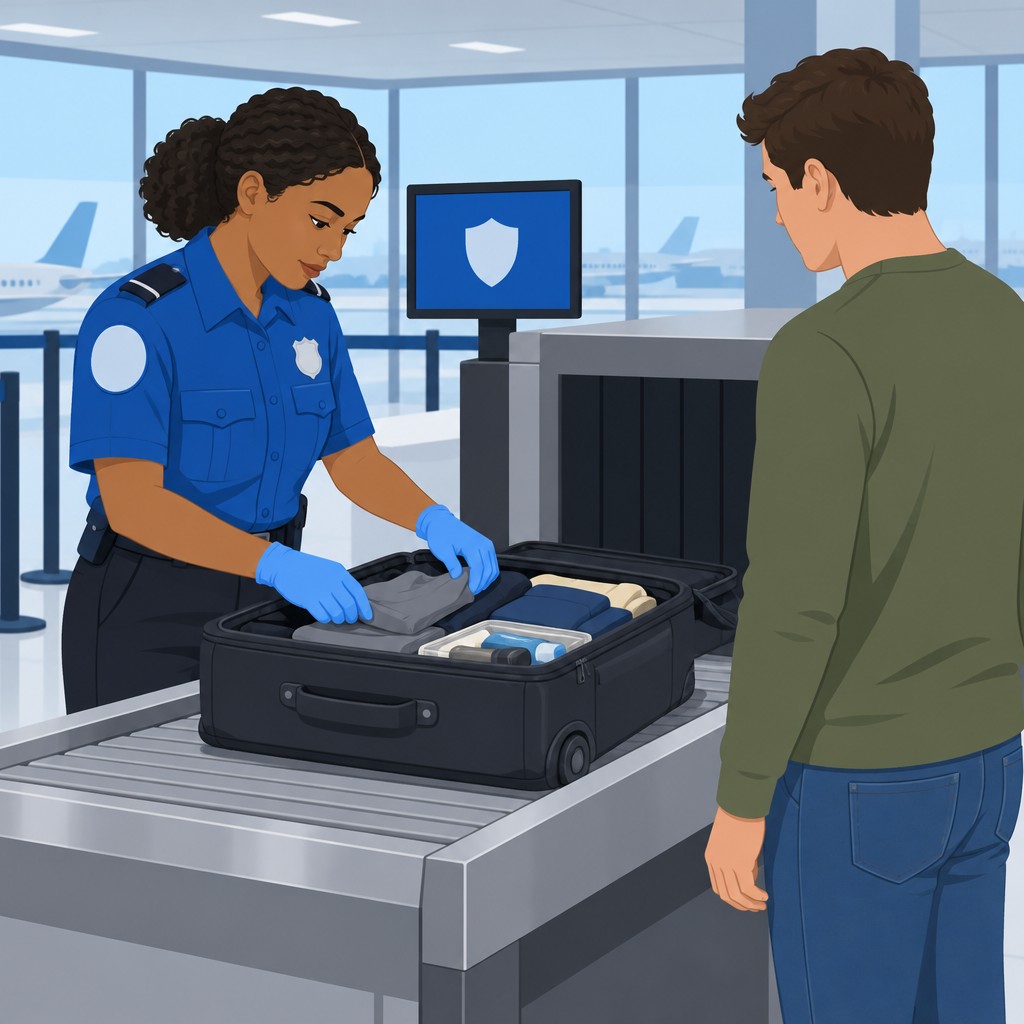
Challenges Faced by TSA Officers in Maintaining Airport Security
- TSA officers balance thorough checks with efficient screening.
- They manage increasing passenger traffic and changing security threats.
- They address criticism while improving public perception.
TSA officers face several challenges while they maintain airport security.
First, they must balance thorough security checks with efficient screening.
To protect passengers and airline staff, officers screen every person and item passing through security checkpoints.
This process includes passengers, luggage, and other carried belongings.
However, meticulous screening can create long lines and extended checkpoint waits.
As passenger traffic grows, officers must accelerate screening without weakening security measures.
Meanwhile, security threats continue to evolve.
Therefore, officers must learn current protocols and use updated technologies to address emerging dangers.
Passengers also criticize officers and often view screenings as intrusive or unprofessional.
Consequently, officers work to strengthen customer service and communicate respectfully with travelers.
They also use new training programs to prepare for varied security situations.
These efforts can support more positive interactions during airport screening.
Explore Further: Cultural Awareness in Personal Protection
Collaboration with Other Security Agencies and Personnel
- Working with local law enforcement, airport security, and airlines
- Coordinating efforts to enhance overall airport security
- Communicating and working as a team to ensure safety
Collaboration is essential for maintaining airport security and safety.
TSA officers work with other security agencies and personnel to cover every aspect of airport security.
Local law enforcement supports TSA officers in maintaining order and responding to security threats.
Local police departments often hold jurisdiction over airport grounds.
Airport security personnel coordinate with TSA officers to strengthen airport security.
These teams conduct joint training exercises and share intelligence information.
They also implement security protocols that address potential threats.
Airlines also work closely with TSA officers to protect passengers and crew.
TSA officers and airlines create security procedures tailored to specific flights.
They monitor suspicious activities and respond to security incidents in real time.
Clear communication strengthens collaboration among security agencies and airport personnel.
It enables teams to share critical information and security updates.
Communication also helps agencies coordinate responses during emergencies.
Teamwork creates a unified response to potential security threats.
TSA officers, law enforcement, airport security, and airlines combine their strengths and resources.
These coordinated efforts create a comprehensive security framework for airports.
TSA officers depend on effective collaboration to fulfill their airport security responsibilities.
By working together, these agencies address threats and vulnerabilities more effectively.
Delve into the Subject: Correctional Officer Continuing Education
Innovation and Advancements in Airport Security Technology
- New screening devices and software
- Training TSA officers to use advanced security equipment
- Technology’s impact on security efficiency and effectiveness
Airports face increasingly complex and diverse threats worldwide.
Therefore, airports need innovative security technology to strengthen their protective measures.
They now implement advanced screening devices and software to address this growing demand.
New screening devices can detect explosives, weapons, and contraband.
These devices use advanced imaging technology and sophisticated algorithms.
As a result, TSA officers receive detailed images and alerts about suspicious items.
Airports also invest in training programs for officers who operate this advanced equipment.
Transform Your Career Today
Unlock a personalized career strategy that drives real results. Get tailored advice and a roadmap designed just for you.
Start NowComprehensive training helps officers interpret device results accurately.
Consequently, officers can identify and address potential threats in real time.
Technology improves airport security beyond simple threat detection.
Advanced screening devices help airports process passengers more quickly and accurately.
This improved processing reduces wait times and supports smoother traveler movement.
Furthermore, technology enables airports to adopt a more proactive security approach.
Airports can gather and analyze data about threats, trends, and vulnerabilities.
This data-driven approach supports better decisions about resources and personnel.
Ultimately, airports can build more robust and adaptable security systems.
These advancements have transformed how airports protect passengers and staff.
By combining devices, training, and data analysis, airports can strengthen security measures.
They can also improve efficiency while responding to changing threats.
These efforts support safer travel for everyone passing through airport gates.
Building Trust and Confidence in TSA Officers
Trust and confidence are crucial in relationships between passengers and TSA officers.
Therefore, officers can use several strategies to build positive relationships with passengers.
- TSA officers display professionalism and courtesy by maintaining a professional demeanor and treating passengers respectfully.
- Officers communicate security procedures and guidelines clearly to promote passenger understanding and cooperation.
- They address passenger concerns and complaints promptly to maintain trust and transparency.
By applying these practices, TSA officers can enhance public trust and confidence in their airport security role.
TSA Officers and Aviation Safety
TSA officers contribute to a secure airport environment through consistent attention to safety.
Their presence can discourage potential threats and reassure travelers during air travel.
Furthermore, their work supports passengers, crew members, and airport infrastructure.
These officers uphold established safety standards while protecting the aviation environment.
Their dedication helps airports maintain secure conditions for everyone using their facilities.
Consequently, travelers can rely on established security practices throughout their airport experience.
TSA officers also help preserve airport operations through their assigned duties.
By responding to potential threats, they support a safer setting for air travel.
Their continued commitment strengthens confidence in the security of the aviation industry.
Additional Resources
Google search results for Impact of TSA Officers on Airport Security and Safety Protective Services
Bing search results for Impact of TSA Officers on Airport Security and Safety Protective Services


