




Community health workers connect communities with healthcare providers.
Importance of Addressing Health Disparities
Health disparities describe differences in health outcomes among various groups.
These differences can relate to race, socioeconomic status, and location.
Addressing these differences helps communities recognize unequal health outcomes.
Role of Community Health Workers
Community health workers address health disparities through culturally competent care.
They advocate for underserved populations and connect communities with healthcare services.
Additionally, these workers educate community members about preventive care.
They also help people navigate the healthcare system.
Furthermore, they provide social support and encourage healthy behaviors.
They promote access to resources within their communities.
Through this work, community health workers empower individuals to manage their health and well-being.
Training and Education
Community health workers need specialized training and education to perform their responsibilities effectively.
Training helps them build knowledge and skills for community-based health work.
Education also prepares them to support people from diverse backgrounds.
Training Requirements
Many community health workers receive training through employment or formal education programs.
These programs develop knowledge of public health, communication, and cultural competency.
Hands-on community experience strengthens their ability to apply these skills.
- Community health workers typically receive on-the-job training or formal education.
- Training programs cover public health, communication skills, and cultural competency.
- Hands-on experience in community settings supports practical learning.
- Many workers complete certification programs to demonstrate their skills and knowledge.
Skills Needed for Community Health Work
Effective communication helps workers engage individuals and communities.
Cultural competency helps them understand and respect diverse backgrounds.
Problem-solving and health literacy support education, prevention, and responses to complex health issues.
- Communication skills help workers engage effectively with individuals and communities.
- Cultural competency supports respectful interactions with diverse populations.
- Problem-solving skills help workers address complex community health issues.
- Health literacy helps workers explain health promotion and disease prevention.
Appropriate training equips community health workers to serve their communities more effectively.
These skills can support improved health outcomes for marginalized populations.
Roles and Responsibilities
Community health workers provide essential health services and education to underserved populations.
Their responsibilities include advocacy, education, care coordination, and direct service provision.
These activities help communities address specific health needs and improve access to care.
Health Education and Outreach
- Community health workers conduct health assessments to identify specific community needs.
- They develop and implement education programs that reflect those needs.
- They provide information about preventive care, healthy lifestyles, and disease management.
Care Coordination
- Community health workers help residents access healthcare services and community resources.
- They help individuals navigate healthcare systems and understand treatment options.
- They coordinate specialist referrals and follow-up care for chronic conditions.
Advocacy and Empowerment
- Community health workers advocate for policies addressing social determinants of health.
- They empower community members to advocate for their own health and well-being.
- They build partnerships that promote health equity and social justice.
Cultural Competence and Language Access
- Community health workers respect cultural beliefs and practices influencing health behaviors.
- They provide interpretation and translation services for people who do not speak English.
- They create health education materials that reflect cultural needs and perspectives.
Through these responsibilities, community health workers support marginalized populations directly.
They also help improve health outcomes and access to care within underserved communities.
Delve into the Subject: Benefits of Life Skills Instruction for Special Needs
Building Trust and Relationships
Community health workers need trust to address health disparities effectively.
Trust creates a strong foundation for relationships with community members.
Furthermore, strong relationships help workers understand community needs and concerns.
Importance of Building Trust
Trust helps community health workers establish credibility and rapport with community members.
It also encourages open communication and collaboration throughout community health efforts.
Additionally, trust helps workers address cultural and language barriers during community engagement.
- Establishing trust builds credibility and rapport with community members.
- Trust helps workers understand the needs and concerns of the community.
- Building trust fosters open communication and collaboration with community members.
- Trust helps workers overcome cultural and language barriers.
- Trust encourages community members to accept health education and interventions.
Establishing Strong Relationships
Active listening shows empathy and helps workers understand community members.
Respecting cultural practices and beliefs can strengthen rapport with the community.
Moreover, community involvement helps workers address unique needs more effectively.
- Engage in active listening to show empathy and understanding.
- Respect cultural practices and beliefs when working with the community.
- Involve community members in decisions that affect their health.
- Provide ongoing support and follow-up to demonstrate commitment and care.
- Build partnerships with local organizations and key stakeholders.
By prioritizing trust, community health workers can strengthen collaboration with the communities they serve.
As a result, strong relationships can support efforts to improve community health outcomes.
Learn More: Health Education Techniques for Community Health Workers
Transform Your Career Today
Unlock a personalized career strategy that drives real results. Get tailored advice and a roadmap designed just for you.
Start NowCultural competency helps healthcare teams provide equitable services to people from diverse backgrounds.
Significance of Cultural Competency
Cultural competency supports health equity by recognizing the different needs of population groups.
It requires respect for each person’s beliefs, values, traditions, and healthcare practices.
Furthermore, culturally competent providers can communicate clearly and tailor interventions to individual circumstances.
This approach can strengthen patient relationships and support better health outcomes.
Culturally Sensitive Community Health Work
Community health workers can improve cultural sensitivity through diversity, humility, and awareness activities.
They should learn about the customs, traditions, and beliefs within the communities they serve.
Meanwhile, respectful conversations can reveal concerns that standard approaches might overlook.
Interpreters and language services can help workers communicate effectively across language differences.
Workers should remain open-minded, non-judgmental, and willing to learn from community members.
They can also consult cultural leaders, organizations, and other community stakeholders.
These connections can clarify the healthcare challenges affecting different cultural groups.
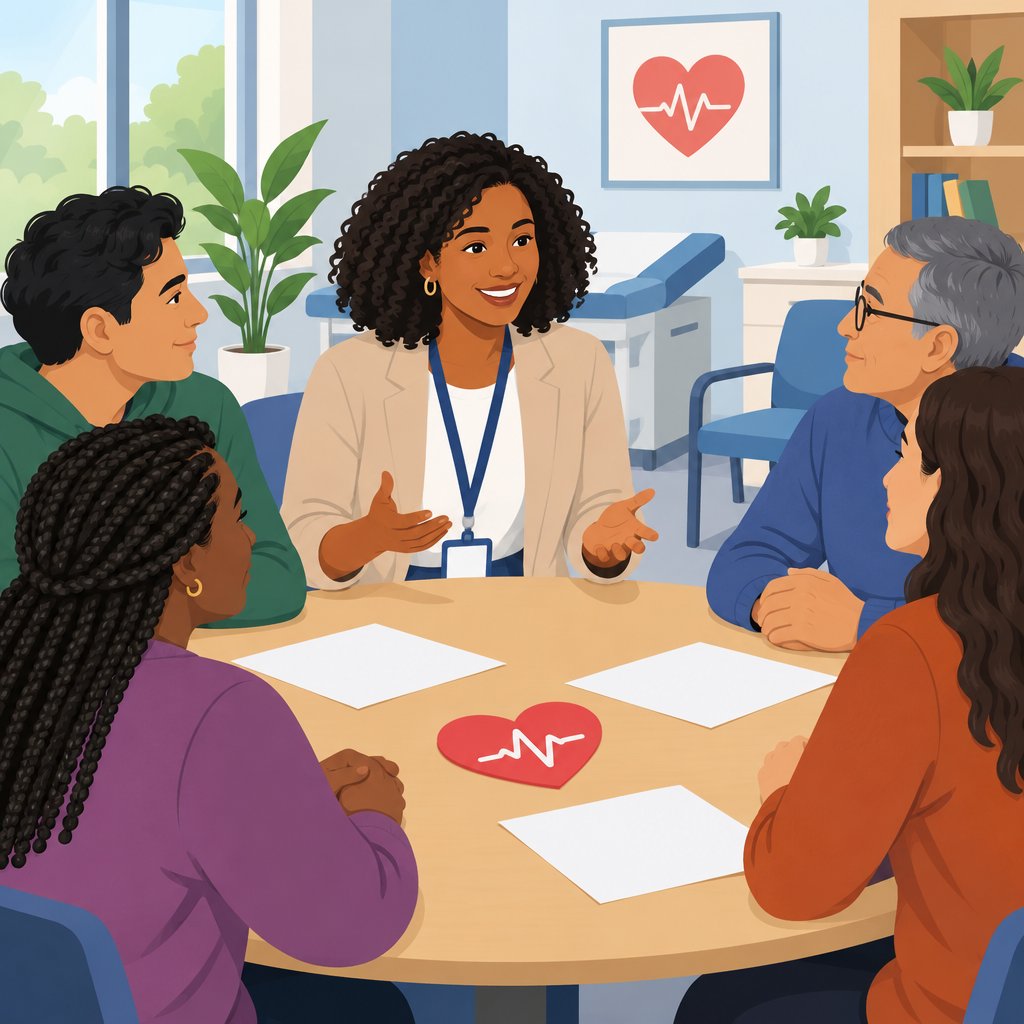
Applying Cultural Competency in Daily Practice
Community health workers can apply cultural competency by listening carefully to each patient.
They should acknowledge cultural values while showing empathy and understanding.
Instead of relying on stereotypes, workers should ask about each person’s experiences.
This practice creates a more welcoming environment for people from diverse backgrounds.
Regular reflection can help workers identify personal biases, assumptions, and cultural influences.
Ongoing learning can strengthen their ability to provide respectful and responsive support.
Ultimately, culturally sensitive practice helps community health workers address unique needs more effectively.
See Related Content: Family Support Worker Salary and Benefits
Community health workers (CHWs) play a critical role in addressing social determinants of health.
Social determinants include conditions affecting where people are born, grow, live, work, and age.
CHWs work at the grassroots level to address these factors and improve community health outcomes.
Community Health Workers and Social Determinants of Health
CHWs address conditions that influence health by working directly with individuals and communities.
They help people find services supporting healthcare access, stable housing, food security, and transportation.
Additionally, CHWs advocate for policies addressing poverty and limited access to healthy foods.
- CHWs connect communities with healthcare providers and help bridge gaps in care.
- They provide culturally appropriate support and education about navigating the healthcare system.
- CHWs advocate for policies addressing poverty and limited access to healthy foods.
- They conduct outreach programs promoting preventive care and healthy behaviors.
- CHWs connect individuals with food assistance, housing services, and transportation options.
Community Health Workers and Essential Resources
CHWs help people navigate programs supporting health and daily stability.
They provide practical assistance with applications, appointments, and information about available services.
Furthermore, they collaborate with organizations and schools to connect families with needed resources.
- CHWs help individuals complete health insurance and housing assistance applications.
- They explain available healthcare services and help individuals schedule appointments.
- CHWs organize health fairs and workshops that increase resource awareness.
- They collaborate with organizations addressing housing insecurity and affordable housing access.
- CHWs work with schools to promote healthy behaviors and support families needing assistance.
CHWs serve as advocates and educators for vulnerable populations.
Their grassroots efforts help communities address root causes and access essential resources.
Find Out More: Legal Aspects of Child Welfare Specialist's Role
Advocacy and Outreach
Community health workers advocate for underserved populations and reach people who need support.
They also help communities access health information, services, and opportunities for improved well-being.
- Advocacy Efforts:
- Community health workers advocate for policy changes that address health disparities in their communities.
- They work with local organizations and government agencies to improve healthcare access for marginalized populations.
- Additionally, they raise awareness about social determinants affecting housing, education, and employment policies.
- They empower community members to advocate for their own health and well-being.
- Outreach Efforts:
- Community health workers conduct outreach programs that connect underserved populations with healthcare resources.
- They educate community members about preventive care, disease management, and healthy lifestyle choices.
- Through home visits and community events, they reach people without traditional healthcare access.
- They provide culturally competent care and bridge gaps between providers and diverse communities.
- Furthermore, community health workers offer trusted information and support to community members.
Data Collection and Monitoring
Data collection and monitoring help community health workers understand local health needs.
They provide baseline information for assessing health status and identifying differences among population groups.
Furthermore, consistent monitoring shows whether programs improve outcomes and where services require adjustment.
- Provides a baseline for understanding community health status
- Identifies differences in health outcomes among population groups
- Helps evaluate the effectiveness of interventions and programs
- Guides decisions and resource allocation for targeted interventions
Collecting and Analyzing Community Health Data
Community health workers can gather information through surveys, interviews, and focus groups.
They can also use trusted community relationships to collect insights that traditional methods might miss.
Additionally, collaboration with health facilities can expand access to existing data sources and improve information quality.
Transform Your Career Today
Unlock a personalized career strategy that drives real results. Get tailored advice and a roadmap designed just for you.
Start Now- Engage community members to gather direct insights and firsthand information
- Use mobile applications or online surveys for efficient data collection
- Collaborate with health facilities and organizations to access existing data
- Validate information through regular quality checks
Tracking Progress and Identifying Improvement Areas
Regular comparisons between baseline and current data reveal changes in community health outcomes.
These reviews can show where disparities continue or interventions produce limited results.
Moreover, stakeholders can use shared findings to discuss recommendations and adjust community health strategies.
- Compare baseline information with ongoing data to measure progress
- Identify persistent disparities and ineffective interventions
- Engage stakeholders in meetings that review findings and recommendations
- Use data visualization tools to communicate important findings clearly
Applying Findings to Community Health Decisions
Data analysis helps stakeholders allocate resources according to documented community needs.
Community health workers can adapt interventions when monitoring reveals emerging needs or service gaps.
This ongoing process supports targeted action and strengthens efforts to improve health outcomes.
Supporting Equitable Health Opportunities
Community health workers help underserved communities access healthcare services.
They provide culturally competent care, promote health education, and advocate for policies that improve access for everyone.
Furthermore, readers should recognize and support community health workers in their communities.
That support can help ensure equal opportunities for good health.
By advocating for recognition and adequate compensation, communities can create a more equitable healthcare system.
Such a system benefits all members of society.


