




Introduction
Community health workers are dedicated individuals who provide health education and support to underserved communities.
Additionally, they promote preventive care and help reduce health disparities.
Therefore, community health workers play a crucial role in bridging gaps in care.
Role of Community Health Workers
Community health workers connect underserved communities with healthcare support and useful resources.
They strengthen communication between residents and healthcare services.
Their community knowledge helps them respond to local needs.
Definition of Community Health Workers
Community health workers usually come from the communities they serve.
Training prepares them to provide basic health education, support, and advocacy.
Their cultural and linguistic knowledge helps them communicate effectively with community members.
Community Health Worker Responsibilities
These workers support healthcare delivery through several connected responsibilities.
They conduct outreach, provide health education, and promote preventive care.
Additionally, they help people access services and advocate for health equity.
They also offer social support to individuals and families.
Importance in Underserved Communities
Underserved communities may face limited access to healthcare services.
Community health workers connect residents with providers through culturally sensitive communication.
They improve health literacy while addressing social factors that influence health.
Their trusted community presence supports more accessible and effective healthcare.
Training and Education
Community health workers typically need a high school diploma or equivalent to start their careers.
Some employers may require certifications or associate degrees in related fields.
A high school diploma or equivalent can support entry into this career.
Required Qualifications for Community Health Workers
Community health workers typically need a high school diploma or equivalent.
Some employers may require certifications in related fields.
Other employers may require associate degrees in related fields.
Types of Training Programs Available
Training programs vary in length and content.
Some programs offer certificates through community colleges or online platforms.
Employers may instead provide training on the job.
Continuing Education Opportunities for Community Health Workers
Community health workers can pursue continuing education to stay current.
They may attend workshops, seminars, or online courses.
These opportunities can cover cultural competency, health communication, and community resources.
See Related Content: Balancing Compassion and Authority as a Probation Officer
Communication and Outreach Strategies
- Community health workers use various strategies to connect with community members.
- For example, they conduct door-to-door visits, make phone calls, and attend community events.
- Additionally, they build trust and rapport to support effective healthcare communication.
Importance of Effective Healthcare Communication
- Clear communication helps patients understand their health conditions and treatment plans.
- As a result, patients may follow medication instructions and attend follow-up appointments more consistently.
- Effective communication also gives patients opportunities to address concerns and ask questions.
Successful Community Health Worker Outreach Programs
- In rural areas, community health workers organize health fairs with screenings and health education.
- They also collaborate with local clinics to connect residents with healthcare services.
- Furthermore, they conduct home visits to monitor patients’ progress and provide support.
These efforts help bridge gaps in care and improve health outcomes for underserved populations.
Uncover the Details: Substance Abuse Counseling in Correctional Facilities
Cultural Competency in Healthcare
Cultural competency helps healthcare teams provide respectful care to diverse populations.
It also supports communication that reflects patients’ beliefs, values, and cultural practices.
As a result, culturally responsive care can strengthen trust and address individual needs.
Community Health Workers as Cultural Bridges
Community health workers serve as cultural brokers between providers and patients from diverse backgrounds.
They understand community languages, beliefs, and customs through their close community connections.
Therefore, CHWs can interpret patient needs and advocate for appropriate care within healthcare systems.
Culturally Sensitive Support from CHWs
CHWs support communication, education, and advocacy in culturally diverse communities.
Their services can help patients navigate care while respecting cultural beliefs and practices.
Transform Your Career Today
Unlock a personalized career strategy that drives real results. Get tailored advice and a roadmap designed just for you.
Start NowMoreover, community engagement helps address health disparities and promote healthy behaviors.
- Language Assistance: CHWs provide interpretation during medical appointments for patients who do not speak English.
- Cultural Understanding: CHWs respect community beliefs and practices when supporting individual care needs.
- Health Education: CHWs deliver education that reflects different cultural groups’ beliefs and values.
- Community Engagement: CHWs work with community members to address disparities and promote healthy behaviors.
Healthcare providers and CHWs must practice cultural competency across care settings.
Respect for cultural backgrounds helps patients receive quality and culturally sensitive healthcare services.
Thus, CHWs connect cultural understanding with effective and equitable healthcare support.
You Might Also Like: School Social Workers and Early Intervention Programs
Health Education and Promotion
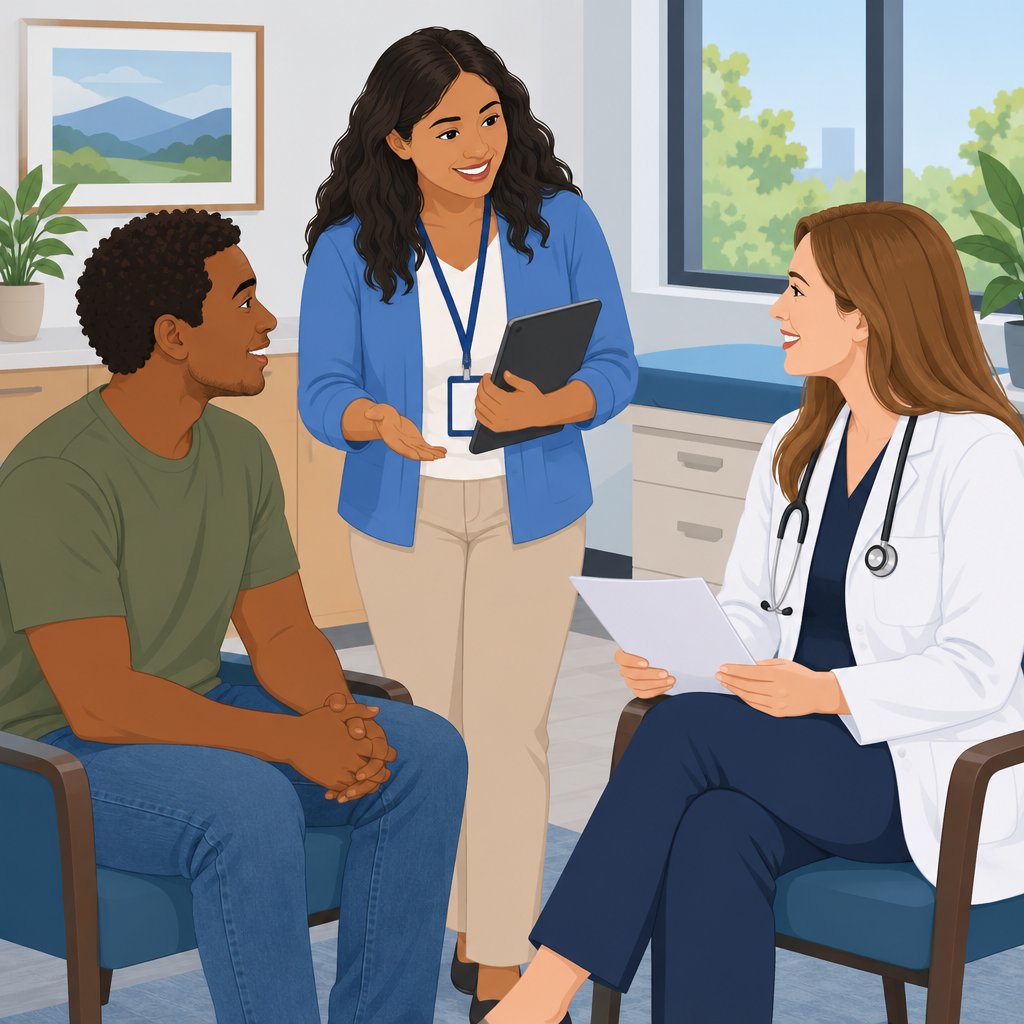
Community health workers educate community members about various health issues.
They connect healthcare providers with community members.
They provide valuable health information and useful resources.
Importance of Preventive Care and Health Promotion
Preventive care is essential for maintaining overall health and well-being.
Community health workers promote vaccination and healthy lifestyle choices.
They also encourage regular health screenings.
Successful Health Education Initiatives
Several initiatives demonstrate how community health workers support health education.
These programs address prevention, maternal care, awareness, nutrition, and access to support.
Their efforts provide practical guidance for individuals and families.
- Community health workers educate at-risk individuals about diabetes prevention, lifestyle changes, and condition management.
- They promote maternal and child health through prenatal education, immunizations, and support for new mothers.
- They raise HIV/AIDS awareness, dispel myths, explain prevention, and encourage testing and treatment.
- They promote healthy eating, teach proper nutrition, and address food insecurity in underserved communities.
Their dedication and knowledge help communities understand important health information.
Cultural competence helps them communicate effectively with community members.
These efforts can improve health outcomes for individuals and populations.
Gain More Insights: How Family Support Workers Assist Vulnerable Families
Advocacy and Support
Community health workers advocate for the needs of their communities.
They speak for people who face barriers to healthcare resources and proper care.
This advocacy helps communities address healthcare needs more effectively.
Ways Community Health Workers Advocate
They educate community members about their rights to healthcare services.
They also work with local policymakers to address healthcare disparities.
Additionally, they empower individuals to navigate healthcare systems effectively.
- They educate community members about their rights to healthcare services.
- They work with local policymakers to address healthcare disparities.
- They empower individuals to navigate healthcare systems effectively.
- They raise awareness about important health issues in their communities.
Importance of Support Services
Support services address various social determinants of health.
Through assistance and guidance, community health workers help individuals manage healthcare challenges.
Consequently, their support can improve health outcomes and quality of life.
Advocacy Work and Support Services
Community health workers connect individuals with healthcare and social support.
They provide practical information while helping people address personal needs.
They also support patients through education and regular follow-ups.
- They assist individuals in accessing affordable healthcare services.
- They provide information about preventive care and healthy lifestyle choices.
- They advocate for increased funding for community health programs.
- They connect individuals with food assistance and housing resources.
- They support patients managing chronic conditions through education and regular follow-ups.
By combining advocacy with support, community health workers help bridge gaps in care.
Collaboration with Healthcare Providers
Collaboration between community health workers and healthcare providers supports comprehensive patient care.
Community health workers connect patients with healthcare facilities, services, and resources.
This partnership combines community insight with clinical expertise.
Importance of Collaboration
Strong collaboration improves communication among patients, healthcare providers, and community health workers.
It also coordinates care and supports continuity for patients.
Furthermore, collaboration addresses service gaps and promotes patient-centered care.
- Collaboration enhances communication among patients, providers, and community health workers.
- It improves care coordination and supports continuity for patients.
- It strengthens healthcare delivery by addressing gaps in services.
- It promotes holistic, patient-centered care.
How Community Health Workers Bridge the Gap
Community health workers help patients navigate healthcare systems and understand available services.
They also provide practical support that helps patients follow treatment plans.
Additionally, their assistance can connect patients with appointments, transportation, and medication guidance.
Transform Your Career Today
Unlock a personalized career strategy that drives real results. Get tailored advice and a roadmap designed just for you.
Start Now- Community health workers provide culturally competent care for diverse populations.
- They educate patients about healthcare systems and available support.
- They assist patients with transportation to healthcare appointments.
- They explain treatment plans and support medication adherence.
Successful Examples of Collaboration
Communities have used collaboration to improve access, coordination, and health support.
These partnerships connect local knowledge with healthcare resources.
As a result, providers and community health workers can address patient needs more effectively.
- In rural areas, CHWs work with local clinics to expand preventive care access.
- In urban settings, CHWs partner with hospitals to reduce readmissions among high-risk patients.
- In underserved populations, CHWs collaborate with physicians to address social determinants of health.
- In tribal communities, CHWs establish culturally sensitive programs to improve health outcomes.
Results and Impact of Community Health Workers
- Measure how community health workers bridge gaps in care.
- Assess how community health workers influence healthcare outcomes.
- Include community members’ stories and testimonials about their effectiveness.
Community health workers help close care gaps and support positive healthcare outcomes.
Several measures show how effectively they improve access and promote well-being.
First, healthcare utilization rates reveal whether underserved populations access needed medical services.
By facilitating communication, these workers help patients connect with healthcare providers.
Consequently, more individuals can receive appropriate care when they need it.
Care teams can also monitor blood pressure, blood sugar levels, and treatment adherence.
These indicators help assess changes in health outcomes and quality of life.
Furthermore, community members’ stories describe the personalized support they receive.
Those testimonials highlight how workers assist people with their health needs.
Such accounts add human context to measured healthcare results.
Community health workers also address social conditions that influence health.
By connecting marginalized populations with relevant resources, they support greater health equity.
This work can help reduce disparities and improve community well-being.
Together, these measures and experiences show the broad impact of community health workers.
Recognizing the Essential Contribution of Community Health Workers
Community health workers deliver essential services directly to people who need them.
However, their contributions often receive little public recognition.
Healthcare leaders should support and recognize these workers’ dedication.
That support can help sustain their essential contribution to accessible, quality care.
Additional Resources
Google search results for Community Health Workers: Bridging Gaps in Care Social and Human Services
Bing search results for Community Health Workers: Bridging Gaps in Care Social and Human Services


