




Substance Abuse Counseling in Correctional Facilities
- Substance abuse counseling supports inmates struggling with addiction.
- Addressing substance abuse within the criminal justice system supports rehabilitation.
- It also helps reduce recidivism rates.
Substance Abuse in Correctional Facilities
Correctional facilities house many people with substance use problems.
Many of these problems began before incarceration.
Stress, trauma, and mental health concerns can further encourage substance use.
Substance Abuse Rates Among Inmates
- Studies show that around 80% of inmates have a substance abuse problem.
- Approximately 50% of inmates meet the criteria for a substance use disorder.
- Drug-related offenses represent a significant portion of the inmate population.
Reasons Substance Abuse Remains Common
- Many inmates had substance abuse issues before incarceration.
- Some inmates self-medicate to cope with stress, trauma, or mental health issues.
- Drugs or alcohol may remain accessible within the prison environment.
- Peer pressure can influence inmates involved in substance abuse.
- Correctional systems may lack adequate recovery resources and support.
Substance Abuse Counseling in Correctional Facilities
Counselors address addiction problems through focused support inside correctional facilities.
This support helps inmates examine behaviors connected to substance use.
Structured guidance can prepare inmates for recovery and rehabilitation.
Differences Between Counseling and Traditional Therapy
Substance abuse counseling centers on addiction and behavior change.
Traditional therapy addresses a broader range of psychological concerns.
Counseling usually follows structured goals, while therapy may explore issues over longer periods.
- Counselors target addiction-related behaviors and measurable changes.
- Therapists may explore wider psychological concerns.
- Counseling commonly follows structured goals and planned activities.
- Traditional therapy may develop through longer, exploratory work.
Benefits of Counseling for Inmates with Substance Abuse Issues
Counseling helps inmates identify factors connected to their addiction.
It also teaches practical responses to triggers and cravings.
Furthermore, planning for release can support continued recovery and reduce reoffending.
- Inmates can recognize the root causes of addiction.
- Participants can practice coping mechanisms for triggers and cravings.
- Counselors can help inmates create relapse prevention plans.
- Treatment can strengthen mental health and overall well-being.
- Preparation for release can lower the likelihood of reoffending.
Uncover the Details: School Social Workers and Early Intervention Programs
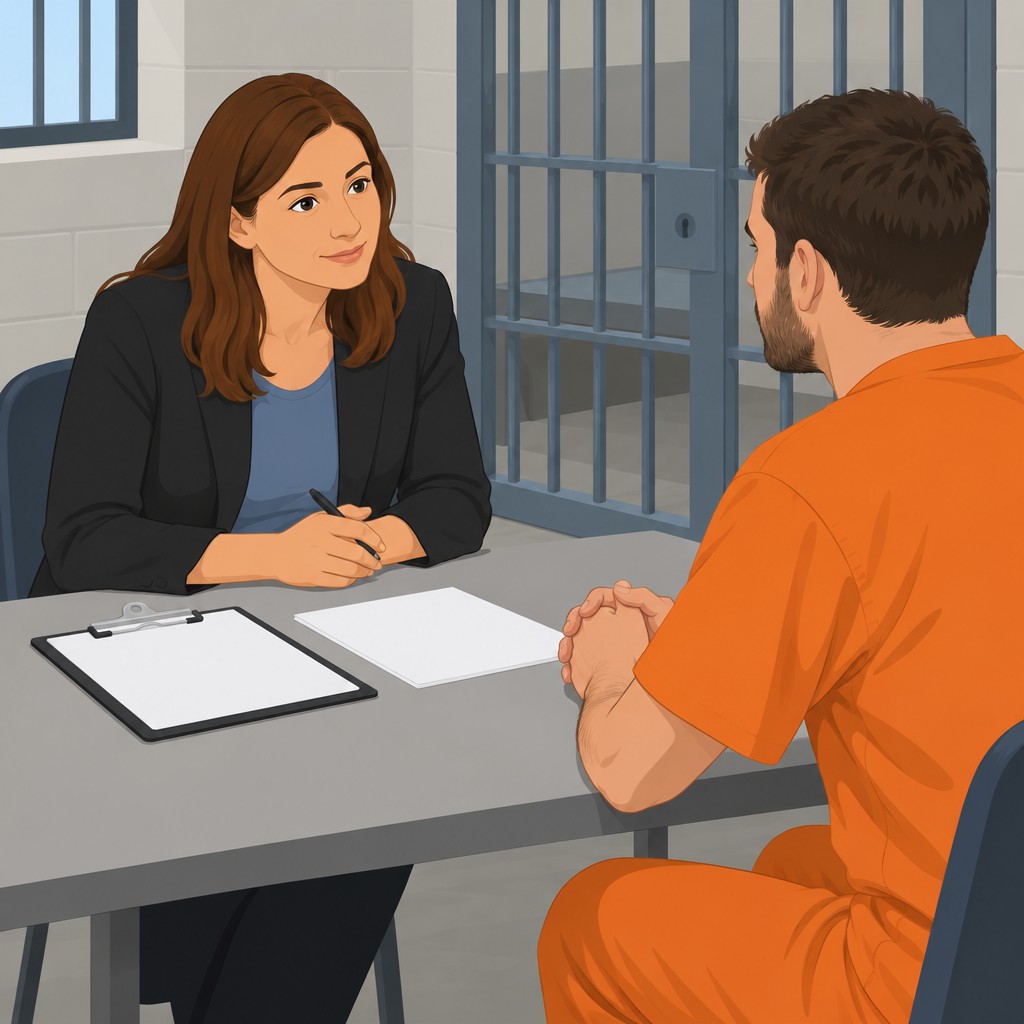
Challenges Faced by Substance Abuse Counselors in Correctional Facilities
Substance abuse counselors face several challenges inside correctional facilities.
Correctional conditions can limit effective counseling and restrict meaningful communication.
Prison culture can also discourage inmates from seeking substance abuse support.
Barriers to Effective Counseling in a Correctional Setting
- Limited Time: Counselors may have limited time with each inmate because many people need services.
- Lack of Confidentiality: Inmates may hesitate to speak openly because they worry about privacy and confidentiality.
- Security Concerns: Counselors must follow security protocols and restrictions that can hinder counseling.
Stigma Associated with Seeking Help for Substance Abuse in Prison
- Fear of Judgment: Inmates may fear judgment from peers or correctional staff when they seek help.
- Perception of Weakness: Prison culture may view substance abuse support as a sign of weakness or vulnerability.
- Limited Resources: Inmates may perceive limited resources and poor access to quality care, reducing their willingness to seek help.
Delve into the Subject: How Family Support Workers Assist Vulnerable Families
Strategies for Substance Abuse Counseling
Correctional counseling programs can use several approaches to support positive behavioral change.
Each approach addresses different aspects of substance abuse and recovery.
Counselors should select methods that match each person’s needs, experiences, and goals.
Counseling Approaches
Behavioral therapy helps individuals change unhealthy behaviors through reinforcement techniques.
Cognitive therapy helps individuals replace negative thought patterns with more positive ones.
Group therapy creates opportunities for shared experiences, encouragement, and mutual support.
- Behavioral therapy focuses on changing unhealthy behaviors through reinforcement techniques.
- Cognitive therapy addresses negative thoughts and encourages more positive thinking patterns.
- Group therapy allows individuals to share experiences and support one another.
- Family therapy examines family issues that may contribute to substance abuse.
- Motivational interviewing helps individuals discover internal reasons for making positive changes.
Individualized Counseling Strategies
Effective counseling recognizes that individuals have different backgrounds, experiences, and reasons for substance abuse.
Personalized services can address specific challenges while supporting individual recovery goals.
Cultural awareness can strengthen trust and communication during counseling sessions.
- Personalized treatment plans address each individual’s specific challenges and goals.
- Cultural sensitivity helps counselors build trust and rapport with individuals.
- Counselors should address co-occurring mental health disorders during treatment.
- Accountability encourages individuals to accept responsibility for their actions and decisions.
- Continued support provides follow-up sessions and resources after release.
These strategies help counselors address the factors connected to substance abuse.
They also support positive changes during treatment and after individuals leave correctional facilities.
Explore Further: The Future of Health Education and Technology
Research Findings on Counseling and Recidivism
Research links substance abuse counseling with lower recidivism rates among people in correctional facilities.
A National Institute on Drug Abuse study found fewer new crimes among incarcerated participants receiving counseling.
Similarly, a Journal of Substance Abuse Treatment study reported lower return rates among treated inmates.
The comparison covered the year following release from jail.
How Addressing Substance Abuse Can Reduce Reoffending
Counseling can help people break behavioral patterns connected with substance use and criminal activity.
It may also address mental health concerns while teaching practical ways to manage cravings and triggers.
Moreover, behavioral therapy and support groups can strengthen decision-making and encourage positive choices.
- Counselors provide tools that can help individuals resist returning to substance use and illegal behavior.
- Sessions encourage participants to accept responsibility and pursue constructive changes after release.
- Supportive treatment can help individuals apply recovery skills during their transition into society.
- These changes can reduce the likelihood of reoffending and support more productive lives.
Delve into the Subject: Day in the Life of a Professional Gerontologist
Best Practices for Substance Abuse Counseling Programs
Correctional facilities can strengthen counseling programs by using experienced professionals and proven treatment methods.
Additionally, individualized plans can address each inmate’s treatment needs.
Ongoing supervision and peer support can further improve counseling services.
Transform Your Career Today
Unlock a personalized career strategy that drives real results. Get tailored advice and a roadmap designed just for you.
Start Now- Collaborate with experienced counselors in the field
- Utilize evidence-based practices for treating substance abuse
- Offer individualized treatment plans for inmates
- Provide ongoing training and supervision for counselors
- Implement group counseling sessions for peer support
Examples of Counseling Programs in Prisons
Several correctional facilities have established substance abuse counseling programs.
These examples demonstrate different approaches to supporting incarcerated people.
Furthermore, each program provides a reference point for developing facility-based services.
- The Pathways to Change program at San Quentin State Prison
- The Beyond Violence program at Sing Sing Correctional Facility
- The Recovery Road program at Rikers Island
Recommendations for Expanding Existing Programs
Facilities can improve existing services by strengthening resources and coordinating care.
They can also support continuity through aftercare and community partnerships.
Regular evaluation allows administrators to adjust programs according to outcomes and feedback.
- Increase funding for substance abuse counseling services
- Integrate mental health services with substance abuse treatment
- Implement aftercare programs for inmates transitioning back to society
- Collaborate with community organizations for support and resources
- Evaluate and adjust programs based on outcomes and feedback
Community Benefits of Correctional Substance Abuse Counseling
Substance abuse counseling in correctional facilities helps inmates overcome addiction.
Treatment and support give individuals opportunities to address underlying issues.
These individuals can work toward a sober future through continued recovery efforts.
Addressing substance abuse in correctional facilities supports public safety.
Effective treatment reduces repeat offenses and strengthens successful rehabilitation.
Furthermore, holistic care supports inmate well-being and benefits surrounding communities.


