




COVID-19 has drastically limited traditional in-person volunteer opportunities.
Nevertheless, volunteering remains essential because communities need support more than ever.
Finding innovative and creative approaches remains crucial for adapting and creating volunteer opportunities during the pandemic.
Assessing Community Needs for Volunteer Support
- Research specific community needs
- Consider food insecurity, mental health support, and educational assistance
- Collaborate with local organizations to identify urgent needs
Community research helps organizers identify where volunteer support can address urgent local challenges.
Food insecurity, mental health support, and educational assistance may require particular attention.
First, gather information about the difficulties residents currently face.
Then, use that information to shape volunteer programs around documented community needs.
Local organizations can clarify which services require additional assistance.
They also offer practical insight into where volunteers can contribute most effectively.
Furthermore, collaboration helps coordinate resources with existing community efforts.
Careful assessment creates a stronger foundation for meaningful volunteer opportunities.
Consequently, targeted programs can direct assistance toward people most affected by the pandemic.
Virtual Volunteer Opportunities
Traditional volunteer opportunities have paused because social distancing measures and safety concerns limit in-person activities.
However, virtual volunteering lets people continue serving communities safely.
These opportunities use technology to connect volunteers with people who need support.
- Explore online tutoring, virtual mentoring, and remote language translation opportunities.
- Use technology to connect volunteers with people who need support.
- Provide training and resources so volunteers can contribute effectively from remote locations.
Online tutoring has become a popular virtual volunteering option.
Schools have transitioned to virtual learning, leaving many students needing additional academic support.
Volunteers can tutor students remotely and help them navigate distance learning challenges.
Virtual mentoring provides another meaningful way to support people remotely.
Mentors can offer career guidance to young professionals through regular virtual meetings.
They can also provide emotional support to individuals in crisis.
Regular communication helps mentors build meaningful relationships with their mentees.
Those relationships can help mentees address obstacles and pursue their goals.
Remote language translation also gives multilingual volunteers a valuable way to help.
Volunteers can translate important documents and reduce language barriers.
They can facilitate communication between people who speak different languages.
This assistance can help non-native speakers access essential services.
Organizations can use video conferencing tools to support virtual volunteer activities.
Project management software can help coordinate assignments and organize shared tasks.
Online communication channels allow volunteers to collaborate with beneficiaries and one another.
These virtual spaces help organizations keep volunteering efforts organized and effective.
Organizations should provide training before volunteers begin virtual engagement.
Virtual orientation sessions can explain expectations and available responsibilities.
Online training modules can develop the skills needed for remote contributions.
Support materials can give volunteers practical guidance during their service.
Training and resources help organizations build successful and sustainable virtual volunteering initiatives.
Virtual service allows volunteers to remain connected while following public health guidelines.
It also gives communities additional access to tutoring, mentoring, translation, and other forms of support.
Technology and preparation can make remote volunteering valuable for volunteers and the people they serve.
Gain More Insights: Interview Tips for Aspiring Disability Services Coordinators
Transform Your Career Today
Unlock a personalized career strategy that drives real results. Get tailored advice and a roadmap designed just for you.
Start NowDIY Volunteer Projects
DIY projects help volunteers support their communities from home during social distancing and stay-at-home orders.
These activities keep volunteers engaged while providing practical assistance to people who need support.
Organizations can guide volunteers toward safe projects that create meaningful benefits for their communities.
- Creating care packages for healthcare workers
- Sewing masks for essential workers
- Writing letters to isolated individuals
Identifying Specific Community Needs
Organizations should identify specific needs within their communities before creating DIY volunteer projects.
Possible needs include protective equipment, encouraging notes, and practical supplies for people facing hardship.
Clear priorities help organizations design projects that address pressing concerns effectively.
Providing Clear Project Instructions
Volunteers need clear instructions that explain each project’s materials, steps, and safety precautions.
Detailed guidance allows participants to work confidently and complete their projects effectively.
Organizations should explain safe practices clearly, especially when projects involve shared recipients or essential workers.
Offering Volunteer Support and Resources
Organizations can support volunteers with video tutorials, printable templates, and virtual question-and-answer sessions.
These resources give participants the tools and information needed to complete their projects successfully.
Open communication also lets volunteers ask questions and receive guidance throughout the process.
Coordinating Safe Project Delivery
Organizations should establish collection points or drop-off locations for completed DIY projects.
Contactless delivery procedures help volunteers follow social distancing guidelines while submitting their work.
Mail services can also distribute completed projects when direct delivery presents challenges.
Recognizing Volunteer Contributions
Organizations should publicly acknowledge volunteers and share stories about their contributions.
Thank-you messages, social media recognition, and personalized certificates can demonstrate genuine appreciation.
Virtual appreciation events can celebrate volunteers and strengthen community connections.
Thoughtful DIY projects give individuals a meaningful way to support others during the COVID-19 pandemic.
When organizations provide structure and support, volunteers can create a lasting ripple of kindness.
Uncover the Details: Role of Substance Abuse Counselors in Rehab Centers
Partner with Local Businesses
- Collaborate with local businesses to create volunteer opportunities that support the community.
- Offer services like grocery delivery, meal preparation, or virtual workshops.
- Showcase partnership impact through storytelling and social media.
Partnering with local businesses creates distinctive volunteer opportunities during COVID-19.
Nonprofits and businesses can support one another while strengthening their communities.
Volunteers can provide services that address vulnerable populations’ needs.
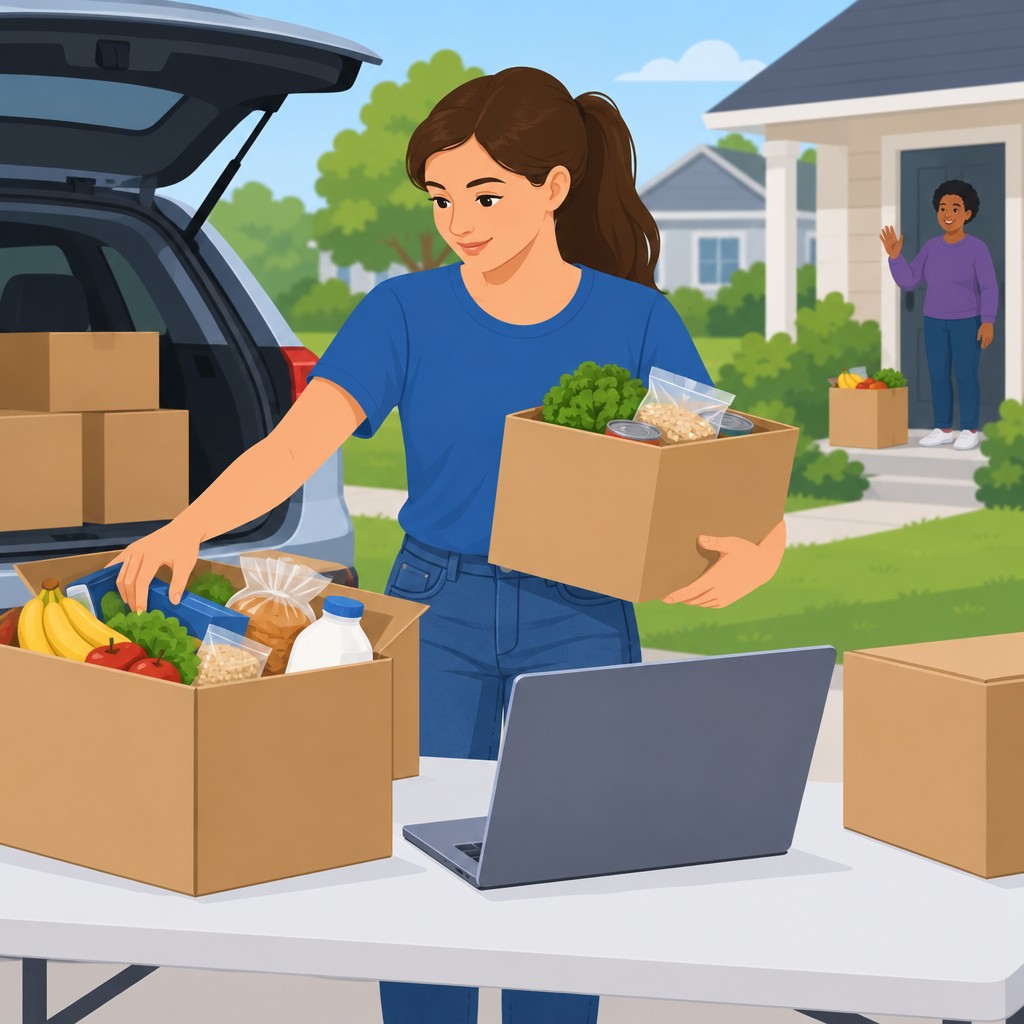
For example, they can deliver groceries to elderly or immunocompromised people.
This support provides essentials and helps businesses reach customers through new channels.
Additionally, volunteers can assist restaurants with meal preparation.
Many restaurants have adapted their operations during the pandemic.
Volunteers can help prepare and package meals for community members.
This arrangement benefits both participating businesses and the people they serve.
Local businesses can also host virtual workshops or activities.
For instance, a bookstore could organize a virtual book club.
Volunteers could facilitate discussions and encourage community participation.
Such activities offer safe engagement while helping businesses connect with customers.
Furthermore, organizations should share partnership results through storytelling and social media.
Real-life stories can show how volunteers and businesses support their communities.
These stories can motivate others to participate and recognize partnership value.
Local partnerships can expand volunteer opportunities during COVID-19.
Through shared services, nonprofits can support communities while helping businesses respond to changing needs.
Delve into the Subject: Best Practices for Engaging with At-Risk Youth
Transform Your Career Today
Unlock a personalized career strategy that drives real results. Get tailored advice and a roadmap designed just for you.
Start NowCreating volunteer opportunities during COVID-19 presents challenges, but organizations still need support.
Fundraising initiatives offer one way to help organizations in need.
Fundraising Initiatives
- Organize virtual fundraising events to support organizations in need.
- Use social media platforms to promote fundraising campaigns and engage donors.
- Highlight donation impacts and encourage ongoing community support.
Many organizations struggle to meet their financial needs during these challenging times.
Therefore, volunteers can organize virtual fundraising events to raise essential funds.
These events may include virtual auctions, online concerts, or virtual fun runs.
Online platforms help volunteers reach larger audiences and engage more donors.
Additionally, these platforms allow people to participate without attending traditional fundraising events.
Social media platforms such as Facebook, Instagram, and Twitter can promote fundraising campaigns effectively.
Volunteers can create engaging posts, share impactful stories, and encourage their networks to donate.
Furthermore, volunteers can highlight the tangible difference that donations make.
Showing donation impacts can inspire ongoing support from community members.
Fundraising initiatives support organizations while creating meaningful volunteer opportunities.
Find Out More: The Importance of School Social Workers in Bullying Prevention
Volunteer Safety Protocols
Organizations must protect volunteers during every in-person activity.
Therefore, comprehensive safety protocols should define clear procedures that reduce potential exposure to COVID-19.
These measures help volunteers work confidently while supporting the communities they serve.
- Provide face masks, gloves, and face shields during volunteer activities.
- Install hand sanitizing stations at every volunteer site.
- Enforce safe distances between volunteers and community members.
Volunteers should wear provided protective equipment throughout their activities.
Additionally, volunteers should sanitize their hands regularly to help prevent germ and virus transmission.
Social distancing reduces transmission risks during interactions with colleagues and community members.
Clear communication ensures volunteers understand the health and safety measures they must follow.
Organizations should provide regular updates and reminders about these requirements.
Furthermore, training sessions can demonstrate proper handwashing and protective equipment use.
Training can also help volunteers recognize COVID-19 symptoms and protect others.
By prioritizing safety, organizations can maintain secure environments for valuable volunteer work.
Recognition and Appreciation
Recognizing volunteer dedication helps organizations create welcoming and supportive environments.
Moreover, appreciation can strengthen morale during challenging times.
Public gratitude can also encourage others to support community efforts.
- Acknowledge volunteer efforts through public recognition and gratitude.
- Host virtual appreciation events to celebrate volunteer contributions.
- Share volunteer impact stories to inspire additional involvement.
Organizations can recognize volunteers through social media posts, newsletters, and virtual event acknowledgments.
These public messages show appreciation for volunteer contributions.
Additionally, recognition can motivate current volunteers to continue serving.
It can also attract people who feel inspired by visible community impact.
Virtual appreciation events provide another meaningful way to celebrate volunteers.
For example, organizations can host virtual parties, awards ceremonies, or thank-you presentations.
Such events help volunteers feel valued and appreciated.
Finally, impact stories can demonstrate how volunteers support their communities.
These stories highlight the importance of volunteering and encourage shared action.
Community Impact Through Volunteerism
Creating volunteer opportunities during COVID-19 remains crucial.
We encourage you to find ways to contribute to your community.
Your help can make a meaningful difference in people’s lives.
Moreover, volunteerism supports and strengthens communities during challenging times.
Transform Your Career Today
Unlock a personalized career strategy that drives real results. Get tailored advice and a roadmap designed just for you.
Start NowTogether, we can overcome challenges and build stronger communities.
Additional Resources
Google search results for Creating Volunteer Opportunities During COVID-19 Social and Human Services
Bing search results for Creating Volunteer Opportunities During COVID-19 Social and Human Services


