




Interviewing for Disability Services Coordination
Disability Services Coordinators facilitate services and support for individuals with disabilities.
Effective interviewing helps aspiring coordinators assess needs and provide appropriate assistance.
Strong interviews also help coordinators establish themselves as competent and compassionate professionals.
Core Practices for Successful Interviews
- Familiarize yourself with common disabilities and available services before interviews.
- Practice active listening to understand each individual’s unique challenges and needs.
- Use clear, compassionate communication when conveying information and instructions.
- Show empathy and respect to create a comfortable, trusting interview environment.
- Learn relevant disability service laws and regulations to support compliance and advocacy.
Questions for Disability Services Coordinator Candidates
- How do you create personalized service plans for individuals with different disabilities?
- Can you describe a time when you successfully advocated for a client with a disability?
- How do you stay updated on developments and best practices in disability services?
- Can you describe a challenging situation involving individuals with disabilities and explain how you handled it?
- What motivates your career in disability services, and how do you maintain your passion for helping others?
Professional Impact of Strong Interviewing Skills
Effective interviewing skills help Disability Services Coordinators excel in their roles.
Preparation, practice, empathy, and respect support positive interviews.
These qualities help coordinators make a positive impact on individuals with disabilities.
Research the Organization
When preparing for a Disability Services Coordinator interview, research the organization thoroughly beforehand.
Understanding the organization’s mission and values helps you tailor responses to align with its goals.
Knowing its disability services demonstrates genuine interest and commitment to supporting individuals and organizational objectives.
- Understand the organization’s mission and values.
- Familiarize yourself with services offered to individuals with disabilities.
Organization Research Methods
- Visit the organization’s website and read about its history, values, and mission statement.
- Look for recent news or press releases related to the organization’s disability services work.
- Explore the specific programs and services provided to individuals with disabilities.
Following these steps shows the hiring panel that you understand the organization’s commitment to serving individuals with disabilities.
This preparation demonstrates your dedication to the Disability Services Coordinator role.
It can also distinguish you from other candidates.
Reviewing the Disability Services Coordinator Job Description
The job description explains what the employer expects from a Disability Services Coordinator.
It identifies required qualifications, important skills, and responsibilities for the position.
Reviewing these details helps you connect your experience with the employer’s expectations.
- Analyze the specific qualifications and skills required for the position.
- Tailor interview responses to highlight how your experience aligns with the job requirements.
Understanding the Required Qualifications
The qualifications section outlines the minimum requirements for consideration.
These requirements may include education, certifications, and relevant professional experience.
Compare your background with these criteria before discussing your qualifications during the interview.
- Identify the required education level and professional certifications.
- Review the relevant experience requested for the position.
- Highlight experience and skills that demonstrate your strong fit.
- Prepare to explain how your background matches the listed qualifications.
Focusing on Essential Skills
The job description also identifies competencies that support success in the role.
These competencies may include communication, organization, problem-solving, and software knowledge.
Specific examples can show how you applied these abilities in previous positions.
- Identify the key skills and competencies required for success.
- Explain how your skills align with the stated job requirements.
- Describe concrete examples of using these skills in past roles.
- Mention familiarity with any required software or workplace tools.
Preparing Tailored Interview Responses
Tailored responses demonstrate that you understand the position’s specific expectations.
Use relevant experiences to show how you can meet the stated requirements.
Emphasize qualifications that distinguish your background from other candidates.
- Customize answers around the qualifications and skills in the job description.
- Provide specific examples that demonstrate your ability to meet requirements.
- Connect your previous responsibilities with the position’s stated needs.
- Highlight unique qualifications that strengthen your candidacy.
Uncover the Details: Role of Substance Abuse Counselors in Rehab Centers
Preparing for a Disability Services Coordinator Interview
Prepare responses about your experience supporting individuals with disabilities.
Discuss your approach to advocacy and accommodations for people with diverse needs.
Show how your communication, problem-solving, and teamwork skills support effective assistance.
- Practice responses that demonstrate your knowledge, experience, and commitment to advocacy.
- Prepare examples involving individuals with disabilities and diverse support needs.
Advocacy and Accommodation Practices
Explain how you advocate for individuals with disabilities.
Share examples of successful advocacy from your previous experience.
Describe how you provide accommodations that address individual needs.
Clear and Compassionate Communication
Emphasize your ability to communicate clearly, compassionately, and respectfully.
Disability services coordinators communicate with individuals, families, and other professionals.
Demonstrate that you can adapt your communication to different needs and situations.
Problem-Solving and Adaptability
Highlight your ability to address challenges affecting individuals with disabilities.
Share examples of creative solutions that meet individual needs.
Show that you think critically and adapt when circumstances change.
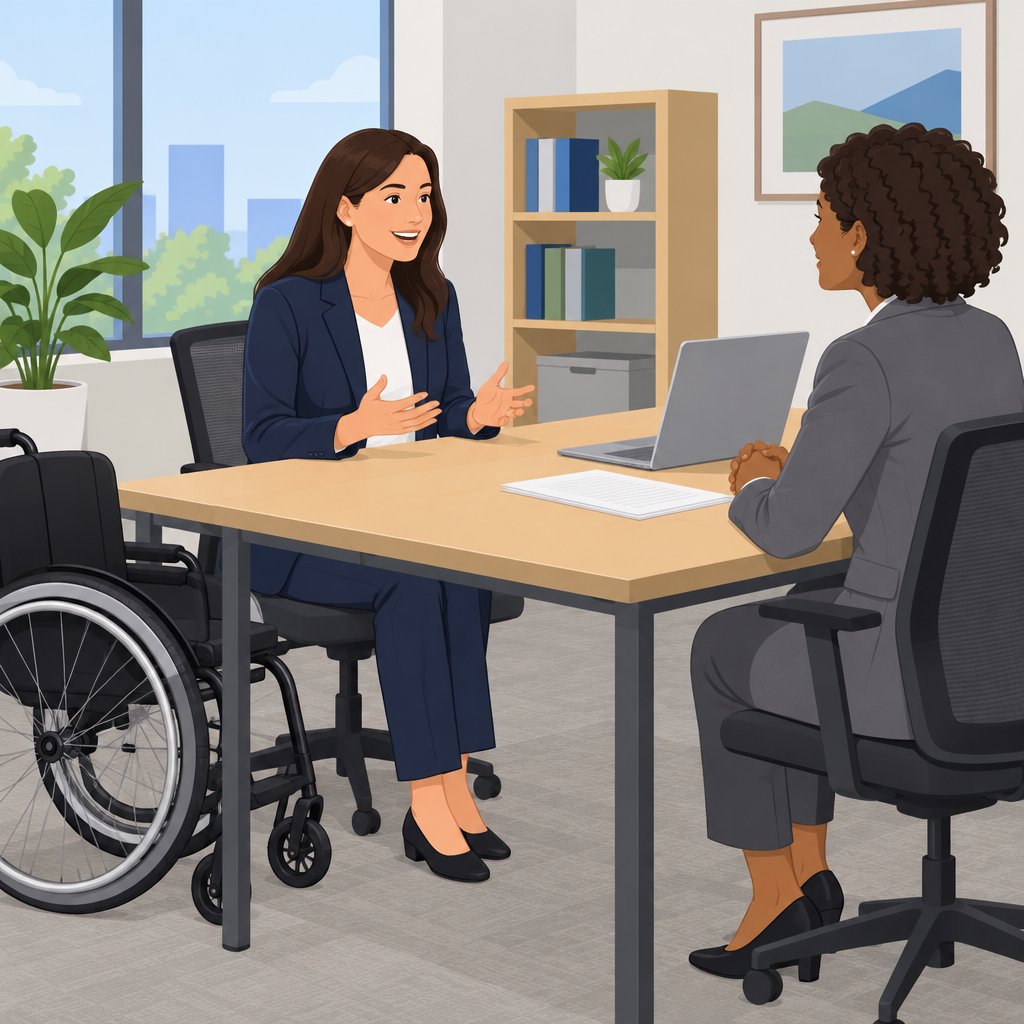
Collaboration and Teamwork
Describe how you collaborate with professionals to provide comprehensive support.
Highlight previous experience working effectively within a team.
Demonstrate your willingness to contribute to a team-oriented environment.
Transform Your Career Today
Unlock a personalized career strategy that drives real results. Get tailored advice and a roadmap designed just for you.
Start NowThoughtful Questions for the Interview
Ask thoughtful questions about the organization, position, and population served.
Your questions can demonstrate genuine interest in the opportunity.
They can also show your desire to understand how you can contribute.
Uncover the Details: Best Practices for Engaging with At-Risk Youth
Communication Skills for Disability Services Coordination
Communication skills help disability services coordinators interact effectively with people who have varying abilities.
These skills also support respectful, clear, and responsive service coordination.
During an interview, demonstrate how communication improves client experiences and professional relationships.
- Communicate effectively with individuals who have varying abilities.
- Show how you collaborate successfully with other professionals in the field.
Prepare examples of communicating successfully with individuals with disabilities.
Use clear language, active listening, and communication methods suited to each person’s needs.
Describe situations where your communication skills improved a client’s experience.
Additionally, coordinators collaborate with social workers, therapists, and educators.
Highlight experience working within teams to support positive client outcomes.
Discuss projects where communication and collaboration helped achieve defined goals.
Examples may include coordinating services for a client with a complex disability.
They may also include organizing a community event or developing a disability support program.
These examples can demonstrate your readiness for disability services coordination.
Delve into the Subject: The Importance of School Social Workers in Bullying Prevention
Empathy and Understanding in Disability Services
Compassion helps me recognize the challenges individuals with disabilities may face.
I respond patiently and respectfully when clients describe difficult experiences.
Active listening helps me understand each client’s unique needs and concerns.
- I give clients time to express themselves without interruption.
- I ask thoughtful questions to clarify their goals and challenges.
- I acknowledge emotions and respond without judgment.
- I consider each client’s abilities, preferences, and support needs.
Supportive and Empowering Client Environments
I prioritize safe, inclusive spaces where clients feel respected and valued.
Clear, respectful communication helps clients participate confidently in decisions.
I collaborate with clients to develop personalized support plans.
- I protect client dignity during every interaction.
- I avoid assumptions and respect individual choices.
- I adjust communication approaches to support understanding.
- I advocate for clients’ rights, needs, and access to support.
- I encourage independence through informed choices and practical support.
- I help clients strengthen self-advocacy skills and confidence.
Empathy and understanding help clients navigate challenges with greater confidence.
Supportive coordination can help individuals pursue their goals and reach their potential.
Compassionate advocacy can make a meaningful difference in clients’ lives.
See Related Content: Integrating Technology in Domestic Violence Counseling
Problem-Solving Skills in Disability Services
Problem-solving skills support effective service delivery for individuals with disabilities.
Employers seek evidence that candidates can navigate complex challenges successfully.
They also value creative solutions that help individuals receive needed support.
- Share examples of successfully resolving complex challenges in disability services.
- Explain critical and creative thinking when developing accommodation plans.
Specific Examples of Complex Problem Solving
Provide specific examples from your experience in disability services.
Describe situations that required critical thinking and creative responses.
Explain how your solutions addressed each individual’s unique needs.
- Describe complex challenges that you successfully resolved.
- Show how your accommodation plans reflected individual needs.
Critical and Creative Thinking Approaches
Explain how you analyze situations from multiple perspectives.
Identify solutions that respond effectively to individual circumstances.
Describe how you adapt plans when circumstances change.
- Consider different perspectives before selecting an approach.
- Explore new ideas when obstacles affect service delivery.
- Adjust accommodation plans as individual needs change.
Results and Follow-Through
Highlight the positive impact of your problem-solving efforts.
Quantify results when the available information allows you to do so.
Explain how you monitored outcomes and adjusted solutions when necessary.
- Connect your solutions to improved support for individuals with disabilities.
- Describe implementation steps that supported effective accommodations.
- Show how follow-through helped maintain appropriate services.
Strong problem-solving skills help Disability Services Coordinators create meaningful, tailored solutions.
Transform Your Career Today
Unlock a personalized career strategy that drives real results. Get tailored advice and a roadmap designed just for you.
Start NowConcrete examples can demonstrate your ability to navigate challenges effectively.
Clear results can show how your solutions support individuals with disabilities.
Key Qualities for Disability Services Coordinators
Aspiring Disability Services Coordinators should remember several key points during job interviews.
It is crucial to highlight your knowledge of disability services and regulations.
Also, showcase your passion for advocacy and commitment to serving individuals with disabilities.
Employers want to see your genuine interest in improving the lives of people with disabilities.
Additionally, demonstrate your ability to collaborate with diverse stakeholders and communicate effectively.
Highlight relevant experience and skills that demonstrate your readiness for the role.
Approach the interview with confidence, professionalism, and a genuine desire to make a difference.
Emphasizing your dedication to supporting individuals with disabilities can help you stand out as a strong candidate.


