




Crisis intervention plays a vital role in residential settings.
It addresses urgent situations effectively.
Residential counselors serve as key figures in crisis intervention.
They provide support, guidance, and assistance.
During crises, individuals in residential facilities may experience heightened stress, anxiety, and emotional turmoil.
Crisis Intervention During Immediate Distress
Crisis intervention offers short-term, focused, and goal-oriented support during difficult situations.
It helps individuals manage immediate challenges and address urgent emotional needs.
Moreover, this approach guides people toward safer and more effective responses.
Purpose of Crisis Intervention
Practitioners first seek to stabilize individuals and protect their immediate safety.
They also help people regain control, reduce distress, and resume healthy functioning.
Additionally, intervention can prevent a crisis from becoming more severe.
Core Practices in Crisis Intervention
Effective intervention begins by assessing safety, immediate needs, and available support.
Empathetic communication provides reassurance while practitioners explore practical ways forward.
Finally, a clear action plan connects individuals with useful resources and support systems.
Residential Counselor Support
Residential counselors assist people as they work through challenging situations.
They assess needs, offer guidance, and help individuals develop coping strategies.
Through this process, counselors create supportive settings that encourage resilience and adaptive functioning.
Duties and Responsibilities of Residential Counselors
- Residential counselors provide immediate assistance during crisis situations.
- They assess crisis severity and prioritize appropriate interventions.
- These professionals protect residents’ safety and well-being during crises.
- They implement effective crisis intervention strategies and techniques.
Residential counselors maintain a calm and supportive approach during crisis situations.
They create a safe, non-judgmental environment for residents.
This environment encourages residents to express emotions and concerns comfortably.
Clear communication and active listening support effective crisis intervention.
Counselors listen carefully, validate residents’ feelings, and provide reassurance.
Additionally, empathetic communication can de-escalate crises and support problem-solving.
Learn More: The History and Evolution of Adoption Counseling
Types of Crisis Situations
- Personal Crisis: Residential counselors may encounter individuals dealing with personal loss, trauma, or sudden life changes.
- Family Crisis: Counselors may need to intervene in situations involving family conflicts, domestic violence, or abuse.
- Health Crisis: This situation may involve mental health issues, substance abuse, or physical health emergencies.
- Environmental Crisis: Natural disasters, accidents, or community crises can affect individuals in residential settings.
- Financial Crisis: Individuals facing financial difficulties or homelessness may seek support from residential counselors.
Residential counselors may encounter several crisis situations in residential settings.
For example, these situations may involve immediate safety concerns, conflicts, or severe emotional distress.
- Suicidal Ideation: When an individual expresses thoughts of self-harm or suicide, immediate intervention becomes crucial.
- Conflict Resolution: Counselors may mediate disputes between residents, family members, or staff to prevent escalation.
- Emotional Distress: Counselors provide support and coping strategies for individuals experiencing overwhelming emotions.
- Substance Abuse Crisis: Counselors address substance abuse issues or overdose situations within residential settings.
- Psychiatric Crisis: Counselors manage emergencies involving psychosis, severe anxiety, or hallucinations.
Therefore, residential counselors must respond with empathy, professionalism, and effective intervention strategies.
Find Out More: Impact of Housing Coordinators on Local Communities
Crisis Assessment and Intervention Strategies
Assessing a crisis involves evaluating the individual’s immediate needs and level of distress.
First, identifying the presenting problem helps determine the appropriate response.
Additionally, assessing safety protects the individual from immediate harm.
- Establishing rapport and trust encourages clear communication during the assessment.
- Identifying the presenting problem guides the selection of appropriate interventions.
- Assessing safety ensures immediate protection for the individual.
Importance of Conducting a Thorough Assessment
A thorough assessment clarifies the crisis’s root cause and the individual’s emotional state.
Furthermore, reviewing personal history and triggers supports a more individualized intervention plan.
Examining coping methods and support systems helps counselors connect individuals with suitable resources.
- Gathering information about history and triggers supports personalized intervention planning.
- Assessing coping mechanisms and support systems helps counselors provide appropriate resources.
- Identifying mental health concerns or substance abuse supports tailored interventions.
Effective Intervention Strategies
Appropriate intervention strategies help counselors manage and resolve crisis situations.
During a crisis, de-escalation techniques can reduce emotional intensity and encourage cooperation.
Meanwhile, safety planning promotes well-being and helps prevent future crises.
- De-escalation techniques calm individuals and diffuse crisis intensity.
- Safety plans support individual well-being and help prevent future crises.
- Referrals connect individuals with mental health professionals or support groups.
Residential counselors can combine careful assessment with strategic planning to address individual needs effectively.
These interventions support individuals in crisis and encourage progress toward stability and recovery.
Gain More Insights: Challenges Faced by Child Welfare Specialists
Transform Your Career Today
Unlock a personalized career strategy that drives real results. Get tailored advice and a roadmap designed just for you.
Start Now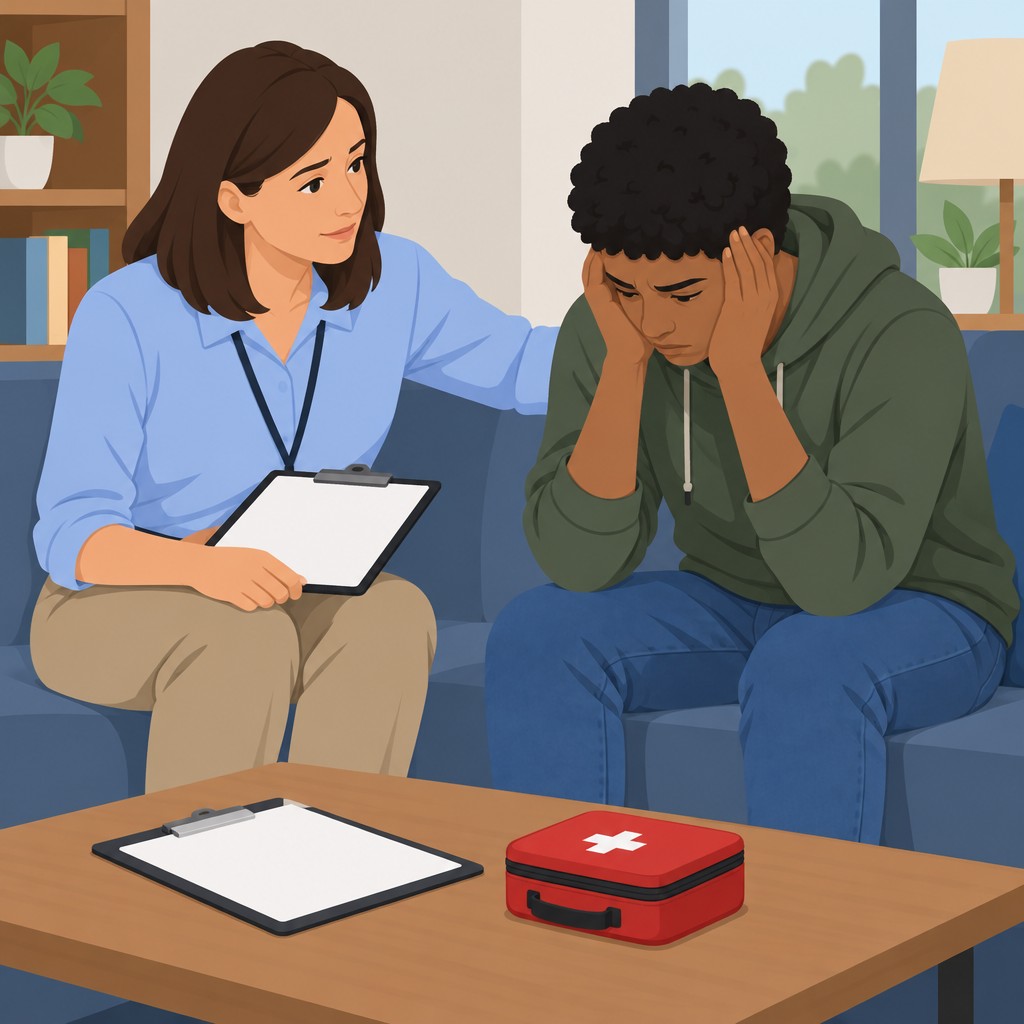
Importance of a Collaborative Crisis Intervention Plan
A crisis intervention plan gives helpers a structured way to address an individual’s immediate needs.
Including the individual encourages active participation in the recovery process.
Collaboration with family members, healthcare professionals, and community resources supports coordinated assistance.
Core Elements of a Crisis Intervention Plan
A comprehensive plan identifies desired outcomes and practical responses.
It also defines continuing support after the initial crisis.
Clear roles and contact details help coordinate the response.
- Goals: Define the outcomes the individual hopes to achieve through crisis intervention.
- Strategies: Identify immediate actions and long-term support measures that address the crisis.
- Follow-Up Support: Establish ongoing support and monitoring after the initial intervention.
- Crisis Response Team: Identify responsible individuals or agencies and clarify their roles.
- Emergency Contact Information: List crisis hotlines, mental health professionals, and support groups.
- Self-Care Strategies: Recommend activities that help the individual manage stress and support well-being.
- Referral Resources: Provide information about services available for continued support and treatment.
Learn More: Effective Communication in Child Welfare Services
Self-care for Residential Counselors
Residential counseling requires sustained attention during crisis intervention support.
Therefore, counselors must protect their own well-being while helping others.
Without regular self-care, burnout can reduce the effectiveness of their work.
Importance of Self-care
Self-care helps prevent burnout and compassion fatigue.
It also supports mental and physical health.
Additionally, self-care strengthens resilience and improves the quality of support.
- Self-care prevents burnout and compassion fatigue.
- It improves overall mental and physical health.
- It enhances the ability to provide quality support.
- It increases resilience during challenging situations.
Strategies for Maintaining Well-being
Counselors can use several strategies to maintain their well-being.
For example, clear boundaries and regular support can protect personal energy.
Meanwhile, healthy routines and meaningful activities can help counselors recharge.
- Set boundaries and prioritize your well-being.
- Seek supervision and support from colleagues or supervisors.
- Practice stress-reduction techniques, such as meditation, yoga, or exercise.
- Take breaks to relax and recharge.
- Engage in hobbies that bring joy and fulfillment outside work.
- Stay connected with friends and family for emotional support.
- Prioritize nutrition, exercise, and adequate sleep.
- Attend professional trainings or workshops to strengthen your skills and knowledge.
Self-care is a necessity in the demanding field of crisis intervention.
By caring for yourself, you can continue providing effective and compassionate support.
Training and Professional Development
Residential counselors play a critical role in crisis intervention.
Ongoing training helps counselors strengthen their skills and improve their effectiveness.
Professional development prepares counselors to support people facing diverse and complex situations.
Significance of Ongoing Training
- Continuous training keeps counselors current on crisis intervention strategies and techniques.
- It helps counselors develop new skills and improve existing abilities.
- As a result, counselors can respond more effectively to diverse and complex situations.
Professional Development Opportunities
- Professional development gives counselors insight into current research and evidence-based practices.
- It expands their knowledge of mental health issues and crisis management approaches.
- These activities can improve counselors’ job satisfaction and professional performance.
Importance of Best Practices
- Best practices help counselors follow established crisis intervention guidelines and protocols.
- They support informed decisions and maintain a high standard of care.
- They also guide communication, de-escalation, and risk assessment strategies.
Ethical Considerations
- Ethical principles help counselors protect integrity and client confidentiality.
- Guidelines for boundaries, dual relationships, and informed consent protect client well-being.
- Ethical conduct builds trust and keeps counselors focused on clients’ best interests.
Cultural Competency
- Cultural competence helps counselors recognize and respect diverse backgrounds and experiences.
- Understanding cultural beliefs and practices supports culturally appropriate crisis assistance.
- Cultural competency strengthens communication and trust with clients from varied backgrounds.
These areas help counselors improve their crisis intervention skills over time.
They also support consistent, ethical, and culturally responsive care.
By prioritizing these practices, counselors can provide quality support during crises.
Lasting Benefits of Residential Crisis Support
Residential counselors remain essential because they provide support and guidance during difficult moments.
They assess situations, build rapport, and apply practical strategies that help individuals manage crises.
Strong communication, empathy, and professionalism help counselors respond to crisis situations with care.
Additionally, a calm and reassuring presence creates safety for individuals expressing emotions and seeking assistance.
Effective intervention can prevent crises from escalating, reduce emotional distress, and support overall well-being.
With timely guidance, individuals can manage stressors, develop coping strategies, and strengthen resilience.
Residential counselors also offer comfort, reassurance, and practical solutions during challenging experiences.
Consequently, their work supports mental health, well-being, and recovery within residential settings.


