




Role of Life Skills Instructors
Life skills instructors play a crucial role in promoting healthy relationships among individuals.
These instructors provide essential guidance and support in fostering positive interactions and communication between people.
Healthy relationships are vital for a person’s overall well-being.
They contribute to emotional, mental, and even physical health.
Additionally, healthy relationships feature trust, respect, empathy, and effective communication.
Communication Skills for Clearer Interactions
Effective communication supports clear expression and attentive listening in personal, professional, and social settings.
Instructors teach people to communicate their thoughts clearly and assertively.
They also develop active listening and empathetic responses during conversations.
Conflict Resolution Through Constructive Dialogue
Conflict naturally occurs when people hold different needs, opinions, or expectations.
Life skills instructors introduce peaceful strategies for managing disagreements.
These strategies include active listening, compromise, and negotiation.
Emotional Intelligence and Self-Awareness
Emotional intelligence helps people recognize, understand, and manage emotions effectively.
Instructors guide learners toward greater self-awareness and emotional regulation.
Additionally, they encourage empathy when individuals respond to other people’s feelings.
Practical Skills for Balanced Living
Life skills instruction also addresses stress management, time management, and problem-solving.
Decision-making practice helps individuals approach challenges with greater confidence.
Together, these abilities support personal growth and a more balanced life.
Healthy relationships support social well-being while strengthening mental, emotional, and physical health.
Mental Well-Being Through Supportive Connections
Supportive relationships reduce loneliness, anxiety, and depression by providing consistent emotional support.
When trusted people listen, individuals can express concerns and manage stress more effectively.
Additionally, these connections can strengthen self-esteem and confidence during difficult experiences.
They also foster belonging and purpose, helping people feel valued and appreciated.
Emotional Security and Resilience
Healthy relationships encourage feelings of love, care, and security.
They create safe spaces where people can express themselves without fearing judgment or rejection.
Moreover, emotional support strengthens resilience and helps people manage life’s challenges.
These relationships also create opportunities for joy, happiness, and personal fulfillment.
By contrast, unhealthy relationships can cause insecurity, inadequacy, and emotional distress.
Physical Health Benefits of Healthy Relationships
Healthy relationships can reduce stress and support stronger physical health.
Research shows that supportive relationships often accompany lower blood pressure and healthier immune systems.
They may also support cardiovascular health by buffering the body’s response to stress.
Furthermore, partners and friends can encourage exercise, healthy meals, and other beneficial activities.
These shared habits can improve physical fitness, energy levels, and vitality.
Life Satisfaction and Personal Growth
Healthy relationships influence satisfaction and success across personal and professional areas.
People with strong support networks often experience greater happiness, fulfillment, and connection.
These connections can provide social support, networking opportunities, and resources for personal development.
They can also strengthen confidence, motivation, and resilience while people pursue their goals.
Consequently, nurturing healthy relationships can help people build more fulfilling and balanced lives.
Gain More Insights: Mental Health Technician's Role in Behavioral Therapy
Communication Skill Development Through Practical Guidance
Life skills instructors help individuals strengthen communication skills.
These skills support healthy relationships.
Transform Your Career Today
Unlock a personalized career strategy that drives real results. Get tailored advice and a roadmap designed just for you.
Start NowThey also help people build and maintain those relationships.
Instructional Support for Clearer Exchanges
Instructors teach active listening techniques that improve understanding.
They guide individuals in expressing thoughts and emotions effectively.
Practice scenarios help individuals prepare for real-life communication situations.
- Active listening techniques enhance understanding.
- Guidance supports effective expression of thoughts and emotions.
- Practice scenarios prepare individuals for real-life communication situations.
- Open and honest dialogue encourages stronger communication.
Strategies for Effective Communication
Instructors encourage open and honest dialogue.
They show how clarification can prevent misunderstandings.
Respectful confidence helps individuals express thoughts and feelings clearly.
- Active listening emphasizes understanding over response.
- Clarifying questions help avoid misunderstandings.
- Nonverbal communication highlights the importance of body language.
- Assertive communication expresses thoughts and feelings confidently and respectfully.
Together, these strategies help individuals communicate effectively and strengthen their relationships.
Learn More: Creating Volunteer Opportunities During COVID-19
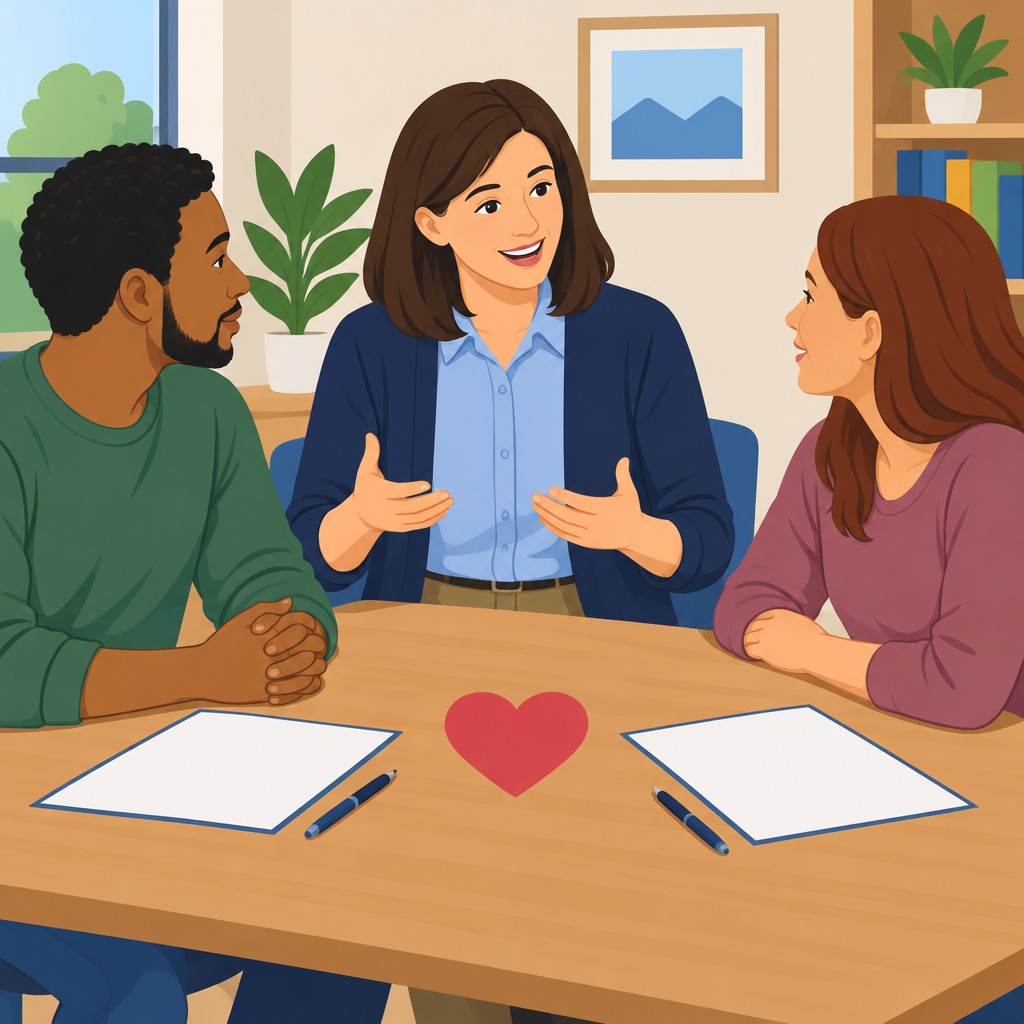
Building Conflict Resolution Skills
Conflict resolution skills help people address disagreements without escalating tension.
These skills support constructive choices when individuals face challenges together.
With guided practice, learners can approach difficult interactions with greater clarity and patience.
Instructor Support During Conflict Resolution Practice
Life skills instructors guide learners through conflict resolution concepts and practical exercises.
They establish safe settings where students can practice responses and examine different choices.
Furthermore, instructors model respectful behavior while encouraging open dialogue and mutual understanding.
- Instructors provide knowledge and tools that help individuals manage conflicts constructively.
- They create supportive spaces where students can practice conflict resolution techniques.
- By modeling healthy behavior, instructors demonstrate practical problem-solving approaches.
- Supportive instruction encourages learners to discuss disagreements openly and respectfully.
Practical Conflict Resolution Techniques
Negotiation helps participants discuss needs and seek agreements that benefit everyone involved.
Active listening directs attention toward another person’s perspective and can reduce escalation.
Similarly, empathy, compromise, and problem-solving help participants understand concerns and find workable solutions.
- Negotiation: Participants discuss differences and work toward mutually beneficial agreements.
- Active listening: Individuals focus on understanding another person’s perspective during disagreements.
- Empathy: Understanding another person’s feelings can build rapport and support peaceful resolution.
- Compromise: Finding middle ground requires participants to make reasonable concessions.
- Problem-solving: Participants examine conflict causes and brainstorm possible solutions.
Practice allows individuals to apply these techniques during challenging interactions.
As learners develop these skills, they can support healthier and more productive relationships.
See Related Content: Interview Tips for Aspiring Disability Services Coordinators
Fostering Emotional Intelligence
Emotional intelligence helps individuals form and sustain healthy relationships.
Life skills instructors guide individuals as they develop emotional awareness and relationship skills.
Self-awareness provides the foundation for understanding emotions and communicating them clearly.
- Self-regulation helps individuals manage emotions and behaviors in different situations.
- It also helps individuals develop coping mechanisms for stress and challenging experiences.
- In addition, instructors teach individuals to recognize and understand their feelings.
- Empathy involves understanding and sharing the emotions of other people.
- These instructors teach individuals to consider other people’s feelings.
- This ability fosters understanding, compassion, and connection within relationships.
- Furthermore, social skills help individuals build strong and fulfilling relationships.
- Instructors guide individuals in developing interpersonal skills and effective communication.
- Effective communication helps people express thoughts, feelings, and needs in relationships.
- Interpersonal skills include active listening, respect, and constructive conflict resolution.
- Finally, instructors provide opportunities to practice and improve social skills.
Learn More: Role of Substance Abuse Counselors in Rehab Centers
Addressing Boundaries and Consent
- Boundaries and consent support respectful, healthy relationships.
- Boundaries define personal limits and help individuals maintain self-respect.
- Respecting boundaries demonstrates care for another person’s well-being.
- People need to recognize, communicate, and respect boundaries during relationships.
- Consent requires partners to respect each other’s wishes and reach mutual agreement.
- Consent should remain freely given, enthusiastic, and specific to each situation.
- Partners should never assume consent during any interaction.
- Consent continues throughout an interaction and may be withdrawn at any time.
- Recognizing consent helps prevent misunderstandings between partners.
- Mutual agreement supports a safer and healthier relationship dynamic.
Setting Boundaries in Healthy Relationships
- Boundaries identify behaviors that each person accepts within a relationship.
- Healthy boundaries encourage respect, honesty, and openness between partners.
- Setting boundaries helps individuals feel empowered within their relationships.
- Clear limits can protect people from mistreatment or exploitation.
- Individuals can communicate boundaries directly and respectfully to their partners.
- Respecting boundaries strengthens trust between partners.
- Boundaries may involve physical, emotional, or mental needs.
- Each person may establish different boundaries.
- Open discussions create space for partners to express their needs.
- People should review and reinforce boundaries as relationships develop.
Respecting Consent in Relationships
- Consent forms a basic part of respectful relationships.
- Partners should seek clear consent before every relevant interaction.
- Individuals must communicate consent rather than allowing others to assume it.
- Body language may indicate comfort or discomfort, but partners should seek clear communication.
- Consent applies to sexual activities and other relationship interactions.
- Active listening helps partners understand each other’s wishes.
- Partners should feel able to express their needs and preferences.
- Respecting consent supports trust and mutual understanding.
- Partners should respond respectfully when someone withdraws consent.
- Ongoing consent requires continued attention to each person’s comfort.
Boundaries and consent help people build relationships based on trust and respect.
Clear limits allow partners to express needs while protecting personal well-being.
Mutual agreement and ongoing respect support meaningful and fulfilling connections.
Support for Relationship Challenges
- Life skills instructors offer guidance to individuals facing relationship challenges.
- They create safe, non-judgmental spaces where individuals can discuss concerns and seek advice.
- Through active listening and empathy, instructors help individuals identify issues affecting their relationships.
- Additionally, instructors provide practical strategies that strengthen interpersonal abilities.
- They work with individuals to create action plans for specific relationship challenges.
- Regular follow-up helps instructors monitor progress and adjust action plans when necessary.
- Furthermore, instructors provide emotional support during difficult relationship experiences.
Practical Resources for Relationship Growth
- Life skills instructors may connect individuals with counseling services for deeper emotional concerns.
- They also provide workshops covering communication, conflict resolution, and emotional intelligence.
- Instructors recommend self-help books and relationship resources that support personal growth.
- Through role-playing exercises, individuals practice communication and problem-solving skills.
- Group discussions allow individuals to share experiences and learn from one another.
- Instructors introduce mindfulness and stress-management techniques that support emotional well-being.
- Finally, they connect individuals with community groups and social networks for additional support.
Applying Relationship Skills in Daily Life
Life skills instructors provide practical tools that help individuals build and maintain healthy relationships.
They guide learners as they apply these tools in personal and professional interactions.
Seeking their support can help individuals develop these abilities with greater confidence.
Moreover, ongoing practice can strengthen relationship-building abilities over time.
As a result, individuals may create more fulfilling and harmonious connections.
Their expertise can also influence the quality of relationships throughout society.


