




Life Skills Instruction for Special Needs Individuals
Life skills instruction teaches essential abilities for daily living.
These abilities include personal hygiene, basic cooking, money management, and social interaction.
Together, these skills support overall development for individuals with special needs.
Moreover, they help individuals become more independent, confident, and capable of managing daily challenges.
A major benefit involves stronger self-care abilities.
For example, individuals learn to dress, groom themselves, and maintain personal hygiene.
In addition, life skills instruction strengthens social abilities.
Learners practice communication, friendship building, and meaningful relationship development.
Consequently, these skills enable more effective interactions with others.
Life skills instruction also increases independence through task practice.
As individuals master new skills, they gain confidence and experience accomplishment.
Furthermore, instruction supports job readiness and vocational development.
Learners practice teamwork, following instructions, and adapting to different environments.
These abilities provide individuals with tools for fulfilling and independent lives.
Increased Independence and Self-Reliance
Life skills instruction helps special needs individuals manage everyday responsibilities.
These abilities support greater independence at home and in the community.
Additionally, practical training encourages self-reliance and informed personal choices.
Daily Living Skills
Instruction in personal hygiene helps individuals maintain their daily care routines.
Cooking lessons build practical skills for preparing meals safely and independently.
Furthermore, cleaning practice helps individuals manage their living spaces.
Money Management
Money management lessons help individuals make informed financial decisions.
Budgeting practice teaches them to plan spending and manage available funds.
As a result, individuals can approach financial responsibilities with greater confidence.
Time Management
Time management instruction helps individuals organize their daily responsibilities.
They learn to prioritize tasks and allocate time efficiently.
Consequently, improved planning can support productivity and consistent task completion.
Improved Social Skills and Communication
Communication skills help individuals express needs, emotions, and ideas clearly.
Social skills also support positive interactions across different settings.
Moreover, these abilities help individuals build and maintain relationships.
Listening and Speaking Skills
Listening practice helps individuals understand information and respond appropriately.
Speaking practice supports clear expression of thoughts and emotions.
Together, these skills create a stronger foundation for effective communication.
Nonverbal Communication
Individuals can learn to recognize body language during social interactions.
They can also interpret facial expressions to understand others’ feelings.
Therefore, nonverbal awareness can improve interpersonal understanding.
Conflict Resolution
Conflict resolution lessons teach individuals to address disagreements constructively.
They learn to communicate concerns without escalating difficult situations.
As a result, peaceful solutions can support healthier relationships.
Stronger Problem-Solving and Decision-Making
Problem-solving instruction helps individuals respond effectively to daily challenges.
Decision-making practice encourages thoughtful choices and greater personal responsibility.
Transform Your Career Today
Unlock a personalized career strategy that drives real results. Get tailored advice and a roadmap designed just for you.
Start NowAdditionally, these skills help individuals evaluate situations more carefully.
Critical Thinking
Critical thinking helps individuals analyze situations before choosing a response.
They learn to evaluate available options and consider relevant information.
This process supports more informed decisions in everyday situations.
Problem-Solving Strategies
Brainstorming helps individuals identify several possible responses to obstacles.
Decision trees organize choices and clarify possible outcomes.
Goal setting gives individuals a practical direction for addressing challenges.
Decision-Making Process
Guided decision-making teaches individuals to compare advantages and disadvantages.
They also learn to consider possible consequences before acting.
Consequently, individuals can make more thoughtful and purposeful choices.
Job Readiness and Vocational Skills
Employment preparation helps special needs individuals develop workplace-related abilities.
These skills can support progress toward suitable career opportunities.
Furthermore, practical training can improve confidence in employment settings.
Job Search Skills
Resume writing lessons help individuals present their abilities clearly.
Interview preparation builds familiarity with common employment discussions.
Networking instruction can help individuals explore available employment opportunities.
Job Training
Job training develops vocational abilities for specific industries or fields.
Individuals can practice tasks related to their chosen career paths.
As a result, focused training can support stronger job performance.
Workplace Etiquette
Workplace etiquette teaches individuals how to behave professionally.
Teamwork lessons encourage cooperation with colleagues and supervisors.
Therefore, professional behavior can contribute to a positive work environment.
Meaningful Participation in Daily Life
Life skills instruction combines practical, social, and vocational development.
These abilities help individuals manage responsibilities and respond to challenges.
Ultimately, stronger life skills can support more fulfilling and meaningful lives.
Fosters Accomplishment and Self-Worth
Practical achievements can give special needs individuals a strong sense of accomplishment.
That experience can strengthen pride in their abilities.
Consequently, individuals may develop a more positive self-image.
Builds Confidence and Self-Esteem
Learning daily tasks can increase confidence and self-esteem.
Successful practice helps individuals approach responsibilities with greater assurance.
Furthermore, these feelings can support more active participation in everyday life.
Supports Adaptation to Daily Challenges
Life skills instruction provides tools for handling different situations.
Individuals can use these tools when they encounter obstacles.
As a result, practical instruction can strengthen resilience and flexibility.
Encourages Purpose and Productivity
Meaningful activities can give special needs individuals a greater sense of purpose.
Practical learning also encourages productive engagement in daily life.
Therefore, life skills instruction can support a more fulfilling and rewarding experience.
Delve into the Subject: Health Education Techniques for Community Health Workers
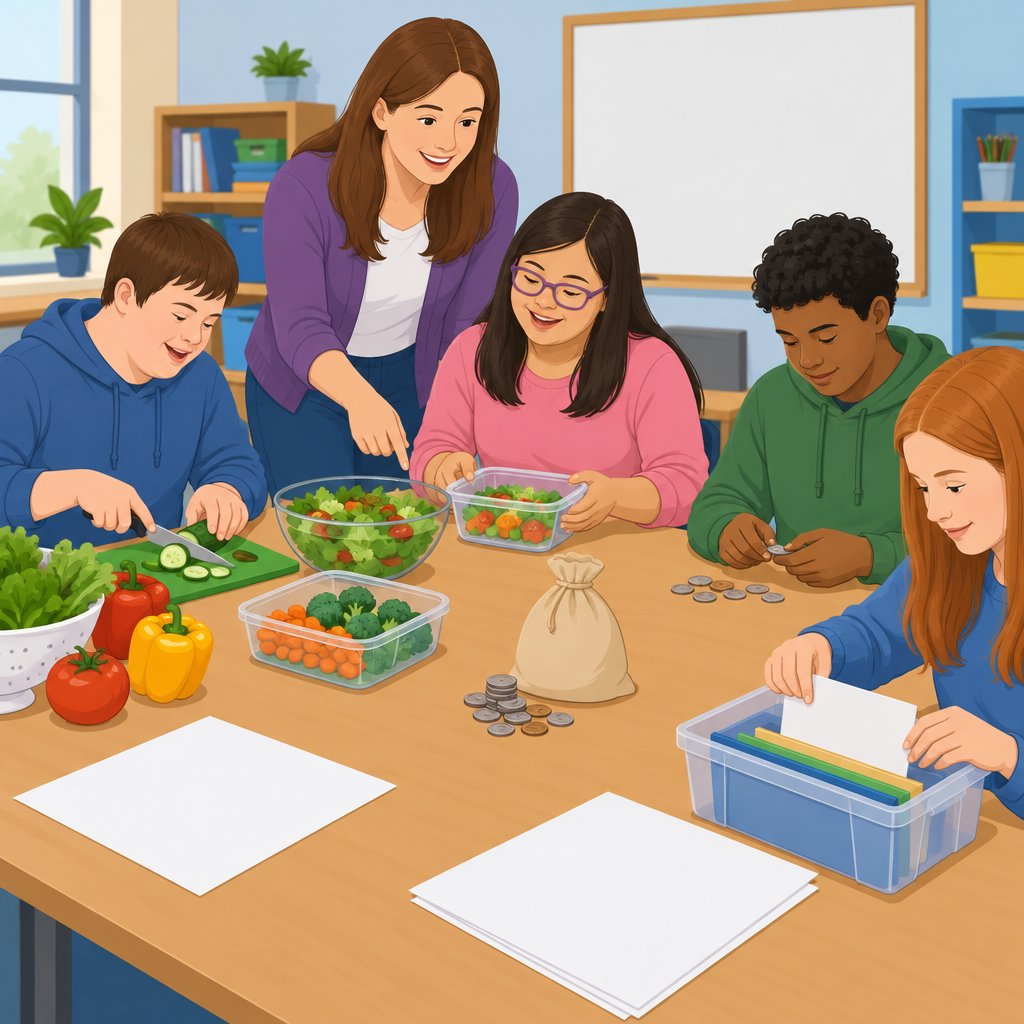
Individualized Instruction for Special Needs Students
Individualized instruction addresses each special needs student’s distinct abilities and challenges.
Assessments help educators identify areas requiring additional support and improvement.
Transform Your Career Today
Unlock a personalized career strategy that drives real results. Get tailored advice and a roadmap designed just for you.
Start NowFurthermore, personalized goals can guide instruction toward meaningful educational outcomes.
Understanding Student Strengths and Weaknesses
Educators should assess the student’s current abilities before planning instruction.
These assessments can reveal strengths that support future learning.
They can also identify weaknesses requiring focused support and improvement.
Developing Personalized Learning Goals
Personalized goals should reflect the student’s abilities and learning needs.
Specific goals give educators clear targets for instruction and progress monitoring.
Moreover, achievable goals can help students experience steady academic progress.
Adapting Teaching Strategies to Individual Needs
Educators can adjust teaching methods according to each student’s learning needs.
Flexible strategies can address different learning styles and instructional challenges.
As needs change, educators can modify activities, explanations, and support.
Collaboration Among Families, Caregivers, and Educators
Effective life skills instruction depends on communication among everyone supporting the student.
Parents, caregivers, and educators can coordinate instruction across learning environments.
Regular collaboration helps maintain consistent expectations and support.
Creating a Cohesive Support System
Parents, caregivers, and educators can create a coordinated support system.
They can reinforce the same skills at home and school.
This consistency helps students receive familiar guidance across daily settings.
Sharing Progress and Feedback Regularly
Regular communication allows stakeholders to monitor the student’s progress.
They can discuss concerns before those concerns interfere with instruction.
Additionally, shared feedback allows everyone to recognize the student’s achievements.
Seeking Input from All Supporters
Parents, caregivers, and educators each provide valuable perspectives.
Their observations can clarify the student’s needs across different environments.
By considering every perspective, the support team can plan more effectively.
Teaching Methods Tailored to Individual Needs
Educators can combine teaching methods to address varied abilities and preferences.
Different techniques can improve engagement and support clearer understanding.
Therefore, varied instruction can respond more effectively to individual learning needs.
Visual Aids and Hands-On Activities
Visual aids can make information easier for students to understand.
Hands-on activities give students opportunities to interact with learning materials.
Together, these approaches can increase engagement during instruction.
Multisensory Teaching Approaches
Multisensory activities involve more than one sense during learning.
Using multiple senses can support comprehension for students with sensory processing issues.
Repeated sensory experiences may also support stronger retention of information.
Adaptive Technology and Assistive Devices
Adaptive technology can support students as they engage with instruction.
Assistive devices can address specific needs during learning activities.
These tools can also support independent skill development.
Continuous Support for Skill Development
Students need consistent support to maintain and improve developing life skills.
Regular reinforcement can strengthen the connection between instruction and daily application.
Ongoing opportunities allow students to practice skills in meaningful situations.
Positive Reinforcement and Encouragement
Educators can acknowledge effort and progress during skill development.
Encouragement can increase motivation when students face challenging tasks.
Positive feedback also recognizes the student’s continuing participation.
Transform Your Career Today
Unlock a personalized career strategy that drives real results. Get tailored advice and a roadmap designed just for you.
Start NowEstablishing a Supportive Learning Environment
A safe learning environment can help students participate more comfortably.
Nurturing support can encourage students to attempt unfamiliar activities.
Additionally, a welcoming setting can foster belonging during instruction.
Practice and Real-Life Application
Students need regular opportunities to practice newly learned skills.
Real-life activities allow them to apply instruction beyond structured lessons.
Continued practice can help students use skills across different situations.
Uncover the Details: Family Support Worker Salary and Benefits
Regular Progress Monitoring
Instructors should monitor progress regularly to confirm meaningful growth in life skills development.
By measuring progress, instructors can identify areas that need improvement.
Regular reviews also help instructors tailor instruction to each individual’s specific needs.
Recognition of Achievements and Milestones
Recognizing achievements and milestones can strengthen motivation among individuals with special needs.
In addition, instructors should acknowledge even the smallest successes.
These celebrations can support self-esteem and encourage continued progress.
Ongoing Practice and Skill Refinement
Consistent practice helps individuals with special needs develop mastery of important skills.
Regular practice opportunities allow individuals to strengthen and refine their abilities.
As skills become more secure, individuals can build confidence in their abilities.
Instruction That Adapts to Changing Needs
Individuals with special needs may develop changing goals and needs as they grow.
Therefore, instructors should remain flexible and adapt instruction when necessary.
This approach enables instructors to provide support that matches each individual’s evolving goals.
Discover More: Legal Aspects of Child Welfare Specialist's Role
Long-Term Value of Life Skills Support
Life skills instruction can improve quality of life for special needs individuals.
Moreover, continued support and investment remain essential for sustained development.
These efforts can contribute to long-term well-being.
Therefore, empowering individuals through life skills support offers meaningful value for their future.


