




Rehabilitation Counseling and Social Integration
Rehabilitation counseling and social integration help individuals with disabilities lead fulfilling lives.
As society becomes more inclusive, these practices help bridge social gaps.
They also promote equal opportunities.
Qualifications and Skills for Rehabilitation Counselors
Rehabilitation counselors help people with disabilities manage challenges and pursue meaningful personal goals.
They combine education, communication, empathy, and practical problem-solving skills.
They also coordinate support with other professionals when clients need comprehensive assistance.
- A bachelor’s degree in rehabilitation counseling or a related field typically supports entry into this career.
- Many states require counselor certification, which may involve passing an examination.
- Strong interpersonal skills help counselors communicate effectively with clients.
- Empathy helps counselors build trust and rapport with people facing challenges.
- Problem-solving skills help counselors analyze situations and develop effective client solutions.
- Patience and dedication support consistent work with individuals with disabilities.
- Collaboration skills help counselors work with other professionals and coordinate comprehensive support.
Work Settings for Rehabilitation Counselors
Rehabilitation counselors serve clients across healthcare, education, community, private, and employment-focused environments.
Each setting allows counselors to address different recovery, learning, independence, or work-related needs.
Therefore, their responsibilities can change according to client goals and available services.
- Hospitals employ counselors who help patients recover and adjust after injuries.
- Rehabilitation centers provide comprehensive services for individuals with disabilities.
- Schools employ counselors who help students access resources and achieve academic success.
- Community agencies assist people through nonprofit and government services.
- Private practitioners provide counseling services independently to individual clients.
- Vocational rehabilitation programs help people develop skills and pursue employment.
Professional Contributions of Rehabilitation Counselors
Rehabilitation counseling offers a rewarding career focused on client development and practical support.
Counselors help individuals identify resources, address barriers, and work toward personal objectives.
Their education, patience, empathy, and teamwork strengthen services for people with disabilities.
Role of Rehabilitation Counselors in Social Integration
- Rehabilitation counselors address physical, emotional, and mental barriers to social integration.
- They create individualized treatment plans that reflect each client’s needs, goals, abilities, and preferences.
- They collaborate with psychologists, social workers, and other professionals to strengthen client support.
Rehabilitation counselors help clients build belonging and inclusion within their communities.
Through guidance, support, and resources, they help clients participate more fully in society.
First, counselors address physical, emotional, and mental challenges that can limit community participation.
They may help clients manage psychological effects, develop social skills, or access medical and therapeutic services.
Additionally, counselors tailor each treatment plan to the client’s circumstances, abilities, preferences, and personal goals.
These plans provide customized support that can strengthen social inclusion and independence.
Moreover, counselors work with psychologists, social workers, and other professionals to coordinate comprehensive support.
Each professional contributes distinct expertise and resources to the client’s care.
For example, psychologists may provide mental health support and social workers may assist with community resources.
Meanwhile, counselors can guide clients toward vocational or educational opportunities.
Together, the team addresses multiple dimensions of social integration and client well-being.
Through this coordinated approach, counselors help clients overcome obstacles and participate more actively in their communities.
Their work supports independence, resilience, and meaningful social connection.
Gain More Insights: Mental Health Support for Probation Officers
Rehabilitation counseling uses practical strategies to help clients pursue personal goals and participate in society.
Goal Setting
- Rehabilitation counselors work with clients to establish clear and achievable goals.
- Goal setting provides clients with direction during their rehabilitation journey.
- Clear goals help individuals maintain focus and motivation throughout the process.
Skill Development
- Rehabilitation counselors focus on strengthening clients’ skills and abilities.
- New skills empower individuals to overcome barriers and manage challenges.
- Improved skills increase clients’ confidence and self-efficacy.
Techniques and Strategies
- Cognitive-behavioral therapy addresses negative thoughts and behaviors.
- Job coaching helps clients develop workplace skills and pursue employment.
- Social skills training improves clients’ communication and interpersonal abilities.
- Art therapy and music therapy offer creative outlets for expression and healing.
- Support groups provide community and encouragement during rehabilitation.
These interventions can influence clients’ social participation and overall well-being.
Impact on Social Integration
- Stronger communication skills help clients build more meaningful relationships.
- Employment opportunities support financial independence and personal purpose.
- Community involvement encourages belonging and connection.
- Greater self-esteem helps clients navigate social situations with confidence.
These strategies help clients achieve goals, develop essential skills, and participate more fully in society.
Find Out More: Top Resources for Life Skills Instructors
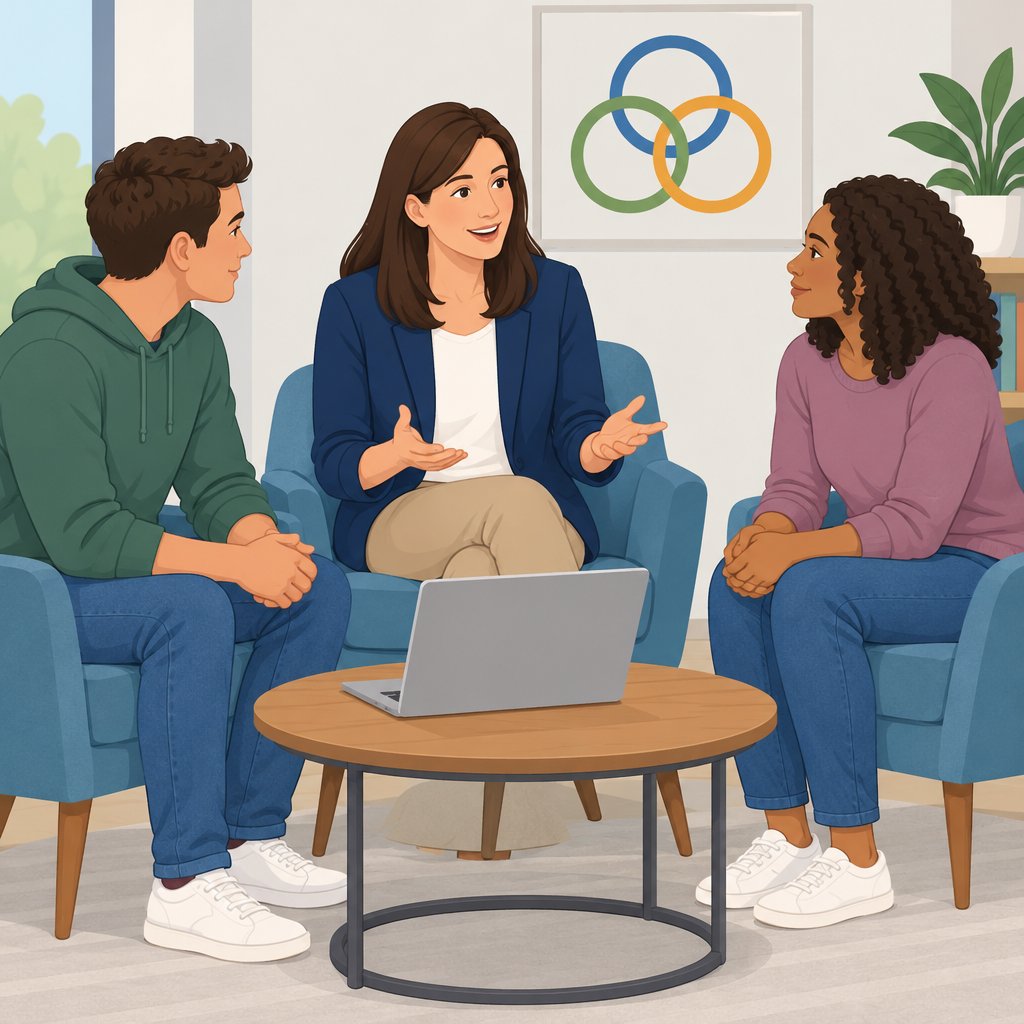
Common Psychosocial Challenges
Individuals with disabilities may experience isolation, loneliness, depression, anxiety, low self-esteem, and limited confidence.
Additionally, social stigma and discrimination can make participation and emotional adjustment more difficult.
Recognizing these concerns helps rehabilitation counselors respond to each client’s psychosocial needs.
- Isolation and loneliness
- Depression and anxiety
- Low self-esteem and lack of confidence
- Social stigma and discrimination
Rehabilitation Counseling Responses
Rehabilitation counselors provide individual and group counseling sessions.
They offer emotional support and guidance while creating a safe space for clients to express feelings.
Furthermore, they teach coping mechanisms and stress management techniques.
- Providing individual and group counseling sessions
- Offering emotional support and guidance
- Teaching coping mechanisms and stress management techniques
- Encouraging social interaction and community involvement
Building Resilience and Coping Skills
Building resilience helps individuals adapt to life changes and daily challenges.
Similarly, coping skills promote mental health and emotional well-being.
These abilities also strengthen problem-solving, decision-making, self-confidence, and self-efficacy.
- Helping individuals adapt to life changes and challenges
- Promoting mental health and emotional well-being
- Enhancing problem-solving abilities and decision-making skills
- Increasing self-confidence and self-efficacy
Counseling Support and Personal Empowerment
Through counseling and support, clients can express emotions and develop healthier coping mechanisms.
Transform Your Career Today
Unlock a personalized career strategy that drives real results. Get tailored advice and a roadmap designed just for you.
Start NowMoreover, counselors help clients build resilience and navigate difficult situations.
As clients manage stress and adapt to change, they can improve their well-being and quality of life.
This approach supports social participation and helps individuals pursue more fulfilling, empowered lives.
See Related Content: The Importance of Empathy in Employment Specialist Roles
Advocacy and Community Involvement
Advocacy and community involvement strengthen support for individuals with disabilities.
These efforts promote inclusion, participation, and opportunities to thrive within communities.
They also connect individuals with resources, services, and supportive networks.
Advocating for Disability Rights
Rehabilitation counselors advocate for accessibility, accommodations, and equal opportunities for individuals with disabilities.
They support policy changes that protect disability rights across various settings.
Additionally, counselors collaborate with organizations and agencies so individuals can express their views.
They also empower clients to practice self-advocacy and self-determination.
Through these efforts, counselors help individuals influence decisions affecting their lives.
Creating Inclusive Communities and Promoting Social Change
Counselors educate communities about disability awareness, acceptance, and inclusion.
They work with businesses and schools to establish inclusive practices and accommodations.
Moreover, counselors collaborate with community leaders to address barriers and improve accessibility.
They promote diversity and inclusion within community programs and services.
Community Involvement and Social Integration
Community involvement fosters belonging, acceptance, and support for individuals with disabilities.
It creates social connections, relationships, and opportunities for meaningful participation.
Furthermore, shared involvement challenges stereotypes and reduces disability-related stigma.
Communities also provide resources, services, and networks that support social integration.
These connections strengthen well-being and help individuals participate more fully in community life.
Explore Further: Supporting Families: Disability Services Coordinators' Role
Case Studies and Success Stories
- One case study describes a young man recovering from a traumatic brain injury.
- After the injury, he faced difficulties with memory, concentration, and social skills.
- Through rehabilitation counseling, he learned coping strategies and regained confidence.
- Eventually, he reintegrated into society and maintained steady employment.
- Another case study follows a woman who struggled with substance abuse.
- Her addiction caused stigma, isolation, and significant personal challenges.
- With counseling support, she addressed the underlying causes of her addiction.
- She developed new coping mechanisms and received support throughout recovery.
- Eventually, she rebuilt relationships and created a stable life.
Transformative Effects of Rehabilitation Counseling
- These case studies demonstrate how rehabilitation counseling can transform difficult recovery experiences.
- Individuals who once felt hopeless discovered practical ways to manage life’s challenges.
- Because recovery takes time, counseling provides consistent guidance and encouragement.
- Counseling promotes self-awareness, resilience, and personal growth.
- It also helps individuals manage stress, set goals, and improve decisions.
- Furthermore, individuals learn to establish healthy relationships and maintain appropriate boundaries.
Barriers to Successful Reintegration
- Reintegration can challenge individuals managing mental health or addiction issues.
- Stigma and discrimination often limit acceptance, participation, and available support.
- Rehabilitation counseling helps individuals address these barriers and develop essential life skills.
- Successful reintegration requires ongoing support and access to useful resources.
- A strong support network helps individuals maintain progress and protect their well-being.
- Many counseling participants share stories that encourage hope and continued recovery.
Lasting Benefits of Rehabilitation Counseling
Rehabilitation counseling helps individuals overcome personal challenges and reconnect with society.
Its support can strengthen well-being, confidence, and quality of life during recovery.
These experiences show how understanding, resilience, and continued support can guide meaningful progress.
Rehabilitation counseling and social integration support individuals with disabilities.
Moreover, these practices promote inclusion within communities.
Supportive services can improve quality of life for people with disabilities.
Readers can learn more about these practices and support inclusive community efforts.
Together, communities can help everyone access the support they need to thrive.
Additional Resources
Google search results for Rehabilitation Counseling and Social Integration Social and Human Services
Bing search results for Rehabilitation Counseling and Social Integration Social and Human Services


