




Introduction
Conservation science protects the delicate balance of ecosystems.
By preserving biodiversity and ecosystem health, conservation efforts support planetary sustainability.
This article explores conservation science’s impact on ecosystems and its influence on environmental futures.
Biodiversity and Ecosystem Health
Biodiversity describes the variety of life within an ecosystem.
It includes plants, animals, fungi, microorganisms, and genetic differences within species.
These relationships support ecosystem balance, resilience, stability, and long-term sustainability.
Conservation Science and Biodiversity Protection
Conservation science supplies knowledge and tools for protecting biodiversity.
Scientists examine species behavior, distribution, population dynamics, and survival threats.
Their findings guide habitat restoration, captive breeding, protected areas, and ongoing monitoring.
Monitoring reveals whether these initiatives work and helps conservationists adjust their strategies.
Gray Wolf Recovery in Yellowstone
Yellowstone National Park reintroduced gray wolves during the mid-1990s.
Hunting during the early twentieth century had reduced the species to near extinction.
Afterward, fewer elk allowed vegetation to recover across affected habitats.
Beavers and birds also gained improved habitat as ecological relationships changed.
Therefore, the project demonstrated how reintroduction can restore ecosystem balance.
Giant Panda Conservation in China
China’s giant panda conservation program combines habitat protection, restoration, captive breeding, and community engagement.
These coordinated efforts have increased the giant panda population in recent years.
The species no longer carries an endangered classification, showing that targeted action can benefit threatened wildlife.
Preservation of Endangered Species
Conservation efforts help preserve endangered species and protect vulnerable populations.
These efforts also support biodiversity and maintain ecological balance.
Conservation science provides practical strategies for protecting species from extinction.
Conservation Strategies and Species Recovery
Conservationists use habitat restoration, captive breeding, and anti-poaching efforts to protect endangered species.
These strategies have prevented extinctions and supported the recovery of vulnerable populations.
Furthermore, scientists have observed positive results after implementing focused conservation measures.
Species Saved Through Conservation Science
Several endangered species have improved their survival prospects through coordinated conservation programs.
These programs combine breeding, habitat protection, reintroduction, and enforcement efforts.
The following examples demonstrate how conservation science can prevent extinction.
- The California Condor nearly became extinct, but intensive conservation efforts helped its population rebound.
- Captive breeding programs and habitat protection played vital roles in saving this iconic species.
- Conservationists successfully reintroduced the Black-footed Ferret into the wild after its population nearly disappeared.
- Protection programs now support the survival of this highly endangered North American mammal.
- Habitat conservation and anti-poaching measures helped increase the Mountain Gorilla population.
- Dedicated conservation science helped protect these animals from the brink of extinction.
Challenges Affecting Endangered Species
Despite this progress, conservationists still face serious challenges when protecting endangered species.
Habitat destruction continues to threaten the survival of many species.
Climate change, poaching, and human-wildlife conflict create additional pressures.
Limited funding and resources can also restrict the implementation of effective conservation strategies.
Consequently, conservation programs may struggle to provide consistent protection for endangered populations.
Governments, organizations, and local communities must collaborate to address these challenges.
Such cooperation can strengthen conservation efforts and support a sustainable future for endangered species.
Delve into the Subject: Day in the Life of an Agricultural Policy Analyst
Ecosystem Services
Ecosystem services connect natural systems with human well-being.
They provide resources, environmental support, and cultural benefits.
Conservation science helps maintain these benefits over time.
Ecosystem Services and Human Well-Being
Ecosystem services refer to the benefits that humans receive from nature.
These services support well-being through clean air, fresh water, and fertile soil.
Transform Your Career Today
Unlock a personalized career strategy that drives real results. Get tailored advice and a roadmap designed just for you.
Start NowThey also provide cultural benefits, including recreation and spiritual enrichment.
Therefore, ecosystem services support human survival and quality of life.
Conservation Science and Ecosystem Services
Conservation science plays a crucial role in preserving ecosystem services.
Scientists study interactions between species and their environments.
This research identifies factors that support the delivery of ecosystem services.
Through monitoring, conservationists can protect habitats and restore degraded ecosystems.
They can also reduce the effects of human activities on natural environments.
Moreover, conservation science clarifies nature’s value for future generations.
Conservation Successes for Wetlands and Forests
Conservation science has helped preserve many important ecosystem services.
Restored wetlands provide flood control, water purification, and wildlife habitat.
Protection and restoration measures help wetlands benefit people and the environment.
Forests regulate climate, store carbon, and support biodiversity.
Sustainable forestry practices and protected area management help maintain these services.
Understanding nature’s value encourages people to preserve ecosystems.
Research, education, and collaboration can protect and restore ecosystem services.
These efforts can help secure a sustainable future for living organisms.
Learn More: Salary Expectations for Poultry Scientists
Major Threats to Ecosystems
Deforestation, pollution, and climate change threaten ecosystems across the world.
These pressures damage habitats, contaminate resources, and disrupt environmental conditions.
Conservation science studies these threats and develops practical responses to reduce ecosystem degradation.
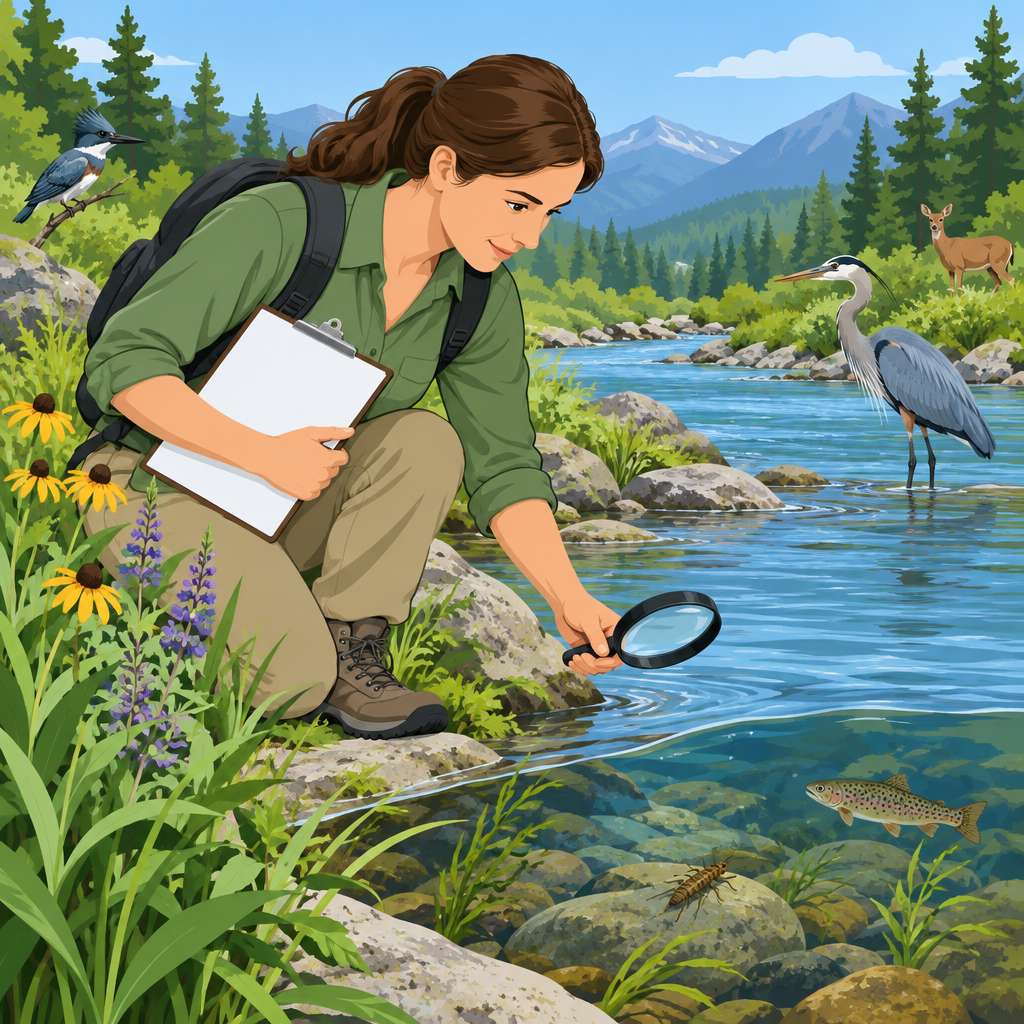
Deforestation and Habitat Loss
Deforestation clears trees for agriculture, logging, and urbanization.
This process removes habitat and places pressure on ecosystems.
Conservation science promotes sustainable forestry and protected areas to preserve critical habitats.
Conservation efforts in the Amazon rainforest reduced deforestation rates and biodiversity loss.
Pollution and Ecosystem Health
Pollution affects air, water, and soil across many ecosystems.
It contaminates natural resources and harms wildlife.
Conservation science supports stricter regulations, clean technologies, and eco-friendly practices.
River cleanup projects in industrial areas have improved water quality and helped aquatic ecosystems recover.
Climate Change and Environmental Disruption
Climate change alters temperatures, precipitation patterns, and sea levels.
These changes cause habitat loss and increase the risk of species extinction.
Conservation science researches these impacts and develops adaptation strategies.
It also promotes carbon sequestration initiatives to address changing climate conditions.
Arctic conservation efforts helped protect melting ice shelves and preserve polar bear habitat.
Coordinated Conservation Responses
Effective conservation combines sustainable practices, public awareness, and policy advocacy.
Researchers, communities, and policymakers can coordinate responses to environmental threats.
Through these efforts, conservation science supports ecosystem protection and restoration for future generations.
Find Out More: The Role of Horticulturists in Urban Gardening
Community Involvement in Conservation
Local communities play a crucial role in conservation efforts worldwide.
They often live closest to ecosystems needing protection and experience direct environmental changes.
These communities understand nearby natural resources and often depend on them for their livelihoods.
Transform Your Career Today
Unlock a personalized career strategy that drives real results. Get tailored advice and a roadmap designed just for you.
Start NowTherefore, conservation projects should involve local communities from the beginning.
Local Knowledge Supports Conservation Efforts
Local communities understand nearby flora, fauna, water sources, and land use practices.
They also recognize environmental patterns that can guide conservation planning.
Moreover, cultural and spiritual connections can encourage people to protect land for future generations.
Conservation scientists and organizations can use this knowledge when developing ecosystem protection strategies.
Examples of Community-Based Conservation Projects
The Namibian conservancy program provides one well-known example of community-based conservation.
Local communities manage wildlife populations and habitats through this program.
As a result, the program supports increased biodiversity and economic benefits for participating communities.
In Peru, the Maijuna Indigenous community offers another example.
The community protects large rainforest areas through sustainable land management practices.
Community Engagement Strengthens Conservation Outcomes
Community engagement ensures that conservation initiatives consider local needs and perspectives.
Furthermore, invested communities often participate actively in monitoring, enforcement, and education activities.
This participation increases the likelihood of long-term conservation success.
Finally, collaboration can build trust between conservation organizations and community members.
That trust supports more effective and sustainable conservation outcomes.
Find Out More: Importance of Dairy Science Labs and Facilities
Policy and Legislation
Government policies and laws guide conservation decisions that protect ecosystems and manage natural resources.
They also establish legal standards for habitat protection, wildlife management, and sustainable development.
Furthermore, these rules connect scientific knowledge with practical actions that reduce environmental harm.
Government Policies and Laws in Conservation Science
Conservation science depends on government support to apply strategies that protect biodiversity and ecosystem functions.
Protected areas, wildlife management programs, and sustainable development policies provide essential conservation tools.
Moreover, effective legislation encourages responsible stewardship of natural resources.
These measures help governments address habitat destruction, pollution, and climate change.
In addition, conservation policies can encourage stakeholders to adopt practices that reduce environmental impacts.
Effectiveness of Current Conservation Policies
Although policies provide important guidance, their results depend on implementation, enforcement, and stakeholder collaboration.
Some regulations lack adequate funding or enforcement mechanisms, which creates gaps in conservation efforts.
Furthermore, competing economic and conservation priorities can weaken policy effectiveness.
Careful planning and stakeholder engagement can help balance resource use with conservation objectives.
Changing environmental conditions and emerging threats can also limit long-term policy success.
Therefore, agencies should monitor outcomes and update strategies as scientific knowledge develops.
Strategies for Strengthening Conservation Policies
Governments can improve conservation outcomes by combining stronger enforcement with inclusive decision-making.
They can also support sustainable practices that reduce pressure on habitats and natural resources.
Finally, research and innovation can provide better tools for addressing emerging conservation challenges.
- Strengthen enforcement by improving surveillance systems and increasing penalties for environmental violations.
- Engage local communities and Indigenous groups in conservation decisions that affect their environments.
- Promote sustainable land use, habitat restoration, and renewable energy technologies.
- Invest in scientific research, technology development, and conservation training.
Conservation Science and Ecosystem Sustainability
This post examined how conservation science shapes ecosystem protection and long-term environmental sustainability.
Case studies and examples showed that informed conservation action can restore habitats and protect biodiversity.
Moreover, conservation scientists study relationships between species and habitats to design practical strategies.
These strategies help ecosystems retain their functions while communities pursue sustainable environmental stewardship.
Consequently, conservation science offers a vital response to biodiversity loss and environmental degradation.
Core Conservation Priorities
- Conservation science supports biodiversity preservation and ecosystem health.
- Effective conservation depends on scientific research and data-driven decisions.
- Protected ecosystems can provide essential resources and services for future generations.
Ecosystem Function and Protection
Conservation science protects individual species and supports the functions that ecosystems perform.
Without sustained action, biodiversity declines and natural relationships may become disrupted.
Transform Your Career Today
Unlock a personalized career strategy that drives real results. Get tailored advice and a roadmap designed just for you.
Start NowTherefore, ecosystem-focused planning strengthens protection beyond single-species management.
Ways to Support Conservation
Readers can support conservation through volunteering, advocacy, or donations.
Each form of participation can strengthen efforts to protect biodiversity and ecosystem health.
Together, people can help secure a healthier future for living beings on Earth.
Additional Resources
Google search results for The Impact of Conservation Science on Ecosystems Agricultural
Bing search results for The Impact of Conservation Science on Ecosystems Agricultural


