




Biotechnology and Livestock Health
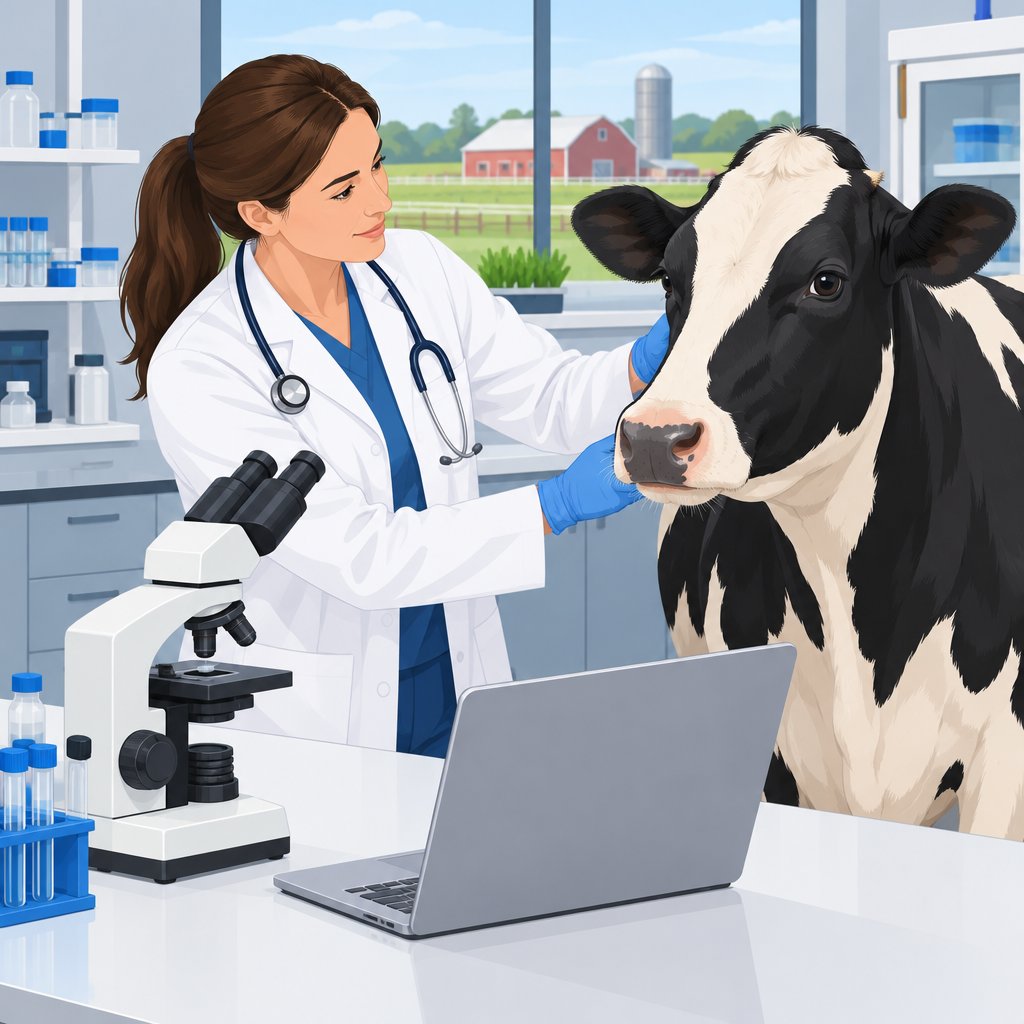
Biotechnology relates closely to livestock health.
It plays a crucial role in enhancing livestock health through genetic engineering techniques.
These techniques improve disease resistance and support overall animal well-being.
Enhancing livestock health remains essential for the agricultural industry.
Healthier livestock help ensure food safety and increase productivity.
Furthermore, improved health promotes animal welfare.
Various biotechnological advancements now influence livestock health management.
Genetic modification, cloning, and gene editing have revolutionized disease management.
These advancements offer new solutions for disease prevention and treatment.
Enhanced Disease Resistance through Genetic Engineering
Biotechnology lets farmers modify livestock genes to strengthen immune responses.
As a result, disease-resistant animals can fight infections more effectively.
This approach can reduce reliance on antibiotics and other medications.
Additionally, biotechnology supports vaccines designed to prevent livestock diseases more effectively.
Farmers can also breed animals with greater resilience against common ailments.
Improved Growth and Productivity through Selective Breeding
Selective breeding pairs animals with desirable traits to produce offspring sharing those characteristics.
Furthermore, biotechnology helps farmers choose genetics linked to faster growth and higher milk production.
Superior genetics can raise livestock productivity and improve production efficiency.
Earlier maturity can shorten production cycles and support timely output.
Breeding programs can also remove undesirable traits and produce stronger animals.
Better Nutrition and Feed Efficiency through Bioengineering
Biotechnology can modify feed ingredients to increase their nutritional value.
Meanwhile, improved feed efficiency helps animals convert feed into body mass more effectively.
Consequently, animals may need less feed to reach similar productivity levels.
Bioengineering can also lower livestock waste and support more sustainable farming.
Balanced feed formulations help animals receive the nutrients they need.
These advances give farmers tools to support healthier animals and more efficient production.
Continued progress may create further opportunities for livestock improvement.
Healthier livestock can also improve the quality of products reaching consumers.
Biotechnological Tools in Livestock Health
Biotechnology provides several tools for improving livestock health and productivity.
These tools include genomic sequencing, genetic editing, cloning, transgenic technology, vaccines, and diagnostics.
Together, these approaches support disease prevention, early detection, and improved animal welfare.
Genomic Sequencing and Editing Techniques
Genomic sequencing reveals the genetic makeup of livestock.
Researchers use this information to study traits associated with animal health.
Meanwhile, CRISPR-Cas9 enables precise changes within livestock genetic code.
Cloning and Transgenic Technology
Cloning replicates livestock that possess desirable traits.
This method can help reproduce superior animals for livestock production.
Transgenic technology inserts genes from one species into another species’ genome.
Vaccine Development and Disease Diagnostics
Biotechnology supports the development of vaccines for livestock diseases.
Vaccines help prevent disease and reduce the need for antibiotics.
Advanced diagnostic tools, including PCR, can detect diseases early.
Applications for Livestock Health and Productivity
These biotechnological advances have transformed livestock health management.
Transform Your Career Today
Unlock a personalized career strategy that drives real results. Get tailored advice and a roadmap designed just for you.
Start NowThey support improved health, welfare, and productivity across livestock species.
Furthermore, early diagnosis and prevention can support prompt treatment decisions.
Gain More Insights: Role of Data Analytics in Precision Agriculture
Biotechnology Case Studies in Livestock Health
Biotechnology has transformed livestock health through several practical advances.
These advances support disease management, breeding decisions, immune protection, and productive animal development.
The following examples show how researchers apply biotechnology across livestock health programs.
Successful Biotechnological Advances in Livestock Health
Researchers have developed biotechnology-based vaccines that help combat various livestock diseases.
They have also produced recombinant proteins that strengthen immune responses in livestock.
Additionally, genetic engineering has supported animals with improved growth and health-related traits.
- Biotechnology-based vaccines help protect livestock against various diseases.
- Genetic modification has produced animals with resistance to specific pathogens.
- Recombinant proteins can support stronger immune responses in livestock.
- Engineered livestock can combine enhanced growth rates with improved disease resistance.
Genetically Modified Livestock With Enhanced Traits
Genetic modification has created livestock with traits that support health, productivity, and food production.
These examples demonstrate biotechnology’s potential in animal breeding programs.
Researchers have applied genetic changes to fish, cattle, pigs, and sheep.
- Genetically modified salmon can grow faster and show greater resilience to diseases.
- Engineered cattle can produce higher milk and meat yields while resisting common illnesses.
- Modified pigs can contain less fat and develop greater muscle mass.
- Engineered sheep can offer improved wool quality and stronger disease resistance.
Biotechnological Applications for Livestock Disease Management
Biotechnological tools help farmers identify livestock diseases earlier.
They also help breeders recognize inherited traits linked with disease resistance.
Furthermore, biotechnology supports treatments, prevention strategies, and biosecurity planning.
- Diagnostic tools enable earlier disease detection and prevention in livestock.
- Genomic sequencing can identify markers associated with disease resistance.
- Antibody engineering can produce therapeutic antibodies for livestock treatment and prevention.
- Biotechnology supports biosecurity measures against emerging diseases and pathogens.
See Related Content: Government Funding for Plant Pathology Research
Ethical Dilemmas in Genetic Engineering
Genetic manipulation raises concerns about changing animals’ natural traits.
Some people argue that genetic engineering conflicts with animal welfare principles.
Furthermore, unintended genetic effects could threaten livestock health.
Environmental Impact and Biosecurity Measures
Genetic modification can affect ecosystems when people fail to control it.
Additionally, escaped genetically modified organisms could disrupt local fauna.
Therefore, strict biosecurity protocols must prevent widespread contamination.
Importance of Sustainable Biotechnological Practices
Advocates emphasize biotechnology’s potential benefits for livestock.
For example, genetic engineering can produce healthier animals with stronger disease resistance.
Sustainable practices support long-term benefits for animals and the environment.
Learn More: The Science Behind Grape Growing
Challenges and Limitations of Biotechnology in Livestock Health
Biotechnology can improve livestock health, but several challenges complicate its responsible adoption.
Regulatory differences, financial barriers, and uncertain long-term effects influence decisions across the livestock industry.
Public acceptance also affects whether producers can use these interventions widely.
- Regulatory hurdles and public perception of genetically modified organisms
- High costs associated with biotechnological interventions
- Potential risks and uncertainties in long-term effects on livestock health
Regulatory Hurdles and Public Perception of Genetically Modified Organisms
Regulatory systems differ between countries and regions, which can complicate biotechnology adoption.
These differences can delay adoption across countries and regions.
Approval processes for genetically modified organisms often require substantial time and expense.
Public concerns about safety and ethics can further influence acceptance.
High Costs Associated with Biotechnological Interventions
Developing and implementing biotechnology often requires considerable financial investment.
Research, development, and commercialization can create expenses that challenge many producers.
Small-scale farmers may struggle to afford genetic engineering, cloning, and other advanced interventions.
Consequently, unequal access can limit biotechnology’s broader effect on animal health and productivity.
Potential Risks and Uncertainties in Long-Term Livestock Health Effects
Biotechnological interventions may create long-term health risks that researchers cannot fully predict initially.
Therefore, thorough research and testing should assess safety and effectiveness before widespread adoption.
Unintended genetic effects could influence livestock welfare and well-being.
Transform Your Career Today
Unlock a personalized career strategy that drives real results. Get tailored advice and a roadmap designed just for you.
Start NowResearchers must also consider genetic diversity, antibiotic resistance, and environmental effects.
These concerns raise important questions about biotechnology’s sustainability in livestock health.
Responsible oversight can help the livestock industry address these challenges while supporting animal health and welfare.
Delve into the Subject: Extension Agents and Agricultural Innovation
Future Trends in Biotechnology and Livestock Health
Predictions for gene editing and synthetic biology continue to shape biotechnology’s future.
Researchers explore innovative methods that may improve livestock health.
These developments may support healthier and more productive animals.
Emerging Technologies
CRISPR-Cas9 allows scientists to edit specific genes in livestock.
Additionally, researchers can target genetic diseases while pursuing desirable traits.
Synthetic biology enables customized treatments for livestock diseases.
- CRISPR-Cas9 supports precision breeding by targeting specific livestock genes.
- Gene editing may improve livestock health, productivity, and overall well-being.
- Customized treatments may provide personalized solutions for animal health.
Research and Innovation in Livestock Health
Continuous research and innovation help scientists address emerging challenges in animal agriculture.
Furthermore, new technologies can support improved animal welfare and health management.
Collaboration among biotech companies, academia, and farmers can advance livestock health applications.
- Researchers can develop vaccines tailored to specific livestock diseases.
- Diagnostic tools can help address disease-related challenges in animal agriculture.
- Innovative breeding approaches may produce more resilient animals in the future.
These advances position biotechnology as a promising path toward healthier and more productive livestock.
Biotechnology and Resilient Livestock Production
Biotechnology offers innovative ways to improve livestock well-being.
Genetic engineering can produce livestock with greater disease resistance.
This approach can reduce antibiotic use in animal agriculture.
Meanwhile, CRISPR-Cas9 enables precise gene editing and can correct genetic defects.
Efficiency and Productivity in Animal Agriculture
Biotechnology can increase livestock farming efficiency and productivity.
For example, farmers can improve growth rates and feed conversion.
Additionally, health monitoring technologies detect diseases early and help prevent outbreaks.
These technologies also help farmers protect overall herd health.
Sustainable Livestock Production
Biotechnological advances can reduce resource consumption and waste production.
Furthermore, better animal welfare can support higher-quality products that meet consumer demand.
Therefore, these approaches can strengthen sustainable and resilient livestock production.
Biotechnology’s Contribution to Food Security
Biotechnology offers practical ways to address global challenges in animal agriculture.
By adopting suitable tools, producers can support healthier herds and sustainable production.
These efforts can help protect the environment and strengthen food security.
They can also help meet the needs of a growing population.
Additional Resources
Google search results for Biotechnology in Enhancing Livestock Health Agricultural
Bing search results for Biotechnology in Enhancing Livestock Health Agricultural


