




Role of 4-H Youth Agents
4-H Youth Agents guide, educate, and mentor young people interested in agriculture.
They develop and facilitate programs focused on agricultural activities.
These activities include livestock showing, gardening, and farm tours.
Importance of 4-H Youth Agents
4-H Youth Agents educate and mentor youth while teaching responsibility, hard work, and leadership.
Additionally, they provide hands-on experiences that develop practical agricultural skills and knowledge.
They also inspire young people to pursue agricultural careers and support industry growth and sustainability.
The Role of a 4-H Youth Agent
A 4-H Youth Agent supports young people who participate in agricultural activities.
This role combines guidance, educational programming, and opportunities to build practical agricultural skills.
Agents also connect youth programs with farmers, extension agents, and other stakeholders.
- Agents provide guidance and support to youth engaged in agricultural activities.
- They facilitate educational programs and workshops for youth interested in agriculture.
- They create opportunities to develop skills in livestock management, crop production, and agricultural business.
- They collaborate with farmers, extension agents, and other stakeholders to strengthen agricultural youth programs.
Responsibilities in Agricultural Youth Programs
Agents organize agricultural activities that give youth structured opportunities to participate and learn.
They develop curricula and resources that support agricultural education.
They also evaluate programs and adjust activities when necessary.
- Agents organize and coordinate youth activities related to agriculture.
- They develop curriculum materials and resources for agricultural education.
- They recruit and mentor youth participants in agriculture projects.
- They evaluate program effectiveness and make necessary adjustments.
Support and Guidance for Agriculture Participants
Participants receive direct support as they work through agricultural projects.
Agents share information that helps youth apply effective agricultural practices.
They also connect participants with professionals who can expand their understanding and networks.
- Agents offer one-on-one mentorship and coaching for youth agricultural projects.
- They provide resources and information about agricultural best practices.
- They encourage leadership and teamwork among youth involved in agriculture.
- They connect youth with industry professionals and experts for networking opportunities.
Leadership and Communication Skills
Leadership helps agents inspire and motivate youth participants.
Clear communication helps agents explain information and build trust.
These skills also support problem-solving, conflict resolution, and collaboration among stakeholders.
- Effective leadership enables agents to inspire and motivate youth participants.
- Strong communication helps agents convey information clearly and build trust.
- Leadership and communication skills help agents address challenges and resolve conflicts.
- These skills help agents build partnerships and foster stakeholder collaboration.
Education and Experience Needed to Become a 4-H Youth Agent
Becoming a 4-H Youth Agent requires education and experience in agriculture and youth development.
Typically, employers require a bachelor’s degree in agricultural education, youth development, or a related field.
Additionally, candidates need experience working with youth through volunteering, internships, or related employment.
Experience in event planning, leadership development, and program management also benefits applicants.
Professional Development Opportunities for 4-H Youth Agents
After hiring, 4-H Youth Agents can access professional development opportunities in youth development and agriculture.
These opportunities may include conferences, workshops, and training sessions designed for 4-H Youth Agents.
Furthermore, leadership programs, mentorship opportunities, and continuing education courses support ongoing professional growth.
These activities help agents stay updated on trends and best practices in youth development.
Certification and Licensing Requirements for 4-H Youth Agents
Certification and licensing requirements vary by state and employing organization.
However, most states require a background check and certification in youth development or agricultural education.
Some states also require a valid driver’s license and training in first aid and CPR.
Therefore, prospective agents should research their state’s requirements before pursuing this career.
You Might Also Like: The Future of Plant Pathology Careers
Collaborations with Local Schools and Communities
4-H Youth Agents play a vital role in building collaborations with local schools and communities.
- They work closely with school administrators to introduce agricultural education into the school curriculum.
- By organizing field trips to local farms and arranging guest speakers, they expose students to hands-on learning experiences.
- They also coordinate school-based clubs and workshops to engage students in agricultural activities outside the classroom.
How 4-H Youth Agents Work with Schools
4-H Youth Agents collaborate with schools in various ways to promote agricultural youth programs and initiatives.
- They provide resources and materials to educators to integrate agriculture into their lesson plans.
- They assist in organizing agricultural fairs, science fairs, and other events showcasing student agricultural projects.
- They offer training and professional development opportunities to teachers to enhance their agricultural knowledge.
Partnerships with Local Organizations and Businesses
4-H Youth Agents actively seek partnerships with local organizations and businesses to enhance agricultural youth programs.
- They collaborate with agricultural extension offices, farm bureaus, and other agricultural organizations for resources and expertise.
- They work with businesses to secure sponsorships, donations, and in-kind support for program activities and events.
- They partner with community organizations to provide internships and job shadowing for youth interested in agriculture.
Community Advocacy for Youth Development in Agriculture
4-H Youth Agents engage with community leaders to advocate for youth development in agriculture.
- They participate in local government meetings and advocate for funding and support for agricultural youth programs.
- They collaborate with community leaders to raise awareness about agricultural education’s benefits for youth development.
- They organize outreach events and campaigns involving community leaders in promoting agricultural youth programs.
4-H Youth Agents foster partnerships with schools, communities, organizations, businesses, and community leaders.
They promote agricultural youth programs and advocate for youth development in agriculture.
Their efforts create opportunities for young people to learn about and engage in agriculture.
These opportunities support the future of the agricultural industry.
Gain More Insights: Analyzing Agricultural Policy Trends in America
Transform Your Career Today
Unlock a personalized career strategy that drives real results. Get tailored advice and a roadmap designed just for you.
Start Now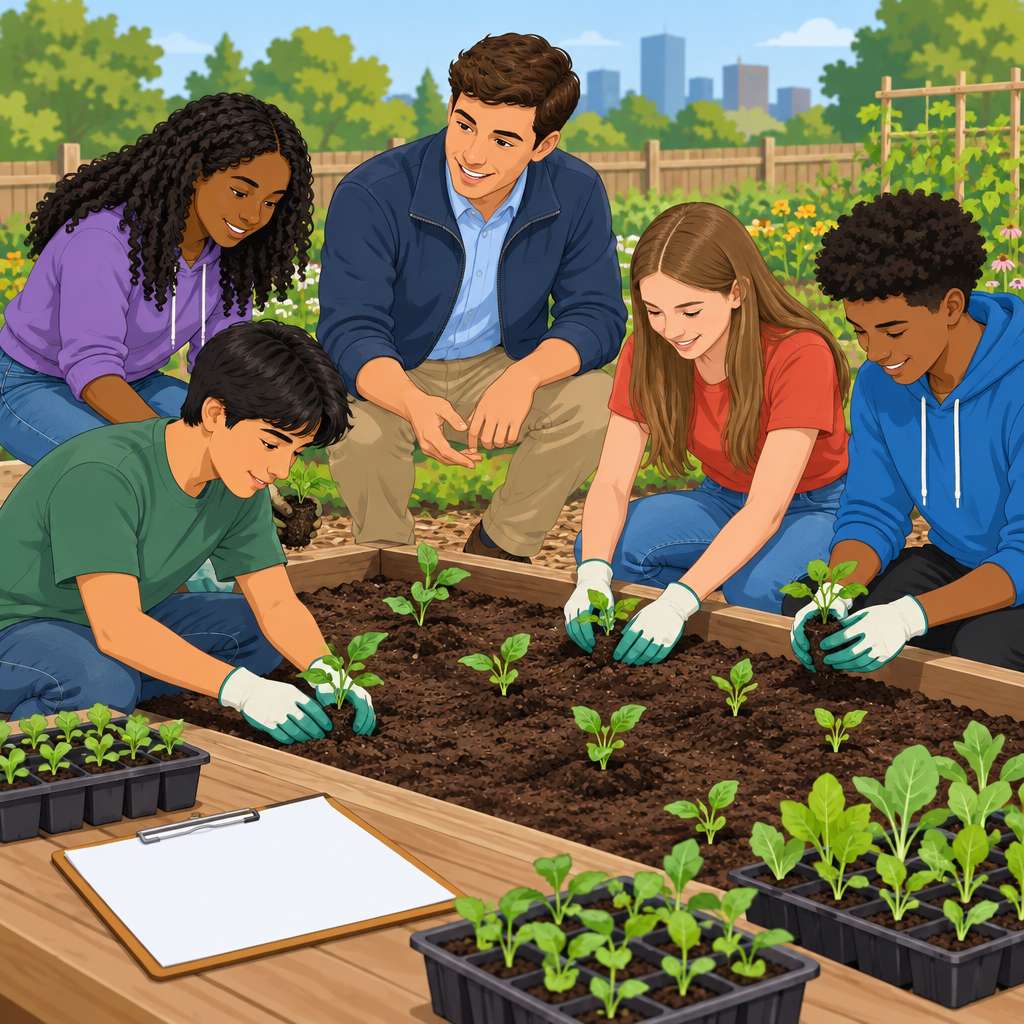
Implementing Educational Activities and Workshops
4-H Youth Agents implement educational activities and workshops for agricultural youth programs.
These activities may include interactive workshops, field trips, guest speakers, and hands-on learning experiences.
They provide valuable agricultural information and skills while fostering community and teamwork.
Planning Hands-On Activities for Youth
Agents carefully plan and organize hands-on activities that engage youth meaningfully.
Activities may include planting and harvesting crops, caring for animals, and building sustainable farming practices.
These experiences help youth develop problem-solving, leadership, and teamwork skills.
Conducting Agricultural Education Workshops
Agents conduct workshops on animal husbandry, crop production, and sustainable agriculture practices.
These sessions provide knowledge and hands-on experience in agricultural science and technology.
Engaging instruction can inspire young people to pursue agricultural careers and positively affect their communities.
Evaluating Educational Program Effectiveness
Agents regularly evaluate educational programs and make improvements when needed.
They collect participant feedback, analyze program outcomes, and identify areas for improvement.
Continual assessment helps ensure programs meet youth needs and provide high-quality agricultural education.
See Related Content: Landscape Horticulture: Enhancing Outdoor Spaces
Mentoring and Supporting Youth Participants
A 4-H Youth Agent mentors young people participating in agricultural youth programs.
The agent provides guidance, encouragement, and resources to help participants succeed in their endeavors.
This supportive relationship creates a safe environment where youth explore agricultural interests and passions.
Guidance for Agricultural Goals and Skills
A 4-H Youth Agent helps participants set achievable goals within agriculture.
Through personalized support, the agent helps youth identify strengths, weaknesses, and agricultural interests.
Clear goals and new skills help participants strengthen their agricultural knowledge and expertise.
Personal Growth Through Agricultural Projects
A 4-H Youth Agent encourages personal growth through engaging agricultural projects.
These projects provide hands-on learning opportunities that develop teamwork, problem-solving, communication, and critical thinking.
As youth participate, they build confidence, decision-making abilities, and leadership potential.
Positive and Inclusive Learning Environments
A 4-H Youth Agent creates a positive environment where youth learn and grow through agricultural activities.
By promoting respect, diversity, and collaboration, the agent strengthens belonging and community among participants.
Engaging activities, workshops, and events provide rewarding experiences within agricultural youth programs.
Explore Further: How Food Scientists Improve Food Production Efficiency
Impact on Youth Development and Future Careers
4-H Youth Agents influence young people’s development and career interests through agricultural youth programs.
They offer practical learning experiences that prepare participants for future agricultural opportunities.
Additionally, agents introduce youth to different agricultural areas and encourage lasting interest in the industry.
- 4-H Youth Agents help shape career paths for young people interested in agriculture.
- Through agricultural youth programs, agents provide hands-on experiences that support future opportunities.
- Exposure to agricultural activities can encourage youth to pursue related careers.
- These programs also inspire participants to consider leadership roles in agriculture.
Benefits of Agricultural Youth Programs
Agricultural youth programs give participants direct experience with important agricultural practices.
Furthermore, these activities help young people understand agriculture’s importance to society and the economy.
As participants practice agricultural skills, they develop greater appreciation for the industry.
- Participants gain hands-on experience with various agricultural practices.
- Youth learn about crop management, animal care, and sustainable farming techniques.
- 4-H Youth Agents help participants understand agriculture’s role in society and the economy.
- Program involvement can strengthen young people’s appreciation for agricultural work.
Critical Thinking, Problem-Solving, and Teamwork Skills
Agricultural activities require participants to evaluate tasks and make thoughtful decisions.
Through real-world scenarios, youth learn to address challenges connected with agriculture.
Meanwhile, shared projects encourage participants to cooperate and pursue common goals.
- Participants use critical thinking while completing agricultural tasks.
- Hands-on activities help youth solve agricultural problems.
- Collaborative projects teach participants how to work effectively with others.
- These skills support success in agriculture and other industries.
Inspiring Future Agricultural Leaders
4-H Youth Agents inspire participants by demonstrating dedication, hard work, and enthusiasm for agriculture.
They also encourage young people to explore agricultural careers and pursue excellence.
By sharing their knowledge, agents help youth imagine themselves as future agricultural leaders.
- 4-H Youth Agents lead by example within agricultural youth programs.
- They motivate young people to investigate agricultural career opportunities.
- Agents empower participants to develop leadership ambitions within agriculture.
- Their guidance helps shape the future of the agricultural industry.
Through these experiences, 4-H Youth Agents connect practical learning with youth development and agricultural career exploration.
Their work gives young people valuable skills, experiences, and encouragement for future opportunities.
Transform Your Career Today
Unlock a personalized career strategy that drives real results. Get tailored advice and a roadmap designed just for you.
Start NowBuilding the Next Generation of Agricultural Leaders
4-H Youth Agents help sustain agricultural youth programs by preparing young people to lead with confidence and purpose.
They also encourage participants to value hard work, responsibility, and innovation within agricultural communities.
Through consistent encouragement, agents help young people strengthen their commitment to agriculture.
Hands-on experiences allow participants to apply knowledge while developing practical confidence.
Meanwhile, workshops and community projects connect youth with others who share agricultural interests.
These activities foster belonging and motivate participants to continue growing.
Consequently, young people gain a stronger foundation for future contributions to agriculture.
Agent dedication supports the continued sustainability and advancement of the agricultural industry.
Additional Resources
Google search results for 4-H Youth Agent: Role in Agricultural Youth Programs Agricultural
Bing search results for 4-H Youth Agent: Role in Agricultural Youth Programs Agricultural


