




Introduction
An Artificial Insemination Technician assists with breeding animals using artificial methods.
This role supports genetic diversity and improves breeding outcomes.
The technician uses artificial methods to support animal breeding.
Research and Education Requirements
- Research the educational requirements for becoming an Artificial Insemination Technician.
- Explore vocational schools, community colleges, and universities for possible educational paths.
- Seek programs offering courses in animal reproduction, biology, and veterinary technology.
- Pursue internships or job shadowing opportunities to gain hands-on experience.
- Attend informational sessions or career fairs to learn about the profession and network with professionals.
- Stay updated on industry trends by reading articles, attending conferences, and joining professional organizations.
- Consider certifications or continuing education courses to enhance skills and remain competitive.
- Reach out to current Artificial Insemination Technicians for advice and mentorship.
- Create a detailed plan outlining educational goals, completion timelines, and steps toward the desired job.
- Take exams or assessments required for certification or licensure in artificial insemination.
Once you complete formal education and obtain certification, pursue hands-on experience as an Artificial Insemination Technician.
This next step strengthens your understanding of artificial insemination techniques.
Practical opportunities also help you develop confidence while working under professional guidance.
Internships and Volunteer Opportunities
Internships at farms or veterinary clinics can provide valuable practical experience.
Additionally, volunteering offers another way to develop field experience.
Together, these opportunities improve your familiarity with artificial insemination procedures.
- Search for internships at farms or veterinary clinics
- Volunteer to gain practical experience in the field
Hands-on Experience Is Crucial
Practical experience remains essential for learning the necessary skills.
Moreover, repeated practice helps you master artificial insemination techniques.
- Practical experience is essential for learning the necessary skills
- Gain hands-on experience to master the techniques of artificial insemination
Working directly with animals builds confidence and proficiency under experienced professional guidance.
Furthermore, supervised artificial insemination procedures help you apply techniques correctly.
See Related Content: Funding Dairy Science Research Projects
Develop Skills and Knowledge
A strong understanding of animal anatomy supports excellence as an Artificial Insemination Technician.
Different species have distinct reproductive biology, so technicians must study each one.
That knowledge supports successful artificial insemination procedures.
Additionally, technicians must develop careful attention to detail.
Precision and accuracy make a keen eye essential in this field.
Patience also helps aspiring technicians manage this work effectively.
Because artificial insemination can take time, technicians need steady hands and calm demeanors.
Finally, strong communication skills support effective work in this role.
Technicians must communicate clearly with clients and colleagues.
They also need to educate others about the procedures involved.
Uncover the Details: Agricultural Economists and Farm Management Strategies
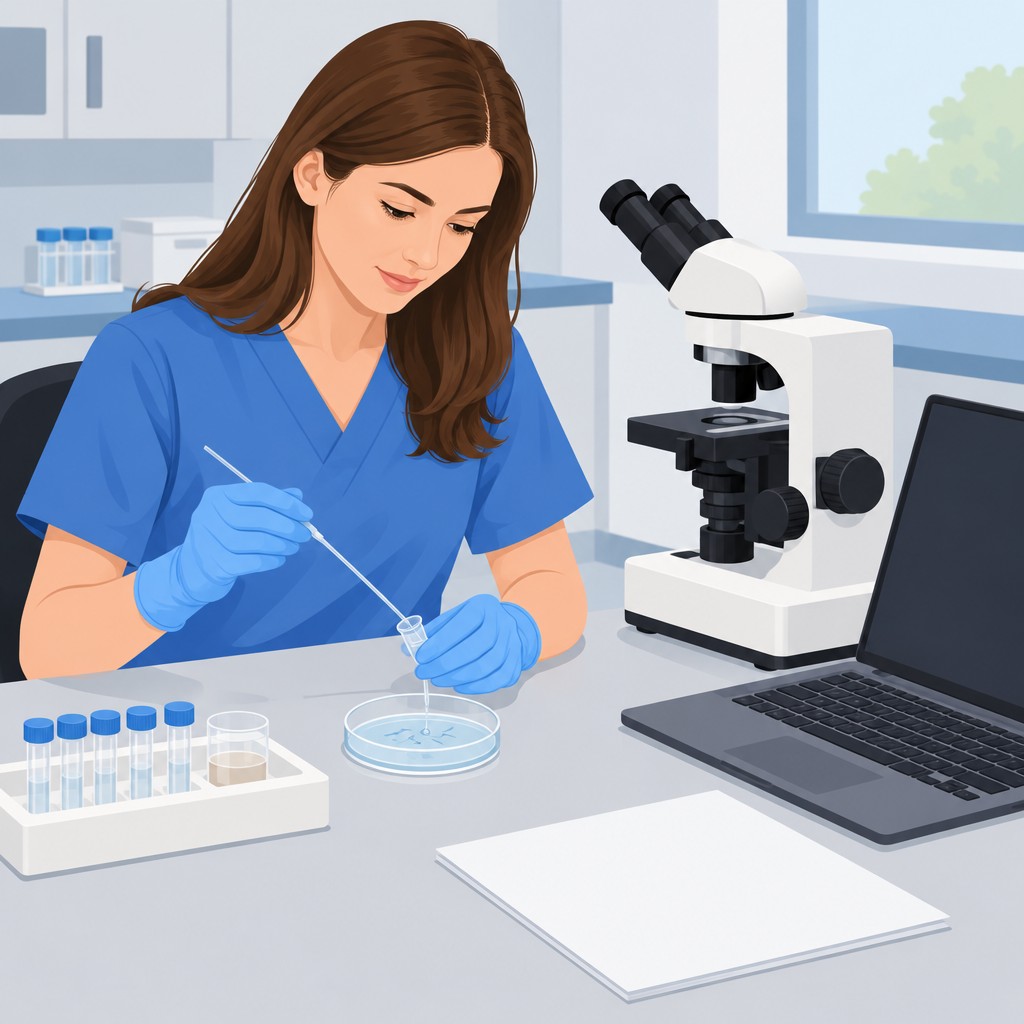
Obtain Certification as an Artificial Insemination Technician
Certification as an Artificial Insemination Technician can validate your skills and knowledge.
It can also strengthen your credibility with employers and clients.
Therefore, research reputable programs, including those offered by the American Association of Bovine Practitioners.
- Research certification programs offered by reputable professional organizations.
- Review each program’s educational and work experience requirements.
- Confirm that you meet the certification program’s eligibility criteria.
- Enroll in the program that best matches your professional development goals.
- Complete the required training and educational activities.
- Study artificial insemination procedures before taking the certification exam.
- Pass the examination to demonstrate your knowledge and practical skills.
- Obtain certification after successfully completing the program requirements.
- Continue learning about advances in artificial insemination technology and techniques.
Find Out More: How Plant Pathologists Study Fungal Infections
Networking with Artificial Insemination Professionals
Professional networking can strengthen your career in artificial insemination.
It also connects you with experienced technicians who can share practical industry knowledge.
Additionally, strong connections can support future employment and collaboration opportunities.
- Attend industry events, conferences, or workshops to meet professionals in the field.
- Build relationships that may support job placements or collaboration with experienced technicians.
Benefits of Professional Networking
Networking helps you discover opportunities that may not appear through traditional job listings.
It also encourages knowledge sharing about techniques, best practices, and developments.
Furthermore, professional relationships can support research projects, case studies, and other initiatives.
- Professional connections can increase your awareness of available job opportunities.
- Experienced technicians can share ideas and current practices within artificial insemination.
- Collaborative work can strengthen your skills and professional reputation.
Effective Networking Practices
Approach networking with preparation, consistency, and genuine interest in professional relationships.
Take the initiative instead of waiting for opportunities to reach you.
After meeting professionals, maintain contact through thoughtful and timely follow-up.
- Attend industry events, conferences, and workshops to meet professionals directly.
- Send personalized emails or connect through professional networking sites.
- Arrange meetings to discuss your interests and career goals.
- Volunteer or intern at clinics or research institutions related to artificial insemination.
- Join professional organizations and participate in their discussions and events.
- Send thank-you notes or schedule follow-up meetings after networking conversations.
Career Growth Through Professional Connections
Professional relationships can help you gain insights from experienced artificial insemination technicians.
They can also expose you to different approaches and developments within the field.
Transform Your Career Today
Unlock a personalized career strategy that drives real results. Get tailored advice and a roadmap designed just for you.
Start NowBy contributing to the professional community, you can expand your network and strengthen your expertise.
Gain More Insights: How to Stay Updated in Seed Technology
Staying Updated on Industry Trends
Industry trends can influence artificial insemination practices and professional development.
Therefore, technicians should monitor new techniques, technologies, and research in their field.
Regular learning can strengthen skills and help technicians remain competitive.
Continuous Learning
- Continuing education helps technicians maintain current knowledge in artificial insemination.
- Enroll in workshops, seminars, and training programs to study recent techniques and advancements.
- As you continue learning, you can strengthen your expertise and professional value.
Professional Networking
- Join professional organizations and attend conferences to connect with other industry professionals.
- These connections can provide insights and opportunities for collaborative projects or research.
- Meanwhile, industry experts and mentors can share ideas about emerging trends.
Research and Innovation
- Review research publications and studies about artificial insemination techniques.
- Follow respected experts to learn about innovations and breakthroughs in the field.
- Additionally, monitor technological advances that may enhance practice and patient outcomes.
Conferences and Practical Workshops
- Attend conferences and workshops to explore current trends and best practices.
- Engage industry leaders to gain knowledge that can support your professional practice.
- Furthermore, hands-on sessions can help you improve techniques and maintain current skills.
Continued Education and Online Learning
- Specialized courses or certifications can expand your knowledge of artificial insemination techniques.
- Online forums and discussion groups allow professionals to exchange ideas and experiences.
- Webinars and online courses also provide convenient ways to follow industry developments.
By using these learning opportunities, technicians can continue developing their professional capabilities.
Moreover, regular self-improvement can support growth in this changing field.
Job Search and Employment Opportunities
After completing training and gaining experience, begin searching for artificial insemination technician positions.
Breeding farms, veterinary clinics, and research institutions may offer relevant employment opportunities.
Also, contact experienced professionals who may share job leads or recommendations.
- Search for openings at breeding farms, veterinary clinics, and research institutions.
- Contact professionals for potential job leads and recommendations.
Breeding Farms
Many livestock breeding farms use artificial insemination to support their breeding programs.
These farms may hire technicians to perform insemination procedures on animals.
When applying, submit a resume and cover letter that highlight your relevant skills and experience.
Veterinary Clinics
Some veterinary clinics provide artificial insemination services for clients who want to breed their animals.
These clinics may employ technicians to assist with procedures and support animal care.
Contact local clinics to ask whether they have suitable artificial insemination technician positions.
Research Institutions
Animal reproduction research institutions may need technicians to support studies and experiments.
Technicians may work with researchers to conduct experiments and collect artificial insemination data.
Applicants with animal science knowledge and research interests may find these positions especially relevant.
Professional Outreach and Applications
Industry events, conferences, and workshops can help you connect with potential employers.
Mentors, instructors, and colleagues may also provide useful information about available positions.
Tailor each resume to emphasize artificial insemination training, certifications, and hands-on experience.
During interviews, explain your knowledge of techniques and your experience handling reproductive materials.
Also, describe your ability to work with different animal species.
Active searching, persistence, and flexibility can improve your chances of finding suitable employment.
Professional Growth in Animal Reproduction
Becoming an artificial insemination technician requires dedication, continuous learning, and passion for animal reproduction.
By completing relevant education, gaining practical experience, and earning certification, individuals can pursue this career.
Furthermore, technicians should monitor industry advancements and seek professional development opportunities.
With commitment, aspiring technicians can contribute to animal reproduction and improve breeding programs.
Additional Resources
Google search results for Steps to Becoming an Artificial Insemination Technician Agricultural
Bing search results for Steps to Becoming an Artificial Insemination Technician Agricultural


