




Introduction
Agricultural economists specialize in analyzing economic data related to agriculture.
They play a crucial role in making decisions that impact the agricultural industry.
Therefore, their analysis supports decisions across the agricultural industry.
Challenges Facing Agricultural Economists
Agricultural economists face several challenges that affect farm incomes and industry stability.
These challenges include price volatility, climate pressures, and technological change.
Together, they require careful analysis, practical strategies, and collaboration with industry stakeholders.
- Fluctuating market prices
- Climate change and its impact on agriculture
- Technological advancements and their industry implications
Fluctuating Market Prices
Market prices for agricultural products change constantly, making reliable forecasting difficult.
These changes can reduce farmers’ incomes and weaken the industry’s stability.
Moreover, global demand, supply chain disruptions, and trade policies can intensify price volatility.
Therefore, economists monitor market trends and develop strategies that reduce risks from changing prices.
Climate Change and Agricultural Impacts
Climate change creates unpredictable weather patterns that complicate agricultural planning.
Consequently, crop failures and natural disasters can reduce farm productivity and profitability.
Farmers also need sustainable practices and investments that address climate-related risks.
Thus, economists advise policymakers and industry stakeholders on adaptation and agricultural resilience.
Technological Advancements and Industry Implications
Rapid technological progress creates both opportunities and challenges for agricultural economists.
Precision farming, artificial intelligence, and digital platforms can improve productivity and efficiency.
However, these technologies also raise concerns about job displacement and data privacy.
Economists evaluate adoption rates and economic effects while supporting inclusive industry growth.
Additionally, they collaborate with stakeholders on policies that encourage innovation and protect farmers and consumers.
External Pressures on Agricultural Economists
Globalization intensifies competition for agricultural economists across local and international markets.
They must account for differences in regulations, market prices, and consumer preferences.
Consequently, international competition can complicate economic analysis and strategic decision-making.
Government policies and regulations strongly influence agricultural operations and economic outcomes.
Changing regulations, subsidies, and trade agreements can alter decision-making processes.
These changes may also affect the profitability of farming operations.
Limited resources and infrastructure create additional challenges in some regions.
Farmers may lack modern technologies, reliable water supplies, efficient transportation, and adequate storage facilities.
As a result, these limitations can reduce agricultural productivity and restrict economic growth.
By understanding these pressures, agricultural economists can navigate complexity and identify opportunities for growth and development.
Learn More: Key Duties of Agricultural Quality Control Inspectors
Strategies for Addressing Agricultural Challenges
- Conducting thorough market research and analysis
- Implementing sustainable farming practices
- Collaborating with other industry professionals for innovative solutions
Agricultural economists need strategic approaches to manage challenges in an evolving industry.
These challenges include market fluctuations, environmental concerns, and changing industry conditions.
Careful planning helps economists navigate uncertainty and identify opportunities.
Thorough Market Research and Analysis
Market research remains a crucial strategy for agricultural economists.
Economists examine market trends, supply and demand dynamics, and consumer preferences.
This information supports informed decisions about production, pricing, and marketing strategies.
Research also helps economists anticipate potential market challenges and opportunities.
Sustainable Farming Practices
Sustainability remains an important concern within agriculture.
Agricultural economists promote practices that protect resources and support long-term productivity.
Crop rotation, integrated pest management, and conservation tillage provide environmentally friendly techniques.
Transform Your Career Today
Unlock a personalized career strategy that drives real results. Get tailored advice and a roadmap designed just for you.
Start NowThese practices can reduce environmental impact and strengthen agricultural resilience.
They also help agricultural systems respond to climate change.
Collaboration for Innovative Solutions
Innovation helps the agricultural sector address complex challenges.
Agricultural economists can work with agronomists, food scientists, and policymakers.
These partnerships combine expertise and resources to develop innovative solutions.
Collaboration can reveal new opportunities and support positive changes across agriculture.
Strategic approaches help agricultural economists manage uncertainty within a dynamic agricultural landscape.
Market research, sustainable practices, and collaboration can strengthen agricultural decision-making.
These efforts support innovation and contribute to the agricultural industry’s long-term success.
Learn More: Agricultural Technician Professional Associations
Opportunities for Agricultural Economists
Sustainable and organic products: Consumers increasingly consider their environmental impact.
Therefore, demand for sustainable and organic agricultural products continues to grow.
Agricultural economists analyze market trends to help producers respond profitably.
Technological advancements: Technology creates new research and development opportunities in agriculture.
Precision agriculture, artificial intelligence, and drones continue to change the sector.
Agricultural economists use these tools to improve decisions and allocate resources efficiently.
They also support higher productivity across the industry.
Growing interest in agricultural economics: Interest in agricultural economics and related fields continues to rise.
Furthermore, food security, climate change, and resource scarcity create demand for specialized expertise.
Agricultural economists can contribute through research, policy development, and innovation.
These opportunities allow professionals to support a more sustainable and efficient agricultural sector.
Delve into the Subject: Tools and Equipment Used by Plant Pathologists
Ways Agricultural Economists Can Capitalize on Opportunities
Agricultural economics offers professionals both distinctive challenges and valuable opportunities.
To thrive, agricultural economists must identify opportunities and act on them proactively.
They can strengthen their prospects by developing expertise, building networks, and tracking industry developments.
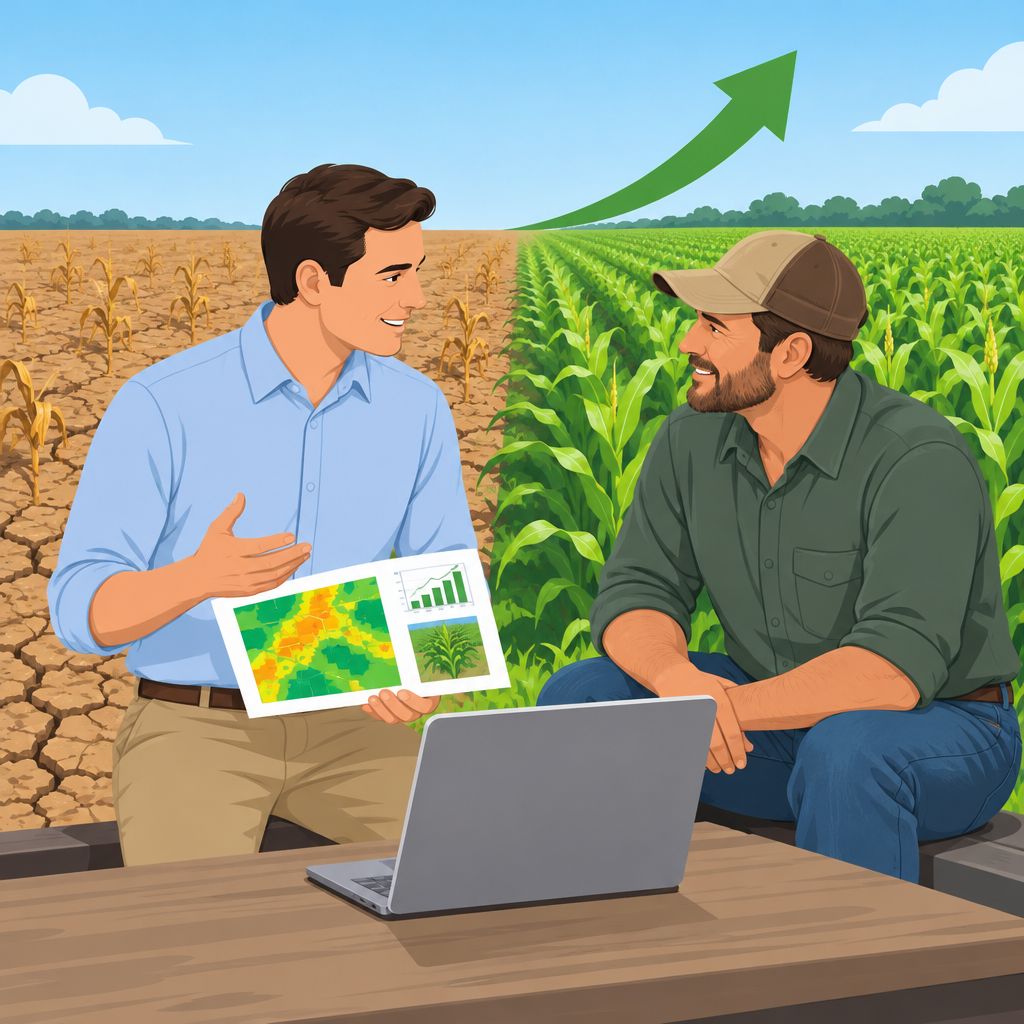
Developing Specialized Skills and Expertise
- Agricultural economists can distinguish themselves by focusing on specific areas of professional expertise.
- For example, employers seek skills in data analysis, market research, and policy analysis.
- Furthermore, ongoing professional development helps economists remain competitive and informed about industry trends.
Networking with Industry Clients and Partners
- Building a strong contact network can create opportunities for projects and professional collaboration.
- Attending conferences, seminars, and industry events helps agricultural economists expand their professional connections.
- Moreover, relationships with agricultural stakeholders can generate new projects and business opportunities.
Staying Informed About Trends and Markets
- Agricultural economists need current knowledge about developments across the industry.
- They can monitor market opportunities, policy changes, and emerging technologies for potential growth areas.
- Consequently, proactive professionals can strengthen their positions as industry leaders and innovators.
By applying these strategies, agricultural economists can increase their potential for success.
These actions also help them respond effectively to a rapidly evolving industry.
You Might Also Like: Top Tools and Technologies for Pest Control Advisors
Importance of Continuous Learning and Professional Development
Continuous learning and professional development help agricultural economists thrive in a dynamic, challenging industry.
By investing in education and skills, professionals can enhance expertise, remain competitive, and adapt to changing market conditions.
- Advanced degrees or certifications in specialized areas can give agricultural economists a competitive edge.
- Industry conferences and workshops help agricultural economists network and learn about current trends and best practices.
- Current research and publications help agricultural economists remain relevant and make informed decisions.
Advanced education allows agricultural economists to deepen expertise in specific areas of interest.
This specialized knowledge can increase their value to employers and clients.
Additionally, advanced credentials can expand career opportunities.
Industry conferences and workshops also create valuable networking opportunities.
Through these events, agricultural economists connect with peers, experts, and potential employers.
Moreover, conferences reveal current trends, technologies, and best practices.
These insights help professionals remain current and competitive.
Meanwhile, current research and publications keep agricultural economists informed about industry developments.
Research also introduces new methodologies and highlights emerging opportunities.
By reviewing these materials, professionals can make informed decisions and provide valuable insights.
Transform Your Career Today
Unlock a personalized career strategy that drives real results. Get tailored advice and a roadmap designed just for you.
Start NowThey can also contribute to advancing agricultural economics.
Consequently, continuous development supports long-term success in an evolving industry.
Agricultural Economists Shaping Agriculture’s Future
Globalization and climate change create complex challenges and opportunities across the agriculture sector.
Consequently, agricultural economists must develop innovative solutions that support sustainable growth.
They shape agriculture’s future through research, market insights, policy analysis, and economic development.
Additionally, their findings help drive positive change within the sector.
Aspiring agricultural economists can pursue advanced education and gain practical experience.
Meanwhile, staying informed about technological advancements can help them improve agricultural practices and policies.
These opportunities enable professionals to make meaningful contributions to the agriculture sector.
By applying research and practical knowledge, they can influence the sector’s long-term direction.
Additional Resources
Google search results for Agricultural Economists: Challenges and Opportunities Agricultural
Bing search results for Agricultural Economists: Challenges and Opportunities Agricultural


