




Introduction
A certified veterinary technician, or CVT, assists veterinarians with animal care.
Furthermore, becoming a CVT supports people passionate about animal welfare and healthcare.
The process includes education, training, and passing the Veterinary Technician National Exam.
Educational Requirements and Programs
Most veterinary technology programs require a high school diploma or equivalent.
Some programs also require biology or chemistry courses before enrollment.
Community colleges and vocational schools offer accredited veterinary technology programs.
These programs provide the educational foundation required for veterinary technician certification.
Career Opportunities and Job Outlook
Certified veterinary technicians can pursue careers in several animal care environments.
Potential workplaces include animal hospitals, veterinary clinics, research facilities, and zoos.
Furthermore, employers may offer varied responsibilities involving animal care and healthcare support.
Job growth remains above average, creating a promising outlook for this career.
Veterinary Technician Specializations
Veterinary technicians can develop expertise in focused areas of animal healthcare.
Common specializations include anesthesia, dentistry, emergency care, and exotic animal medicine.
Each specialization supports different workplace responsibilities and professional interests.
Therefore, candidates should consider their strengths and interests when selecting a specialty.
Certification and Career Preparation
Prospective technicians should complete an accredited veterinary technology program first.
Next, practical experience can develop skills through internships or externships.
Afterward, candidates must pass the Veterinary Technician National Exam.
- Complete an accredited veterinary technology program.
- Gain practical experience through internships or externships.
- Pass the Veterinary Technician National Exam.
- Obtain state licensure or certification, if required.
- Continue education and training to maintain certification.
State requirements may determine whether technicians need licensure or certification.
Continuing education helps certified technicians maintain their credentials and professional readiness.
Staying informed about advances in veterinary technology supports long-term professional development.
Accredited Veterinary Technology Programs
An accredited veterinary technology program provides the education and training needed for a certified veterinary technician career.
First, enroll in an AVMA-accredited program because its curriculum meets industry standards.
Next, complete coursework in anatomy, pharmacology, and animal nursing.
Additionally, gain hands-on experience through internships and clinical rotations.
- Choose an AVMA-accredited program to receive training that supports veterinary technology career preparation.
- Complete coursework in anatomy, pharmacology, and animal nursing to develop essential professional knowledge.
- Gain practical experience through internships and clinical rotations in real-world settings.
Together, these experiences establish a solid foundation for a certified veterinary technician career.
Learn More: Seasonal Work Patterns for Viticulturists
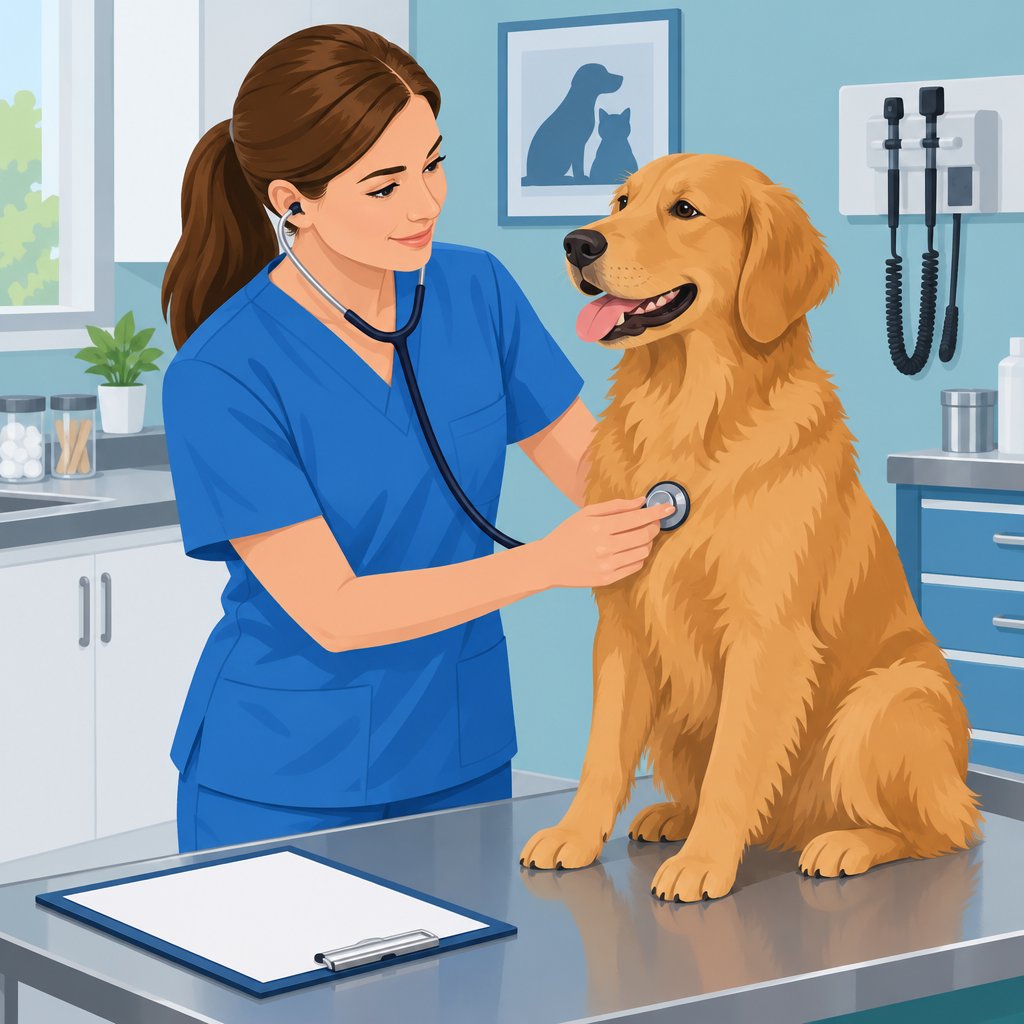
Practical Experience in Veterinary Technology
Practical experience strengthens the skills required for veterinary technician work.
Therefore, seek supervised opportunities that involve daily animal care.
These experiences can clarify professional responsibilities and build confidence.
- Gain experience working with animals through volunteer work or part-time employment.
- Shadow and assist licensed veterinary technicians and veterinarians whenever possible.
- Develop skills in animal handling, restraint, and care.
Volunteer work or part-time employment can expose you to different animals and routine care tasks.
Additionally, shadowing licensed veterinary technicians and veterinarians reveals their daily duties.
Assist only under appropriate supervision while applying classroom knowledge to real situations.
Practice safe handling, restraint, and basic care during supervised experiences.
Consequently, hands-on practice demonstrates commitment and supports preparation for certification.
Uncover the Details: Restoring Degraded Lands: A Conservation Guide
Preparing for the Veterinary Technician National Exam
- Review VTNE study materials and resources.
- Take practice exams to assess your knowledge and skills.
- Create a study plan for effective exam preparation.
Preparing for the Veterinary Technician National Exam is a crucial step toward becoming a certified veterinary technician.
The exam tests your knowledge and skills across various areas of veterinary technology.
First, review study materials and resources that cover the subjects tested on the exam.
These resources may include textbooks, online materials, and VTNE study guides.
Transform Your Career Today
Unlock a personalized career strategy that drives real results. Get tailored advice and a roadmap designed just for you.
Start NowAdditionally, take practice exams to evaluate your understanding and identify topics requiring further attention.
Practice exams also help you become familiar with the exam format and question types.
Finally, create a study plan that organizes your materials, establishes goals, and assigns time for each topic.
A study plan helps you maintain consistent progress throughout your preparation.
Schedule regular study sessions and follow your plan to use your preparation time effectively.
By following these steps, you can improve your readiness for the VTNE and pursue certification as a veterinary technician.
Stay focused and motivated, and seek support from instructors or peers when needed.
Learn More: Ethical Considerations in Artificial Insemination
State Licensure Requirements for Veterinary Technicians
After education and experience, apply for state licensure as the next step toward certification.
First, research your state’s specific licensure requirements before preparing your application.
Each state establishes its own requirements, so review the licensing board’s current instructions carefully.
Requirements may include an approved program, VTNE passage, and additional state criteria.
- Check the licensure requirements in your state.
- Submit required documents, including transcripts and proof of passing the VTNE.
- Pay necessary fees and complete any additional licensure steps.
Once you meet every requirement, submit your application with transcripts and proof of VTNE passage.
Pay all required fees and observe every application deadline.
Some states also require a jurisprudence exam or background check.
Therefore, follow the licensing board’s instructions to prevent processing delays.
After approval, the board will issue your license to practice in your state.
Maintain your license by completing continuing education and monitoring regulatory changes.
These steps can support a rewarding career in veterinary medicine.
Learn More: Veterinary Technician's Role in Animal Rehab
Maintain Certification and Professional Development
- Fulfill continuing education requirements to maintain certification.
- Stay updated on the latest advancements and best practices in veterinary medicine.
- Join professional organizations for veterinary technicians to network and access resources.
The Path Toward Veterinary Technician Certification
Completing an accredited veterinary technology program establishes the educational foundation for this career.
Next, aspiring technicians should gain clinical experience through internships or externships.
Afterward, candidates must pass the Veterinary Technician National Exam to obtain certification.
Furthermore, continuing education and professional development help certified technicians stay current in the field.
Finally, aspiring CVTs can pursue their passion for animals and support their well-being.
Additional Resources
Google search results for How to Become a Certified Veterinary Technician Agricultural
Bing search results for How to Become a Certified Veterinary Technician Agricultural


