




Animal Nutritionists in Farm Management
Animal nutritionists optimize farm management practices.
They help maintain the health and productivity of farm animals.
Moreover, nutritionists design feeding regimes that balance diets and meet nutrient requirements.
Their expertise helps prevent diseases, improve growth rates, and maximize production efficiency.
They assess livestock carefully and develop customized feeding programs for different animal species.
Additionally, they analyze feed sources and evaluate animals’ energy needs.
They also consider each animal’s specific dietary requirements.
Nutritionists collaborate with veterinarians and farm managers to create sustainable, cost-effective feeding solutions.
These recommendations support optimal growth, reproduction, and livestock well-being.
Nutritionists stay informed about industry trends, research findings, and technological advances in animal nutrition.
They address feed quality, availability, and animal welfare challenges on farms.
Consequently, animal nutritionists strengthen farm operations and support their profitability.
Nutritional Assessments for Farm Animals
- Animal nutritionists assess nutritional needs across different types of farm animals.
- They consider age, breed, weight, and activity level when evaluating each animal’s diet.
Nutritional assessments match diets to each animal’s specific needs.
Nutritionists consider age, breed, weight, and activity level during each evaluation.
These factors help nutritionists identify suitable nutrient levels for individual animals.
For example, young animals may need different nutrient levels than older animals.
Certain breeds can also require specific dietary adjustments.
Assessments reveal deficiencies or excesses in current diets.
Nutritionists then recommend targeted changes to improve dietary balance.
A balanced diet supports growth, reproduction, and animal performance.
Furthermore, accurate assessments can improve feed conversion and reduce waste.
Farmers can therefore control feeding costs while supporting animal well-being.
Customized Feeding Program Design
Animal nutritionists develop customized feeding programs for each type of farm animal.
These programs reflect species, breed, individual needs, and the farm operation’s goals.
Additionally, nutritionists balance nutrient composition, feed availability, and cost-effectiveness when designing each program.
- Nutritionists formulate diets that meet the precise nutritional needs of each animal category.
- They adjust programs according to the specific requirements of different farm animals.
Feed Efficiency and Program Refinement
By balancing available nutrients with feed costs, nutritionists help farmers use feed more efficiently.
This approach can reduce waste while supporting animal health, performance, welfare, and farm profitability.
Furthermore, nutritionists follow current research and innovations to refine feeding programs over time.
Explore Further: The Role of Drones in Modern Irrigation Practices
Monitoring Farm Animal Health and Performance
- Animal nutritionists regularly monitor farm animals’ health and performance to confirm adequate nutrition.
- They check weight, body condition, and behavior for signs of nutritional deficiencies or health issues.
Animal nutritionists support farm management by tracking whether farm animals remain healthy, active, and productive.
They regularly conduct physical examinations, observe behavior, and assess body condition.
These checks help them recognize potential problems before those problems become more serious.
Additionally, nutritionists evaluate weight gain, milk production, and reproduction rates as performance indicators.
These measurements show whether the current diet supports growth, production, and reproductive performance.
If an animal develops poor coat quality or reduced energy, its diet may lack essential nutrients.
Nutritionists then recommend dietary changes or supplements to address identified deficiencies.
Consequently, regular monitoring helps improve animal well-being and supports the farm’s success and sustainability.
Gain More Insights: Role of an Agricultural Loan Officer Explained
Animal nutritionists support farm management by addressing nutrient deficiencies in farm animals.
Identifying Nutrient Deficiencies
Animal nutritionists identify nutrient deficiencies in farm animals.
Transform Your Career Today
Unlock a personalized career strategy that drives real results. Get tailored advice and a roadmap designed just for you.
Start NowThey analyze diets and observe behavior to locate gaps in essential nutrients.
These evaluations help them recognize potential dietary shortfalls.
Adjusting Diets for Optimal Health
After identifying a deficiency, nutritionists adjust the animal’s diet.
They may recommend specific supplements to provide essential nutrients.
They may also change feed composition to support the animal’s health.
Supporting Optimal Productivity
By correcting deficiencies, nutritionists help animals maintain optimal health.
Furthermore, balanced diets support animal productivity.
Well-fed animals remain healthier and face fewer disease or health issues.
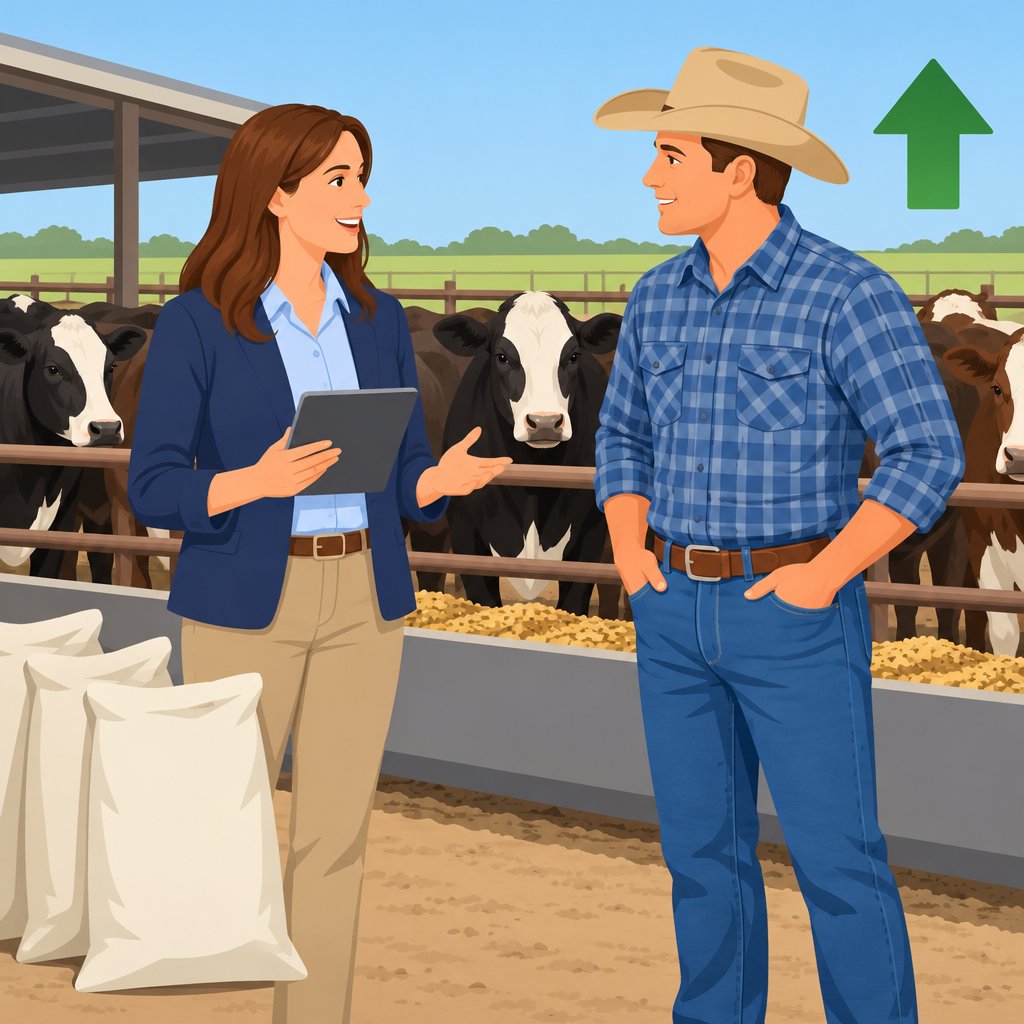
Preventing Nutritional Health Problems
Nutrient deficiencies can cause health issues that affect animal well-being.
These problems can also reduce productivity in farm animals.
Therefore, nutritionists provide balanced diets to help prevent such problems.
Learn More: How Agricultural Loan Officers Support Farmers
Preventing Health Problems in Farm Animals
- Nutritionists help prevent obesity, digestive disorders, and metabolic disorders in farm animals.
- They develop balanced feeding plans that support health and animal performance.
Animal nutritionists use strategic feeding programs to address health risks before they become serious.
Obesity can create additional health complications for farm animals.
To control weight, nutritionists balance calorie intake with essential nutrient levels.
This approach helps animals maintain healthy body conditions and lowers obesity-related risks.
Nutritionists help prevent digestive disorders by matching diets to animals’ digestive abilities.
They formulate diets that support efficient digestion and nutrient absorption.
Consequently, animals experience less digestive discomfort and use feed nutrients more effectively.
Metabolic disorders, including diabetes and thyroid issues, can affect animal health and performance.
Nutritionists design balanced diets that support blood sugar regulation and thyroid function.
These dietary strategies may reduce metabolic risks and limit the need for medical intervention.
By addressing specific health concerns, nutritionists support long-term animal well-being.
Their work also helps farms maintain productive animals through preventive nutrition.
Find Out More: Agricultural Consultants: Key Trends in Crop Management
Collaboration with Veterinarians and Farmers
Animal nutritionists collaborate with veterinarians and farmers to address nutritional challenges in farm animals.
This teamwork supports animal health and promotes comprehensive care.
Professionals combine their knowledge to improve feeding strategies and dietary support.
- Nutritionists provide guidance on feeding strategies and dietary supplements.
- Veterinarians and farmers help ensure that animals receive appropriate care.
Team-Based Expertise
Animal nutritionists, veterinarians, and farmers form a coordinated team.
Each professional contributes a distinct perspective to animal care.
Together, they strengthen decisions about nutrition, health, and daily management.
Shared Knowledge and Practical Observations
Nutritionists contribute specialized knowledge about animal diets and feeding practices.
Veterinarians offer insights into animal health and medical conditions.
Farmers contribute practical experience and observations from daily animal care.
Coordinated Evaluation and Dietary Adjustments
The team regularly evaluates animal health and nutritional status.
Professionals can identify deficiencies or health concerns through shared observations.
They then develop appropriate interventions and adjust feeding strategies when needed.
Customized Support for Animal Groups
Nutritionists work with veterinarians and farmers to create suitable feeding strategies.
The team can adapt these strategies for individual animals or groups.
Continuous monitoring helps professionals refine nutrition plans according to animal responses.
Transform Your Career Today
Unlock a personalized career strategy that drives real results. Get tailored advice and a roadmap designed just for you.
Start NowNutrition Expertise Supports Sustainable Farm Operations
Animal nutritionists strengthen farm operations by aligning livestock diets with health, productivity, and welfare goals.
Proper nutrition supports animal health, steady productivity, and overall well-being.
Furthermore, nutritionists formulate balanced diets for each animal’s specific requirements.
These diets can help prevent disease and support stronger immune responses in farm animals.
By advising farmers, nutritionists help improve productivity and farm profitability.
Their knowledge of nutrient requirements and feed formulation also supports sustainable farming practices.
Consequently, their expertise remains essential to successful modern livestock production.
Additional Resources
Google search results for How Animal Nutritionists Support Farm Management Agricultural
Bing search results for How Animal Nutritionists Support Farm Management Agricultural


