




Introduction
Proper nutrition enhances livestock productivity by supporting optimal health and performance.
Furthermore, adequate nutrition directly affects production efficiency and profitability.
Therefore, understanding each species’ nutritional requirements helps maximize livestock potential.
Factors Affecting Livestock Productivity
Livestock productivity depends on several interconnected factors.
These factors include genetics, environment, health, and nutrition.
Each factor influences animal growth, reproduction, health, and production.
Farmers can improve results by managing these factors together.
- Genetics: Breeding animals with desirable traits can improve milk production or growth rates.
- Environment: Temperature, humidity, clean water, and pasture access influence animal development.
- Health: Vaccinations, parasite control, and disease monitoring help maintain productive livestock.
- Nutrition: Balanced diets support growth, reproduction, health, and overall animal performance.
Nutrition Requirements for Productive Livestock
Nutrition directly affects livestock growth, reproduction, milk production, and general health.
Therefore, farmers should match each animal’s diet with its specific nutritional needs.
A suitable diet supplies energy, protein, vitamins, minerals, fiber, and water.
- Energy: Livestock need sufficient dietary energy to support growth and production.
- Protein: Protein supports muscle development, milk production, and general animal health.
- Vitamins and minerals: These nutrients support metabolic functions and help prevent deficiencies.
- Fiber: Hay and pasture provide roughage that supports digestion and nutrient absorption.
- Water: Adequate water supports digestion, nutrient transport, and general health.
Farmers can support productive animals by providing balanced diets consistently.
Furthermore, suitable nutrition helps animals perform according to their production potential.
Nutritional Requirements Across Livestock
Livestock require balanced nutrients to support health, growth, and productivity.
However, cows, chickens, pigs, and sheep have different nutritional needs.
Therefore, farmers must match each animal’s diet with its specific requirements.
Nutritional Requirements of Cows
Cows require carbohydrates, proteins, fats, vitamins, and minerals.
Additionally, fiber supports digestion and helps prevent digestive issues.
Protein supports muscle growth and milk production in dairy cows.
- Cows require a balanced diet consisting of carbohydrates, proteins, fats, vitamins, and minerals.
- They need a high fiber diet to aid digestion and prevent digestive issues.
- Protein is essential for muscle growth and milk production in dairy cows.
- Vitamins and minerals play a crucial role in overall health and immunity.
Nutritional Requirements of Chickens
Chickens need protein to support growth and egg production.
Furthermore, calcium strengthens eggshells and supports bone health in laying hens.
Grains and seeds provide carbohydrates that supply energy.
- Chickens need a diet high in protein to support egg production and growth.
- Calcium is essential for strong eggshells and bone health in laying hens.
- Vitamins such as A and D are important for immune function and egg development.
- Grains and seeds are a good source of carbohydrates for energy.
Nutritional Requirements of Pigs
Pigs require carbohydrates and protein to support growth and energy needs.
Moreover, fats provide energy storage and support hormone production.
Calcium and phosphorus help pigs maintain healthy bones.
- Pigs require a diet high in carbohydrates and protein for growth and energy.
- Fats are important for energy storage and hormone production in pigs.
- Minerals such as calcium and phosphorus are essential for bone health.
- Vitamin E is crucial for immune function and overall health.
Nutritional Requirements of Sheep
Sheep need fiber to support digestion and help prevent bloating.
In addition, protein supports muscle growth and wool production.
Copper contributes to wool quality and supports overall health.
- Sheep need a diet high in fiber to support digestion and prevent bloating.
- Protein is essential for muscle growth and wool production in sheep.
- Copper is important for wool quality and overall health in sheep.
- Vitamins such as B12 and D are crucial for metabolism and bone health.
Farmers must provide diets that meet each livestock species’ specific nutritional requirements.
Missing essential nutrients can cause health issues, poor growth, and reduced productivity.
Proper nutrient balance helps livestock produce milk, eggs, meat, and wool.
Uncover the Details: Effective Lesson Plans for Agricultural Education
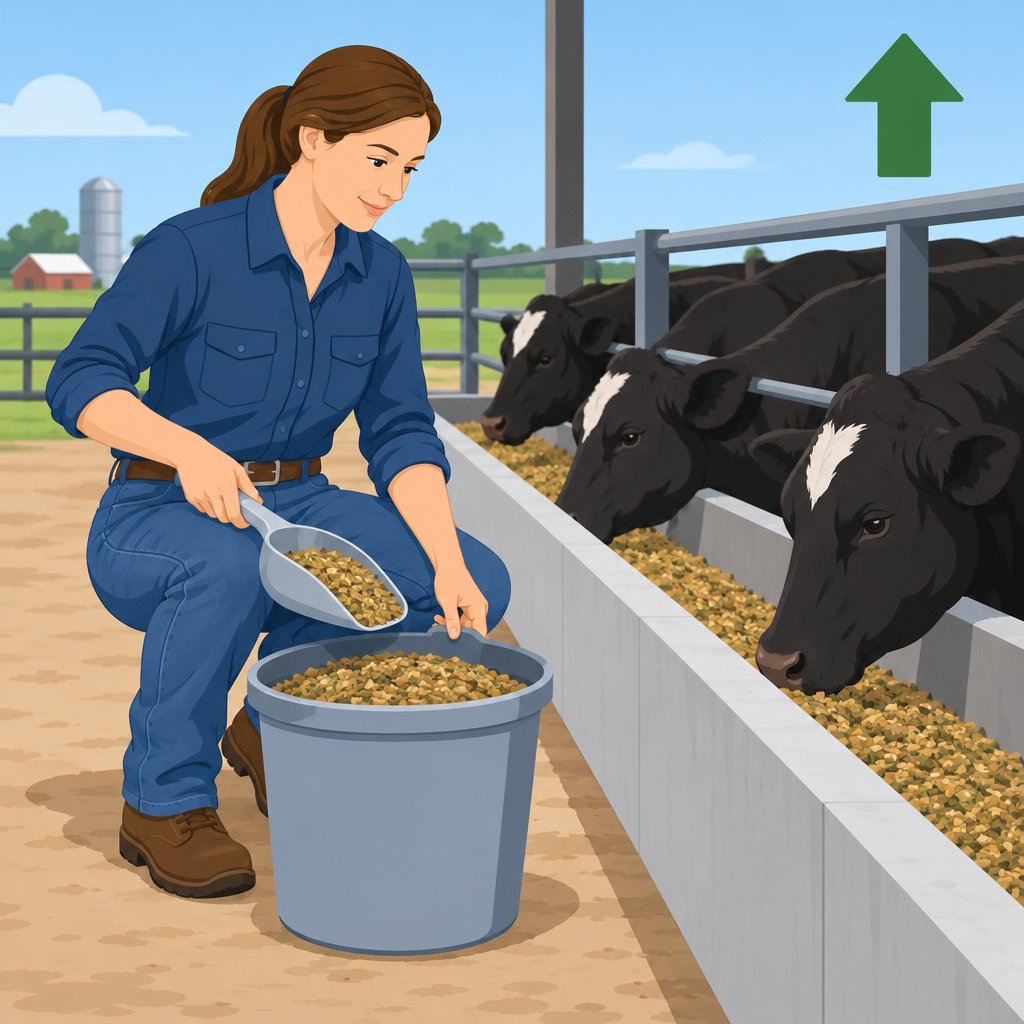
Nutrition Supports Livestock Growth and Development
Proper nutrition supplies the energy and nutrients livestock need for healthy growth.
Balanced diets provide proteins, carbohydrates, fats, vitamins, and minerals.
These nutrients help animals develop strong bones, healthy muscles, and overall body structure.
However, inadequate nutrition can cause stunted growth, weak muscles, and lower productivity.
Nutrients That Support Different Growth Needs
Each nutrient performs a specific function during livestock growth and development.
Animals need these nutrients together because each one supports different body processes.
Therefore, farmers should provide balanced feeds that supply every essential nutrient.
- Proteins support muscle growth, tissue development, and immune system function.
- Carbohydrates provide energy for growth and support healthy digestion.
- Fats store energy, support hormone production, and promote general health.
- Vitamins regulate metabolic processes, strengthen immunity, and maintain animal health.
- Minerals support bone development, enzyme activity, and other essential body functions.
Nutrition Requirements Across Life Stages
Livestock require different nutrient levels as their bodies change throughout life.
Young animals need concentrated nutrition because they grow rapidly during early life.
Transform Your Career Today
Unlock a personalized career strategy that drives real results. Get tailored advice and a roadmap designed just for you.
Start NowPregnant and lactating animals also need additional nutrients for reproduction and offspring development.
- Young animals require higher protein and energy levels for early growth and development.
- Pregnant animals need sufficient nutrients to support fetal growth and maintain their health.
- Lactating animals require increased nutrients to produce milk and nourish their offspring.
- Mature animals need balanced diets to maintain health, reproduction, and productivity.
By matching diets to life stages, farmers can help livestock grow, reproduce, and remain productive.
Balanced feeding enables animals to use essential nutrients effectively throughout their lives.
You Might Also Like: Educational Outreach by Extension Agents
Effects of Poor Nutrition on Livestock Productivity
Poor nutrition limits livestock performance and creates health and production challenges.
- Poor nutrition slows growth and reduces livestock weight gain.
- Furthermore, inadequate diets can reduce reproductive performance and offspring numbers.
- Malnourished animals also face greater disease risk because poor nutrition weakens immunity.
Economic Consequences of Poor Livestock Nutrition
When livestock receive inadequate nutrition, owners may face significant economic consequences.
- Poorly nourished animals may produce less meat, milk, or eggs than their potential allows.
- Additionally, malnourished livestock often require more veterinary care, increasing operating expenses.
- Animals with poor nutritional condition may receive lower market prices because product quality declines.
- Inadequate nutrition can also limit genetic potential and weaken future breeding stock.
- Consequently, reduced output, higher costs, and lower prices can create substantial financial losses.
Therefore, livestock owners should prioritize nutrition to support productivity and profitability.
Explore Further: Agricultural Educators: Building Community Ties
Strategies for Improving Nutrition in Livestock
Balanced diets provide livestock with appropriate nutrition.
Additionally, clean water supports consistent access to essential hydration.
Monitoring nutrient intake helps identify dietary needs.
- Formulating balanced diets
- Providing access to clean water
- Monitoring nutrient intake
Importance of Working with Veterinarians and Nutritionists
Veterinarians and nutritionists support informed livestock nutrition decisions.
Moreover, these professionals can help develop customized nutrition plans.
Customized plans address the specific nutritional needs of livestock.
- Customized nutrition plans for livestock
Find Out More: The Role of Research in Advancing Viticulture
Benefits of Optimal Nutrition on Livestock Productivity
Optimal nutrition helps livestock reach their productive potential.
Balanced feeding supports growth, reproduction, health, and efficient farm management.
These benefits can strengthen livestock performance and improve farming profitability.
Increased Growth Rates
Proper nutrition gives animals the essential nutrients required for steady growth.
Protein, vitamins, and minerals support muscle development and healthy weight gain.
Consequently, balanced diets can help animals reach market-ready sizes sooner.
- Essential nutrients support consistent animal growth.
- Protein, vitamins, and minerals promote muscle development.
- Balanced feeding can shorten the time needed to reach market size.
Improved Reproductive Performance
Nutrition supports fertility and improves breeding efficiency in livestock.
Selenium and zinc contribute to reproductive health and successful pregnancies.
Furthermore, well-fed animals can produce healthier offspring and complete pregnancies successfully.
- Suitable nutrition supports fertility and breeding success.
- Selenium and zinc assist reproductive health.
- Healthy nutrition supports pregnancies and stronger offspring.
Better Overall Health
Good nutrition strengthens immune function and lowers disease risks.
Vitamins A, C, and E help animals resist illness and maintain health.
As a result, healthy livestock can better withstand environmental stress and reduce veterinary expenses.
- Balanced diets support stronger immune function.
- Vitamins A, C, and E help combat illness.
- Healthy animals can better handle environmental stressors.
Higher Profits and Long-Term Sustainability
Investing in nutrition can improve productivity and increase farm profitability.
Healthy animals often have lower mortality rates and greater market value.
Therefore, effective feeding practices can support a more sustainable livestock operation.
- Nutrition investment can improve productivity and profitability.
- Healthy livestock can achieve higher market value.
- Effective feeding supports long-term farm sustainability.
Nutrition as the Foundation of Livestock Management
Nutrition plays a crucial role in maximizing livestock productivity.
Proper nutrition supports optimal growth and development.
Furthermore, it enhances reproductive efficiency and supports the animals’ overall health.
Neglecting nutrition can cause poor performance and economic losses.
Therefore, livestock managers should prioritize nutrition within their management practices.
Providing a well-balanced diet can optimize productivity.
Additionally, supplements and clean water help livestock maintain productive performance.
Thus, nutrition forms the foundation of successful livestock management.
Readers should closely monitor their animals’ nutritional needs.
By doing so, they can achieve better results and protect livestock well-being.
Transform Your Career Today
Unlock a personalized career strategy that drives real results. Get tailored advice and a roadmap designed just for you.
Start NowAdditional Resources
Google search results for Impact of Nutrition on Livestock Productivity Agricultural
Bing search results for Impact of Nutrition on Livestock Productivity Agricultural


