




Educational Outreach by Extension Agents
Extension agents connect research institutions with communities through practical education and ongoing support.
They translate complex information into accessible guidance for people facing diverse needs.
Through this outreach, communities gain knowledge that supports informed decisions and local development.
Importance of Community Education
Extension agents serve as a bridge between research institutions and the public.
They share research-based information in clear formats that community members can understand and use.
Consequently, people can make informed choices about agriculture, health, nutrition, and other life concerns.
Approaches to Community Engagement
Extension agents deliver educational programs to audiences with different experiences and priorities.
They tailor outreach activities to address the specific needs of each community.
Additionally, they use varied engagement strategies to communicate effectively with the public.
Community Empowerment Through Extension Support
Educational outreach equips communities with useful knowledge and practical resources.
By offering education and support, extension agents help individuals improve their quality of life.
Therefore, their work strengthens informed decision-making across diverse communities.
Role of Extension Agents in Educational Outreach
Extension agents provide educational support that helps communities address practical needs.
They organize programs and workshops that share useful information with community members.
They also provide technical assistance for specific community concerns.
- Extension agents conduct educational programs and workshops.
- They offer technical assistance for community needs and concerns.
- They collaborate with local organizations and institutions to improve resource access.
Duties and Responsibilities of Extension Agents
Extension agents identify educational needs within the communities they serve.
They develop educational programs that respond to those identified needs.
They deliver workshops, training sessions, and seminars for the public.
- Agents assess community needs before planning educational activities.
- They tailor programs to address specific educational concerns.
- They deliver training sessions and seminars to educate community members.
Extension agents serve as liaisons among academic institutions, government agencies, and local communities.
They advise community members while supporting sustainable development and capacity building.
They also advocate for educational opportunities that strengthen community skills.
Collaboration with Communities
Extension agents work directly with communities to understand local challenges.
They consider community opportunities when planning educational outreach activities.
They involve residents in learning activities and important decisions.
- Agents examine the unique challenges within each community.
- They engage community members in education and decision-making.
- They empower individuals to take ownership of learning and development.
Through collaboration, agents adapt outreach initiatives to community needs and preferences.
This approach keeps educational activities relevant to participating community members.
It also supports effective knowledge sharing and capacity building.
Improving Access to Education
Extension agents improve access to education for underserved populations.
They provide resources and information to people who may lack access.
They design outreach programs for diverse learning styles and preferences.
- Agents provide educational resources to underserved populations.
- They design programs that accommodate different learning preferences.
- They raise awareness about educational opportunities and career pathways.
By promoting lifelong learning, agents encourage continued personal and professional development.
Skill development helps individuals pursue productive and fulfilling lives.
Furthermore, agents support community well-being through continuous learning and growth.
Educational Program Formats
Extension agents use several educational formats to address practical learning needs.
They adapt these formats for different audiences and community interests.
These activities combine explanation, practice, and visible examples.
Common formats include the following.
- Workshops: Extension agents conduct workshops on sustainable agriculture and home gardening.
- Trainings: Specialized trainings help participants develop skills in food preservation or animal husbandry.
- Demonstrations: Demonstrations show best practices and help participants visualize techniques in action.
Topics Covered by Extension Agents
Extension agents address topics that reflect varied community needs.
Their programs support farming, personal health, and financial decision-making.
Consequently, participants can apply guidance in daily activities and work.
Transform Your Career Today
Unlock a personalized career strategy that drives real results. Get tailored advice and a roadmap designed just for you.
Start Now- Agriculture: Extension agents advise farmers and gardeners about sustainable practices, pest management, and crop rotation.
- Nutrition: Nutrition workshops explain healthy eating, meal planning, and balanced diets.
- Financial literacy: Financial programs teach budgeting, saving, and investing skills.
Examples of Successful Educational Programs
Several established programs demonstrate how extension education can support community participation.
These programs combine instruction with volunteering, youth development, or business preparation.
Each example applies a different format to a specific audience.
- Master Gardener Program: The program trains volunteers to provide gardening advice and techniques.
- 4-H Youth Development: Extension agents support youth through personal development, leadership, and skill-building opportunities.
- Small Business Workshops: These workshops help aspiring entrepreneurs develop business plans, marketing strategies, and financial skills.
You Might Also Like: Agricultural Educators: Building Community Ties
Benefits of Educational Outreach by Extension Agents
Extension agents share practical knowledge with farmers, homeowners, and communities.
They connect research-based information with everyday decisions and local learning needs.
Their outreach can strengthen skills, health practices, livelihoods, and sustainable community development.
Knowledge Dissemination
Extension agents provide information that helps people understand relevant research and apply it in daily activities.
They translate specialized knowledge into guidance for farmers, homeowners, and community members.
As a result, communities can access useful ideas beyond research institutions.
Skill Development
Hands-on training helps participants learn techniques they can practice independently.
Workshops develop abilities that can improve productivity and performance.
Consequently, stronger skills may support job opportunities and economic growth.
Improved Health Outcomes
Extension agents teach nutrition, hygiene, and disease prevention.
These lessons encourage people to adopt healthier practices in their homes and communities.
Therefore, outreach can support better health outcomes and quality of life.
Economic Opportunities
Agents share information about innovative farming techniques, business management, and market trends.
This guidance helps individuals explore sustainable livelihoods and income-generating opportunities.
In turn, communities can improve living standards through informed economic activity.
Success Stories
Farmers who adopt new irrigation methods have increased crop yields and profits, according to the source.
This example shows how practical knowledge can influence production and financial results.
Additionally, case studies demonstrate the potential value of extension-based education.
Sustainable Community Development
Educational outreach can affect individuals, communities, and wider society.
It combines knowledge sharing, skill building, health education, and economic guidance.
These benefits can help communities pursue stronger livelihoods and sustainable development.
Uncover the Details: The Role of Research in Advancing Viticulture
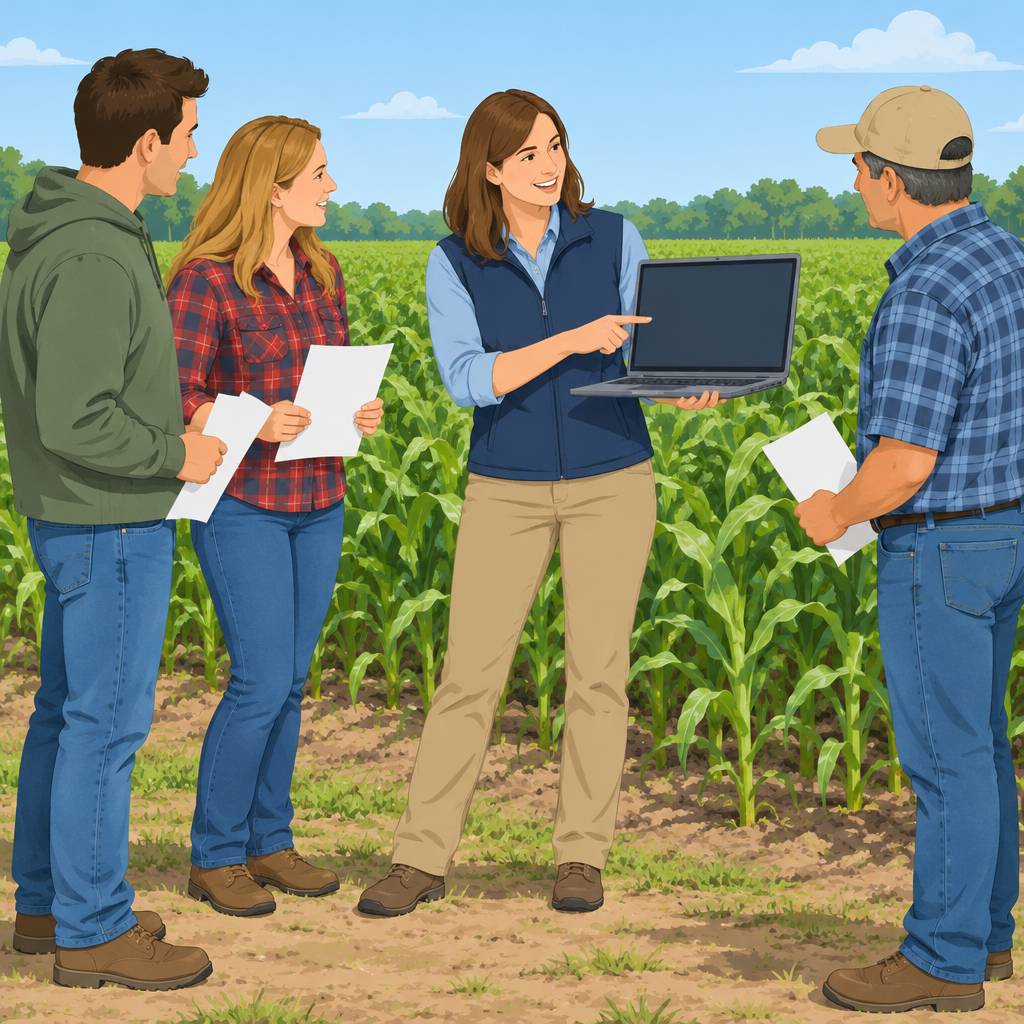
Challenges Faced by Extension Agents
Extension agents may lack funding and materials for educational outreach.
Furthermore, community resistance can hinder their outreach efforts.
These barriers can limit the reach and effectiveness of educational programs.
- Extension agents may encounter limited resources, such as funding and materials.
- Community resistance can create significant obstacles during outreach efforts.
Strategies for Overcoming Outreach Challenges
Partnerships with local organizations can provide additional resources and support.
Meanwhile, community leaders can help address resistance to educational programs.
Technology and online platforms can extend audience reach and improve content delivery.
- Extension agents can seek partnerships with local organizations for additional resources and support.
- They can engage community leaders to address and reduce resistance to educational programs.
- They can use technology and online platforms to reach wider audiences.
Approaches for Effective Education Delivery
Culturally relevant materials can help target audiences connect with educational content.
Hands-on workshops and interactive sessions can encourage participation in educational programs.
Ongoing training, support, assessment, and community feedback can guide continuous improvements.
- Extension agents can develop educational materials that suit local cultures and audiences.
- They can offer hands-on workshops and interactive sessions to increase engagement.
- They can provide ongoing training and support to strengthen delivery skills.
- They can assess program impact and gather community feedback for improvements.
Addressing these challenges and applying strategic approaches can help extension agents strengthen educational outreach.
Gain More Insights: Extension Agents: Supporting Urban Agriculture
Collaboration and Partnerships in Educational Outreach
Collaboration helps extension agents expand educational outreach and serve more people.
Partners can combine resources, expertise, and community networks.
Therefore, shared planning can create efficient programs that address local learning needs.
Transform Your Career Today
Unlock a personalized career strategy that drives real results. Get tailored advice and a roadmap designed just for you.
Start NowImportance of Collaboration
Working with organizations and stakeholders strengthens the reach of educational outreach.
Moreover, partners can share materials, knowledge, facilities, and connections.
This cooperation can make programs more effective while supporting sustainable community education.
Successful Partnerships
One local extension office partnered with a community center to offer sustainable farming workshops.
Together, they combined resources and expertise for community training sessions.
Consequently, community members received useful information and shared responsibility grew.
An extension agent also partnered with a local school to connect agriculture with science lessons.
Students explored agriculture through hands-on learning and considered related careers.
Building Strong Partnerships
Extension agents can strengthen partnerships by following several practical steps.
These steps support trust, clarity, communication, and long-term program development.
- Identify organizations, agencies, and individuals who share the outreach goal.
- Set clear objectives and define what each partner expects to achieve.
- Communicate regularly about progress, challenges, and collaboration opportunities.
- Build trust through open, honest, and respectful interactions.
- Evaluate results periodically and adapt the partnership when conditions change.
Delve into the Subject: Biotechnology in Enhancing Livestock Health
Extension Education and Community Capacity
Extension agents disseminate knowledge and resources through educational outreach.
They help individuals and groups make informed decisions through practical education and support.
Meanwhile, communities gain access to diverse educational opportunities by engaging with these professionals.
These professionals bridge research and practical application across various fields.
Additionally, they guide individuals seeking information on diverse topics.
Community education and development efforts benefit from their ongoing contributions.
Individuals can use the expertise and resources that extension agents provide.
Through collaboration, communities strengthen their knowledge and capacity for growth.
Such engagement empowers communities through education and support.
Additional Resources
Google search results for Educational Outreach by Extension Agents Agricultural
Bing search results for Educational Outreach by Extension Agents Agricultural


