




Agricultural Educators and Community Connections
Agricultural educators connect farmers, students, and local residents.
They create shared understanding around farming and community well-being.
In addition, these connections encourage sustainable practices and stronger local relationships.
Building Relationships Between Farmers and Residents
Agricultural educators act as liaisons between farmers and community members.
They build trust by discussing shared values and local agricultural needs.
Furthermore, they help residents understand farming’s role in community life.
Agricultural Education for Sustainable Farming
Agricultural education helps farmers adopt sustainable methods for long-term farm success.
Educators explain soil conservation, water management, and integrated pest management.
Through hands-on training and workshops, they strengthen skills for healthier crops and resilient farming.
Community Benefits of Agricultural Education
Agricultural educators increase appreciation for farming and farmers’ work.
They connect community outreach programs with local schools to engage future generations.
As a result, students may consider agricultural careers and community participation.
Agricultural Education in Schools
Agricultural education teaches students how farming supports society.
It also offers hands-on learning for students interested in agricultural careers.
Furthermore, it builds environmental awareness and encourages sustainable practices.
- Students learn about farming’s importance to society.
- Hands-on activities support students interested in agricultural careers.
- Lessons promote environmental awareness and sustainable practices.
Students’ Understanding of Farming Practices
Agricultural educators make farming practices easier for students to understand.
They show how classroom knowledge relates to work on farms.
Through practical instruction, students examine how farming supports food production.
- Students connect classroom learning with real-world farm applications.
- Educators teach planting, harvesting, and animal care skills.
- Farm-to-table experiences help students understand where food comes from.
Collaboration Across the School Curriculum
Agricultural educators help schools connect agriculture with academic learning.
They coordinate with teachers across several subject areas.
This approach lets students examine agricultural ideas through different lessons.
- Educators incorporate agriculture into science, math, and social studies lessons.
- They provide professional development opportunities for teachers.
- They create interdisciplinary projects with agricultural themes.
Agricultural educators shape students’ understanding of farming practices and support agricultural education in schools.
Building Trust with Local Farmers
Agricultural educators establish trust through direct engagement with local farmers.
They create open dialogue about agricultural needs and practical experiences.
This relationship supports reliable knowledge exchange and collaborative problem solving.
Facilitating Agricultural Partnerships
Agricultural educators facilitate partnerships with agricultural organizations.
They bring relevant stakeholders together around shared goals and initiatives.
These partnerships can expand resources, funding opportunities, research access, and technology access.
Community Benefits of Agricultural Collaboration
These collaborations can improve agricultural practices and increase productivity.
They can also support economic growth through coordinated community efforts.
Furthermore, partners can address shared challenges while strengthening unity and shared purpose.
Discover More: The Role of Research in Advancing Viticulture
Hosting Workshops and Community Events
Agricultural educators organize workshops and community events that support sustainable farming practices.
These gatherings help farmers learn practical techniques and exchange useful agricultural knowledge.
Furthermore, shared activities strengthen cooperation across the farming community.
Organizing Workshops on Sustainable Farming Practices
- Agricultural educators organize workshops that teach farmers sustainable farming practices.
- These sessions explain environmentally friendly and efficient farming techniques.
- Additionally, experts share current agricultural advancements and conservation practices with participating farmers.
- Topics include soil health, water management, crop rotation, and pest control methods.
- Hands-on activities and demonstrations help farmers apply these practices on their own farms.
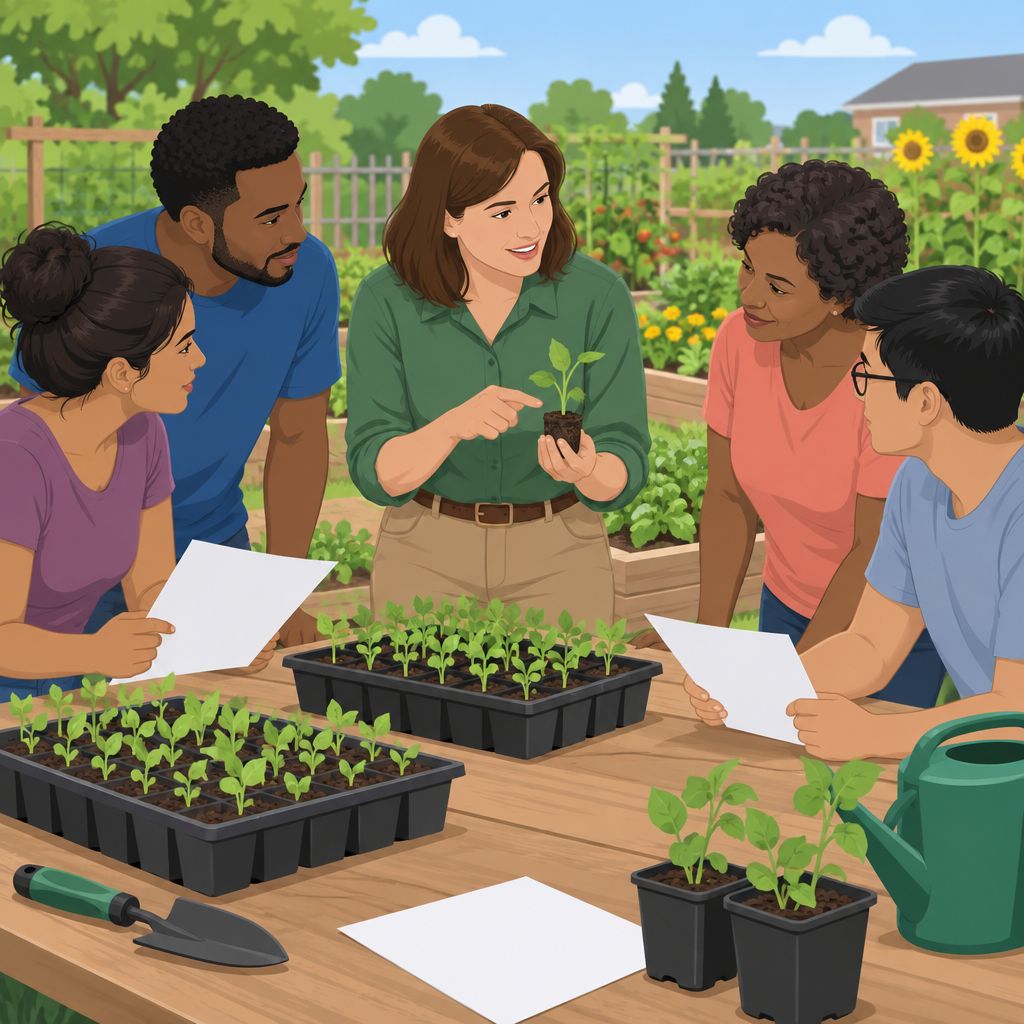
Impact of Community Events Hosted by Agricultural Educators
- Community events raise awareness about sustainable farming practices.
- Moreover, farmers use these gatherings to exchange ideas and share farming experiences.
- Participants can network with industry experts, researchers, and fellow farmers.
- Events also provide information about government policies, funding opportunities, and market trends.
- Consequently, these gatherings build camaraderie and solidarity within the agricultural community.
Fostering Relationships Within the Community
- Community events help agricultural educators build strong relationships within the farming community.
- These gatherings bring farmers together to discuss and collaborate on common issues.
- Furthermore, networking can lead to partnerships involving joint projects and shared resources.
- Relationships formed during events create support systems for farmers facing need or crisis.
- By encouraging cooperation, agricultural educators strengthen community well-being and resilience.
Uncover the Details: Extension Agents: Supporting Urban Agriculture
Agricultural Educators and Community Support
Agricultural educators provide resources and support that help community members learn agricultural practices.
Their guidance strengthens practical knowledge and encourages individuals to participate in sustainable farming.
As a result, communities can build skills that support healthier and more resilient food systems.
Educational Resources and Practical Support
Agricultural educators offer educational materials, tools, and equipment to improve understanding of agricultural practices.
Transform Your Career Today
Unlock a personalized career strategy that drives real results. Get tailored advice and a roadmap designed just for you.
Start NowThey also create hands-on learning opportunities that help community members apply new techniques.
Furthermore, these resources empower individuals to engage in sustainable farming practices.
Community Education and Food Security
Community education promotes food security by increasing awareness of efficient farming methods.
It helps people improve food production and reduce food insecurity.
Additionally, agricultural educators teach communities how to grow nutritious food sustainably.
Sustainable Food Production Practices
They explain crop rotation, soil health, and pest management as practical approaches to food production.
These lessons help individuals produce their own food and become more self-sufficient.
Therefore, agricultural educators support stronger communities through knowledge, resources, and sustainable practices.
Learn More: Biotechnology in Enhancing Livestock Health
Collaborating with Local Businesses and Government Agencies
Local businesses and government agencies help agricultural educators build strong community ties.
These partnerships also promote sustainable agriculture practices.
Together, stakeholders can strengthen relationships across the community.
Partnerships with Local Businesses
- Local businesses support agricultural education programs with resources, funding, and practical experience for students.
- Partnerships create internships, job shadowing, and hands-on learning opportunities for students.
- They also help educators understand industry trends and connect students with potential agricultural employers.
Collaborative Economic Development
- Collaborations promote agricultural innovation and entrepreneurship within the community.
- Additionally, stakeholders can address labor shortages, sustainability needs, and technological changes.
- These efforts support farmers and agribusinesses while creating jobs and improving productivity.
Influencing Agricultural Policies
- Agricultural educators advocate for sustainable agriculture, environmental conservation, and rural development policies.
- Through agency partnerships, they provide insights and data for policy decisions.
- Furthermore, their expertise can support policies that benefit farmers, consumers, and communities.
These collaborations strengthen community relationships and support agricultural economic development.
They also help stakeholders address challenges facing the agricultural industry.
As a result, communities can develop a more resilient and sustainable agricultural sector.
Explore Further: Role of Data Analytics in Precision Agriculture
Addressing Environmental Challenges
Agricultural educators help communities address environmental challenges.
They work with farmers, students, policymakers, and other stakeholders to promote sustainability and conservation.
Together, these efforts support informed decisions and responsible resource management.
- They provide instruction on sustainable farming methods.
- Demonstrations and field visits show the benefits of environmentally friendly practices.
- Research partnerships help educators track advancements in sustainable agriculture.
Benefits of Sustainable Farming Practices
Sustainable farming practices support agriculture’s long-term viability.
They also protect environmental resources and strengthen agricultural resilience.
Moreover, these methods promote healthier ecosystems and safer food production.
- Sustainable practices reduce soil erosion and water pollution.
- They conserve biodiversity and support ecosystem health.
- Reduced chemical use contributes to a healthier environment.
- Fewer synthetic inputs can support safer food production.
Community Conservation Efforts
Agricultural educators explain how unsustainable practices affect the environment.
They encourage individuals to make informed choices that support conservation.
Through education, communities can strengthen environmental stewardship and agricultural resilience.
- They partner with local organizations on conservation projects and initiatives.
- Community outreach programs encourage residents to practice environmental stewardship.
- Educators advocate for policies supporting conservation and sustainable agriculture.
Agricultural educators help communities respond to environmental challenges through knowledge and coordinated action.
Their guidance supports environmentally conscious and resilient agricultural systems.
Agricultural Educators Strengthen Sustainable Communities
Agricultural educators build community ties by teaching the public about sustainable agriculture practices.
They collaborate with local farmers, schools, and organizations to promote environmental stewardship and food security.
Therefore, communities should recognize and support agricultural educators as they strengthen relationships and foster a sustainable future.
By highlighting their contributions and advocating for their work, communities can build resilience through education and collaboration.
Additional Resources
Google search results for Agricultural Educators: Building Community Ties Agricultural
Bing search results for Agricultural Educators: Building Community Ties Agricultural


