




Introduction
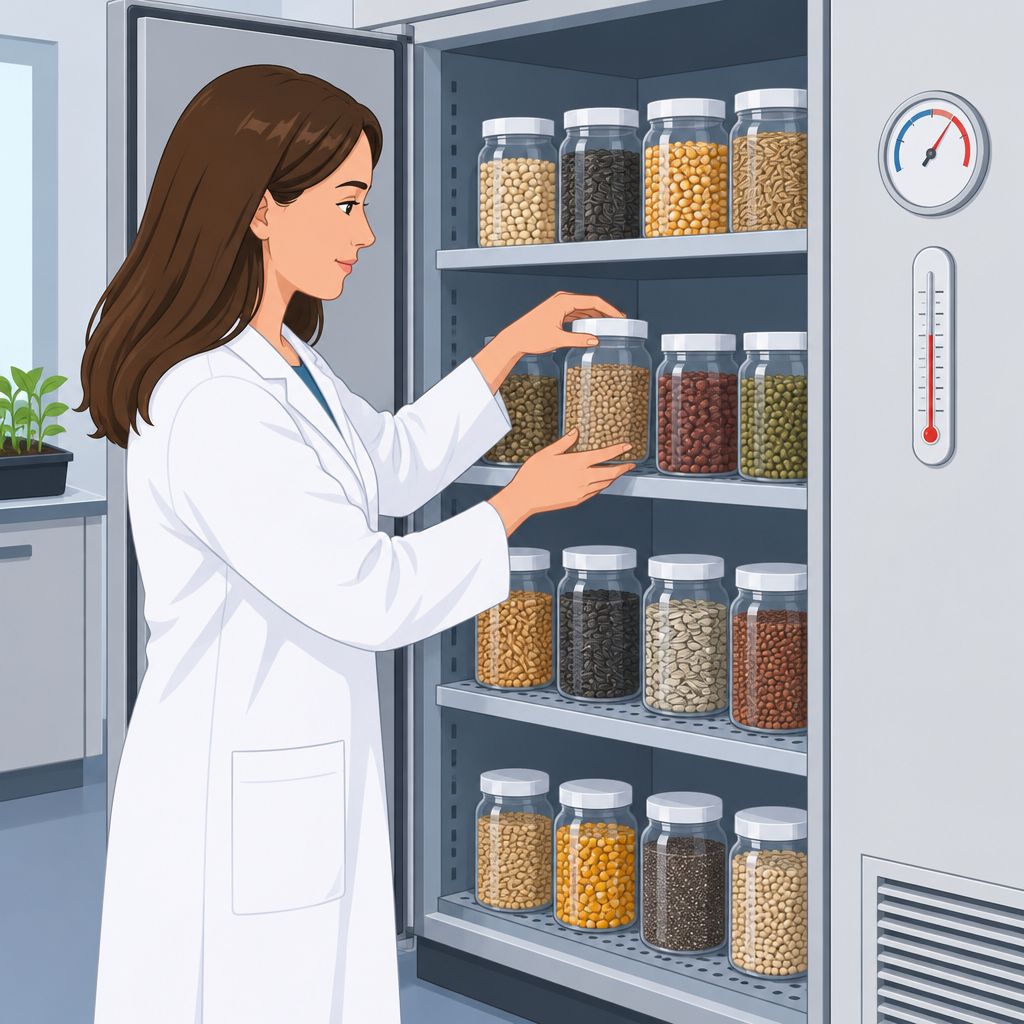
Seed storage conditions play a crucial role in preserving genetic diversity.
They also help ensure food security.
Temperature, humidity, and light exposure can affect seed germination and viability.
Temperature
- Temperature plays a crucial role in seed storage conditions.
- The optimal temperature range varies for different types of seeds.
- Consistent temperatures help prevent seed damage during storage.
Temperature’s Role in Seed Storage
Temperature strongly affects seed viability and longevity during storage.
Different seeds require specific temperatures for optimal storage conditions.
High temperatures can increase seed respiration rates.
This process quickly depletes stored food reserves and reduces seed viability.
Conversely, low temperatures slow seed metabolism but may cause freezing damage.
Optimal Temperature Ranges for Different Seeds
Seeds have different temperature preferences based on their natural habitats and genetic makeup.
For example, tropical seeds may need warmer storage temperatures than temperate-climate seeds.
Generally, a cool, dry environment suits most seeds.
Temperatures from 32 F to 50 F often support suitable storage conditions.
However, research each seed type’s requirements to determine its optimal storage temperature.
Importance of Consistent Storage Temperatures
Fluctuating temperatures can stress seeds and reduce their longevity.
Avoid sudden temperature changes because they can create condensation.
Condensation can encourage mold growth and damage stored seeds.
Stable temperatures within the recommended range help preserve seed quality and viability.
Therefore, consistency remains essential for successful seed storage.
Humidity and Seed Preservation
Humidity plays a crucial role in seed storage conditions.
It directly affects seed longevity and quality.
Ideal humidity levels usually range between 30-40% for seed preservation.
This range helps maintain suitable seed moisture content.
- High humidity can spoil seeds through mold and fungal growth.
- Excessive moisture can trigger premature germination and reduce seed viability.
- Additionally, high humidity can increase insect infestations in stored seeds.
Therefore, storage facilities must control humidity levels for optimal seed preservation.
Uncover the Details: The Role of Conservation Scientists in Disaster Response
Light Exposure
- Light exposure can lead to premature germination of seeds.
- Storing seeds in dark conditions helps maintain their dormancy.
- Exposing seeds to light for extended periods can reduce their viability.
Explore Further: Impact of Technology on Agricultural Labor Jobs
Air Circulation
Proper air circulation is crucial in seed storage facilities.
Poor air circulation can cause mold growth and seed deterioration.
Therefore, ventilation systems help maintain optimal seed storage conditions.
Significance of Proper Air Circulation
Proper airflow helps maintain consistent moisture conditions throughout storage areas.
This movement prevents moisture buildup, which can encourage mold and rot.
Additionally, airflow helps regulate temperatures within the storage facility.
It distributes heat evenly and prevents hot spots from damaging seeds.
Effects of Poor Air Circulation
When airflow remains inadequate, moisture pockets can form inside storage containers.
Consequently, these pockets create favorable conditions for mold, fungi, and bacteria.
Those pathogens can infect stored seeds, causing rot and making them unusable.
Over time, stagnant air can cause significant seed losses.
Importance of Ventilation Systems
Facility managers can prevent seed damage by investing in ventilation systems.
These systems help control moisture and reduce condensation.
Moreover, continuous airflow reduces the risk of mold growth.
Ventilation also maintains a more uniform temperature throughout the facility.
Transform Your Career Today
Unlock a personalized career strategy that drives real results. Get tailored advice and a roadmap designed just for you.
Start NowEffective airflow protects stored seeds from deterioration and mold growth.
Thus, suitable ventilation helps safeguard the seed stockpile.
Delve into the Subject: Workplace Rights for Agricultural Laborers
Pest Control in Seed Storage
- Pests can damage stored seeds by feeding on them or contaminating them.
- Consequently, infestations can reduce seed viability and germination rates.
- Proper pest control helps preserve stored seed quality and longevity.
- One key risk involves pests introducing fungal pathogens.
- Fungi thrive in the warm, humid conditions created by pest activity.
- As a result, mold growth can further compromise seed quality.
Methods of Pest Control
- Traps provide an effective way to monitor and reduce pest populations in storage facilities.
- For example, pheromone-baited traps attract and capture specific pests.
- Regularly monitoring traps supports early detection of pest activity.
- Storage managers also use insecticides or fumigants to control pests.
- These chemicals can eliminate or deter pests in storage areas.
- However, users must follow safety guidelines carefully when applying pesticides.
- Integrated pest management combines multiple strategies for effective pest control.
- These strategies may include physical barriers, sanitation, and biological control methods.
Find Out More: Introduction to the Role of a Viticulturist
Seed Packaging for Storage
- Proper packaging materials support effective seed storage.
- Airtight containers preserve seed viability by limiting moisture and oxygen exposure.
- Package labels provide traceability for stored seeds.
Proper packaging preserves seed quality and viability during storage.
Therefore, selecting suitable materials and containers supports seed longevity.
Airtight containers create sealed environments that block moisture and limit oxygen exposure.
This controlled atmosphere slows seed deterioration and fungal growth.
Consequently, airtight storage can extend seed shelf life.
Labeling supports easy identification when storage includes multiple varieties.
It also organizes seeds by species, age, or other relevant information.
Additionally, labels provide traceability for quality control and monitoring.
Record storage dates, seed sources, and applied treatments on each package.
These records help track seed history and assess viability over time.
Appropriate packaging, airtight containers, and accurate labels strengthen seed storage management.
High-quality packaging can significantly support successful seed storage efforts.
Monitoring and Maintenance
- Regular monitoring of seed storage conditions is crucial for ensuring seed viability.
- Additionally, periodic maintenance helps prevent equipment failure that could compromise seed quality.
- Moreover, a dedicated team can oversee storage facilities and ensure proper care and maintenance.
Seed Storage and Long-Term Agricultural Resilience
Careful seed storage protects traits that future growers may need.
Moreover, suitable conditions help seeds remain usable for longer periods.
Poor storage can lower germination and remove valuable characteristics.
Consequently, stable storage supports food availability during scarcity.
Excess moisture encourages mold and accelerates deterioration.
Meanwhile, temperature fluctuations hasten aging and reduce viability.
Therefore, dark areas help prevent light-triggered germination.
Protecting Future Food Production Through Storage
These practices preserve seed diversity and support future agriculture.
Storage managers can improve longevity by controlling moisture, temperature, and light.
Thus, dependable storage helps safeguard global food production.
Additional Resources
Google search results for Importance of Seed Storage Conditions Agricultural
Bing search results for Importance of Seed Storage Conditions Agricultural


