




Workplace Rights for Agricultural Laborers
Workplace rights help agricultural laborers receive fair treatment and safe working conditions.
Agricultural workers face long hours, low pay, and exposure to pesticides.
This section examines workplace rights and the challenges agricultural laborers experience.
Importance of Workplace Rights
Workplace rights protect agricultural laborers from exploitation and support their well-being.
These rights include fair wages, safe working conditions, and access to healthcare.
Without these protections, agricultural workers remain vulnerable to abuse and mistreatment.
Challenges Affecting Agricultural Workers
Agricultural laborers often work in remote locations with limited access to essential resources.
Some workers may lack documentation, which can make them fearful of reporting abuses.
Consequently, vulnerable workers face wage theft, unsafe conditions, and limited recourse.
Advocacy and Workplace Protections
Fair wages and safe working conditions support agricultural laborers’ health and well-being.
Advocacy can address workplace rights and protections for agricultural workers.
Government regulations and advocacy organizations can help ensure workplace rights for agricultural laborers.
- Workers need fair wages and safe working conditions.
- Missing workplace rights can harm workers’ health and well-being.
- Advocacy can promote better rights and protections for agricultural laborers.
- Government regulations and advocacy organizations can support workplace rights.
The Fair Labor Standards Act and Agricultural Employment
The FLSA establishes minimum wage, overtime, child labor, and recordkeeping standards for agricultural employment.
These rules help determine how employers must pay and document agricultural work.
However, specific agricultural exemptions can change which protections apply to certain employees.
Agricultural Exemptions Under the FLSA
Agricultural workers generally receive minimum wage and overtime protections under the FLSA.
However, employees performing hand harvest labor may qualify for exemptions from both requirements.
Employers must identify whether an exemption applies to each worker’s duties.
Examples of FLSA Protections
Maria picks fruits and vegetables on a farm and receives hourly pay.
She must receive at least the federal minimum wage for every hour worked.
If she works over 40 hours weekly, her employer must pay overtime at one and one-half times her regular rate.
Juan works on a farm during his summer school break.
The FLSA prohibits children under 16 from performing certain hazardous agricultural occupations.
The law also limits minors’ working hours during the school year and on school days.
Carlos travels between states while working on different farms as a migrant worker.
His agricultural employer must accurately record his hours worked.
These records help ensure that Carlos receives proper payment under applicable requirements.
Employer Responsibilities Under the FLSA
Agricultural employers must follow applicable wage, overtime, child labor, and recordkeeping requirements.
Accurate records help employers calculate wages and protect workers’ rights.
Following these standards supports fair treatment for agricultural laborers.
Agricultural workplace safety depends on clear standards and consistent prevention.
OSHA regulations address hazards that can affect agricultural laborers.
Employers must follow applicable requirements to support safer working conditions.
OSHA Standards for Agricultural Workplace Safety
OSHA standards address machinery safety, chemical exposure, and ergonomic risks.
These standards help employers identify and control hazards affecting agricultural workers.
Employers in agriculture must apply relevant OSHA requirements throughout the workplace.
- OSHA standards cover a broad range of agricultural safety and health concerns.
- These standards address hazards that agricultural workers may encounter during their duties.
- Common focus areas include machinery safety, chemical exposure, and ergonomic risks.
- Employers must comply with applicable OSHA standards to maintain safer workplaces.
Worker Rights and Safety Violation Reporting
Agricultural workers have the right to work without known hazards that threaten their safety.
Workers can report suspected safety violations to OSHA when workplace conditions appear unsafe.
Employers cannot retaliate against workers who report safety concerns or request OSHA action.
- Workers have the right to work in environments free from known safety hazards.
- Workers can file an OSHA complaint about unsafe workplace conditions.
- Workers can request an OSHA inspection to address reported safety concerns.
- Employers are prohibited from retaliating against workers who report violations.
Common Agricultural Hazards and Prevention Measures
Agricultural workers may face machinery accidents, chemical exposure, ergonomic injuries, and heat stress.
Transform Your Career Today
Unlock a personalized career strategy that drives real results. Get tailored advice and a roadmap designed just for you.
Start NowEmployers can reduce these risks through training, protective equipment, ergonomic practices, and heat precautions.
Workers need appropriate instruction and resources to perform tasks more safely.
- Machinery training and maintenance can help prevent equipment-related accidents.
- Chemical handling training and suitable personal protective equipment can reduce exposure risks.
- Ergonomic tools and practices can reduce injuries from repetitive motions.
- Shade, water, and rest breaks can help prevent heat-related illnesses.
Employers can strengthen agricultural safety by applying OSHA requirements and addressing workplace hazards promptly.
Workers can support prevention by learning their rights and reporting unsafe conditions.
These actions help agricultural workplaces protect worker health and reduce preventable risks.
See Related Content: Introduction to the Role of a Viticulturist
Protections Under the Migrant and Seasonal Agricultural Worker Protection Act
The Migrant and Seasonal Agricultural Worker Protection Act provides specific protections for agricultural workers.
It addresses wages, housing, transportation, and working conditions.
These rules help workers understand protections connected to their employment.
Key Provisions Affecting Agricultural Workers
The act addresses wages, housing, transportation, and working conditions.
Together, these provisions establish expectations for agricultural employment.
Workers can use this information to understand protections connected to their jobs.
- Employers must pay applicable minimum wages and promised benefits or bonuses.
- They must also provide accurate and timely wage statements.
- Employers providing housing must maintain clean, habitable conditions meeting health and safety standards.
- Employers must provide transportation or reimburse commuting costs.
- Employers must support safe workplaces and provide necessary equipment and tools.
Responsibilities of Contractors and Agricultural Employers
Farm labor contractors and agricultural employers carry distinct compliance responsibilities.
First, contractors must register with the Department of Labor before conducting labor contracting activities.
Employers must clearly explain employment terms and maintain accurate records.
- Farm labor contractors must register with the Department of Labor before operating.
- Employers must disclose wages, hours, and working conditions clearly.
- Employers must maintain records of hours, wages, and deductions.
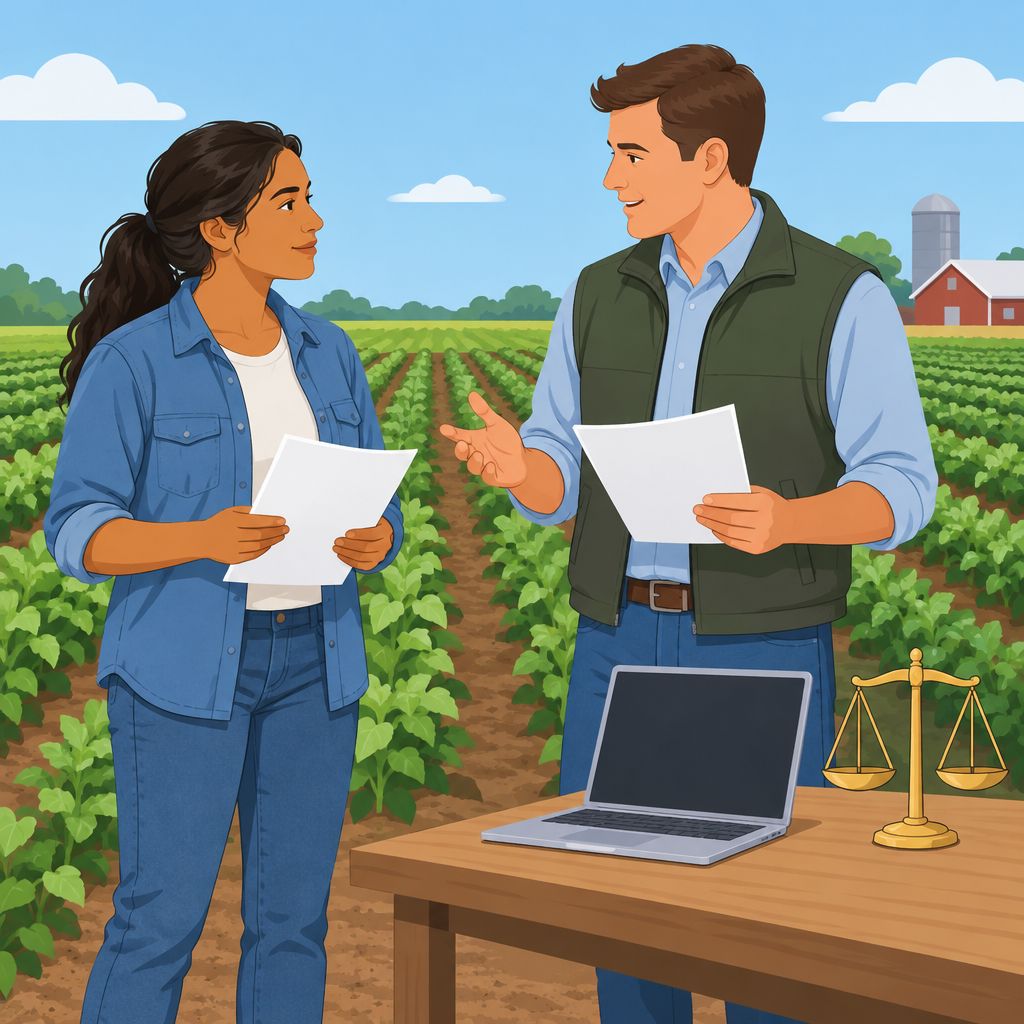
Filing Complaints and Seeking Assistance
Workers who suspect violations can report concerns and seek assistance.
The Wage and Hour Division can provide guidance and investigate reported violations.
Workers may also retain legal representation and cooperate with investigations.
- Workers can contact their local Wage and Hour Division office.
- They may retain legal representation during complaints or legal actions.
- Workers may provide information and participate in investigations.
How MSPA Protections Support Agricultural Workers
MSPA gives agricultural workers tools for addressing concerns about employment conditions.
Understanding employer duties can help workers recognize possible violations.
Workers can seek assistance when employers fail to meet applicable responsibilities.
You Might Also Like: Farm Manager Responsibilities and Daily Tasks
Discrimination and Harassment Protections for Agricultural Workers
Agricultural workers deserve fair and respectful treatment in every workplace.
Federal laws protect workers from discrimination and harassment based on protected characteristics.
These protections also support equal employment opportunities throughout the agricultural sector.
Federal Laws Prohibiting Discrimination
Several federal laws prohibit discrimination against agricultural workers.
For example, Title VII addresses discrimination based on race, sex, religion, and other protected characteristics.
Additionally, age and disability laws help agricultural employees pursue fair treatment and workplace opportunities.
- Title VII of the Civil Rights Act of 1964 prohibits certain forms of employment discrimination.
- The Age Discrimination in Employment Act protects eligible workers from age-based discrimination.
- The Americans with Disabilities Act addresses discrimination based on disability.
- These laws promote fair treatment and equal opportunities for agricultural employees.
Equal Employment Opportunity Commission Responsibilities
The Equal Employment Opportunity Commission enforces federal anti-discrimination laws in the agricultural sector.
Moreover, the agency investigates complaints involving discrimination and workplace harassment.
It also provides guidance and may file lawsuits when necessary.
- The EEOC investigates complaints from workers who report discrimination or harassment.
- The agency provides guidance to employers and employees about workplace protections.
- Its enforcement efforts seek to hold employers accountable for discriminatory practices.
Reporting Discrimination or Harassment
Agricultural workers can report discrimination or harassment that occurs in the workplace.
They can contact the EEOC or their state’s fair employment practices agency.
Workers should also document incidents, preserve evidence, and seek appropriate support.
- Workers can file complaints with the EEOC or a state fair employment practices agency.
- Incident records can help workers explain what happened and support their complaints.
- Advocacy organizations and legal resources may provide additional support.
- Reporting misconduct can help promote safer and more inclusive agricultural workplaces.
Learn More: Daily Routine of an Agricultural Equipment Operator
National Labor Relations Act and Agricultural Laborers
The NLRA protects many workers who organize, bargain collectively, or act together for mutual aid.
However, the NLRA generally excludes agricultural laborers from its coverage.
Therefore, agricultural workers may not receive NLRA protections for union organizing or concerted activities.
Obstacles to Agricultural Worker Organizing
Agricultural workers often face intimidation when they attempt to organize or seek collective representation.
Employers may threaten retaliation against workers who raise concerns or support organizing efforts.
Transform Your Career Today
Unlock a personalized career strategy that drives real results. Get tailored advice and a roadmap designed just for you.
Start NowThese challenges can make workers hesitant to assert available labor rights.
Resources for Union Organizing Support
The United Farm Workers provides support for agricultural workers pursuing organizing assistance.
The Farm Labor Organizing Committee also assists workers with union organizing efforts.
Legal aid clinics, pro bono lawyers, and community groups can provide additional guidance and support.
Delve into the Subject: Challenges Faced by Dairy Scientists Today
Paid sick leave and other benefits help agricultural laborers receive fair treatment and protect their well-being.
Federal and State Benefit Requirements
Both federal and state laws address benefits for agricultural laborers.
These laws require employers to provide paid sick leave, family and medical leave, and other benefits.
They aim to give workers essential support that protects their health and livelihoods.
Benefits of Paid Leave
Paid sick leave gives agricultural workers financial security during illness or personal emergencies.
Workers can take time off to recover without fearing lost income.
This support can reduce stress and promote a healthier balance between work and personal life.
Barriers to Accessing Paid Leave
Seasonal and migrant agricultural workers often face challenges when accessing paid leave.
Irregular schedules and limited awareness can make benefits harder to access.
Some employers may ignore legal requirements, leaving workers to choose between health and financial stability.
Supporting Worker Well-Being Through Benefits
Agricultural laborers need access to paid sick leave and other essential benefits.
These benefits support fair treatment and worker well-being.
They also promote a more equitable and supportive work environment.
Fair and Safe Conditions for Agricultural Laborers
Fair and safe working conditions protect agricultural laborers’ dignity, safety, and well-being.
These conditions also recognize the contributions agricultural workers make to society.
Therefore, agricultural laborers should understand their rights and advocate for respectful treatment.
Key Workplace Rights and Challenges
Agricultural laborers deserve fair wages, safe working conditions, and access to healthcare.
Furthermore, agricultural workers face challenges that require attention and effective advocacy.
Addressing these concerns can promote fairer treatment throughout the agricultural sector.
Ways Agricultural Workers Can Seek Support
Agricultural laborers should educate themselves about their workplace rights.
When mistreatment occurs, workers should speak up and seek assistance from advocacy groups.
By working together, agricultural workers can demand fair treatment in the workplace.
Shared Responsibility for Workplace Dignity
Fair and safe working conditions represent both basic rights and basic humanity.
Society must recognize agricultural workers’ contributions and uphold their dignity.
Ultimately, respectful workplaces support the safety and well-being of agricultural laborers.
Additional Resources
Google search results for Workplace Rights for Agricultural Laborers Agricultural
Bing search results for Workplace Rights for Agricultural Laborers Agricultural


