




Introduction
Role of Conservation Scientists in Disaster Response: Conservation scientists play a crucial role in disaster response by using expertise to protect ecosystems and wildlife during emergencies.
Importance of Their Work: During disasters, conservation scientists assess impacts on natural habitats.
They develop conservation plans and implement strategies to safeguard vulnerable species.
Responsibilities of Conservation Scientists in Disaster Response
- Conduct rapid assessments of ecosystems and wildlife
- Develop and implement conservation strategies to mitigate damage
- Collaborate with disaster response teams to prioritize conservation efforts
During disasters, conservation scientists assess damage to ecosystems and wildlife.
They gather data quickly to determine how events affect natural resources and animal populations.
This information helps them choose actions that limit further environmental harm.
Next, they develop conservation strategies to address damage and support ecosystem recovery.
These strategies can include habitat restoration plans and conservation measures for endangered species.
They also work to prevent additional destruction of natural resources.
Meanwhile, conservation scientists coordinate with emergency responders, government agencies, and conservation organizations.
This collaboration helps response teams prioritize conservation efforts and direct resources where they matter most.
Consequently, coordinated action can improve recovery for affected ecosystems and wildlife.
Their expertise supports biodiversity protection and the long-term health of the planet.
Challenges Faced by Conservation Scientists in Disaster Response
Conservation scientists encounter distinct obstacles during disaster response.
These obstacles can limit their ability to protect wildlife, ecosystems, and biodiversity.
Therefore, effective conservation work requires careful planning, adaptable strategies, and sustained support.
Limited Resources and Funding for Conservation Efforts
Conservation scientists often struggle to secure adequate resources and funding during disaster response.
Meanwhile, other emergency response organizations may compete for the same limited financial support.
Without sufficient resources, teams may find it harder to conduct research or provide necessary support.
- Limited funding can restrict conservation activities during disaster response.
- Resource shortages can hinder research and conservation strategy implementation.
- Competing emergency priorities can reduce available support for conservation efforts.
Restricted Access to Affected Areas
Safety concerns can prevent conservation scientists from reaching disaster-affected areas.
Unstable infrastructure, hazardous conditions, and restricted access can create serious barriers.
As a result, scientists may struggle to assess damage and apply necessary conservation measures.
- Unstable infrastructure can block access to affected locations.
- Hazardous conditions may place scientists and support teams at risk.
- Restricted access can delay damage assessments and conservation action.
Balancing Immediate Response with Long-Term Conservation Goals
Conservation scientists must balance urgent response needs with long-term conservation goals.
Immediately after a disaster, teams need to act quickly to protect wildlife and ecosystems.
However, habitat restoration and population rebuilding require sustained commitment and resources.
- Immediate action can help protect wildlife and ecosystems after disasters.
- Long-term conservation requires continued planning, funding, and commitment.
- Effective response strategies must address both urgent and lasting conservation needs.
Addressing these challenges can strengthen conservation efforts during future disasters.
Innovative solutions can help scientists protect biodiversity despite difficult conditions.
Find Out More: Impact of Technology on Agricultural Labor Jobs
Hurricane Katrina Wildlife Rescue
During Hurricane Katrina, conservation scientists rescued stranded wild animals.
They established temporary shelters and provided medical care for affected wildlife.
Consequently, wildlife recovered quickly after the disaster.
Australian Bushfire Wildlife Recovery
During the 2019-2020 bushfires, Australian conservation scientists rescued and rehabilitated injured wildlife.
Furthermore, their proactive efforts protected endangered species and supported habitat restoration.
This case study demonstrated the value of conservation planning during disaster preparation.
Deepwater Horizon Oil Spill Response
After the Deepwater Horizon oil spill in 2010, conservation scientists supported cleanup operations.
They monitored marine ecosystems and rehabilitated affected wildlife.
Additionally, the disaster emphasized proactive strategies for reducing future environmental damage.
Japanese Tsunami Ecosystem Restoration
Following the 2011 tsunami in Japan, conservation scientists helped restore damaged ecosystems.
They preserved critical habitats and protected vulnerable wildlife populations.
These efforts strengthened post-disaster recovery and ecosystem resilience.
Transform Your Career Today
Unlock a personalized career strategy that drives real results. Get tailored advice and a roadmap designed just for you.
Start NowCalifornia Wildfire Conservation Efforts
During the 2020 California wildfires, conservation scientists rescued and relocated threatened species.
Moreover, coordinated actions reduced biodiversity loss and supported ecosystem resilience.
This example showed how proactive conservation measures can improve disaster response.
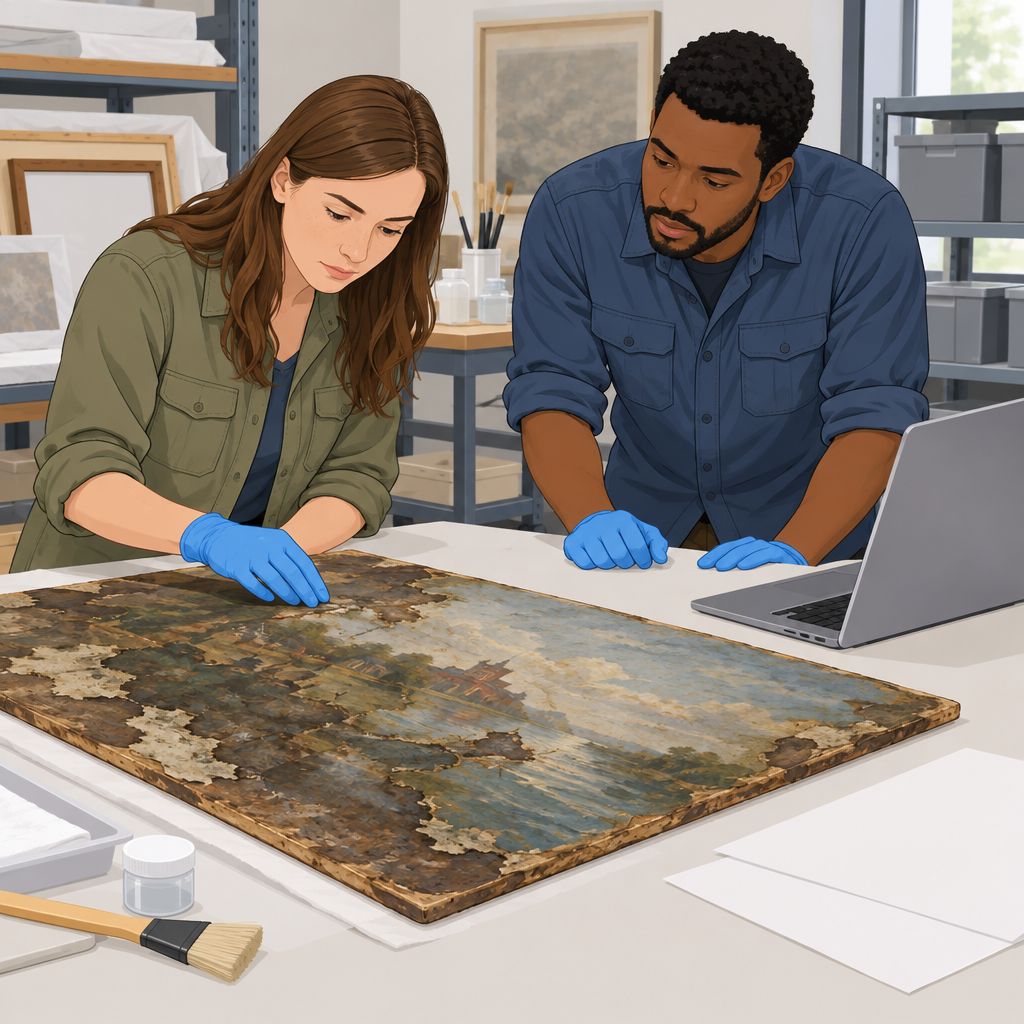
Conservation Contributions to Disaster Recovery
These disasters demonstrate conservation scientists’ essential role in wildlife protection and ecosystem recovery.
Their expertise and dedication saved wildlife while supporting damaged ecosystems.
Therefore, proactive conservation planning remains important for reducing disaster impacts.
Delve into the Subject: Workplace Rights for Agricultural Laborers
Collaboration with Local Communities in Disaster Response
During times of crisis, conservation scientists must work closely with local communities to support effective disaster response and recovery.
Therefore, conservation scientists can use local knowledge and skills to protect the environment and wildlife after disasters.
This partnership helps communities and scientists address environmental damage through coordinated conservation efforts.
Community Participation in Disaster Conservation
Local communities often become first responders during crises and can report environmental damage quickly.
Moreover, residents provide valuable observations about affected habitats and wildlife.
Conservation scientists can work with communities to identify areas needing immediate attention.
Together, they can develop strategies that protect vulnerable species and habitats.
This cooperation directs resources toward the areas requiring the greatest conservation support.
Partnerships with Indigenous Groups
Indigenous groups possess deep environmental understanding and traditional knowledge valuable during disaster recovery.
By partnering with these communities, scientists can develop strategies grounded in local experience.
Furthermore, Indigenous communities often maintain sustainable practices passed through generations.
These practices can support ecosystem restoration and biodiversity protection after disasters.
Respecting traditional knowledge also helps scientists design culturally sensitive recovery efforts.
Community Stewardship After Disasters
After a disaster, local communities can take ownership of their environment and natural resources.
This responsibility can encourage lasting commitment to environmental protection.
Conservation scientists can provide training and resources for sustainable practices.
They can also support community-led conservation initiatives after immediate emergencies end.
Consequently, empowered communities can strengthen environmental resilience before future disasters occur.
Collaboration with local communities strengthens disaster response and environmental protection.
Engaging residents, partnering with Indigenous groups, and supporting stewardship can safeguard environments during crises.
This shared approach supports long-term sustainability and resilience during future disasters.
Discover More: Introduction to the Role of a Viticulturist
Research and Innovation in Conservation Science for Disaster Response
Conservation scientists use advanced technologies and tools during disaster response.
These resources help them mitigate natural calamities’ effects on ecosystems.
Furthermore, research and innovation strengthen conservation efforts during emergencies.
Technologies and Tools for Ecosystem Monitoring
Satellite imagery and Geographic Information Systems help scientists monitor ecosystem changes.
These technologies provide real-time data for identifying areas at risk.
Consequently, scientists can plan effective conservation strategies using current environmental information.
Meanwhile, conservation drones help scientists survey remote and inaccessible areas.
Scientists can equip these drones with sensors that collect environmental data.
The collected information can describe wildlife populations and habitat conditions.
Research Improving Disaster Response Strategies
Ongoing research develops early warning systems for wildfires, hurricanes, and floods.
Scientists analyze historical data and patterns to predict potential disaster locations and timing.
Transform Your Career Today
Unlock a personalized career strategy that drives real results. Get tailored advice and a roadmap designed just for you.
Start NowThese predictions allow conservation teams to take proactive measures.
Additionally, researchers study ways to improve ecosystem resilience against disasters.
They examine biodiversity’s role in maintaining ecosystem stability.
Researchers also implement habitat restoration projects and create protective buffer zones.
Innovation Supporting Emergency Conservation Efforts
Innovation enables conservationists to respond quickly and effectively during emergencies.
For example, mobile apps and online platforms support rescue operation coordination.
These platforms also help teams share information and assist affected communities in real time.
Moreover, artificial intelligence and machine learning process large datasets quickly and accurately.
These tools help scientists identify ecosystem trends, patterns, and potential risks.
As a result, conservation teams can make better decisions during disaster response.
Learn More: Farm Manager Responsibilities and Daily Tasks
Training and Capacity Building for Conservation Scientists in Disaster Response
Training programs play a crucial role in preparing conservation scientists for disaster response.
They equip conservation scientists with essential skills and knowledge for emergency situations.
These programs address disaster management, risk assessment, and emergency response protocols.
Training Programs Available for Conservation Scientists
Various organizations and institutions offer programs specifically for conservation scientists.
These programs cover natural disaster preparedness, wildlife rescue, and ecosystem restoration.
They also support community resilience building during and after disasters.
Capacity Building for Effective Disaster Response
Capacity building strengthens the skills, knowledge, and resources supporting conservation work.
It improves the effectiveness of disaster response efforts led by conservation scientists.
Consequently, conservation scientists can respond faster while reducing damage to biodiversity and ecosystems.
Successful Training Initiatives in Conservation Science
Several conservation science initiatives have produced positive results in disaster response.
One example is the IUCN Capacity Development for Disaster Risk Reduction Program.
Another example is the Wildlife Conservation Society Disaster Preparedness Training Program.
- The IUCN program provides conservation scientists with training and resources for natural disaster response.
- Participants study risk assessment, early warning systems, emergency planning, and post-disaster recovery strategies.
- The WCS program prepares conservation professionals to manage wildlife emergencies during hurricanes, wildfires, and oil spills.
Conservation Efforts Support Environmental Resilience
Conservation scientists provide essential expertise that protects ecosystems and wildlife during disaster response.
Their rapid actions and knowledge help reduce environmental damage after natural disasters.
Therefore, their work supports biodiversity and the planet’s long-term sustainability.
Without these efforts, disasters could leave ecosystems more vulnerable to lasting harm.
Moreover, continued investment in emergency conservation strengthens ecosystem and wildlife resilience.
By prioritizing conservation, we can protect nature for future generations.
These efforts also help maintain a healthy balance between humans and nature.
Additional Resources
Google search results for The Role of Conservation Scientists in Disaster Response Agricultural
Bing search results for The Role of Conservation Scientists in Disaster Response Agricultural


