




Public Outreach in Entomology
Public outreach plays a crucial role in entomology.
Entomologists educate communities about insects.
This education increases awareness and understanding of insects.
It also fosters appreciation for insect biodiversity and promotes sustainable practices.
Entomologists and Insect Science
Entomologists specialize in studying insects and their relationships with surrounding environments.
They identify insect species and examine their behavior, habitats, and life cycles.
Their expertise includes insect physiology, ecology, and environmental interactions.
Community Benefits of Entomological Knowledge
Entomologists apply scientific knowledge to agriculture, public health, conservation, and environmental assessment.
They develop practical strategies that address insect-related challenges while supporting environmental sustainability.
Additionally, their research helps communities understand insects’ roles within healthy ecosystems.
- Pest Management: Entomologists develop sustainable pest-control strategies for agriculture, urban areas, and public health.
- Biodiversity Conservation: They monitor insect populations and help protect pollinators, decomposers, and other valuable species.
- Health and Medicine: Their research examines mosquitoes, ticks, malaria, dengue fever, and Lyme disease transmission.
- Environmental Monitoring: Entomologists use insects as bioindicators of pollution, habitat destruction, and climate change.
- Scientific Understanding: Their findings clarify insect biology and reveal changes affecting ecosystem health.
These activities connect scientific research with practical needs affecting communities and natural environments.
Consequently, entomological expertise supports safer health practices, stronger conservation efforts, and responsible pest management.
It also provides valuable evidence about ecosystem changes and environmental sustainability.
Importance of Educating the Public About Insects
Insects support pollination, pest control, and decomposition, making them essential to healthy ecosystems.
Public education about insects builds awareness of their roles in food production and biodiversity.
As people understand insects, they better appreciate these creatures’ importance in balanced ecosystems.
How Insects Support Ecosystems
Insects pollinate plants, helping them reproduce and produce fruits and seeds.
Additionally, ladybugs and praying mantises control pests by eating harmful insects.
Insects also decompose organic matter and return nutrients to the soil.
Misconceptions and Fear Surrounding Insects
Many people view insects only as pests or disease carriers, despite their benefits.
Moreover, entomophobia can cause people to harm beneficial species unnecessarily.
Education can correct misconceptions and encourage a more positive view of these important creatures.
Learn More: Case Studies of Effective Food Safety Interventions
Methods of Public Outreach Used by Entomologists
Entomologists use various methods to engage the public and teach people about insects.
Common methods include school programs, community activities, social media, and online resources.
These approaches help entomologists share insect knowledge with diverse audiences.
Educational Programs in Schools and Community Centers
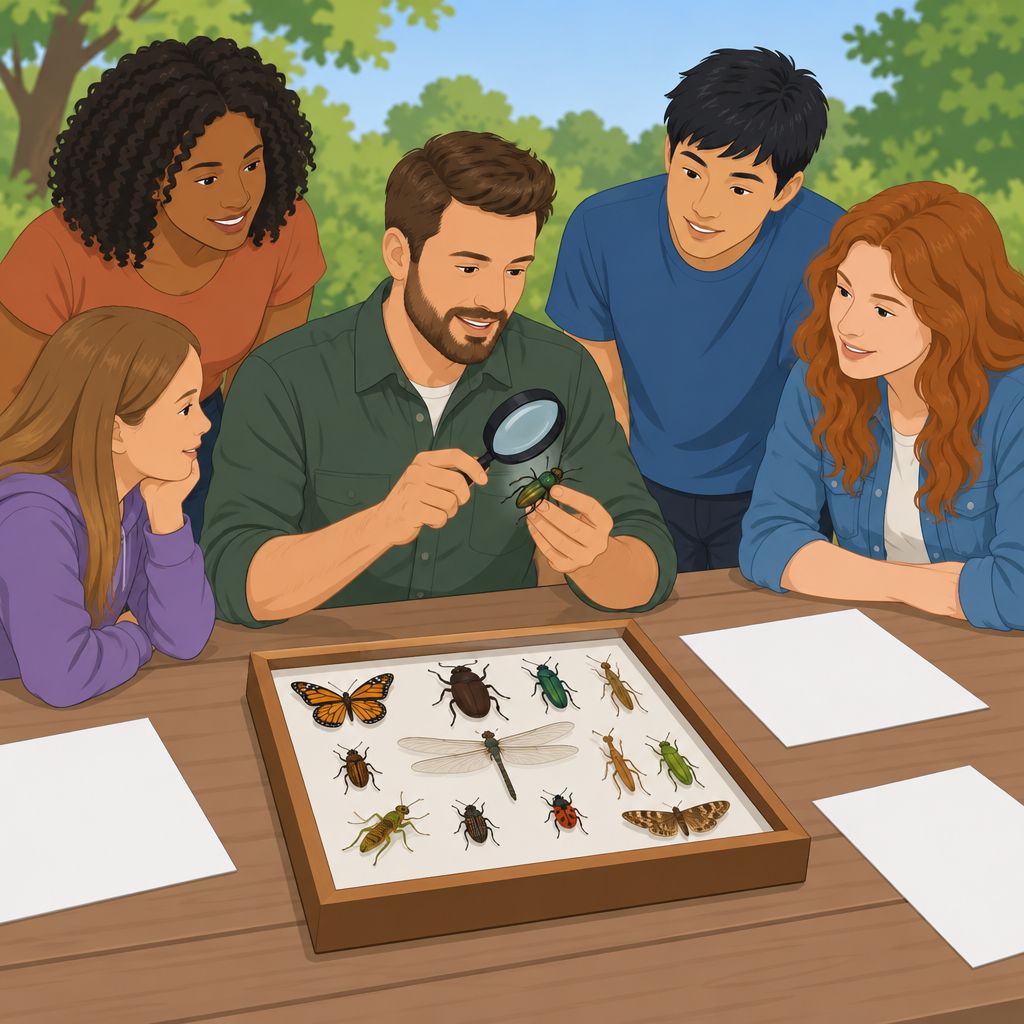
Entomologists often visit schools and community centers to conduct interactive educational programs.
These programs give students and community members hands-on opportunities to learn about insects.
Activities may include insect identification, habitat exploration, and insect-themed games.
By using engaging activities, entomologists increase awareness and appreciation for insects.
Additionally, these programs correct misconceptions and highlight insects’ importance within ecosystems.
Social Media and Online Educational Platforms
Entomologists also use social media and online platforms to reach broader audiences.
Platforms such as Twitter, Facebook, and Instagram support educational content sharing.
Through these platforms, entomologists publish insect images, videos, and educational information.
They also create blogs, websites, and podcasts that provide detailed insect information.
These resources discuss insect species, habitats, and ecological roles.
Furthermore, online materials help people learn when they cannot attend in-person programs.
Social media and online platforms connect entomologists with students, educators, and the general public.
They also help entomologists engage people from diverse backgrounds and geographical locations.
As a result, these platforms make insect education more accessible and inclusive.
Transform Your Career Today
Unlock a personalized career strategy that drives real results. Get tailored advice and a roadmap designed just for you.
Start NowTogether, these outreach methods strengthen public awareness and appreciation for insects.
They also help communities recognize insects’ importance within ecosystems.
Uncover the Details: Emerging Trends in Agricultural Economics
Benefits of Entomologists Educating the Community
Community education helps people understand how insects contribute to ecosystems.
It also encourages appreciation for the beauty and diversity of insect species.
Moreover, accurate knowledge supports sustainable pest management.
- People gain a stronger understanding of insects’ importance in ecosystems.
- Communities develop greater appreciation for insect beauty and diversity.
- Residents improve their ability to identify and manage pest insects sustainably.
Education That Dispels Myths and Fear of Insects
Clear explanations help people replace inaccurate beliefs with reliable information.
Learning about insect benefits can make these animals seem less threatening.
Hands-on experiences can also help people become more comfortable around insects.
- Accurate information explains insect behavior and corrects common misunderstandings.
- Examples of beneficial insect roles show how insects support daily life.
- Hands-on experiences help people overcome their fear of insects.
Public Outreach and Insect Conservation
Public outreach helps communities recognize the need to conserve insects.
Citizen science gives community members opportunities to monitor insect populations.
Sustainable practices can protect insect diversity and preserve suitable habitats.
- Outreach raises awareness about the importance of insect conservation.
- Citizen science projects engage community members in monitoring insect populations.
- Sustainable practices support insect diversity and habitat preservation.
Gain More Insights: Agricultural Economics: Understanding Commodity Markets
Success Stories of Entomologists Engaging in Public Outreach
Entomologists connect with residents through practical activities that make insect science easier to explore.
They create opportunities for direct observation, questions, and shared learning.
These efforts also bring insect topics into familiar community spaces.
- Bug fairs and insect exhibits introduce the public to diverse insect species.
- Educational workshops help students and teachers identify insects and discuss conservation.
- Science fairs, nature walks, and environmental festivals encourage community participation.
- School and library presentations explain insect roles in agriculture and environmental systems.
Community Events, Workshops, and Presentations Led by Entomologists
Entomologists use hands-on events to help participants observe insects in engaging ways.
Participants can practice photography, explore habitats, and examine nearby insect diversity.
Meanwhile, children and adults gain opportunities to ask questions during shared outdoor experiences.
- Insect photography workshops teach participants to capture insects in their natural habitats.
- Butterfly release events highlight pollinator conservation and related community efforts.
- Bug hunting expeditions help children recognize insects in their local environment.
- Guided nature walks reveal insect diversity and habitat relationships in parks or reserves.
Positive Impacts on the Community
These outreach activities help community members notice insects and understand their place within ecosystems.
They also encourage curiosity, respect for insect habitats, and continued learning.
As a result, participants may support conservation and adopt more sustainable practices.
- Community members develop greater appreciation for insects and biodiversity.
- People of different ages discover new interests in entomology.
- Participants gain encouragement to protect insects and their ecosystems.
- Shared activities strengthen connections with nature and encourage further learning.
Explore Further: Famous Vineyards and Their Viticulturists
Challenges in Public Outreach
- Many people find insects unappealing or frightening, which makes entomology difficult to present.
- Additionally, misconceptions about insects being dirty or disease carriers can hinder educational efforts.
- Some community members also question the relevance and importance of learning about insects.
Common Misconceptions About Insects
- Fear often prevents people from learning about insects because many individuals naturally avoid bugs.
- Furthermore, cultural beliefs can create negative associations with insects and discourage public interest.
- People may also resist learning when they lack positive experiences with insects.
Strategies for Improving Public Engagement
- Entomologists can highlight pollination and pest control to present insects more positively.
- Hands-on activities, such as bug hunts and insect identification, make learning more approachable.
- Education campaigns through workshops, presentations, and social media can dispel myths and increase interest.
Community Support for Insect Conservation
Entomologists help communities recognize insects as important parts of healthy ecosystems.
They correct misunderstandings and encourage people to protect insect populations.
Consequently, their guidance can strengthen appreciation for insects and support biodiversity.
Ways to Sustain Community Engagement
Community members can support entomologists by attending workshops and presentations.
They can also use educational materials to expand their understanding of insect conservation.
By participating actively, people can help maintain attention on insect protection.
Shared Responsibility for Biodiversity
Entomologists share their knowledge and passion through accessible educational activities.
Meanwhile, community participation helps extend the reach of their conservation message.
Together, educators and residents can encourage a sustainable future for the planet.
Additional Resources
Google search results for Public Outreach: Entomologists Educating the Community Agricultural
Bing search results for Public Outreach: Entomologists Educating the Community Agricultural


