




Foundations of Agricultural Economics
Agricultural economics examines how people use resources to produce and distribute food and fiber.
The field analyzes markets, policies, and behavior within the agricultural sector.
These analyses help stakeholders understand and improve agricultural economic performance.
Benefits of Following Emerging Trends
Farmers, policymakers, and industry stakeholders benefit from understanding developments in agricultural economics.
Furthermore, emerging trends can support efficiency, competitiveness, sustainability, and resilience across the agricultural sector.
Consequently, informed decisions can encourage innovation and support the industry’s sustainable future.
- New technologies can help farmers increase efficiency and productivity.
- Consumer trends help farmers tailor products to market demands and remain competitive.
- Sustainable practices can help farmers preserve the environment for future generations.
- Current developments help policymakers create effective agricultural policies.
- Global market awareness helps farmers compete in international markets.
- Adapting to emerging trends helps farmers respond to economic and environmental challenges.
- Embracing innovation can support agricultural growth and long-term sustainability.
Emerging Trends in Agricultural Economics
Technology has revolutionized agriculture in recent years.
This adoption has increased efficiency and productivity.
It has also supported greater sustainability across farming operations.
Benefits of Using Technology in Farming
Farmers use technology to streamline operations and manage resources more effectively.
Data-driven decisions and automated processes can improve yields and reduce losses.
Consequently, technology can help farmers lower costs and maximize profits.
- Technology improves efficiency by helping farmers save time and resources.
- Automated processes and data-driven decisions can produce higher yields.
- Technology supports sustainability by reducing waste and environmental impact.
- Precision agriculture targets specific areas for irrigation, fertilization, and pest control.
- Optimized inputs and reduced losses help farmers cut costs and maximize profits.
Examples of Technology Used in Agriculture
Drones, GPS, and artificial intelligence provide practical tools for modern farming.
These technologies help farmers monitor crops, manage inputs, and analyze agricultural data.
As a result, farmers can target field activities with greater precision.
- Drones support crop monitoring, mapping, and pesticide spraying.
- GPS helps farmers plant seeds, apply fertilizers, and track machinery precisely.
- Artificial intelligence analyzes data to predict yields, detect diseases, and optimize farming practices.
Technology adoption helps modernize agriculture and support food security for a growing global population.
Sustainable agriculture practices support future food production and environmental preservation.
Farmers adopt these practices to protect long-term agricultural viability.
Importance of Sustainability in Agriculture
Sustainability helps agriculture preserve natural resources.
It also reduces environmental impact and improves soil quality.
Moreover, sustainable practices help secure food supplies for future generations.
- Preservation of natural resources
- Reduction of environmental impact
- Enhancement of soil quality
- Ensuring food security for future generations
Sustainable agriculture balances present needs with future generations’ ability to meet their own needs.
Trends in Sustainable Farming Methods
Farmers increasingly use sustainable methods to strengthen agricultural resilience.
Organic farming uses natural inputs and practices instead of synthetic chemicals.
Regenerative agriculture restores soil health and ecosystem biodiversity.
- Organic farming
- Regenerative agriculture
Organic farming promotes soil health and biodiversity.
Regenerative agriculture goes beyond sustainability by emphasizing land restoration.
It aims to improve the land that farming operations use.
Both methods attract farmers and consumers concerned about conventional farming practices.
They address environmental and health impacts associated with those practices.
By adopting these methods, farmers can support a more resilient agricultural system.
This system can meet growing population demands while preserving the environment.
Gain More Insights: Agricultural Economics: Understanding Commodity Markets
Globalization and Trade in Agriculture
Global markets increasingly shape agricultural production, distribution, and consumption worldwide.
Globalization creates opportunities and challenges for farmers, producers, exporters, and consumers.
These connections influence competition, market access, prices, and agricultural innovation.
Effects of Global Markets on Agricultural Economics
Global markets increase competition among agricultural producers and exporters.
Farmers must improve production methods and respond to changing international market conditions.
Meanwhile, producers gain access to broader markets for agricultural products.
- Producers and exporters face stronger international competition.
- Farmers can reach a wider range of agricultural markets.
- Global supply and demand can create significant price volatility.
- Regional innovations can improve efficiency, sustainability, and productivity.
Price Volatility and Agricultural Innovation
Supply and demand dynamics can cause agricultural prices to fluctuate.
Transform Your Career Today
Unlock a personalized career strategy that drives real results. Get tailored advice and a roadmap designed just for you.
Start NowWeather conditions, geopolitical events, and consumer preferences can influence product prices.
Consequently, price changes can affect farm profitability and production decisions.
Globalization also encourages regions to share agricultural technologies and production practices.
This exchange can support greater efficiency and productivity across the agricultural sector.
Emerging Trends in Agricultural Trade Agreements
International trade agreements continue to reshape agricultural economics.
Many countries increasingly pursue bilateral and regional agreements.
These agreements can strengthen economic ties and facilitate agricultural trade.
- Bilateral and regional agreements are becoming more prominent.
- Negotiators increasingly seek to reduce agricultural tariffs and trade barriers.
- Agreements increasingly include environmental and sustainability standards.
- Trade provisions increasingly protect agricultural intellectual property rights.
Market Access and Agricultural Standards
Reduced tariffs can help farmers enter foreign markets and expand their customer base.
Free trade can create new opportunities and support agricultural sector growth.
However, exporters may need to satisfy environmental, animal welfare, and labor requirements.
Trade agreements may also protect patents, trademarks, and other agricultural innovations.
These provisions influence how producers develop and share new agricultural technologies.
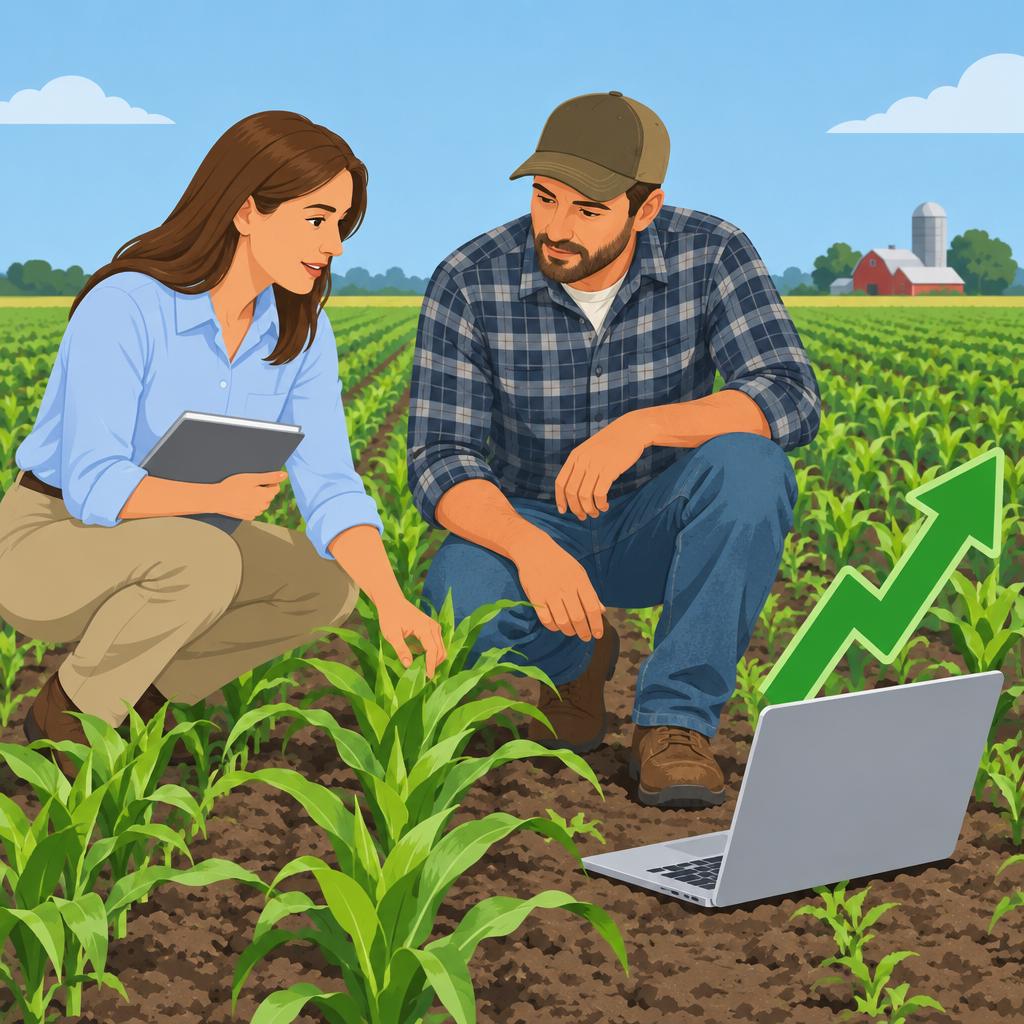
Global Implications for Agriculture
Global trade affects the future of food production, consumption, and agricultural sustainability.
Farmers and producers must balance international opportunities with market uncertainty.
As trade relationships evolve, agricultural economics will remain closely connected to global markets.
See Related Content: Famous Vineyards and Their Viticulturists
Climate Change and Agricultural Production
Climate change directly affects agriculture, crop yields, and livestock production.
Farmers worldwide now experience changing weather patterns, temperature extremes, and unpredictable rainfall.
These conditions require farmers to adjust their production methods and management decisions.
Weather and Resource Pressures
Changing climate conditions create several challenges for farming operations.
In particular, droughts, shifting seasons, pests, diseases, and soil degradation threaten agricultural productivity.
Therefore, farmers must adapt their practices to manage increasingly uncertain environmental conditions.
- More frequent and intense droughts reduce available water for agricultural production.
- Changing weather patterns disrupt traditional planting seasons and require schedule adjustments.
- Rising temperatures encourage pests and diseases to thrive, increasing crop damage.
- Climate change contributes to erosion, declining soil fertility, and salinization.
Climate-Smart Agricultural Practices
Climate-smart agriculture combines sustainable practices, technology, resilient crops, and improved water management.
These approaches help farmers respond to environmental pressures while improving resource efficiency.
Additionally, agroecology strengthens biodiversity, soil health, and resilience within farming systems.
- Conservation agriculture, agroforestry, and crop rotation help build resilient farming systems.
- Precision agriculture uses drones, sensors, and GPS to optimize farm inputs and practices.
- Climate-resilient crop varieties can tolerate drought, heat, and pests.
- Drip irrigation, rainwater harvesting, and efficient irrigation conserve water resources.
- Agroecology integrates ecological principles to support biodiversity, soil health, and resilience.
Resilient Food Systems for the Future
Farmers can reduce climate-related risks by combining innovative technologies with sustainable farming practices.
Water conservation, resilient crops, and ecological management can strengthen agricultural systems.
Policy support also helps farmers adopt climate-smart methods and build resilient food systems.
Delve into the Subject: How to Start Your Career as an Agronomy Consultant
Shift Toward Data-Driven Decision Making
Agriculture now changes rapidly, so data-driven decision-making matters to farmers and policymakers.
Traditional agricultural economics increasingly gives way to approaches that use accurate, timely information.
Consequently, stakeholders can use evidence to guide important choices across the agricultural sector.
Importance of Data in Agricultural Economics
Data helps shape future agricultural economic decisions.
By using data, farmers and policymakers can examine market trends, consumer behavior, and climate patterns.
These insights support informed choices that optimize productivity, reduce risks, and strengthen agricultural sustainability.
Data Analytics and Precision Agriculture in Decision Making
Data analytics and precision agriculture now transform agricultural decision-making.
First, data analytics helps farmers examine large datasets and identify useful patterns.
These patterns can improve crop yields, lower input costs, and increase operational efficiency.
Meanwhile, precision agriculture uses GPS, drones, and sensors to collect highly localized information.
Farmers can then make site-specific decisions about irrigation, fertilization, and pest management.
Transform Your Career Today
Unlock a personalized career strategy that drives real results. Get tailored advice and a roadmap designed just for you.
Start NowAs a result, they can maximize land potential while limiting environmental impacts.
This shift will continue influencing agricultural economics as technology advances.
By embracing analytics and precision agriculture, stakeholders can pursue growth, sustainability, and innovation.
Therefore, farmers and policymakers must adapt and use data-driven solutions to support future success.
You Might Also Like: Educational Pathways for Aspiring Environmental Scientists
Global Food Security Pressures
Food security has become a pressing concern in agricultural economics.
Population growth will increase demand for food.
The global population may reach 9.7 billion by 2050.
- Population growth increases food demand as global population may reach 9.7 billion by 2050.
- Meanwhile, erratic weather patterns and natural disasters threaten crop yields and food production.
- Additionally, land degradation, water scarcity, and dwindling resources constrain agriculture.
- Finally, unequal access to food and resources worsens insecurity for vulnerable populations.
Agricultural Economics Responses to Food Security
Agricultural economics offers several approaches to food security.
These approaches connect production, markets, policies, and farmer capabilities.
Together, they can support a more food-secure future for all.
- Sustainable agriculture promotes environmentally friendly farming practices for long-term food production.
- Precision agriculture and drones can improve crop yields through technology adoption.
- Stronger market linkages can give farmers fair prices and sales access.
- Supportive policies can prioritize food security and sustainable agricultural practices.
- Capacity building can develop skills and knowledge among farmers and agricultural stakeholders.
Integrated Strategies for Food Security
Food security requires a multifaceted approach across agricultural systems.
For example, sustainable practices, technology, and market access address different pressures.
Moreover, policy interventions and capacity building can reinforce these efforts.
Strategic Adaptation in Agricultural Economics
Staying informed about emerging trends in agricultural economics helps farmers and stakeholders remain competitive.
By tracking recent developments, they can make informed decisions that improve efficiency and profitability.
Furthermore, readers should continue learning and adapting within agricultural economics.
Continuous education and awareness of technologies and market trends support long-term success and sustainability.
Additional Resources
Google search results for Emerging Trends in Agricultural Economics Agricultural
Bing search results for Emerging Trends in Agricultural Economics Agricultural


