




Introduction
Water management is crucial in horticulture to ensure healthy plant growth.
However, horticulturists face challenges such as overwatering, underwatering, and soil erosion.
Therefore, effective water management helps address these horticultural challenges.
Understanding Plant Water Requirements
Plants require different amounts of water according to their species, size, and growth stage.
Some plants thrive in dry conditions, while others need constant moisture for healthy growth.
Therefore, horticulturists must identify each plant’s needs before establishing care practices.
- Diverse water requirements: Succulents such as cacti need much less water than tropical plants.
- Observe foliage for wilting or discoloration, which may indicate dehydration.
- Check the soil’s top layer because dry soil may signal that watering is needed.
- Use a moisture meter to measure soil moisture and adjust watering accordingly.
- Research each plant species to determine its specific water requirements.
Effective Watering Techniques
A suitable watering schedule supports plant growth while preventing unnecessary water use.
Adjust watering frequency according to seasonal changes, plant growth, and environmental conditions.
Furthermore, targeted watering delivers moisture efficiently and helps protect plant health.
- Watering frequency: Water plants more often during active growth and less often during dormancy.
- Consider humidity, temperature, and sunlight exposure when setting watering intervals.
- Avoid overwatering because excess moisture can cause root rot and related problems.
- Watering methods: Apply water at the plant’s base to reach the roots directly.
- Use drip irrigation or soaker hoses for efficient, targeted watering.
- Avoid overhead watering because it can promote disease and increase evaporation.
- Apply mulch around plants to retain soil moisture and reduce watering frequency.
Water Conservation in Horticulture
Water conservation practices reduce consumption while supporting healthy plant development.
Rainwater collection provides an additional water source for garden irrigation.
Likewise, xeriscaping combines suitable plants, efficient irrigation, and moisture-retaining materials.
- Rainwater collection: Install rain barrels or cisterns to capture water for later use.
- Use gutters to direct roof runoff into storage containers.
- Rainwater contains no added chemicals, making it suitable for plant irrigation.
- Using collected rainwater can reduce garden water costs and environmental impact.
- Xeriscaping techniques: Choose drought-tolerant plants that need little water after establishment.
- Group plants with similar water needs into efficient irrigation zones.
- Use organic mulch to retain soil moisture and reduce watering frequency.
- Install water-efficient irrigation systems, such as drip irrigation, to minimize waste.
By matching water practices to plant needs, horticulturists can support healthy growth with less water.
Careful planning allows each plant species to receive appropriate moisture throughout its growth cycle.
Implementing Drip Irrigation Systems
Drip irrigation saves water.
It reduces waste by delivering water directly to plant roots.
This system supports targeted watering for plants.
Installing Drip Irrigation Systems
- Burrow hoses near plants for targeted watering.
- Adjust the flow rate to match plant needs.
- Use a timer to control watering frequency.
Maintaining Drip Irrigation Systems
- Regularly check for clogs and leaks.
- Clean filters to ensure proper water flow.
- Replace damaged hoses and emitters.
Explore Further: Safety Tips for Operating Farm Machinery Efficiently
Mulching for Water Conservation
Mulching helps horticulturists conserve water in their gardens.
It retains soil moisture and limits evaporation from the soil surface.
Additionally, mulch supports soil health and encourages healthier plant growth.
How Mulch Retains Soil Moisture
Mulch reduces soil temperature fluctuations, so the soil stays moist for longer periods.
It also forms a barrier against evaporation and limits water loss from the soil surface.
Furthermore, mulch improves soil structure, which supports better water infiltration and retention.
- Mulch reduces soil temperature fluctuations and helps the soil remain moist longer.
- Mulch blocks evaporation and prevents water from leaving the soil surface.
- Mulch improves soil structure and supports better water infiltration and retention.
Types of Mulch for Water Conservation
Gardeners can choose organic, plastic, or stone mulch for water conservation.
Each mulch type helps limit evaporation through a different physical barrier or soil benefit.
Organic mulch also decomposes over time and enriches the soil.
- Organic mulches include straw, wood chips, and leaves that enrich soil as they decompose.
- Plastic mulches prevent evaporation by creating a barrier between the soil and air.
- Stone mulches, including gravel and pebbles, reflect sunlight and reduce evaporation.
Effective Mulching Practices
Horticulturists should apply mulch evenly around plants to conserve moisture and suppress weeds.
They should also keep mulch away from plant stems to reduce rot and disease risks.
Finally, gardeners should replenish mulch when needed throughout the growing season.
- Apply a mulch layer two to four inches thick around plants.
- Keep mulch several inches away from plant stems to prevent rot and disease.
- Top up mulch as needed to maintain adequate soil moisture throughout the growing season.
By incorporating mulch into water management strategies, horticulturists can conserve water and improve soil health.
This practice also promotes healthier plant growth in gardens.
You Might Also Like: How Biotechnology Specialists Combat Plant Diseases
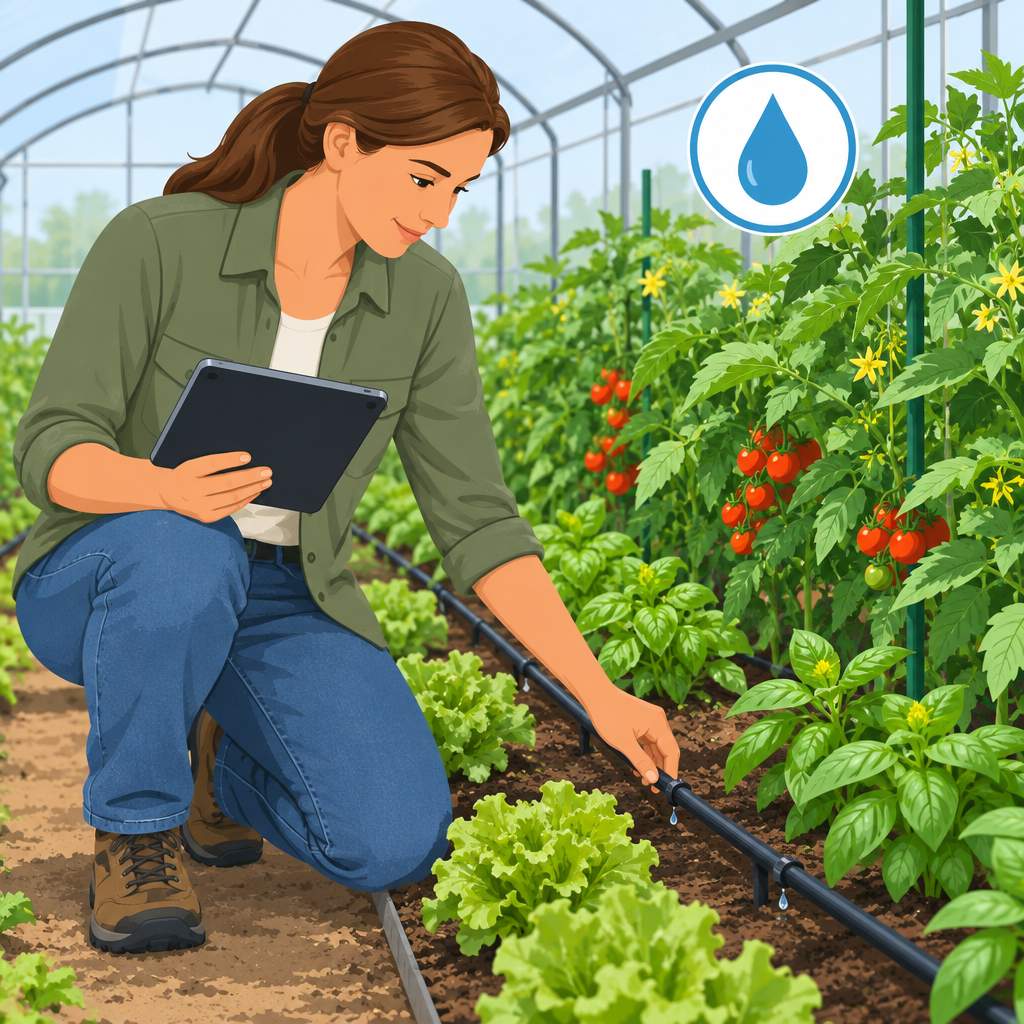
Efficient Watering Techniques
Water plants at the base to prevent evaporation and keep the leaves dry.
This approach directs water toward the roots where plants need it most.
Use a watering can or drip irrigation system to deliver water accurately.
However, avoid overhead sprinklers because they can waste water through evaporation.
Additionally, consider a soaker hose for slow, deep watering.
Plant Watering Timing and Frequency
Check soil moisture by inserting your finger into the soil.
Water plants early in the morning to reduce evaporation.
Transform Your Career Today
Unlock a personalized career strategy that drives real results. Get tailored advice and a roadmap designed just for you.
Start NowMeanwhile, water deeply and less frequently to encourage deep root growth.
Adjust watering frequency according to changing weather conditions.
Plants growing in sandy soil may need more frequent watering.
Finally, establish a watering schedule based on plant species and environmental factors.
Gain More Insights: Understanding Pest Management Strategies
Collecting and Recycling Rainwater
- Rainwater offers purity and lacks harmful chemicals.
- Moreover, rainwater remains free and abundant, making it cost-effective for horticulturists.
- Because rainwater is soft and chlorine-free, it suits plant watering.
- Simple tools and materials allow horticulturists to establish collection systems.
- For example, gardeners can connect a rain barrel to a downspout.
- Additionally, placing the barrel beneath a roof gutter maximizes water collection.
- A screen or filter keeps debris out of the stored water.
- Regular maintenance keeps collected water clean for plants.
- Furthermore, using rainwater reduces demand for tap water and supports conservation.
- Gardeners can store rainwater for dry spells or droughts.
- Finally, a drip irrigation system distributes collected rainwater efficiently.
Learn More: Training Programs for Aspiring Quality Control Inspectors
Soil Management for Improved Water Retention
Soil composition shapes porosity, which affects water absorption and retention.
Therefore, organic matter can improve soil structure and support moisture retention.
Compost and manure provide practical ways to add organic matter.
- Nutrients improve soil fertility and can support moisture retention.
- Cover crops prevent erosion and improve water infiltration.
- Mulch reduces evaporation and helps maintain soil moisture levels.
- No-till farming preserves soil structure and supports water retention.
Soil Structure and Fertility for Better Water Management
Soil tests reveal nutrient deficiencies and pH levels.
Growers can adjust pH with lime or sulfur to support nutrient uptake.
Additionally, suitable plants can reduce water requirements for each soil type.
- Crop rotation prevents soil depletion and helps maintain fertility.
- Growers can avoid compaction by limiting heavy machinery and tilling.
- Green manure crops add organic matter and improve soil structure.
- These strategies help horticulturists manage water and support plant growth sustainably.
Monitoring and Adjusting Water Usage
Regular monitoring helps horticulturists evaluate plant health and soil moisture.
These observations support timely adjustments to watering practices.
Environmental changes can also alter how often plants need water.
Monitoring Plant Health
- Plant wilting or discoloration can indicate that watering needs adjustment.
- Moisture meters measure soil moisture at different depths and show how water spreads through the root zone.
- Regular pest and disease checks can reveal imbalances associated with wet or dry conditions.
Adjusting Watering Practices for Plant Needs
- Deep, infrequent watering can encourage root growth and drought tolerance in many plants.
- Horticulturists can compare irrigation methods while monitoring water efficiency and foliage health.
- Mulch can retain moisture, reduce evaporation, and limit weeds around plants.
Adjusting Watering Practices for Environmental Conditions
- Hot, windy conditions can increase watering needs and raise the risk of plant dehydration.
- Cooler weather and high humidity may require less frequent watering to prevent waterlogged soil.
- Weather forecasts can help horticulturists account for rainfall and avoid unnecessary watering.
Monitoring plant health and soil moisture helps horticulturists adjust water use for plant growth.
These observations also help minimize water wastage.
Testing techniques and observing plant responses can refine practices for different species and conditions.
Sustainable Water Management Practices
Water management techniques help horticulturists support efficient and sustainable plant growth.
Wise resource management can improve plant growth and promote sustainability.
For example, drip irrigation and mulching help conserve water.
Additionally, horticulturists should monitor soil moisture and harvest rainwater.
Learning water-efficient gardening methods supports long-term horticultural success.
These strategies benefit plants while reducing environmental pressure.
Therefore, horticulturists should prioritize water conservation for sustainable gardening.
Additional Resources
Google search results for Water Management Strategies for Horticulturists Agricultural
Bing search results for Water Management Strategies for Horticulturists Agricultural


