




Freight Handler Union Membership
Freight handler union membership allows workers to join a labor organization and bargain collectively for better wages, benefits, and working conditions.
This membership gives freight handlers a collective voice when negotiating fair wages, safe workplaces, health care, and retirement plans.
Additionally, unions can provide job security, training access, and support during disputes with employers.
Unionized freight handlers may also find better job opportunities and career advancement through seniority and union training programs.
A collective bargaining agreement protects members by defining their rights, responsibilities, and workplace expectations.
It also establishes consistent guidelines for disciplinary actions, grievances, and job assignments.
These protections give freight handlers greater security and stability at work.
Union members can raise workplace concerns and advocate for changes that benefit workers throughout the industry.
By standing together, they can promote positive changes in their workplaces and the wider industry.
Union membership benefits individual freight handlers and influences the industry’s future.
It promotes fair labor practices, safe working conditions, and equitable access to resources and opportunities.
Benefits of Joining a Freight Handler Union
Joining a freight handler union can strengthen workplace support and improve career conditions.
Union members can work together when addressing employment concerns.
Additionally, membership may support better opportunities for workers and their families.
Greater Job Security and Workplace Protection
A union can help protect freight handlers from unfair dismissal or layoffs.
Representatives negotiate with employers to establish stronger employment protections.
Members also receive support when disputes arise with management.
Competitive Wages and Valuable Benefits
Union representatives negotiate pay rates that fairly compensate freight handlers.
Members may also gain access to healthcare benefits and retirement plans.
These benefits can strengthen workers’ financial well-being over time.
Safer and More Productive Working Conditions
Freight handler unions advocate for safe, clean, and productive workplaces.
Through collective bargaining, members can address excessive hours and limited breaks.
Unions can also raise concerns about unsafe working conditions.
Training and Professional Development Opportunities
Union membership can provide access to workshops, seminars, and other educational programs.
These opportunities help freight handlers strengthen their workplace skills.
Furthermore, training can help members follow industry trends and use new technologies.
Eligibility Requirements
Several conditions determine whether an individual can apply for freight handler union membership.
Applicants must meet age and employment requirements before beginning the application process.
Additionally, some unions may review an applicant’s background against their standards.
Age Requirement
Applicants must be at least 18 years old to join a freight handler union.
This age requirement establishes a basic condition for membership eligibility.
People younger than 18 do not meet this stated requirement.
Employment Status
Applicants must work as freight handlers or in a related field.
Employment in one of these fields supports eligibility for membership consideration.
Therefore, potential members should confirm their employment status before applying.
Background Check
Some unions require applicants to complete a background check.
The check helps the union determine whether applicants meet its standards.
Applicants should prepare for this requirement when reviewing membership eligibility.
Application Process
Eligible individuals can begin the union membership application process.
Applicants must obtain, complete, and submit the required application.
Transform Your Career Today
Unlock a personalized career strategy that drives real results. Get tailored advice and a roadmap designed just for you.
Start NowA union representative reviews the submitted information.
Obtaining an Application
Applicants can usually obtain a membership application from their employer.
They can also request the application directly from the union.
Either source provides a starting point for the membership process.
Completing the Application
The application requests basic personal information from each applicant.
Applicants must also provide their employment history.
References may form another required part of the completed application.
Submitting the Application
Applicants must submit the completed application for review.
A union representative receives the application and examines its information.
Applicants should provide all requested details before submitting the form.
Union Dues and Fees
Union members must pay dues to maintain their membership.
Members may also pay initiation fees or special assessments.
Unpaid amounts can affect membership privileges and continued participation.
Monthly Dues
Most unions require members to pay dues each month.
These payments help fund union activities and services.
Members must account for monthly dues while maintaining membership.
Initiation Fees
New members may pay an initiation fee when they first join.
This fee applies during the initial membership process.
Applicants should determine whether their union requires this payment.
Special Assessments
Unions may impose special assessments when unexpected expenses arise.
They may also use these assessments to fund special projects.
Members must pay approved assessments when their union requires them.
Penalties for Non-Payment
Members who fail to pay dues or fees may face penalties.
The union may remove their membership privileges.
In serious cases, non-payment may result in expulsion from the union.
See Related Content: Work Environment for Transportation Security Screeners
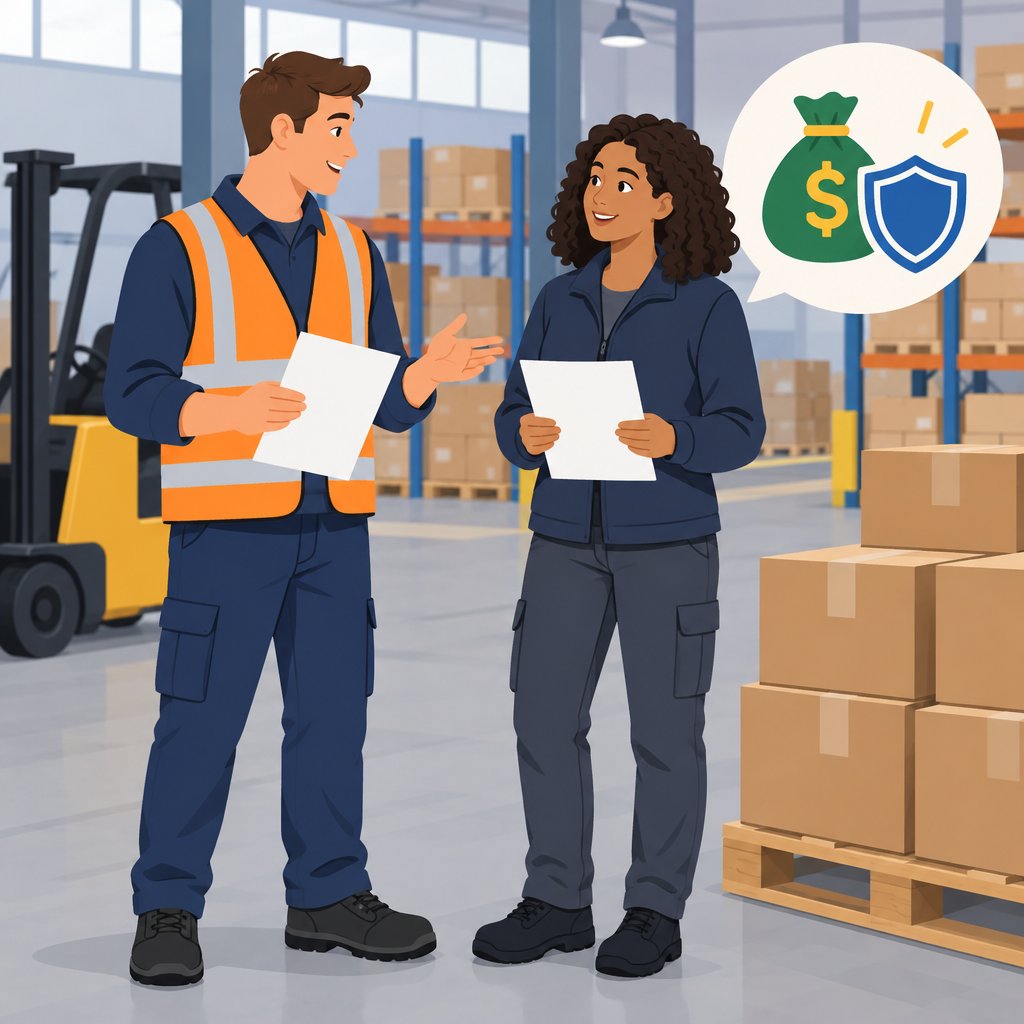
Rights and Responsibilities of Union Members
- As a freight handler union member, you can participate in collective bargaining.
- Additionally, you should attend union meetings and actively engage in union activities.
- Members must follow union rules and regulations to maintain their membership status.
- Staying informed helps members understand their rights and obligations within the union.
Collective Bargaining Power
- Union members can negotiate collectively for better wages, benefits, and working conditions.
- By standing together, members can use their shared strength to pursue mutual goals.
- Through collective bargaining, members can address workplace issues and advocate for fair treatment.
- Furthermore, a strong union presence can protect freight handlers’ rights and interests.
Participation in Union Meetings and Activities
- Attending union meetings helps members stay informed about important updates and decisions.
- Moreover, active participation can build solidarity and strengthen the union’s impact.
- Members can contribute to the union’s success by engaging in events and initiatives.
- Participation also lets members voice concerns and help shape the union’s direction.
Adherence to Union Rules and Regulations
- Following union rules supports a harmonious and effective union environment.
- Members should follow the union’s policies and procedures to uphold its integrity.
- Adherence demonstrates commitment to the union’s collective values and principles.
- Failure to comply with union regulations may result in discipline or membership termination.
Learn More: Importance of Communication for Supply Chain Analysts
Role of Freight Handler Unions in the Industry
Freight handler unions represent workers across important workplace concerns.
They advocate for fair treatment, stronger conditions, and member support.
Additionally, unions use collective action when addressing employment issues.
- Advocating for fair labor practices
- Negotiating with employers for better working conditions
- Supporting members in times of need
Advocating for Fair Labor Practices
Freight handler unions advocate for fair labor practices within the industry.
They work to ensure employers treat workers fairly and provide just compensation.
Furthermore, unions challenge wage theft, discrimination, and unsafe working conditions.
Negotiating Better Working Conditions
Freight handler unions negotiate with employers on behalf of their members.
These discussions may address wages, benefits, and scheduling practices.
By working collectively, members strengthen their position during workplace negotiations.
Supporting Members During Difficult Times
Freight handler unions support members when they face challenging circumstances.
They may provide legal assistance, financial aid, and healthcare resources.
As a result, members can rely on shared support during times of need.
Explore Further: Port Operations Manager: Crisis Management Strategies
Transform Your Career Today
Unlock a personalized career strategy that drives real results. Get tailored advice and a roadmap designed just for you.
Start NowChallenges Faced by Freight Handler Unions
Freight handler unions face several challenges that can limit their effectiveness in advocating for workers’ rights and benefits.
These challenges include employer resistance, legal restrictions, and internal disagreements within the union.
Together, these pressures can complicate organizing, negotiations, and efforts to address workplace concerns.
- Resistance from Employers
- Legal Limitations on Union Activities
- Internal Conflicts Within the Union
Resistance from Employers
Employers may resist union recognition and negotiations because they fear higher costs or reduced control over workers.
For example, employers may conduct anti-union campaigns, threaten job losses, or use illegal tactics to discourage organizing.
Consequently, this resistance can create a hostile environment and hinder the union’s advocacy for member rights and benefits.
Legal Limitations on Union Activities
Federal law protects workers’ rights to organize and form unions, but it also limits certain union activities.
These restrictions can affect organizing campaigns, collective bargaining, and the tactics unions use during negotiations.
As a result, legal limits may make it harder to mobilize workers and protect their workplace interests.
Internal Conflicts Within the Union
Disagreements about leadership, strategy, priorities, or goals can weaken a union’s unity and effectiveness.
Moreover, power struggles and factionalism can divide members and reduce the union’s ability to negotiate effectively.
Resolving these disputes helps the union maintain solidarity and represent freight handlers more effectively.
Freight handler unions can strengthen their position by addressing employer resistance, following legal requirements, and resolving internal conflicts.
These efforts can improve their ability to secure better working conditions, wages, and benefits for members.
Explore Further: Utilizing Big Data in Logistics Consulting
Impact of Union Membership on Individual Freight Handlers
- Increased job satisfaction
- Higher levels of job security
- Sense of belonging and community
Union membership can significantly affect individual freight handlers in several ways.
First, a collective voice can help workers negotiate better wages, benefits, and working conditions.
Consequently, freight handlers may experience greater satisfaction with their jobs.
Union membership can also provide freight handlers with greater job security.
Contracts may include seniority rights and procedures that employers must follow before terminating an employee.
Therefore, workers may feel more confident about their continued employment.
Finally, union membership can strengthen relationships among freight handlers.
Members may develop a stronger connection with coworkers and share a sense of purpose.
This supportive environment can encourage camaraderie and mutual support.
Collective Action for Better Freight Workplaces
Joining a freight handler union can provide higher wages, better working conditions, and greater job security.
Therefore, freight handlers should carefully consider how union membership could improve their quality of life.
Freight handlers can unite to advocate for better labor conditions throughout the industry.
Ultimately, collective action helps workers create positive change.
Additional Resources
Google search results for Freight Handler Union Membership and Benefits Transportation and Logistics
Bing search results for Freight Handler Union Membership and Benefits Transportation and Logistics


