




Responsibilities of Transportation Security Screeners
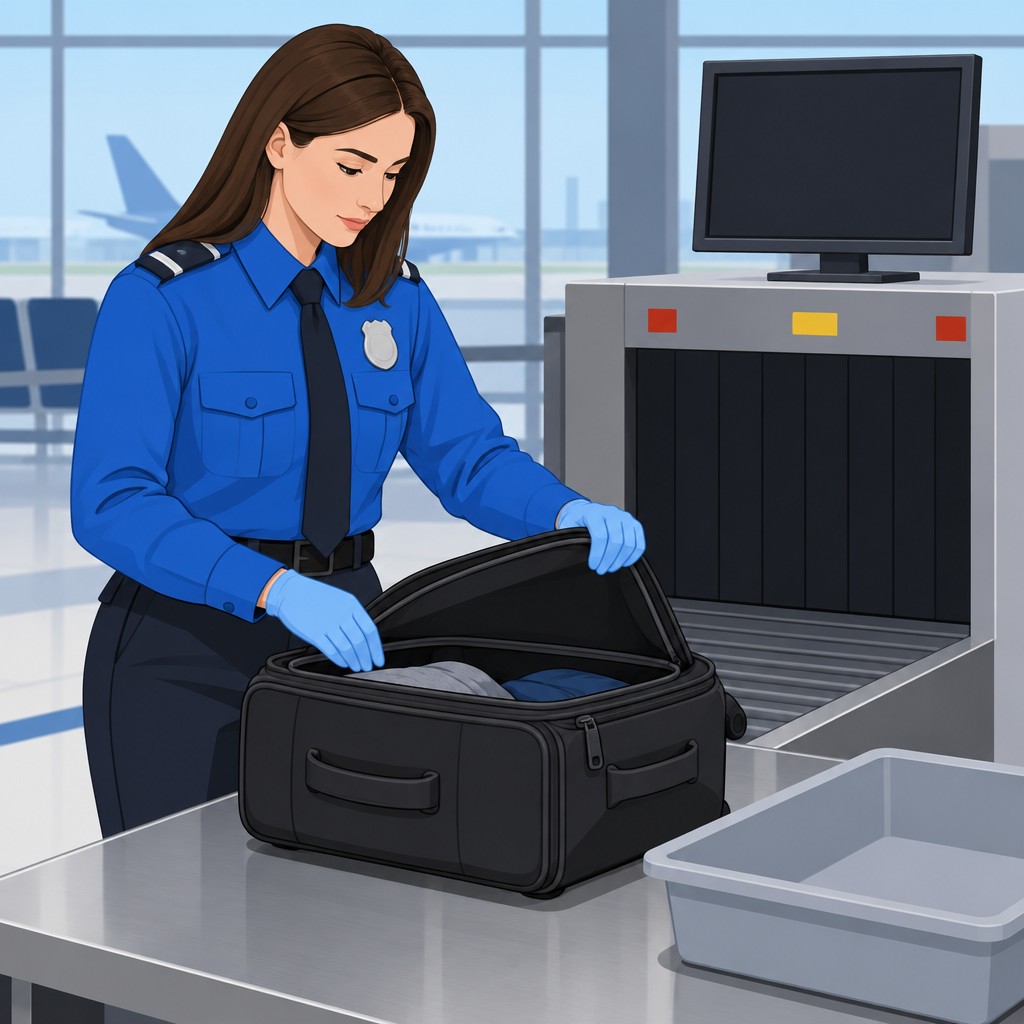
Transportation security screeners inspect passengers and luggage.
They check for weapons or harmful objects before travelers board planes.
Through these inspections, screeners support safer air travel.
Importance of Transportation Security Screening
Their work helps prevent potential security threats, including terrorism and smuggling.
Additionally, screeners protect passengers and crew members by enforcing transportation security measures.
These responsibilities make their role essential to transportation safety.
Work Environment for Transportation Security Screeners
Transportation security screeners work in fast-paced, high-stress environments.
They must remain alert and focused throughout their duties.
Furthermore, the job requires prolonged standing and lifting heavy luggage.
Despite these challenges, screeners uphold security measures that keep transportation systems safe.
Physical Work Environment
Transportation security screeners typically work in airports at designated security checkpoints.
They stand for long periods while conducting thorough screenings and assisting travelers.
Meanwhile, noise, crowds, and constant movement shape their daily work environment.
Screening Areas in Airports
Screening areas sit near airport entrances and include security screening equipment.
They use conveyor belts, walk-through metal detectors, and body scanners.
These arrangements support efficient passenger and belongings screening while maintaining strong security.
Equipment and Technology Used by Screeners
Screeners use various equipment and technologies to examine passengers and luggage.
X-ray machines scan luggage, while handheld metal detectors support additional checks.
Explosive detection devices and computer systems help screeners analyze results and support safety.
Safety Measures and Employee Protocols
Airports protect screeners through strict protocols and safety measures.
Training covers equipment operation, threat detection, and responses to security incidents.
Additional security personnel assist during challenging situations and help maintain a safe workplace.
Mental Work Environment
Screeners work in a mentally demanding environment.
Their duties require sustained focus.
Quick decision-making helps them respond to workplace demands.
Stressful Nature of the Job
Constant pressure makes the job stressful.
Screeners remain vigilant throughout their shifts.
They must protect passengers and prevent security breaches.
Training and Support for Job Demands
Extensive training prepares screeners for job demands.
The training addresses stressful situations.
It also teaches approaches for managing mental health.
Strategies for Maintaining Mental Well-Being
Screeners can use several strategies to manage workplace stress.
They can take breaks and practice mindfulness.
Support from colleagues and supervisors can strengthen their coping efforts.
- Practice deep breathing techniques during breaks
- Engage in regular physical exercise to release stress
- Attend counseling sessions provided by the organization
- Participate in stress management workshops and training
- Build a support network of colleagues to share experiences and coping strategies
Learn More: Importance of Communication for Supply Chain Analysts
Schedule and Work Hours
Transportation security screeners often work irregular hours.
Shift schedules vary according to each location’s needs.
These hours can begin early and continue late into the evening.
Impact of Long Hours on Work-Life Balance
Long working hours can significantly affect a screener’s work-life balance.
Screeners may need to work weekends and holidays.
Transform Your Career Today
Unlock a personalized career strategy that drives real results. Get tailored advice and a roadmap designed just for you.
Start NowConsequently, irregular schedules can make personal planning more difficult.
Benefits of Flexible Scheduling
Flexible scheduling helps screeners accommodate personal needs and responsibilities.
It also gives employees opportunities to manage their time off.
Furthermore, greater control over work hours can improve satisfaction and reduce burnout.
- Flexibility allows screeners to accommodate personal needs and responsibilities.
- It helps screeners manage work-life balance by allowing time off when needed.
- Better control over work hours can promote satisfaction and reduce burnout.
Drawbacks of Flexible Scheduling
However, flexible scheduling can make work hours inconsistent.
Unpredictable shifts may make advance planning more difficult.
Additionally, changing schedules can disrupt routines and increase stress.
- Inconsistent hours and shifts can make planning ahead difficult.
- Changing schedules can disrupt routines and stability for employees who prefer fixed hours.
- Uncertainty about shifts may increase stress for screeners.
Learn More: Port Operations Manager: Crisis Management Strategies
Team Dynamics and Communication
Effective communication supports smooth operations for transportation security screeners.
Screeners must work cohesively while screening passengers and luggage.
Additionally, strong team dynamics create a positive workplace.
Team members should communicate openly, support colleagues, and collaborate efficiently.
Effective Communication in Security Operations
Clear communication conveys important information, instructions, and updates.
It also improves coordination with other airport personnel.
Consequently, screeners can follow security protocols more consistently.
They must address security threats promptly to protect passengers.
Collaboration with Law Enforcement and Other Agencies
Screeners often collaborate with law enforcement and other agencies.
Together, these partners implement security measures, respond to potential threats, and conduct screenings.
This collaboration shares information, resources, and expertise.
Moreover, screeners coordinate with external agencies to maintain a secure airport environment.
Building Strong Team Relationships
Screeners can build strong relationships by fostering trust and respect.
Regular meetings and briefings align goals, reveal challenges, and support solutions.
Mentoring programs, team-building activities, and training sessions strengthen cohesion.
Furthermore, open communication, feedback, and recognition can boost morale and motivation.
Teamwork Supports Aviation Security
Effective team dynamics and communication help screeners support airport safety.
Collaboration with other agencies strengthens the security environment.
By improving teamwork, screeners can fulfill their role in aviation security.
Delve into the Subject: Utilizing Big Data in Logistics Consulting
Job Satisfaction and Burnout
Job satisfaction and burnout significantly influence transportation security screeners.
Understanding workplace needs helps organizations support a healthy and productive workforce.
Additionally, preventing burnout helps screeners remain engaged in their roles.
Understanding Job Satisfaction
Job satisfaction describes how content transportation security screeners feel about their work.
Several workplace conditions can strengthen satisfaction and encourage continued commitment.
For example, supportive relationships and clear feedback can improve daily workplace experiences.
- Recognition and appreciation for their work
- Opportunities for professional development
- Job security and stability
- A supportive work environment
- Clear communication and feedback
- Positive relationships with colleagues
Recognizing and Preventing Burnout
Burnout involves emotional, physical, and mental exhaustion caused by prolonged stress.
Transportation security screeners may experience burnout when workplace pressures continue without adequate recovery.
Recognizing warning signs early allows screeners to take proactive steps.
- Feeling drained or exhausted
- Decreased motivation
- Increased irritability
- Declining job performance
Self-Care and Support Strategies
Self-care helps transportation security screeners manage workplace demands and protect their well-being.
Meanwhile, seeking support can help screeners address challenging emotions and ongoing stress.
These practices can help screeners maintain resilience and focus at work.
Transform Your Career Today
Unlock a personalized career strategy that drives real results. Get tailored advice and a roadmap designed just for you.
Start Now- Prioritize physical and mental well-being
- Set boundaries that support work-life balance
- Seek support from colleagues or mental health professionals
- Take regular breaks to rest and recharge
- Enjoy relaxing activities outside work
Building a Healthier Work Environment
Organizations can improve workplace well-being by addressing satisfaction and burnout together.
Recognition, development opportunities, and stability can strengthen employees’ connection to their work.
Furthermore, self-care resources and timely support can help transportation security screeners sustain effective performance.
See Related Content: Port Operations Manager: Environmental Responsibilities
Transportation Security Screeners and Passenger Safety
Transportation security screeners play a crucial role in protecting passengers and securing airports.
Their work requires careful attention to detail and clear communication skills.
Furthermore, their dedication supports safe travel throughout the transportation industry.
Screening Demands and Organizational Support
- Screeners must maintain accuracy while performing their demanding duties.
- Constant vigilance and focus can make their work environment stressful.
- Additionally, training and support help screeners perform their duties effectively.
Ultimately, their commitment helps safeguard passengers and maintain transportation security.


